The International Recycling Incubation Summit (IRIS) 2026, organized by the IPCA Centre for WorldSpheres Management Research, (ICWMR) successfully convened global stakeholders in New Delhi to accelerate innovation and collaboration in sustainable waste management and recycling.
As a valued partner of the Global Waste-to-Energy Research and Technology Council (WtERT®) and the host of the WtERT network in India, ICWMR played a central role in delivering this impactful international platform. Under the leadership of Dr. Atul Kumar, Chair of WtERT India, the summit reflected a strong alignment between national priorities and global expertise in advancing waste-to-resource solutions. Supported by WtERT®, IRIS 2026 served as a dynamic forum bringing together approximately 300 participants from across industry, academia, government, grassroots organizations, media, and research institutions. The summit featured more than 60 national and international speakers, panelists, and presenters, fostering a multidisciplinary exchange of knowledge and best practices.
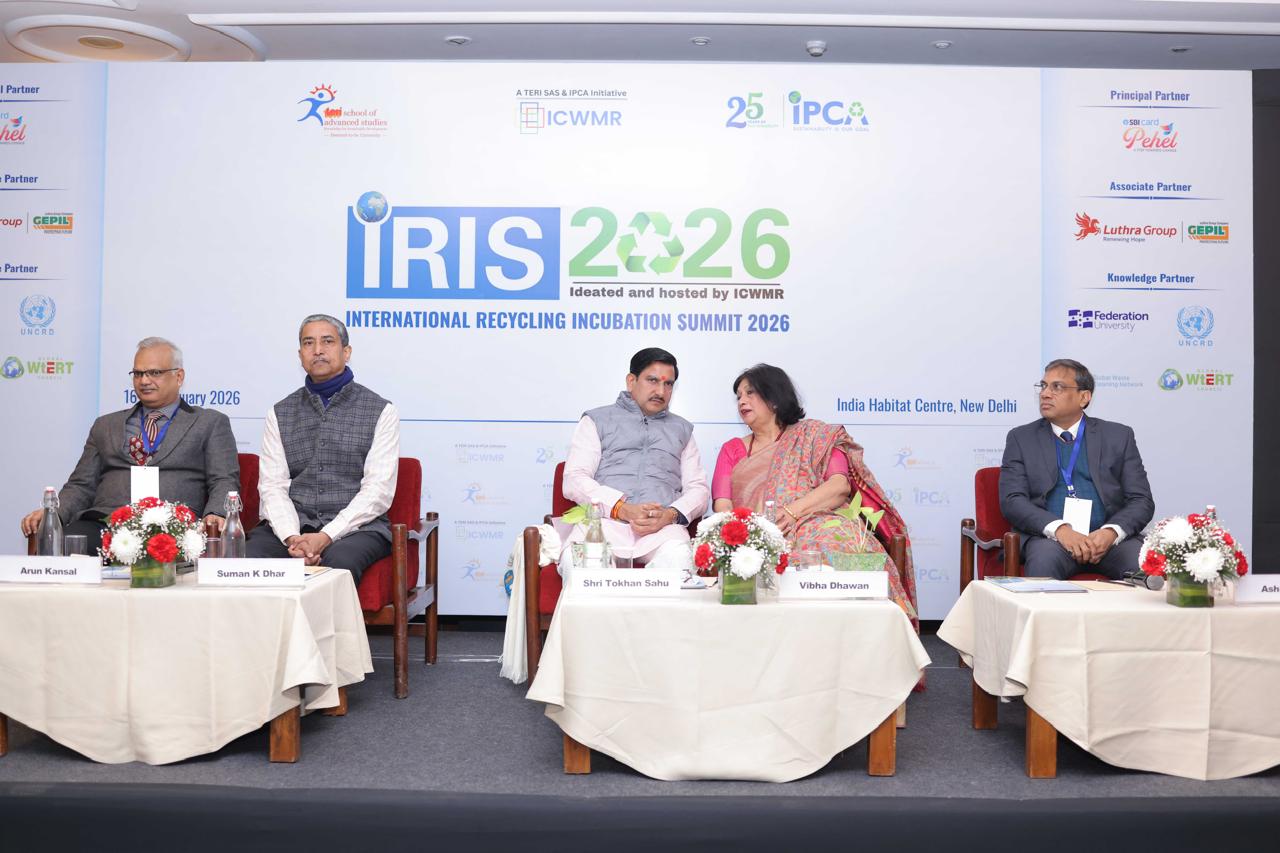
The summit was inaugurated by the Honourable Minister of State, Ministry of Housing and Urban Affairs, Government of India, Mr. Tokhan Sahu, alongside Dr. Vibha Dhawan, Director General of TERI. Their presence underscored the growing importance of integrated waste management solutions in India’s development agenda and climate commitments.
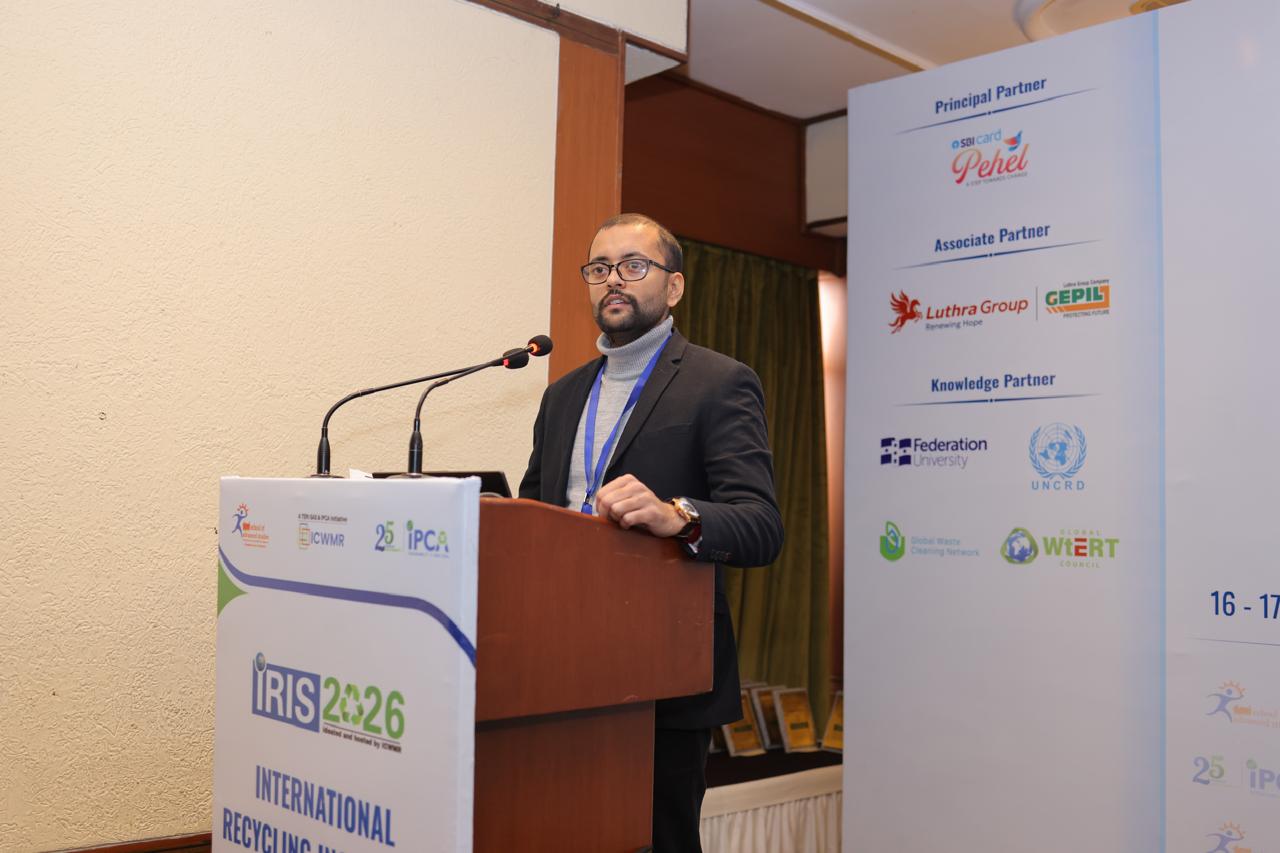
Over the course of two days (https://icwmr.terisas.ac.in/index.php/IRIS-2026/program), IRIS 2026 hosted expert talks, panel discussions, case study presentations, and research paper sessions, addressing key challenges and opportunities in transitioning from waste disposal to resource recovery systems.
A key highlight of the summit was Thematic Track I: Advanced Recycling Technologies, moderated by Dr. Atul Kumar, which strongly aligned with WtERT’s mission to promote science-based solutions for sustainable waste management. This track featured cutting-edge research and innovative applications in waste-to-resource pathways, including:
- Hydrogen production from waste streams, contributing to emerging clean energy systems
- Utilization of refuse-derived fuel (RDF) as an alternative fuel in industrial processes
- Resource recovery innovations such as collagen extraction from marine waste
- Advanced approaches to converting residual waste into valuable materials and energy
These contributions demonstrated the growing maturity of technologies that move beyond traditional recycling toward integrated waste valorization, supporting circular economy principles.
The summit concluded with a clear and actionable roadmap emphasizing:
- Strengthened partnerships between academia, industry, and policymakers
- Policy recommendations to enable scalable waste-to-resource solutions
- Innovation-driven pathways to reduce landfill dependency and greenhouse gas emissions
Importantly, IRIS 2026 reinforced the critical role of recycling and waste-to-value systems in supporting India’s broader ambition to achieve net-zero emissions, while addressing the environmental and social challenges associated with rapid urbanization.
To further capture the outcomes and knowledge shared during the summit, the organizers have published the official proceedings and a dedicated video documentary. These resources provide a comprehensive overview of the discussions, innovations, and collaborative efforts that defined IRIS 2026:
- Compendium of Proceedings: https://heyzine.com/flip-book/4ad23e86e2.html
- Summit Video Documentary: https://youtu.be/9MspdUBRZuM
These materials serve as valuable references for researchers, policymakers, and industry stakeholders working to advance sustainable waste management and circular economy solutions.
WtERT’s partnership with ICWMR in IRIS 2026 reflects its continued commitment to advancing global cooperation, research, and innovation in waste-to-resource solutions. Building on this successful collaboration, the next edition of IRIS is planned for December 2027, with the aim of further strengthening international dialogue and accelerating the transition toward a circular economy.