The Global Energy-from-Waste Atlas™ is a comprehensive knowledge platform mapping the deployment of Waste-to-Energy (WtE) infrastructure across the world. It provides a structured, data-driven view of operational facilities, highlighting their geographic distribution, treatment capacity, and energy generation potential.
Currently covering key regions including the United States, Europe, China, and Japan, the Atlas brings together verified data sourced from official publications and a global network of industry partners. This ensures accuracy, transparency, and continuous updates aligned with real-world developments.
Our ambition is to establish the Atlas as the global reference for Energy-from-Waste data, enabling stakeholders to better understand how this technology is deployed, where it is located, and the role it plays in modern waste management systems.
Beyond mapping infrastructure, the platform also highlights the environmental and societal impact of WtE, including contributions to greenhouse gas reduction, methane avoidance, and sustainable resource management. In doing so, it supports the tracking and advancement of key United Nations Sustainable Development Goals (SDGs), particularly those related to clean energy, sustainable cities, responsible consumption, and climate action.
By transforming complex datasets into accessible insights, the Global Energy-from-Waste Atlas™ empowers decision-makers, researchers, and industry leaders to accelerate the transition toward a more sustainable and low-carbon future.
Explore Waste-to-Energy Infrastructure by Region


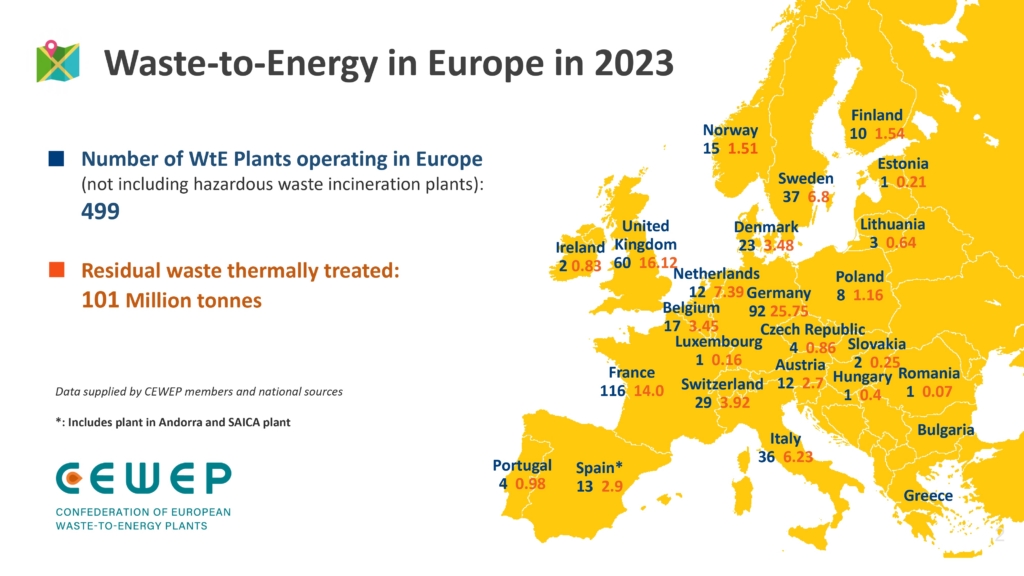
Europe – 499 Plants in 23 countries | waste treated ~ 101 millions tons | Energy generation ~15,000 MW ( Electricity ~4,600 MW + Heat ~10,300 MW)

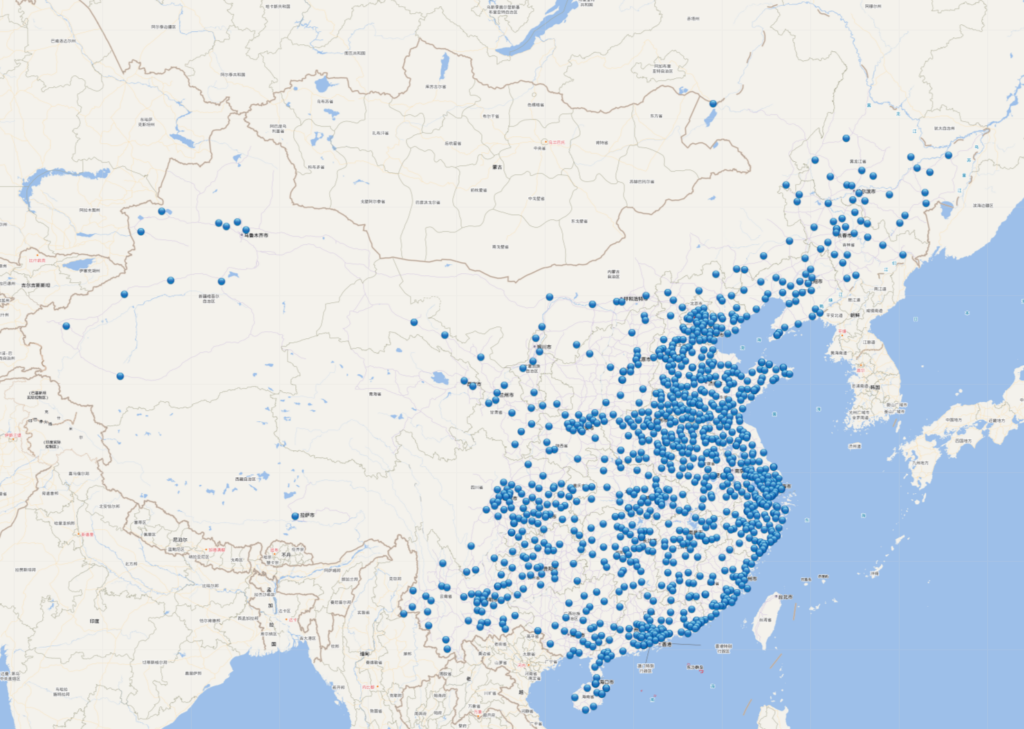
China – 1135 Plants | Capacity ~1.1 million tons/day | Power generation ~ 27,000 MW

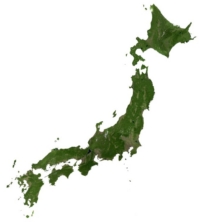
Japan – 991 Plants | Capacity ~174,000 tons/day | Power generation ~2,300 MW

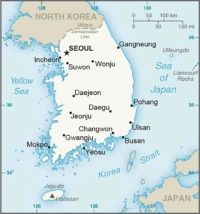
South Korea – 166 Plants | Waste treated ~13,800 tons/day