ICOPE 2026 in Hangzhou Highlights Global Momentum for Low-Carbon Energy Transition
In response to the urgent global challenge of climate change and the accelerating transition toward low-carbon energy systems, the International Conference on Power Engineering 2026 (ICOPE-2026) was successfully held from April 9 to 12, 2026, in Hangzhou, under the leadership of Prof. Yan Jianhua, Chairman of WtERT and Director of the State Key Laboratory of Clean Energy Utilization at Zhejiang University, bringing together global experts to advance the low-carbon energy transition.
The conference brought together leading experts, researchers, and industry stakeholders from across the world to exchange knowledge and explore innovative pathways for sustainable energy development.
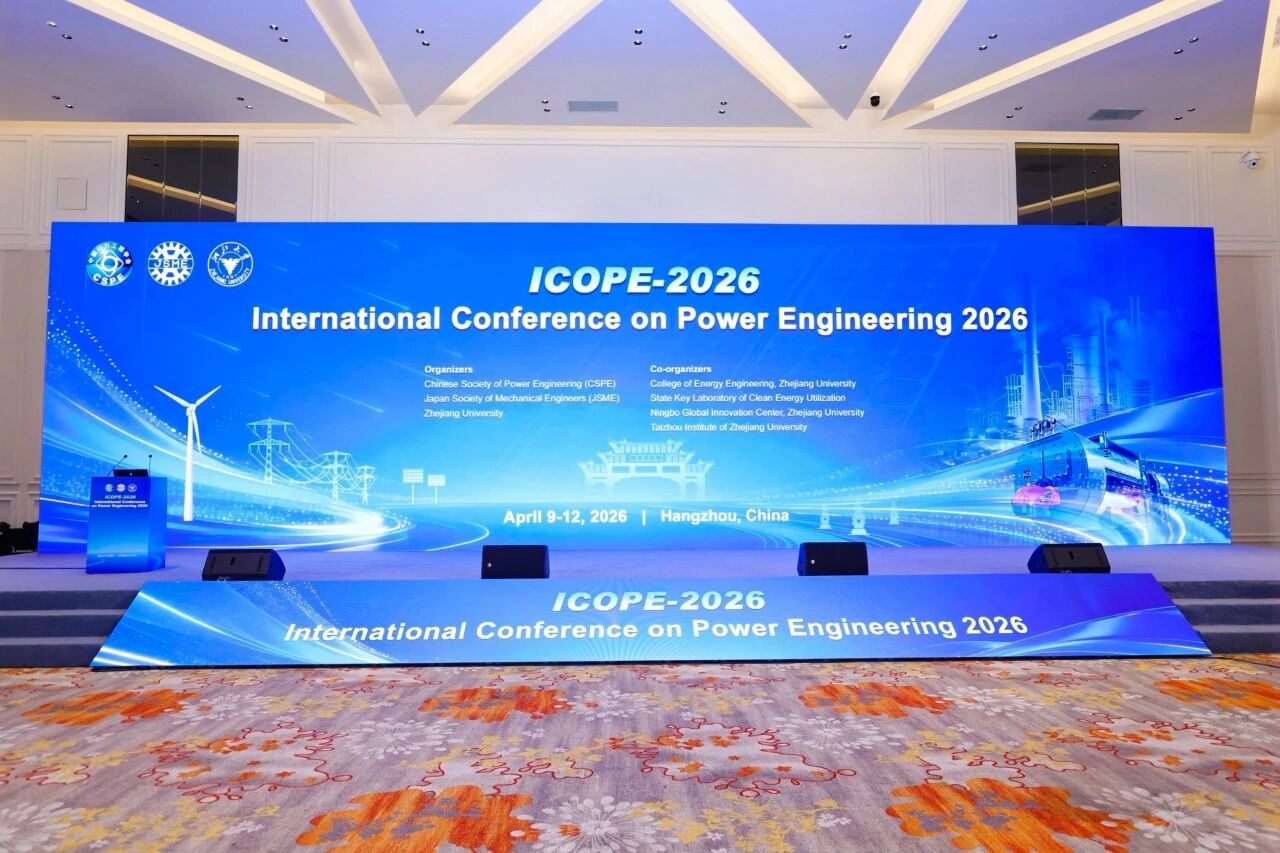
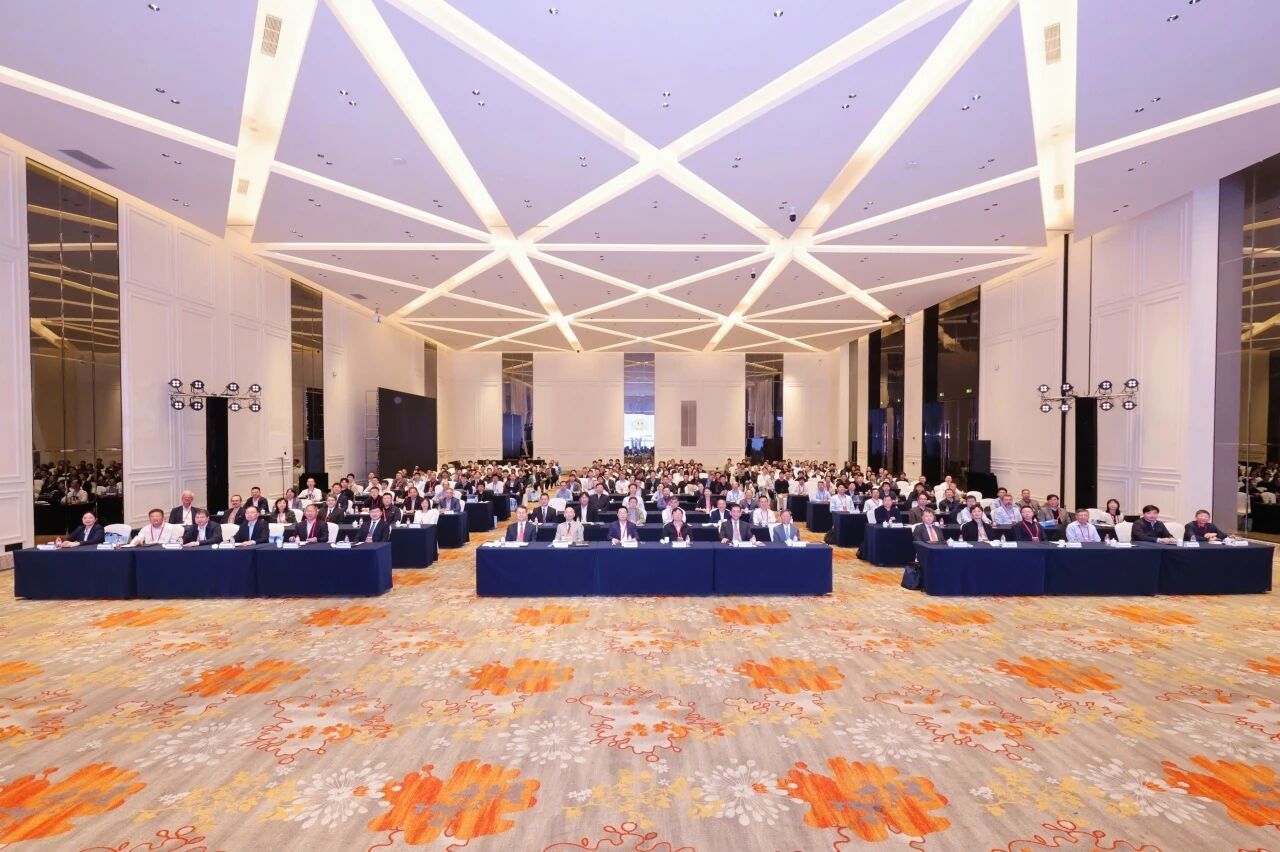
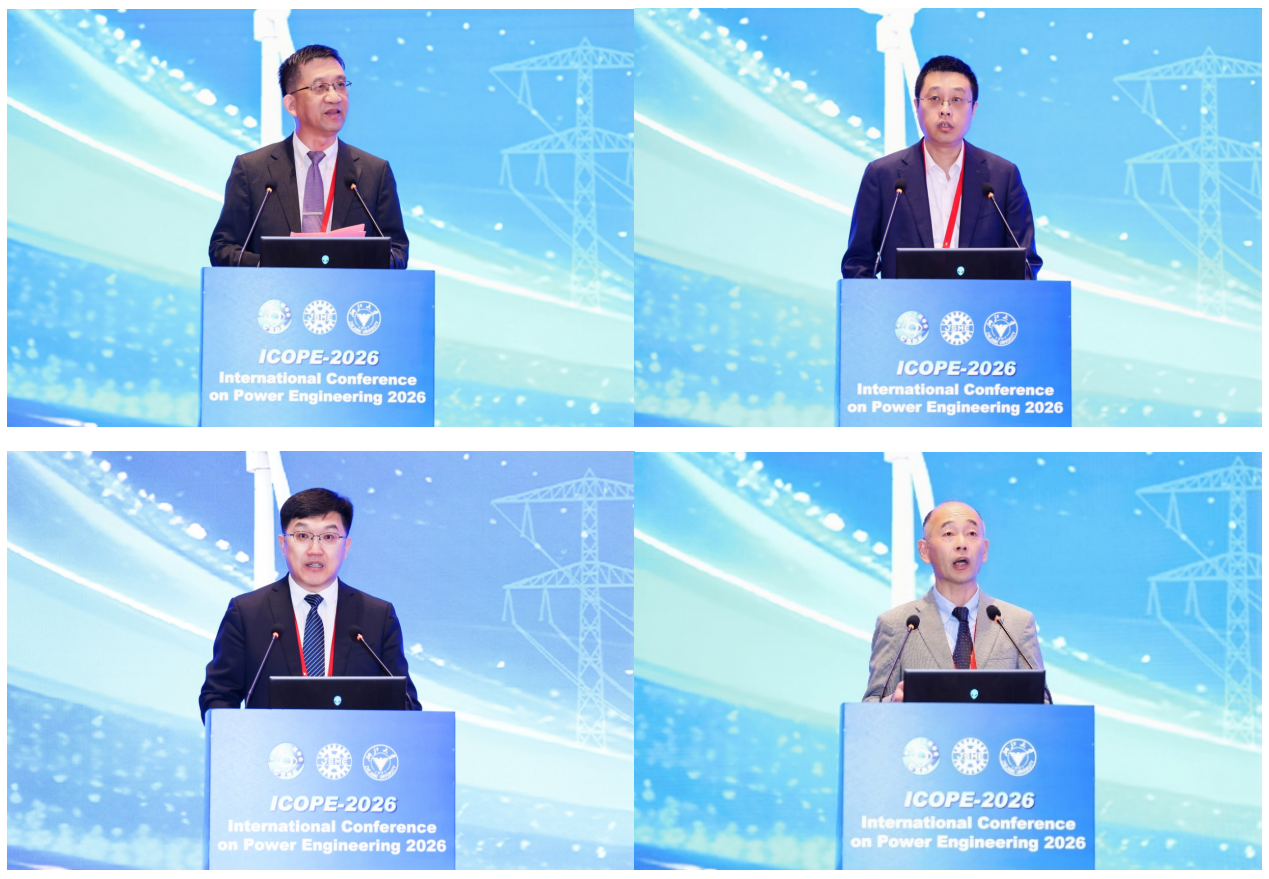
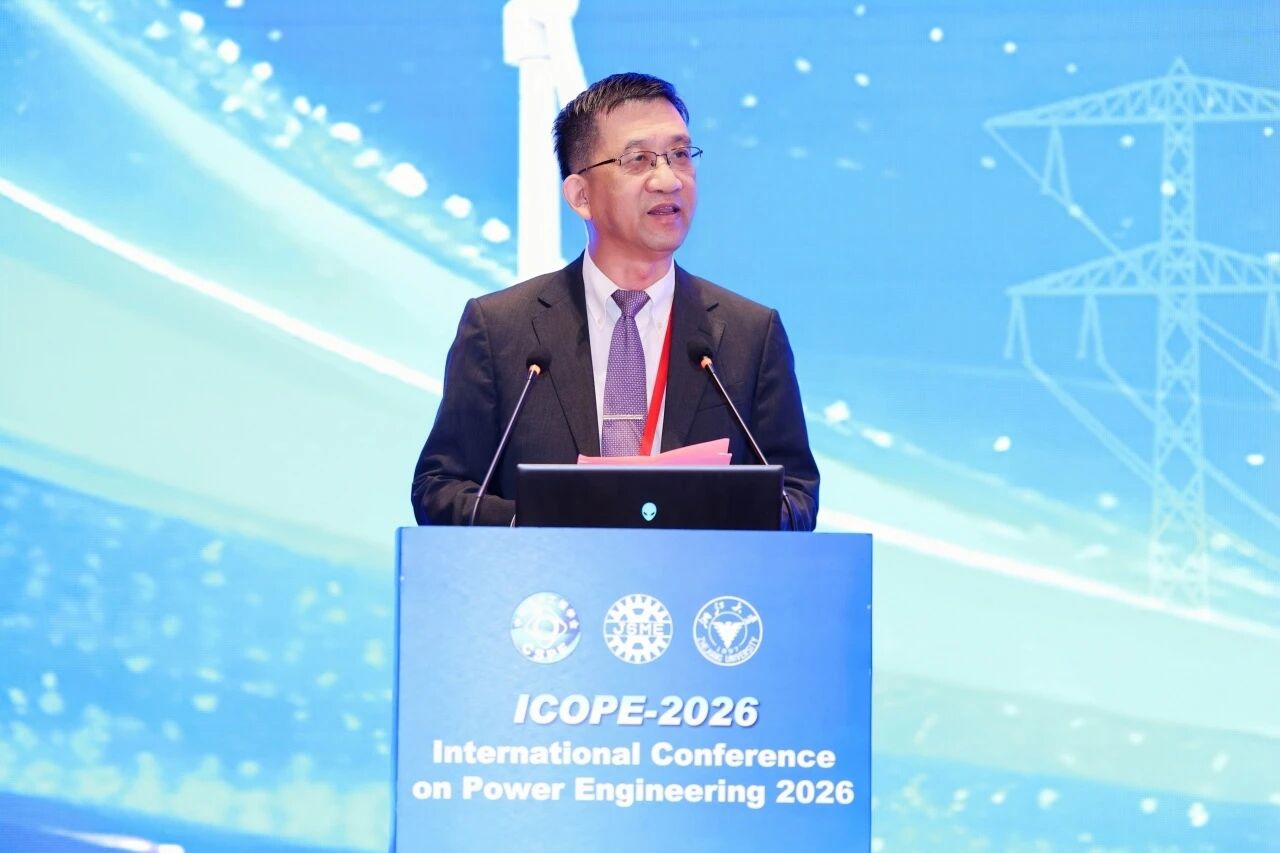
In response to the urgent global challenge of climate change and the accelerating transition toward low-carbon energy systems, the International Conference on Power Engineering 2026 (ICOPE-2026) was successfully held from April 9 to 12, 2026, in Hangzhou, under the leadership of Prof. Yan Jianhua, Chairman of WtERT and Director of the State Key Laboratory of Clean Energy Utilization at Zhejiang University, bringing together global experts to advance the low-carbon energy transition.
The conference brought together leading experts, researchers, and industry stakeholders from across the world to exchange knowledge and explore innovative pathways for sustainable energy development.
A Global Platform for Energy Innovation
ICOPE-2026 was jointly organized by the Chinese Society of Power Engineering, the Japan Society of Mechanical Engineers, and Zhejiang University. The event was hosted by several leading institutions, including the College of Energy Engineering at Zhejiang University and the State Key Laboratory of Clean Energy Utilization.
Under the theme “Low-Carbon Energy Transition,” the conference aimed to foster collaboration among scientists, engineers, policymakers, and industry leaders, covering the full innovation chain—from cleaner use of conventional energy to renewable energy systems and advanced storage technologies.
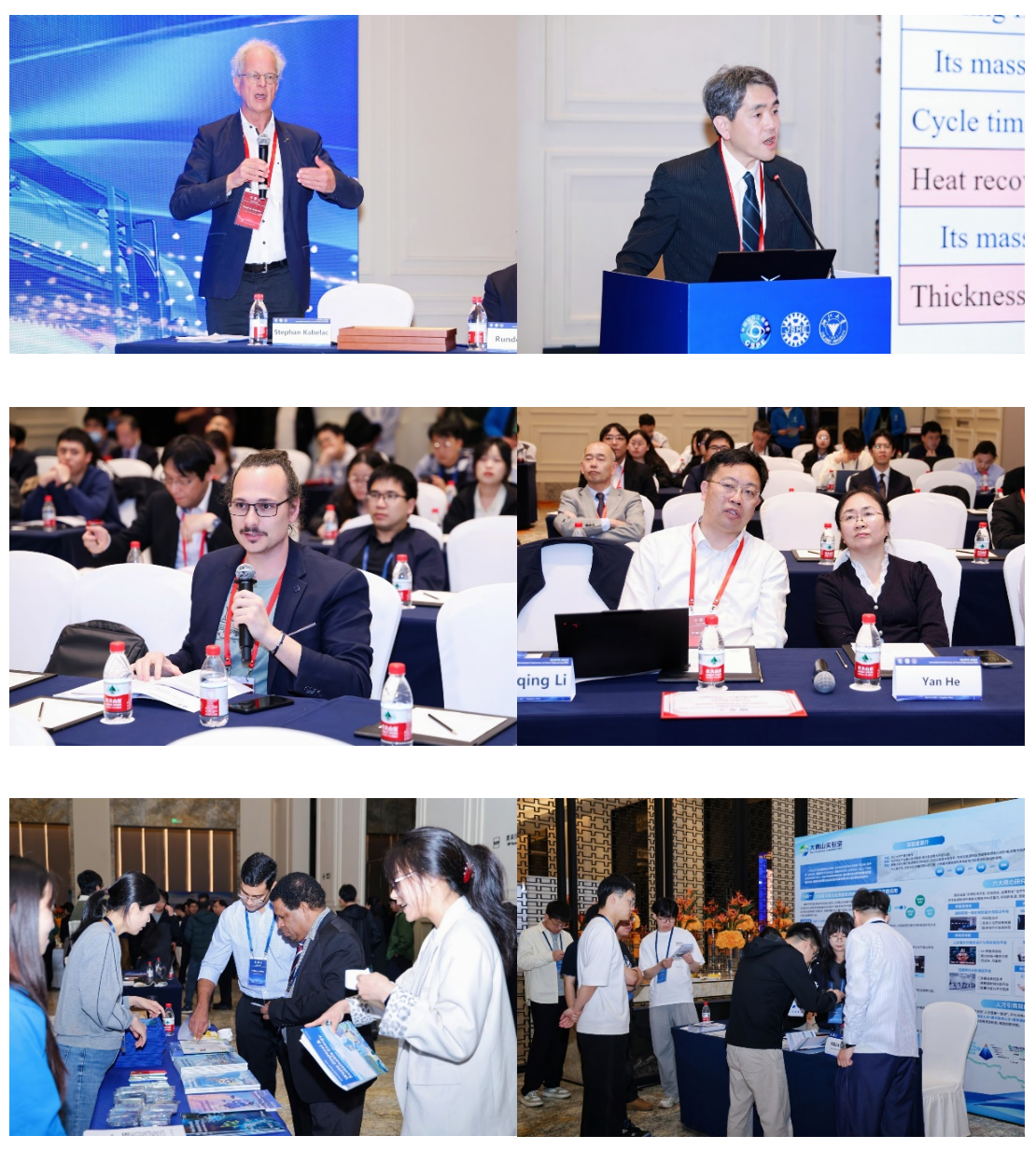
The event attracted more than 200 experts from over ten countries, including Germany, Australia, Japan, South Korea, Malaysia, and Poland, along with over 160 students, reflecting strong global engagement and knowledge exchange.
Prof. Huang Qunxing Showcases AI-Driven Waste-to-Energy Innovation
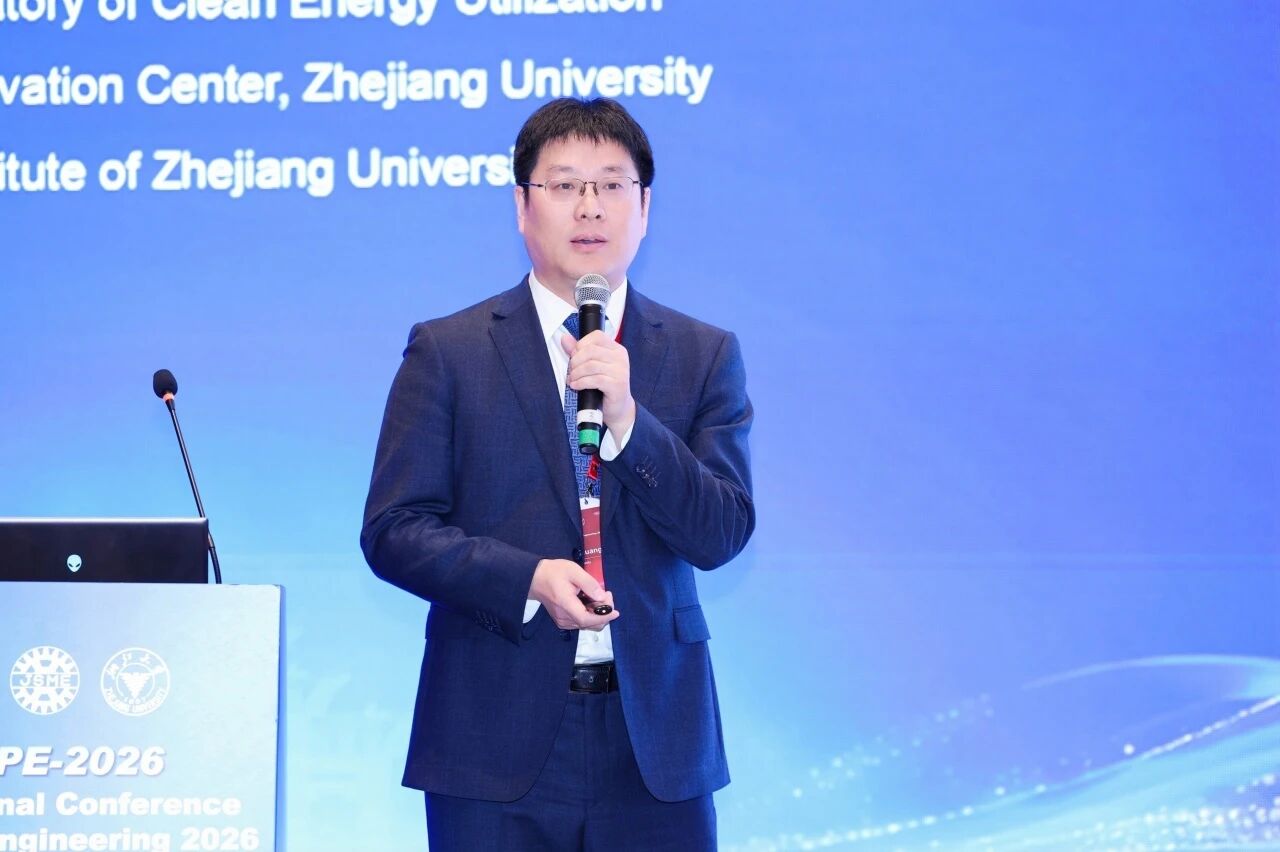
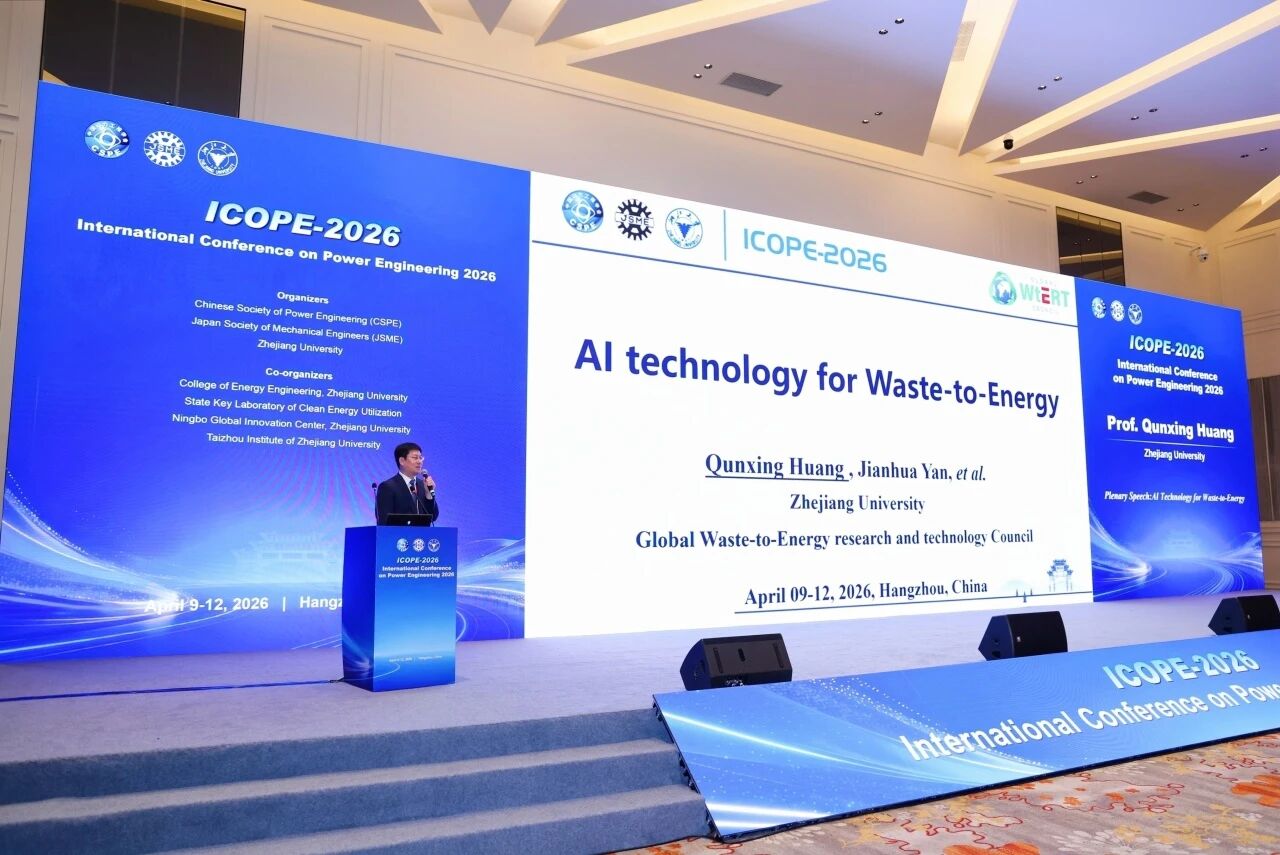
A major highlight of the conference was the keynote contribution of Prof. Huang Qunxing, Professor at Zhejiang University and Executive President of WtERT.
Representing Zhejiang University’s research team on solid waste energy utilization, Prof. Huang delivered a keynote presentation titled: “AI Technology for Waste-to-Energy”
His presentation demonstrated how artificial intelligence is transforming Waste-to-Energy (WtE) systems by:
- Enhancing combustion efficiency and process control
- Enabling real-time diagnostics and optimization
- Improving environmental performance and emissions management
This work reflects the growing role of digitalization in advancing next-generation WtE solutions and aligns closely with WtERT’s global mission to promote best available technologies for sustainable waste management.
Advancing Waste-to-Energy within the Low-Carbon Transition
The conference featured five distinguished keynote speakers addressing cutting-edge topics such as:
- Breakthroughs in decarbonized coal power technologies
- Advances in heat pump systems for climate mitigation
- Valorization of waste biomass for energy and materials
- Innovations in fuel cell performance and water management
Notably, the inclusion of waste-to-energy and waste biomass valorization among the central themes highlights the increasing recognition of WtE as a critical pillar in achieving carbon neutrality and reducing methane emissions from landfills.
Driving Global Collaboration and Innovation
ICOPE-2026 hosted eight parallel technical sessions covering:
- Energy systems and equipment
- Intelligent optimization and diagnostics
- Carbon capture, utilization, and storage (CCUS)
- Renewable energy and storage technologies
- Thermal conversion and emissions control
- Low- and zero-carbon fuels
- Waste-to-energy and resource recovery
Over 200 technical presentations and more than 50 poster sessions created a dynamic environment for academic exchange and interdisciplinary collaboration.
Bridging Research, Industry, and Practice
The conference also included technical visits to leading Chinese energy enterprises, showcasing the integration of research, industry, and real-world applications. These visits highlighted China’s progress in deploying advanced energy technologies at scale, including Waste-to-Energy systems.
A Strong Signal for the Future of Sustainable Energy
The successful organization of ICOPE-2026 underscores the growing global consensus on the need for innovative, integrated solutions to achieve a clean, low-carbon, and efficient energy future.
The contributions of leaders such as Prof. Huang demonstrate how Waste-to-Energy, enhanced by digital technologies like AI, can play a central role in this transition by:
- Reducing landfill dependency
- Cutting methane emissions
- Recovering energy and materials from non-recyclable waste

Welcome to SOFOS: A Comprehensive Online Database
Managed by WtERT® and the Earth Engineering Center at Columbia University, SOFOS is a vast collection of research dedicated to the advancement of sustainable waste management that promotes knowledge sharing through numerous publications, dissertations, and studies.
Reinforce Your Knowledge by exploring our database. Enter your search inquiry below: