China’s Shenzhen Energy to Build Addis Ababa’s Second Waste-to-Energy Plant at Koshe
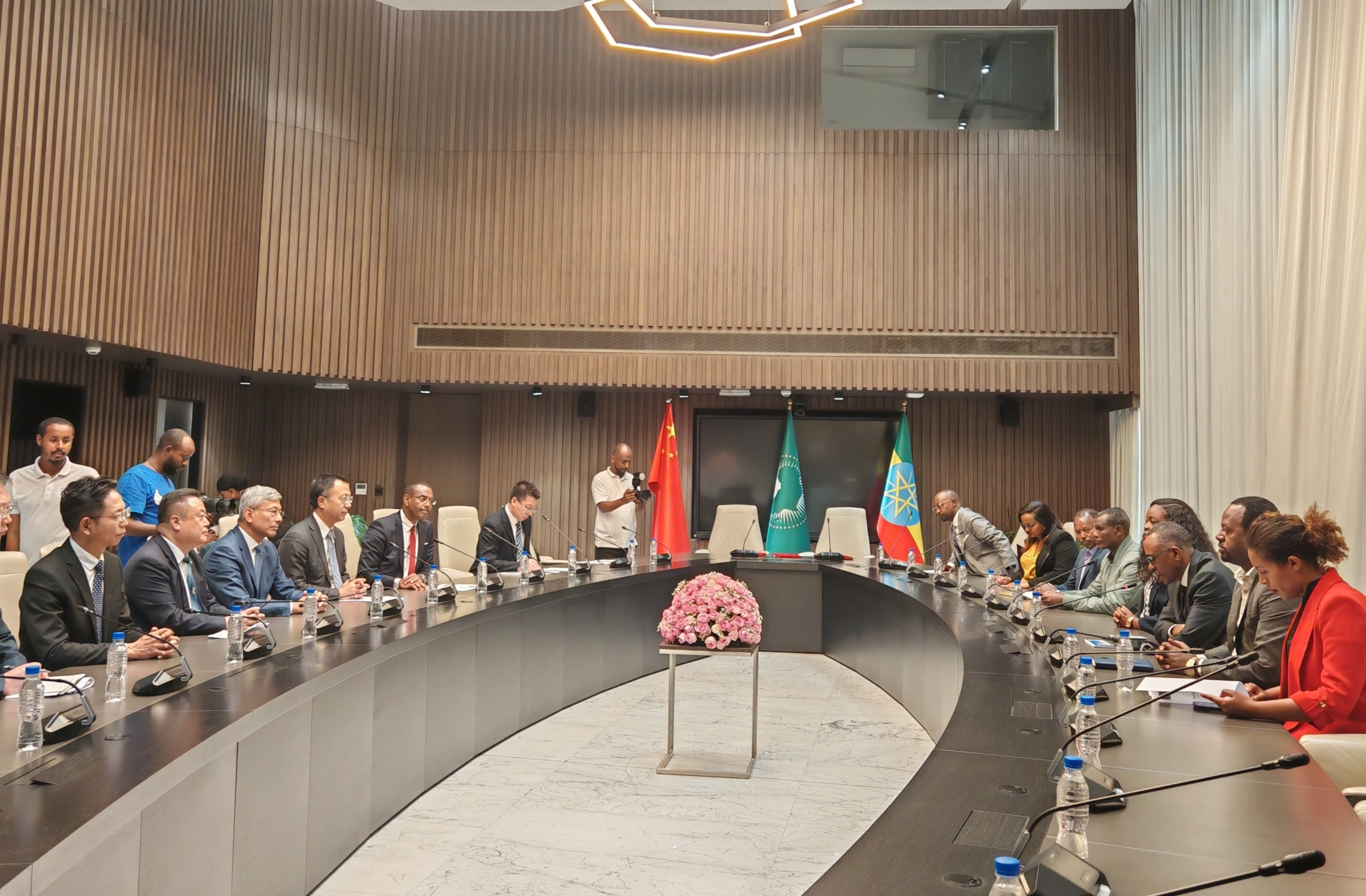
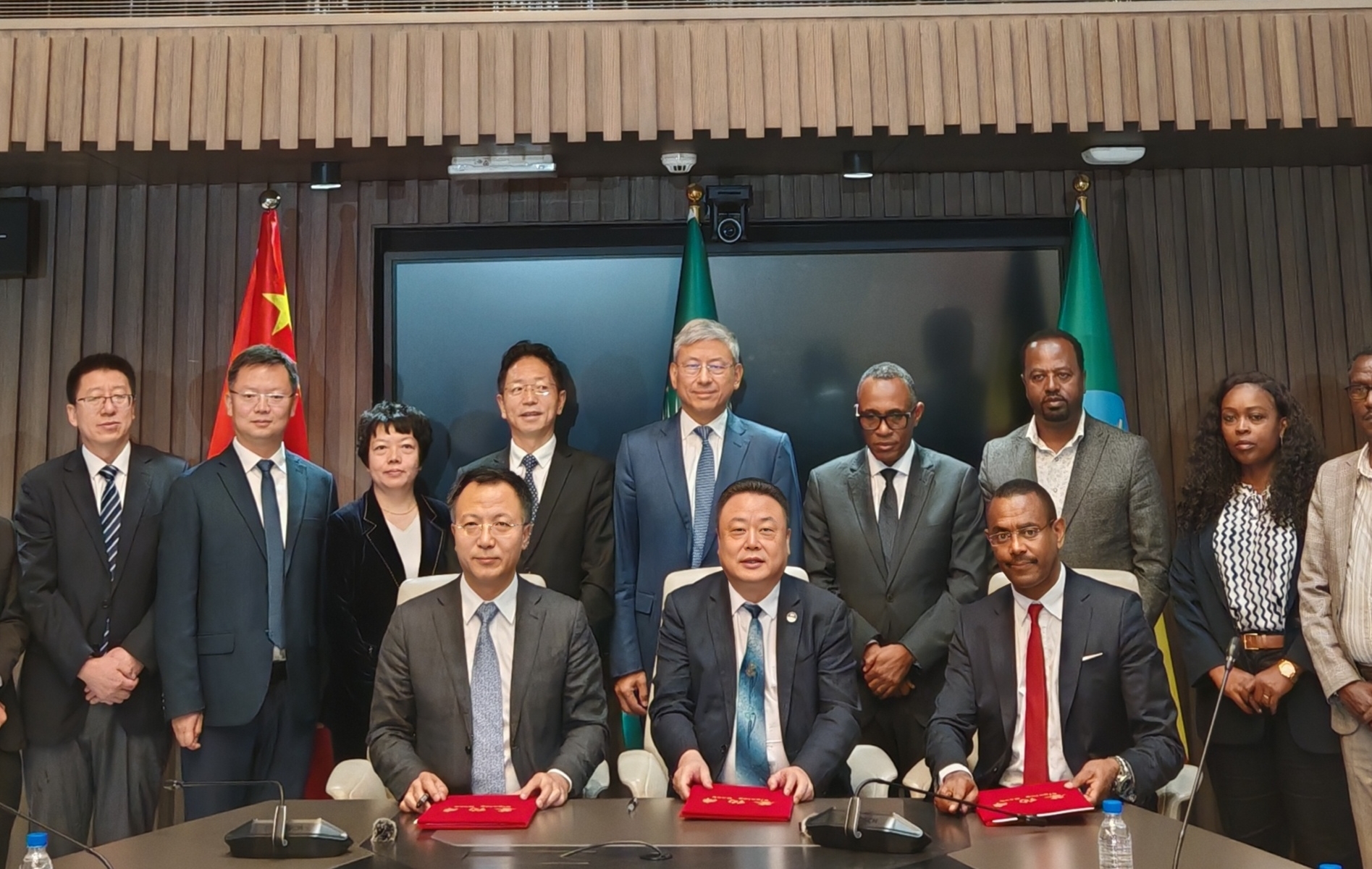
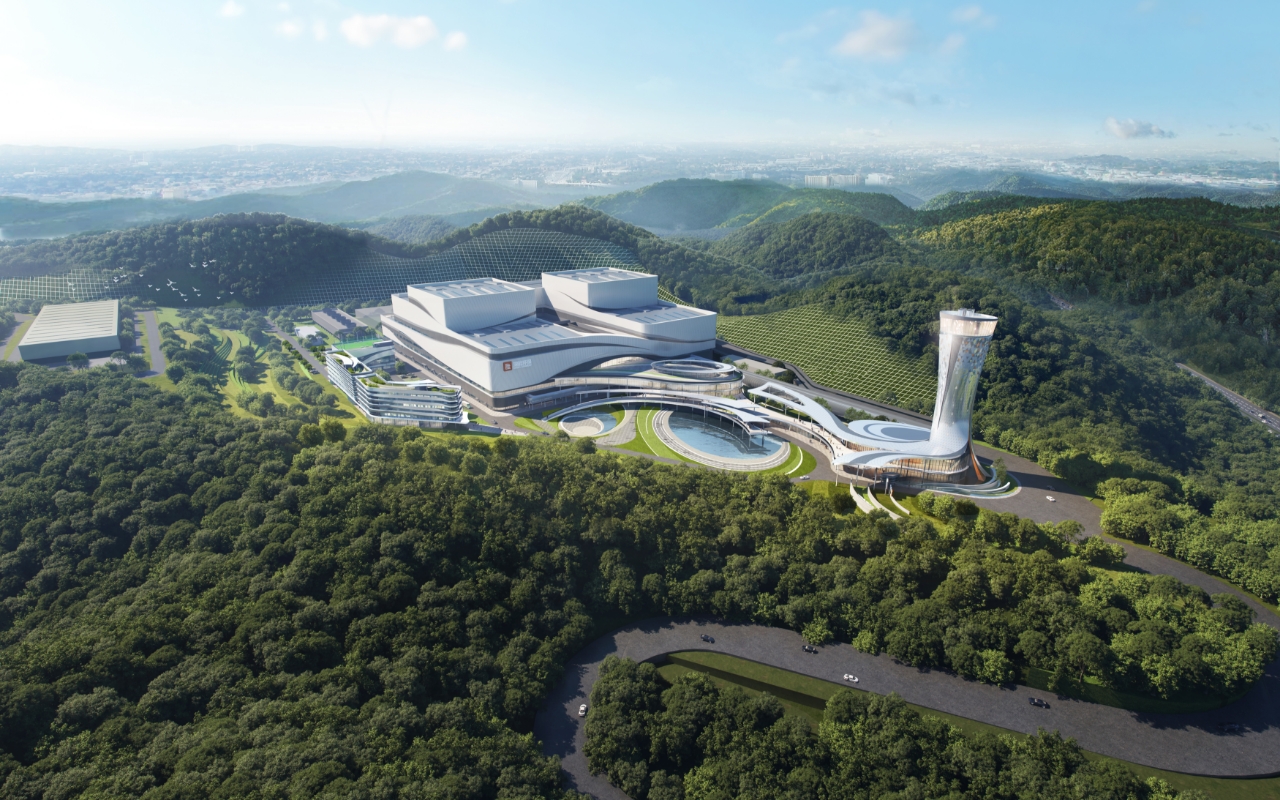
Ethiopia’s capital is preparing to add a second waste-to-energy (WtE) facility to the Koshe site, home to Africa’s first WtE plant, Reppie. The agreement, signed on April 24, 2025, brings together the Addis Ababa City Administration, China Electric Engineering Co., Ltd., and Shenzhen Energy Group; one of the world’s most experienced WtE operators; to build a new Waste-to-Energy power facility with a planned daily processing capacity of 1,200 tonnes, according to the signing ceremony notice published by the Chinese Embassy in Ethiopia.
The ceremony was attended by Addis Ababa Vice Mayor Wendimu Seta; Zhao Hui, chairman of China Electric Engineering Co., Ltd.; Li Yingfeng, chairman of Shenzhen Energy Group; and Chinese Ambassador to Ethiopia Chen Hai. Ambassador Chen congratulated the parties on the signing and praised Addis Ababa’s achievements in urban development, describing the city as Africa’s political capital and a regional transport hub with close ties to Chinese cities. He said China is willing to deepen the exchange of governance experience with Addis Ababa on urbanization and industrialization. Ambassador Chen also discussed further cooperation on Addis Ababa’s upcoming development projects with Vice Mayor Wendimu, suggesting the WtE deal is part of a broader urban-infrastructure partnership between the two countries.
Building on Lessons from Reppie
Koshe has served as Addis Ababa’s only municipal landfill for more than 50 years, and the city’s first WtE plant, Reppie, opened there in 2018 as Africa’s pioneering facility, with a design capacity of 1,400 tonnes of waste per day and 185 GWh of annual power generation.
A 2024 technical assessment carried out under a solid waste management advisory project of the Japan International Cooperation Agency (JICA), working with the Addis Ababa Cleansing Management Agency, offers a detailed picture of how Reppie has performed since then, and points to operations and maintenance, rather than the underlying combustion technology, as the central constraint. The report found that heavy landfill and plant equipment suffered frequent breakdowns due to a shortage of spare parts and limited local technical capacity to maintain machinery, and noted that one of Reppie’s two combustion lines was out of service pending replacement parts. A separate evaluation of the project similarly pointed to gaps in long-term financing, coordination between the plant’s owner and the city, and local operator training as the factors that most affected the plant’s ability to sustain performance over time. Recognizing this gap, Ethiopia and international partners, including Japan’s JICA, have since worked on capacity-building and technical training programs for the city’s waste management workforce.
The Koshe site’s household waste also carries a naturally high moisture and organic content, a feedstock characteristic that any WtE facility serving the city needs to plan around at the design stage, a solvable engineering consideration rather than a flaw in incineration technology itself, which remains a proven, internationally established method for both energy recovery and landfill reduction.
Those lessons that sound O&M practices, sustained investment in maintenance and spare parts, and a well-trained local workforce are what make a WtE facility perform reliably over decades, are central to how the new Koshe project is being positioned.
Shenzhen Energy: A World-Leading WtE Developer
Shenzhen Energy Group brings substantial operating depth to the Koshe project. The company runs one of the world’s largest single WtE facilities, the Shenzhen East (Energy Ring) plant, which processes roughly 5,000 to 5,600 tonnes of municipal waste per day (more than three times Reppie’s design capacity) while meeting emissions standards that exceed both Chinese national limits and EU directives. China as a whole now operates the largest installed base of WtE capacity in the world, and Shenzhen Energy has been at the center of that build-out, developing deep engineering and operational expertise across large-scale combustion systems, grid integration, emissions control, and critically, the long-term maintenance and workforce systems that keep large WtE plants running at design capacity.
That operating track record is central to how Ethiopian and Chinese officials are framing the new Koshe project: a facility built on proven combustion technology, delivered by a developer with a demonstrated ability to keep large-scale WtE plants performing reliably over the long run. Shenzhen Energy Environment Co., Ltd. (SEE), the waste-to-energy subsidiary of Shenzhen Energy Group that operates the company’s incineration business, is listed among the industry and technology partners of WtERT, reflecting its standing within the global network of operators and researchers that WtERT works with to advance best-available WtE practices.
WtERT’s Role in Advancing Global WtE Knowledge
The Global Waste-to-Energy Research and Technology Council (WtERT), hosted at the Earth Engineering Center of Columbia University and Zhejiang University’s College of Energy Engineering, has spent close to two decades building the technical knowledge base that underpins projects like Koshe’s. WtERT’s international network spanning more than 30 countries, studies combustion performance, feedstock characterization, and emissions control across WtE facilities worldwide, and has documented China’s emergence as the global leader in WtE deployment, including the engineering advances embodied in large-scale plants such as Shenzhen Energy’s.
As Addis Ababa moves forward with its second WtE facility, that body of research on matching plant design to local waste composition, on combustion efficiency, and on the O&M and workforce-training practices that separate high-performing WtE plants from underperforming ones, offers a relevant technical reference point for the project’s design and implementation. WtERT will continue to monitor the Koshe project as it develops and share updates via its website and social media platforms as more technical and financing details become available.
Sources: Embassy of the People’s Republic of China in the Federal Democratic Republic of Ethiopia, “Ambassador Chen Hai attended the signing ceremony of the Addis Ababa waste-to-energy project,” April 24, 2025;
Japan International Cooperation Agency (JICA), “Solid Waste Management Advisor for Addis Ababa City — Project Completion Report,” April 2024;
Global Waste-to-Energy Research and Technology Council (WtERT).