Overview
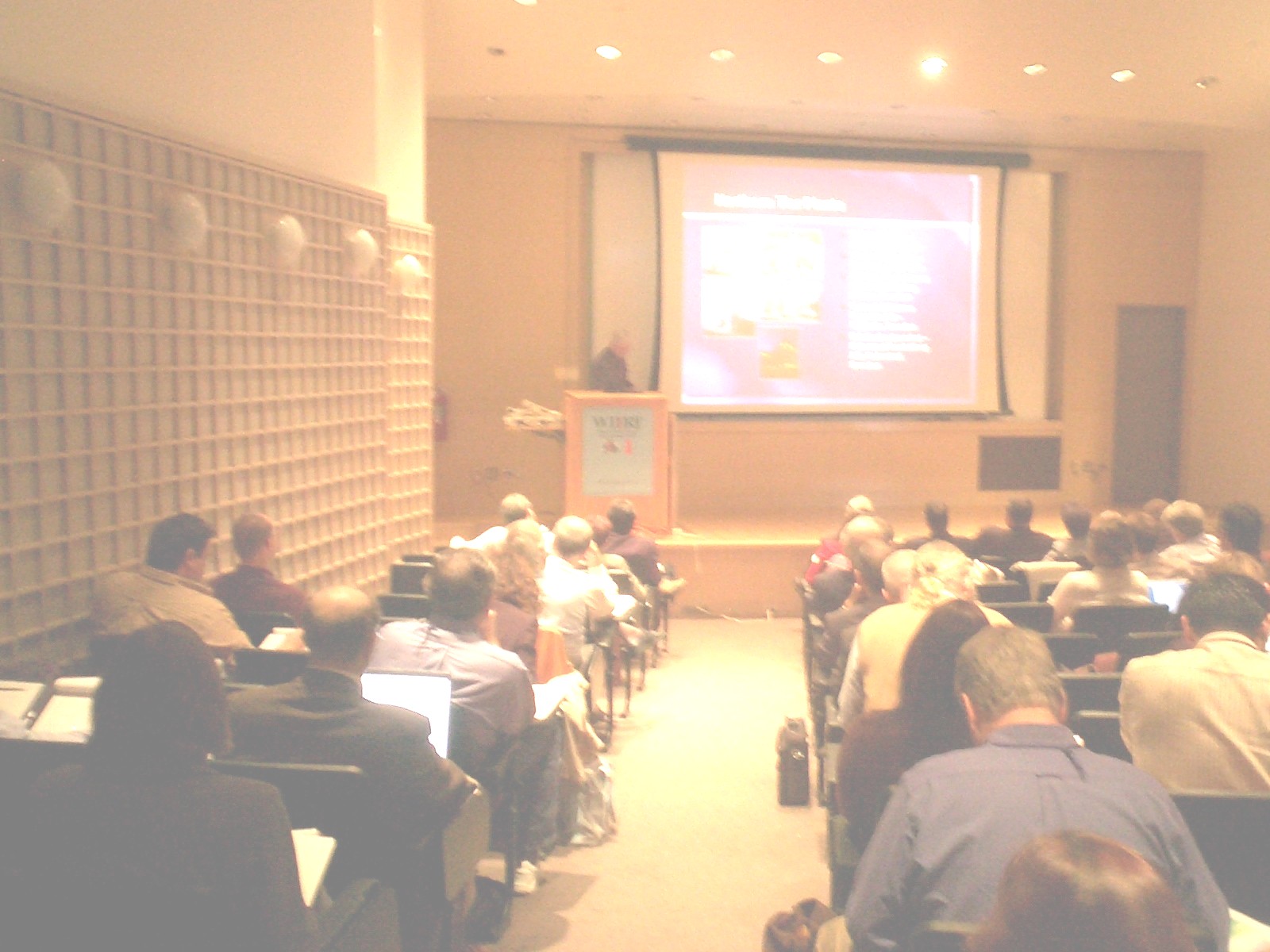
The Waste-to-Energy Research and Technology Council (WtERT) hosted its 2006 Annual Meeting at Columbia University in the City of New York. It brought together leading researchers, industry experts, and policymakers to advance the development of sustainable waste-to-energy (WtE) technologies. Building on the success of the 2005 conference, this meeting strengthened global collaboration and contributed to shaping the scientific and technical foundations of modern WtE systems. There were 16 presentations and 12 posters in the meeting. The WtERT 2006 Education Award was presented to Prof. Paul H. Brunner of the Technical University of Vienna. The ASM Brescia (Italy) plant received the 2006 WtERT Industry Award to one of the world’s best WTE facilities.
Objective:
- Promote best available technologies (BAT) in waste-to-energy
- Share research and operational experience
- Foster collaboration between academia, industry, and governments
Context:
The 2006 meeting marked an early milestone in the expansion of WtERT as a global academic network, reinforcing its role as a bridge between science and implementation.
WtERT greatly appreciates all the speakers and participants for their contribution to the 2006 WtERT Meeting.
Speakers & Presentations
Keynote & Opening
- Prof. Nickolas J. Themelis, Director, Earth Engineering Center, Columbia University – “Welcome and Introduction”
- Prof. Paul H. Brunner, Vienna University of Technology – “Thermal Treatment – An Essential Element of Sustainable Waste Treatment”
Session 1 | Chair: Ted Michaels (IWSA)
- Prof. Morton A. Barlaz, North Carolina State University – “Release of Trace Organic Compounds During MSW Decomposition and Environmental Implications of Waste Management Using Landfills and Waste-to-Energy”
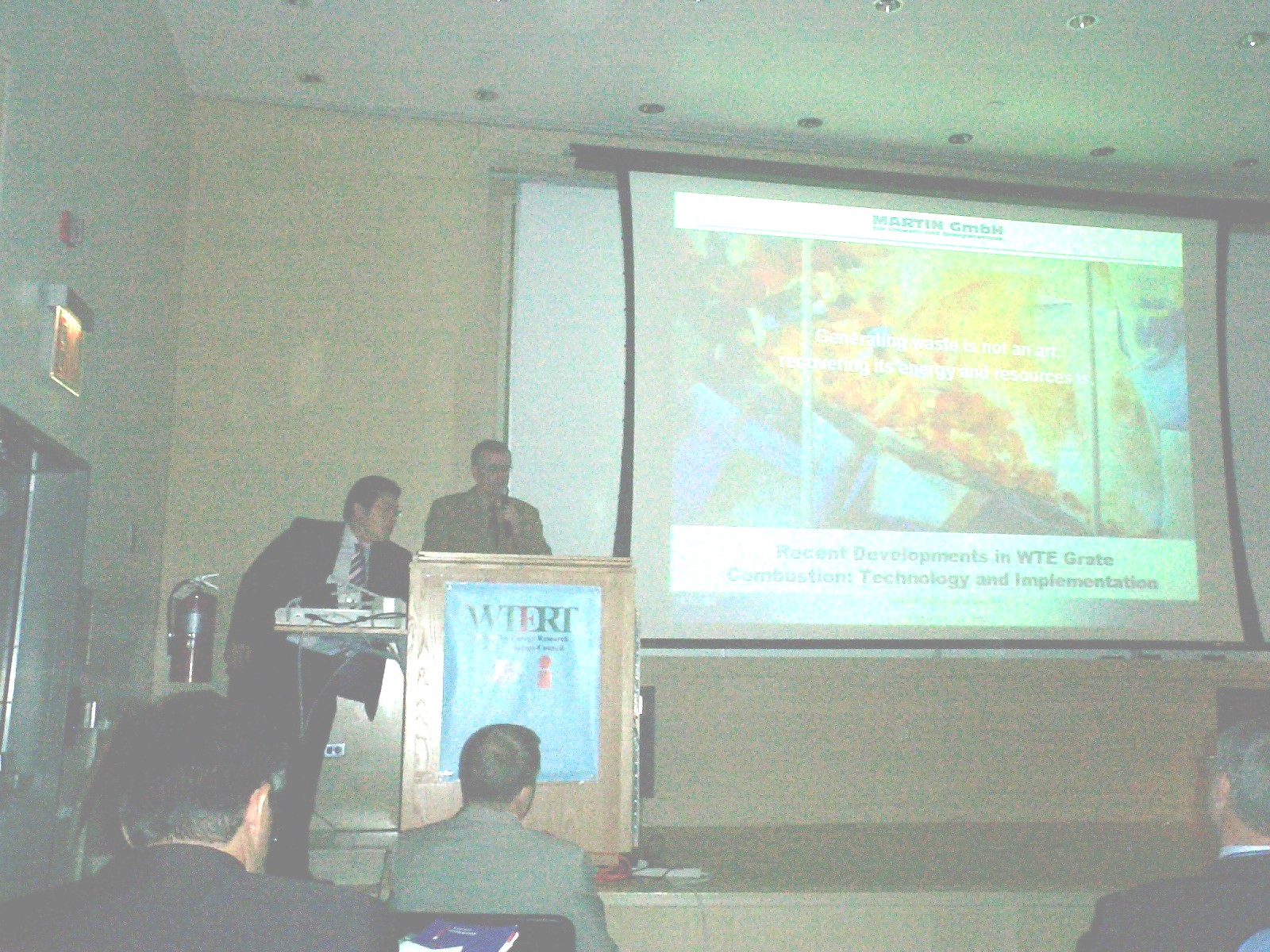
- Dr. Edmund Fleck, Managing Director, Martin GmbH; Chairman, ESWET – “Recent Developments in WTE Grate Combustion (‘Mass Burn’): Technology and Implementation”
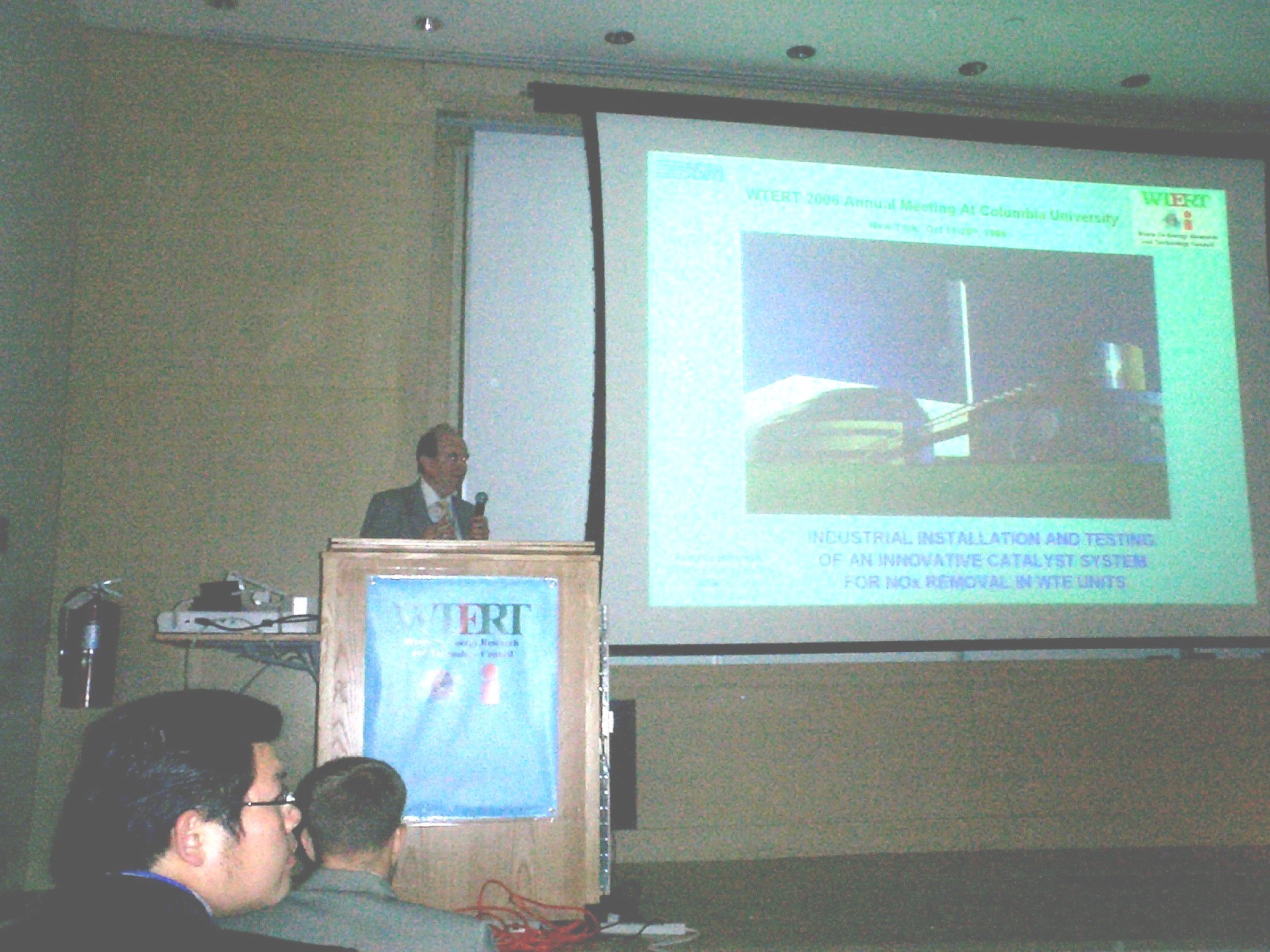
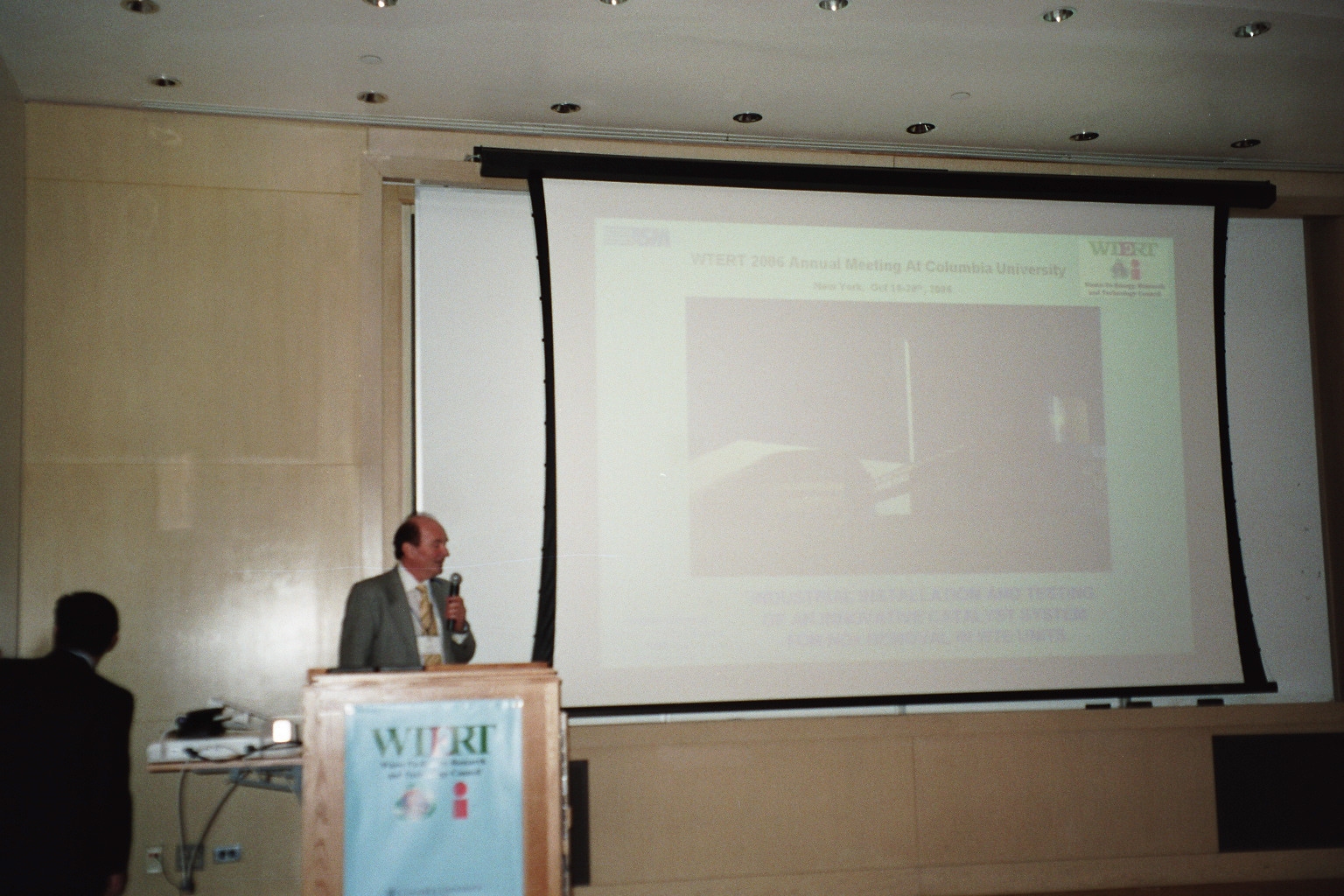
- Dr. Antonio Bonomo, ASM Brescia; President, Euroheat & Power – “Industrial Installation and Testing of an Innovative Catalyst System for NOx Removal in WTE Units”
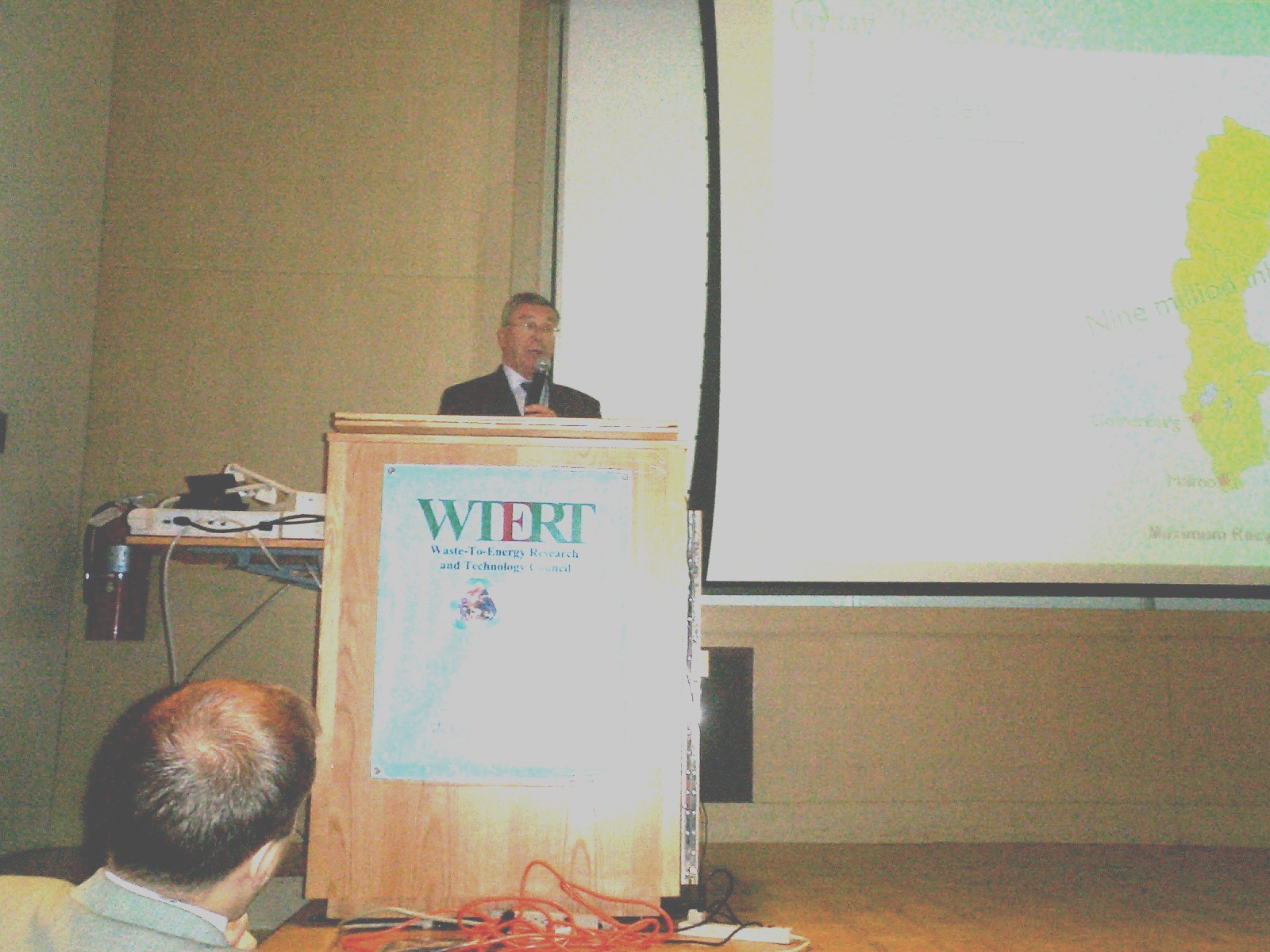
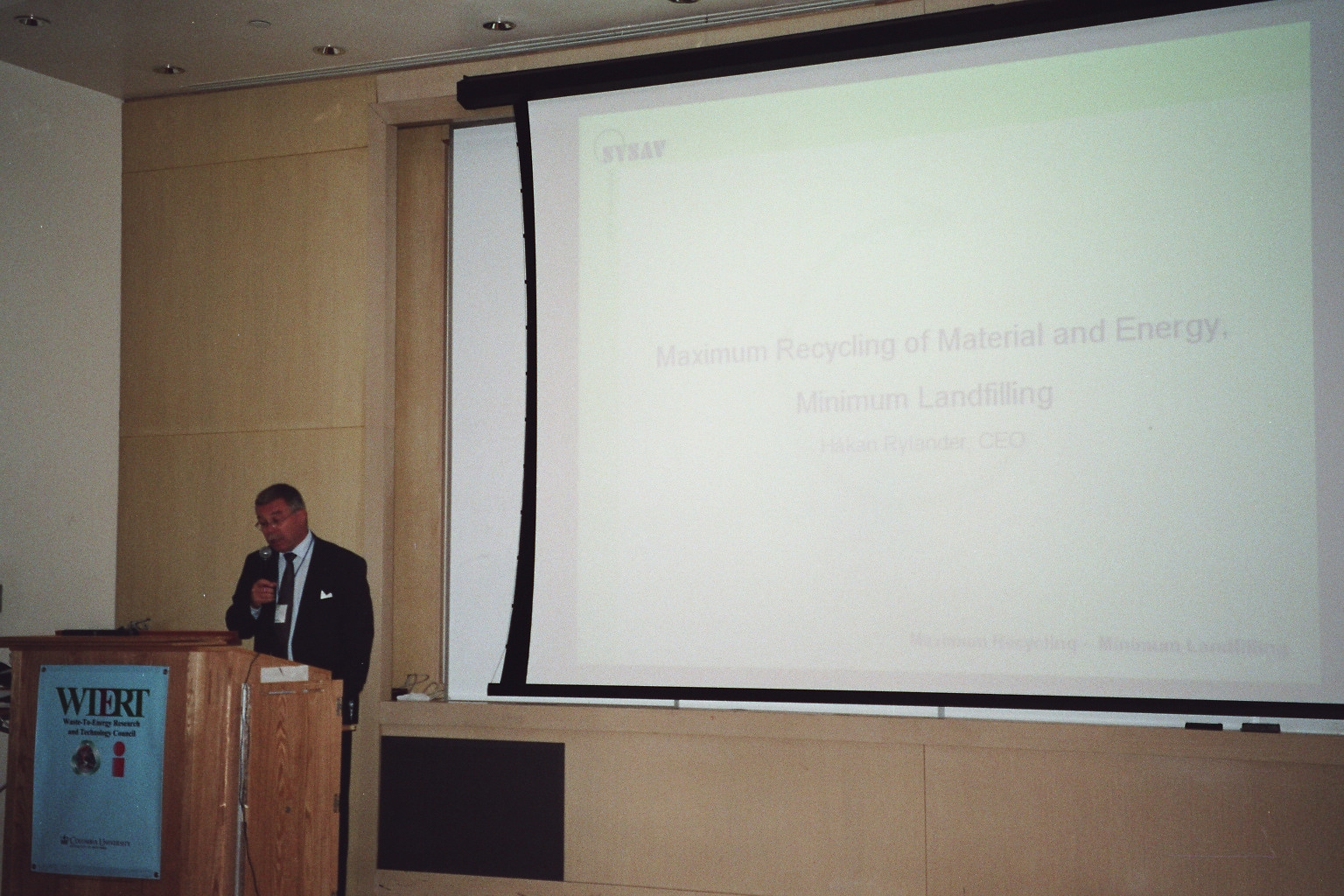
- Mr. Hakan Rylander, CEO, SYSAV Malmö; Former President, ISWA – “Maximum Recycling of Materials and Energy, Minimum Landfilling”
Session 2 | Chair: Prof. Marco Castaldi, Columbia University
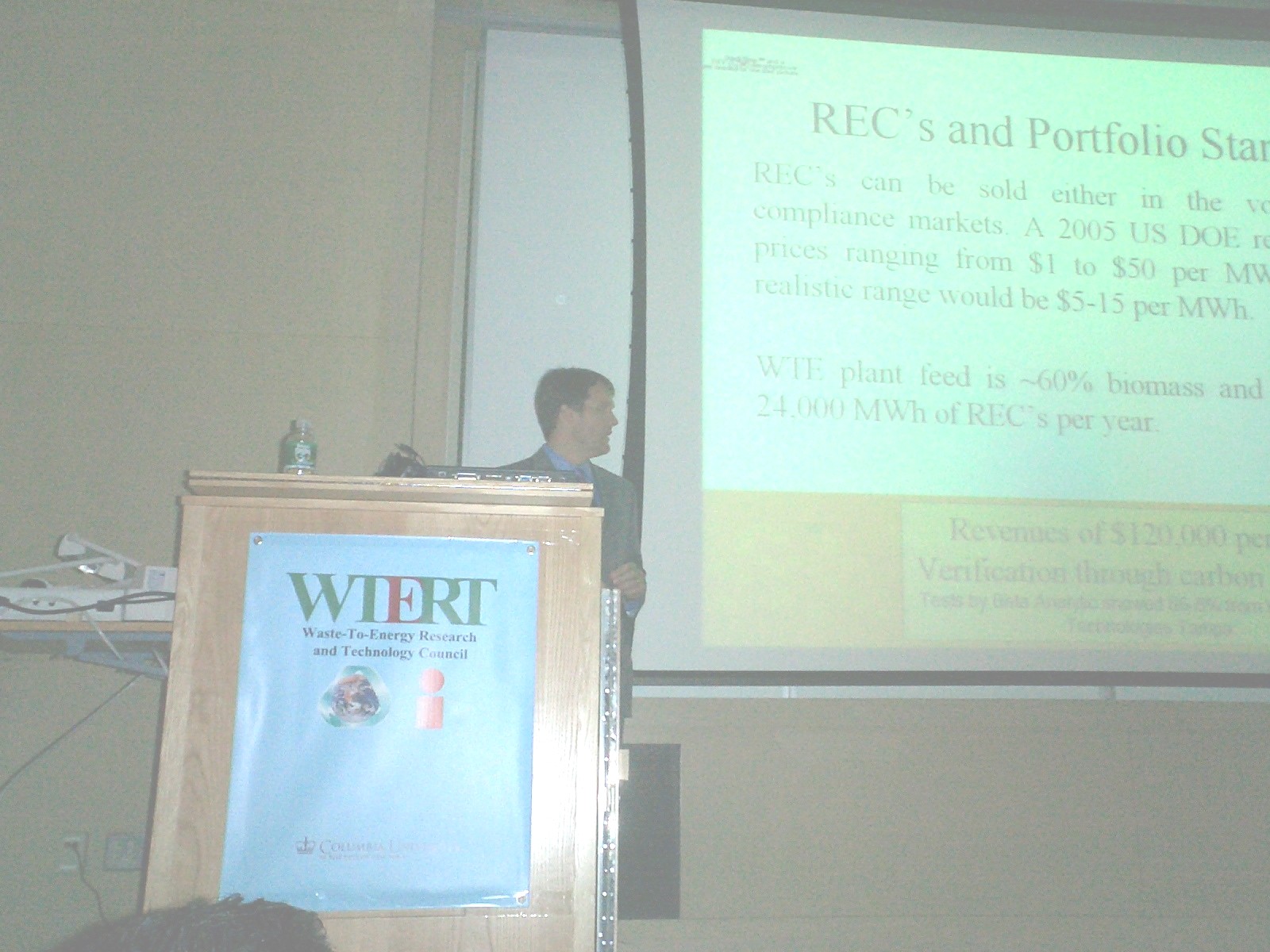
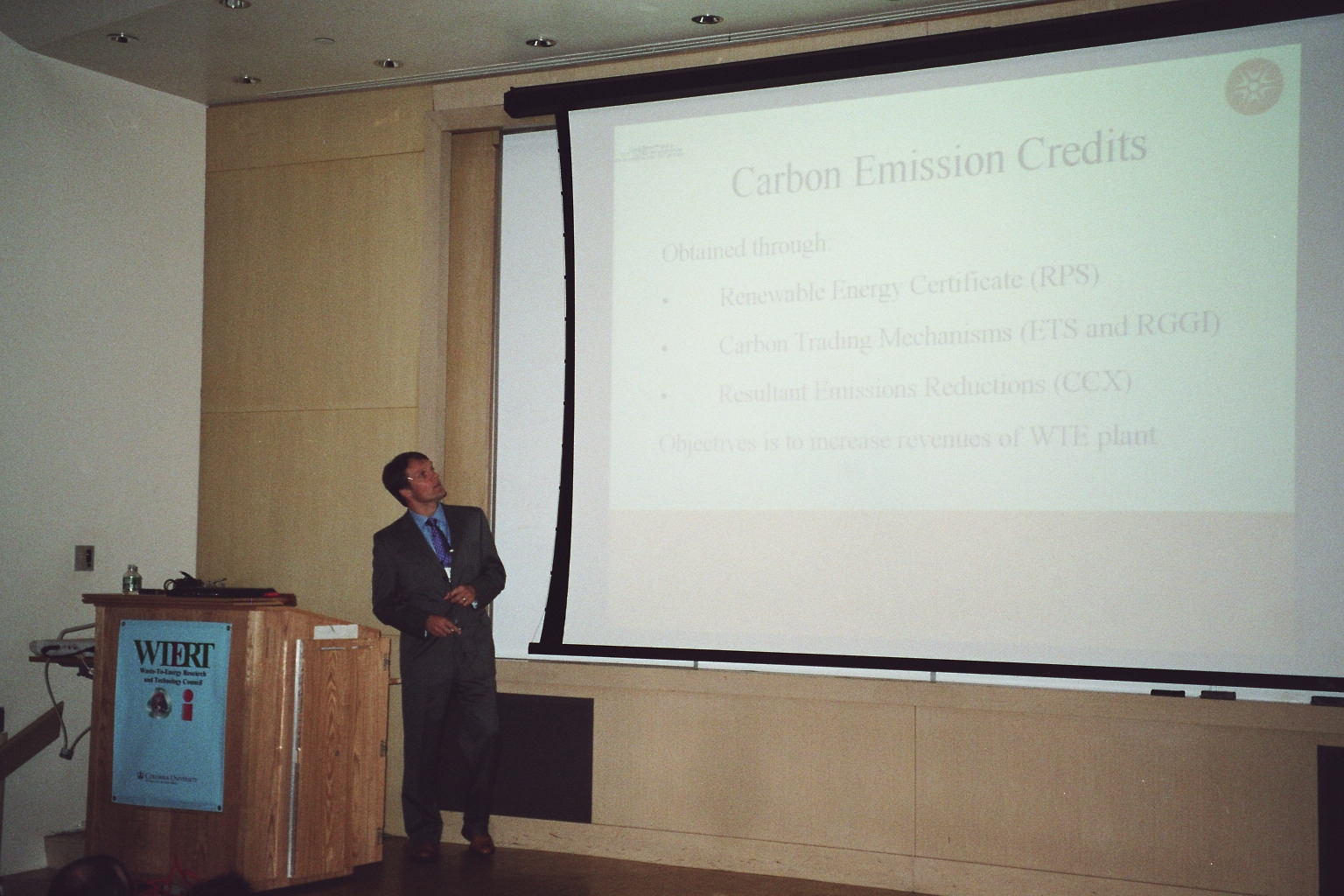
- Dr. Frank Zeman, Lenfest Sustainable Energy Center, Earth Institute at Columbia University. – “WTE Carbon Emission Credits: Now and Opportunities for the Future”
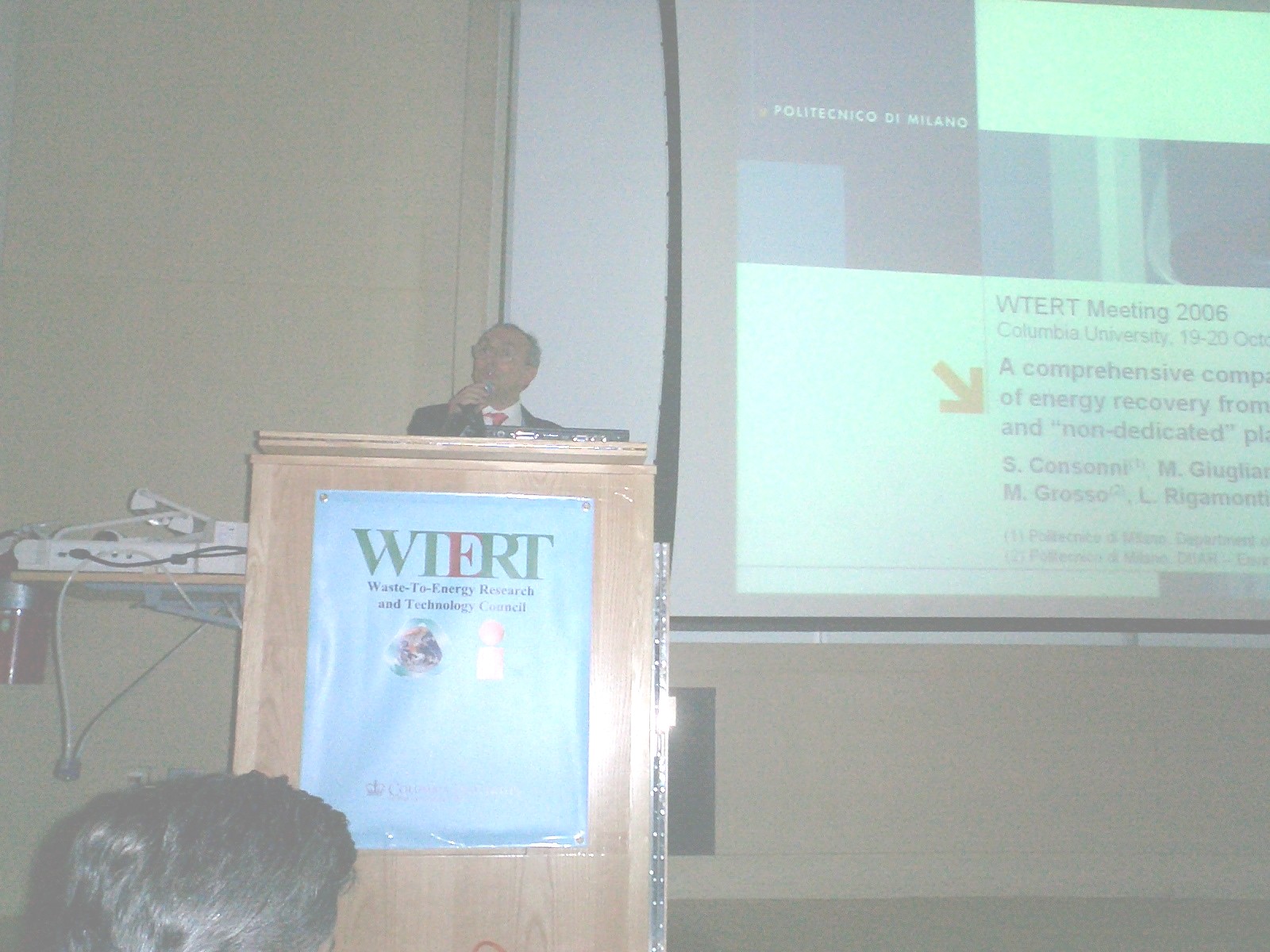
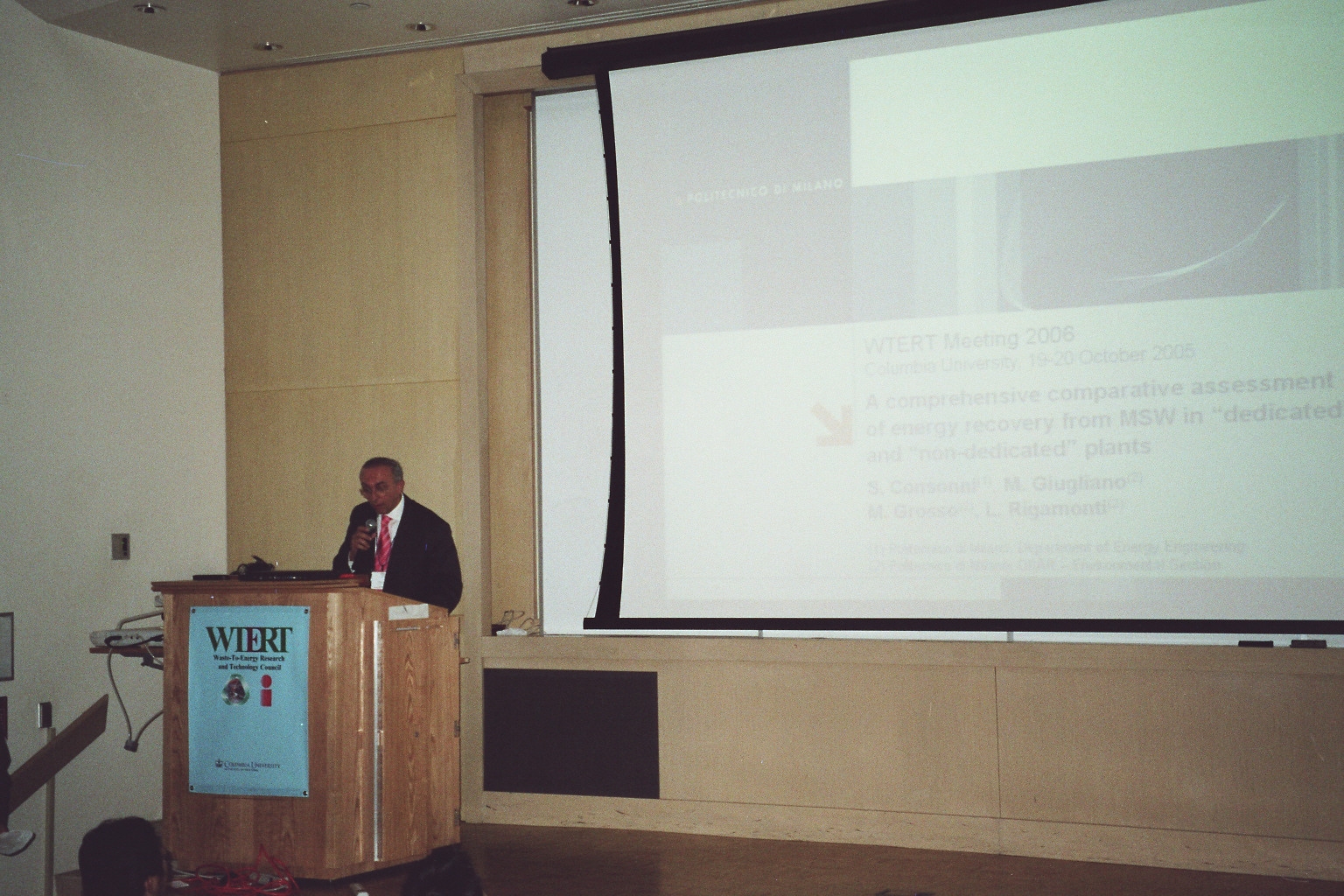
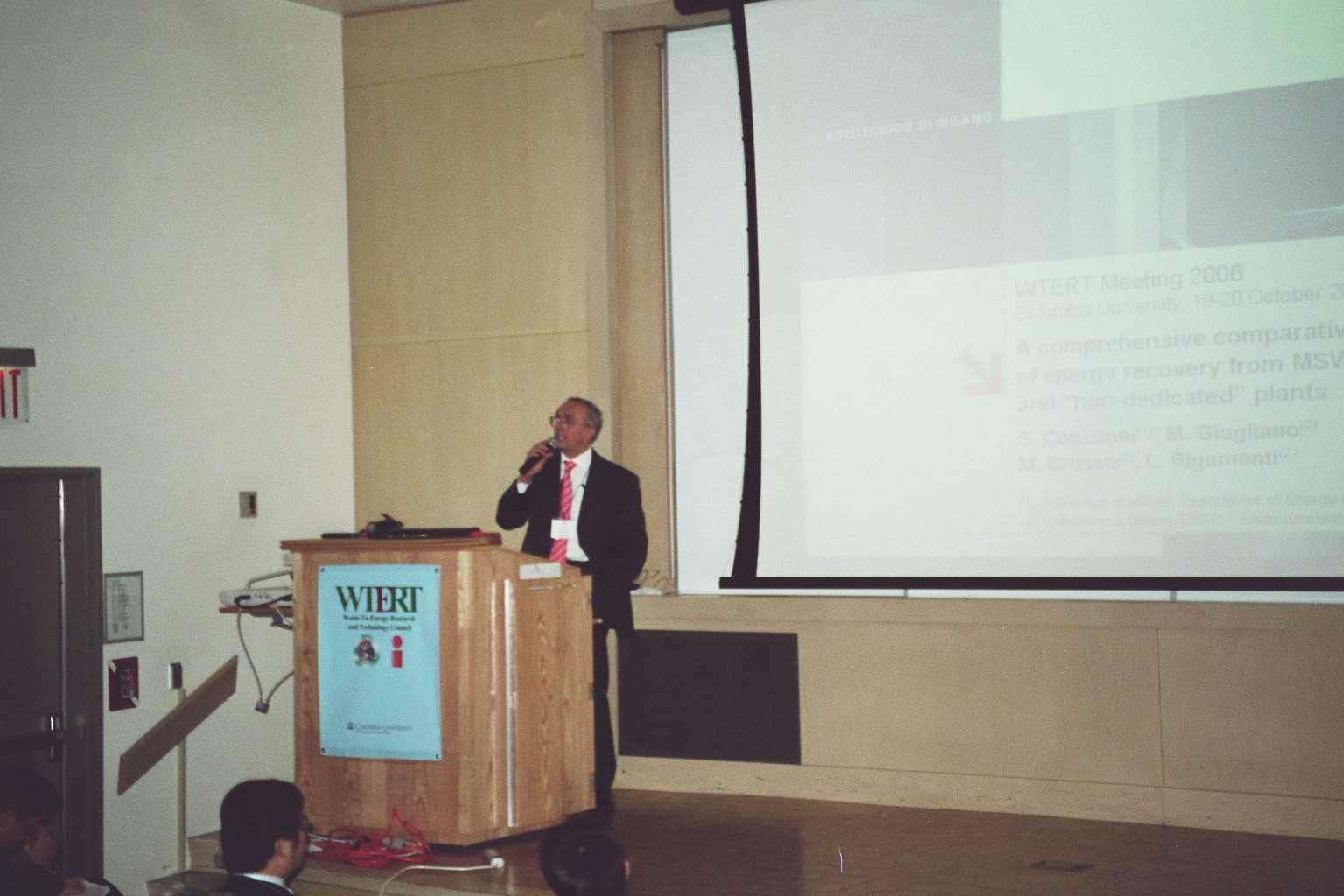
- Prof. Stefano Consonni, Dep’t of Energy Engineering and DIIAR – Environmental Section of Politecnico di Milano – “Comprehensive Comparison of Energy Recovery from MSW in “Dedicated” WTEs and RDF in “Non-Dedicated” Cement Kilns and Power Plants”
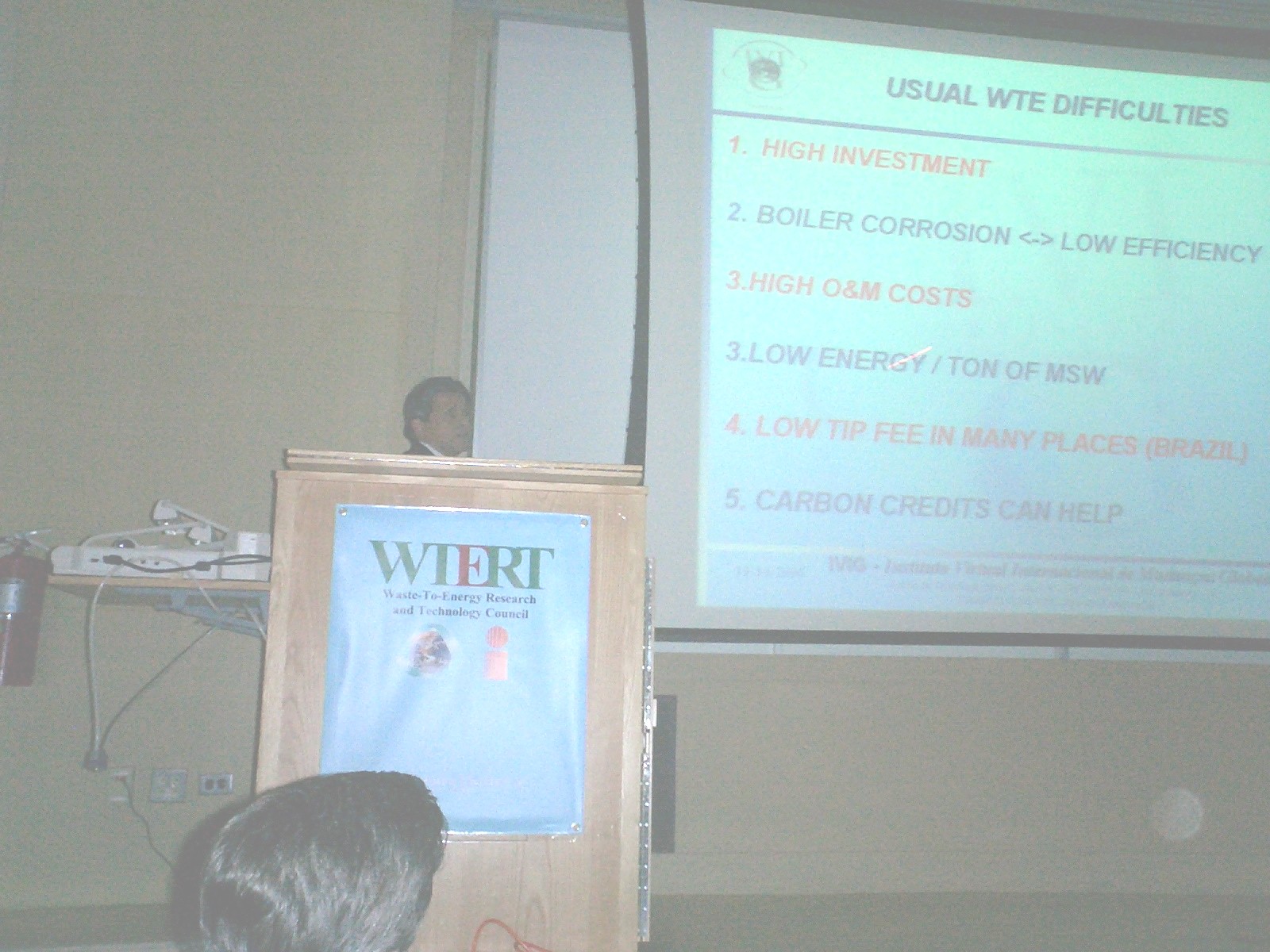
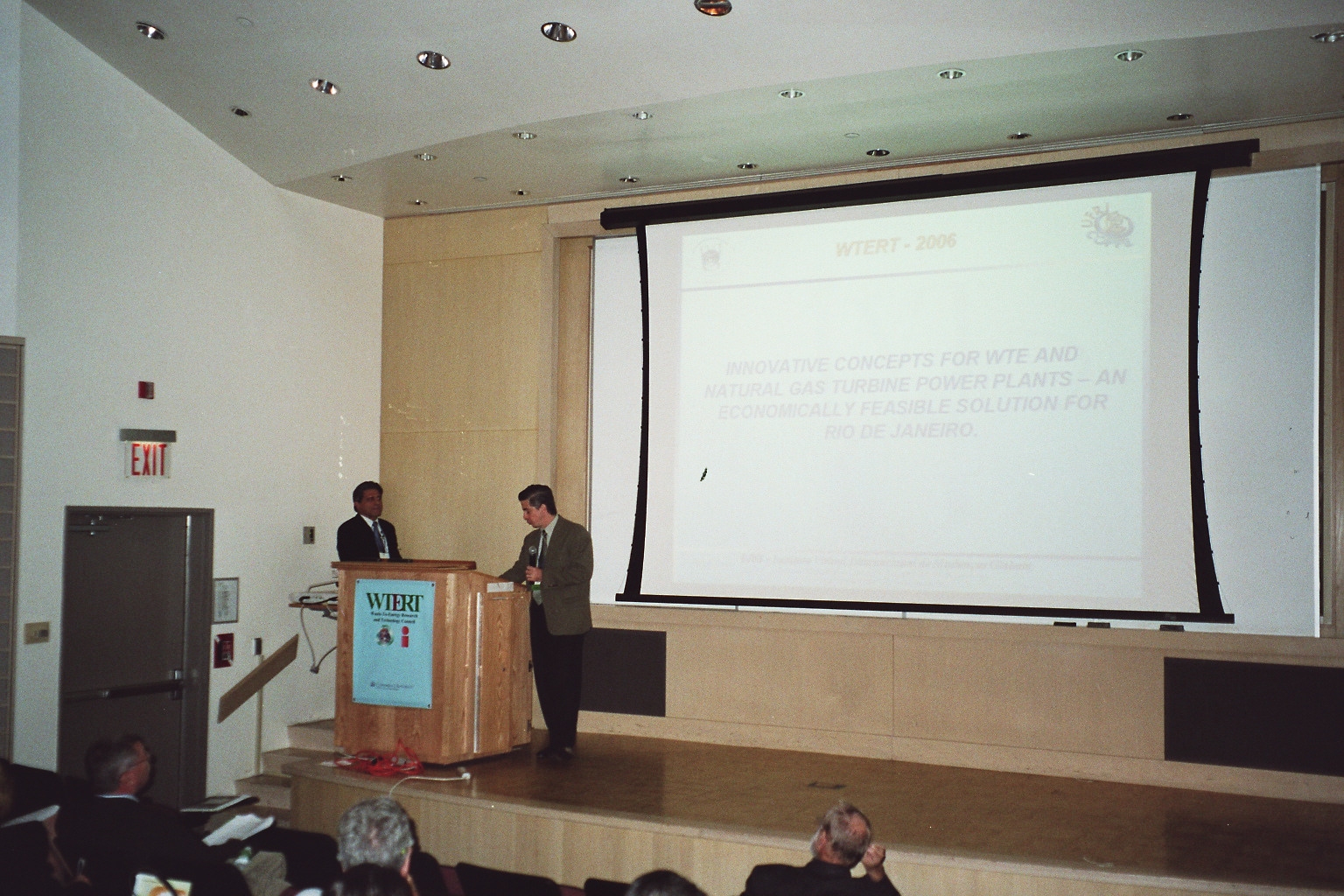
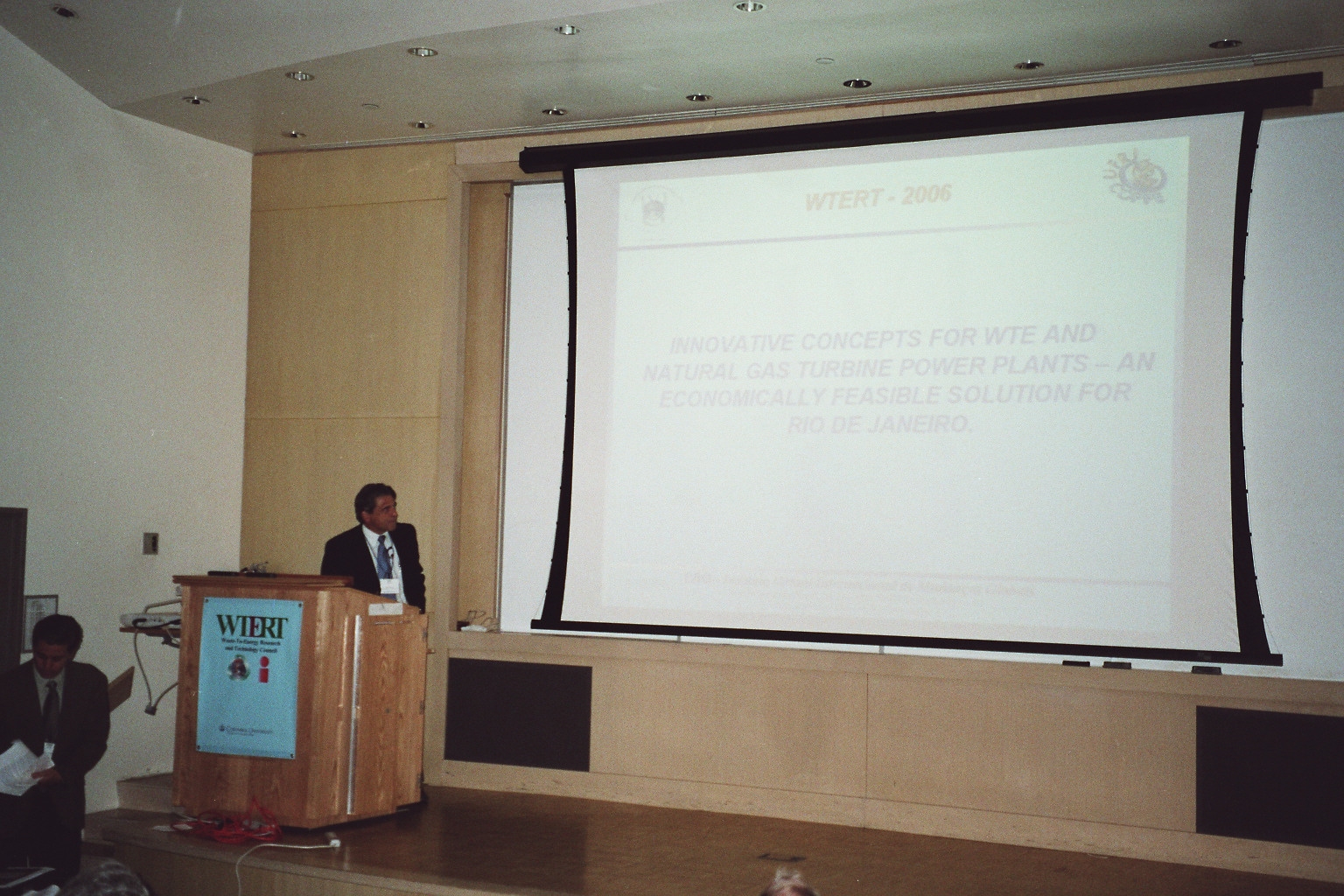
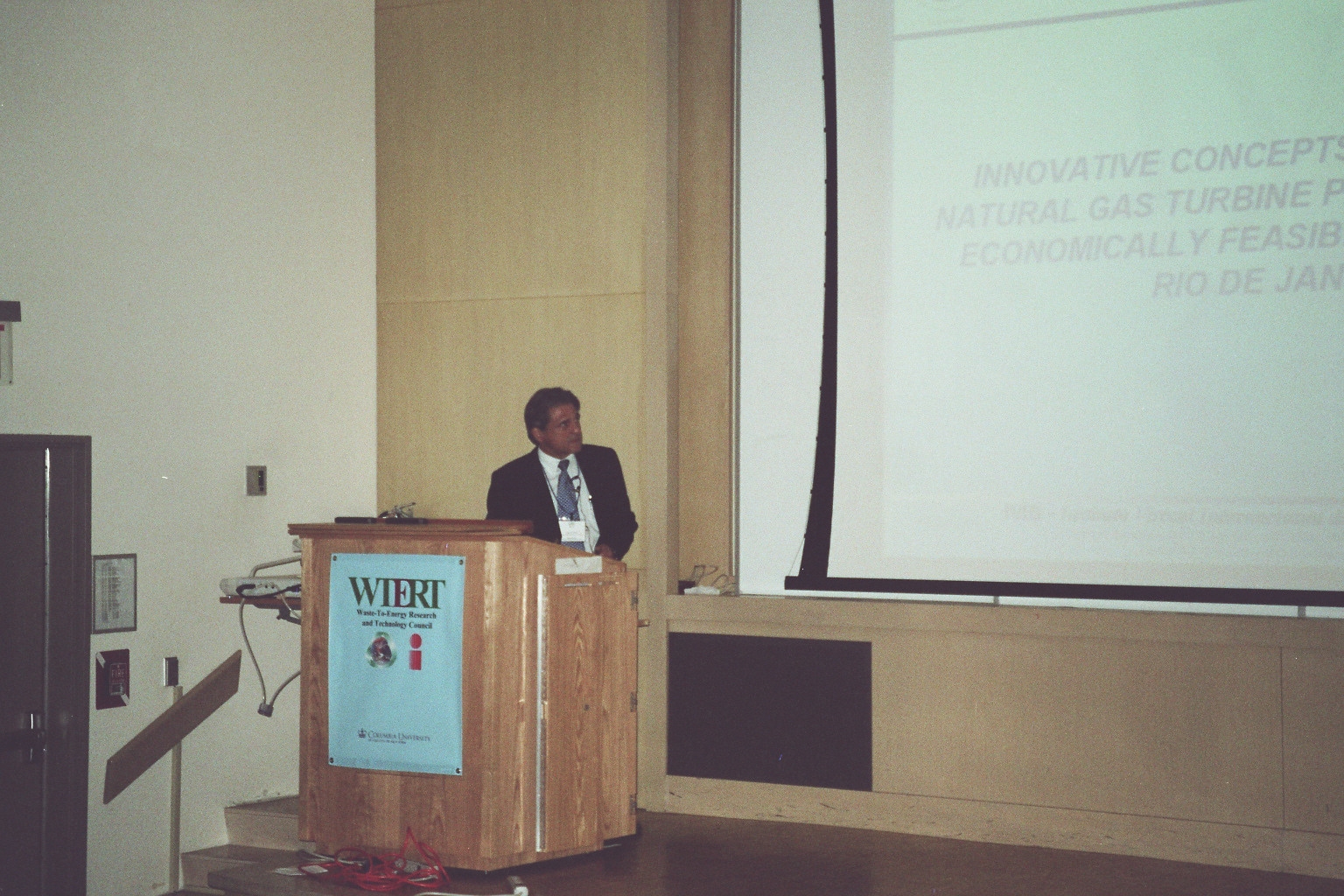
- Dr. Sergio Guerreiro, University of Brazil and Petrobras Distribuidora – “Innovative Concepts for Combining WTE and Natural Gas Turbine Power Plants – An Economically Feasible Solution for Rio de Janeiro”
Session 3 | Chair: Mr. Steve Goff, Director, Process Engineering, Covanta Energy Corp
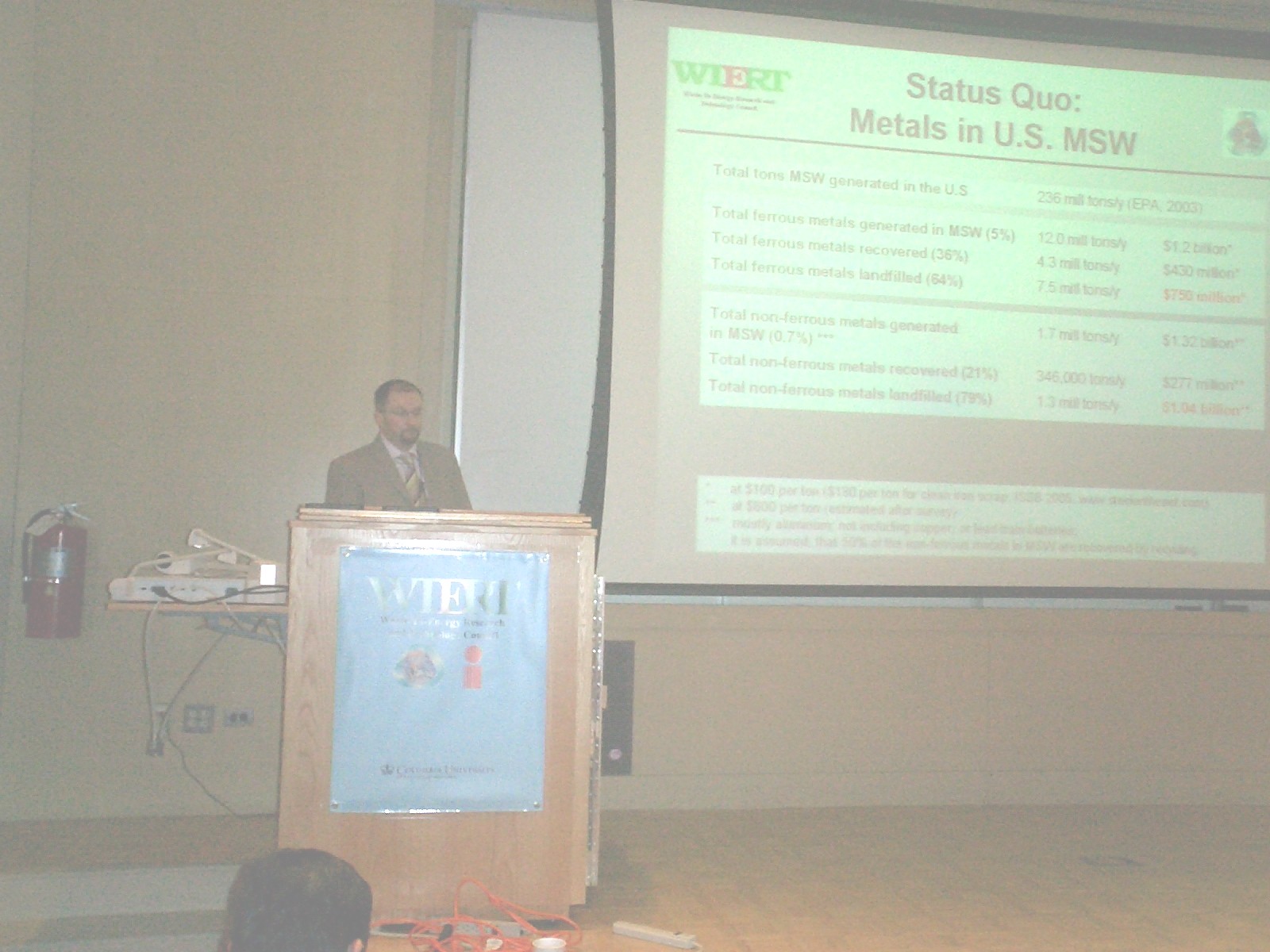
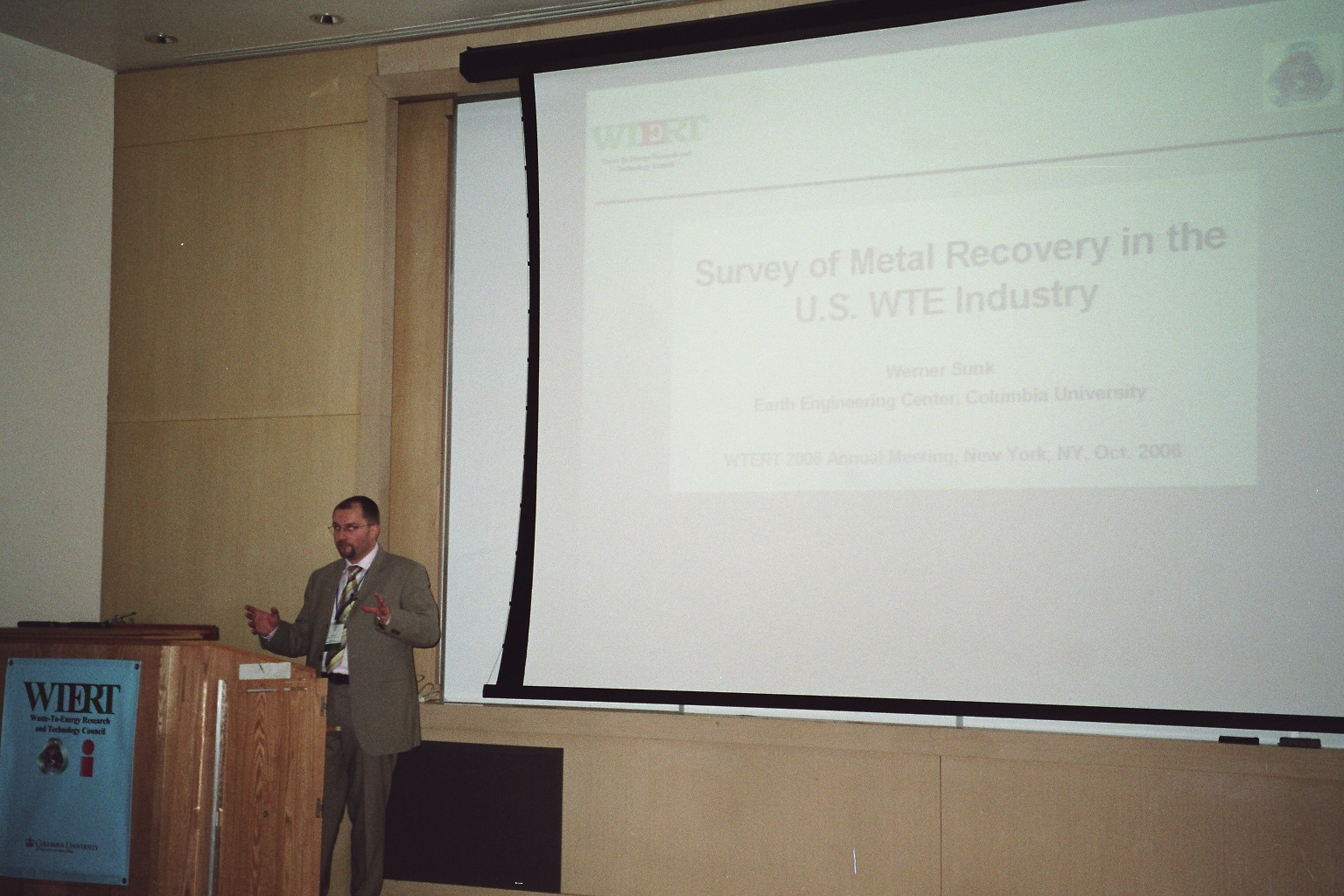
- Mr. Werner Sunk, WTERT/Earth Engineering Center – “WTERT Project for Increasing WTE Metal Recovery”
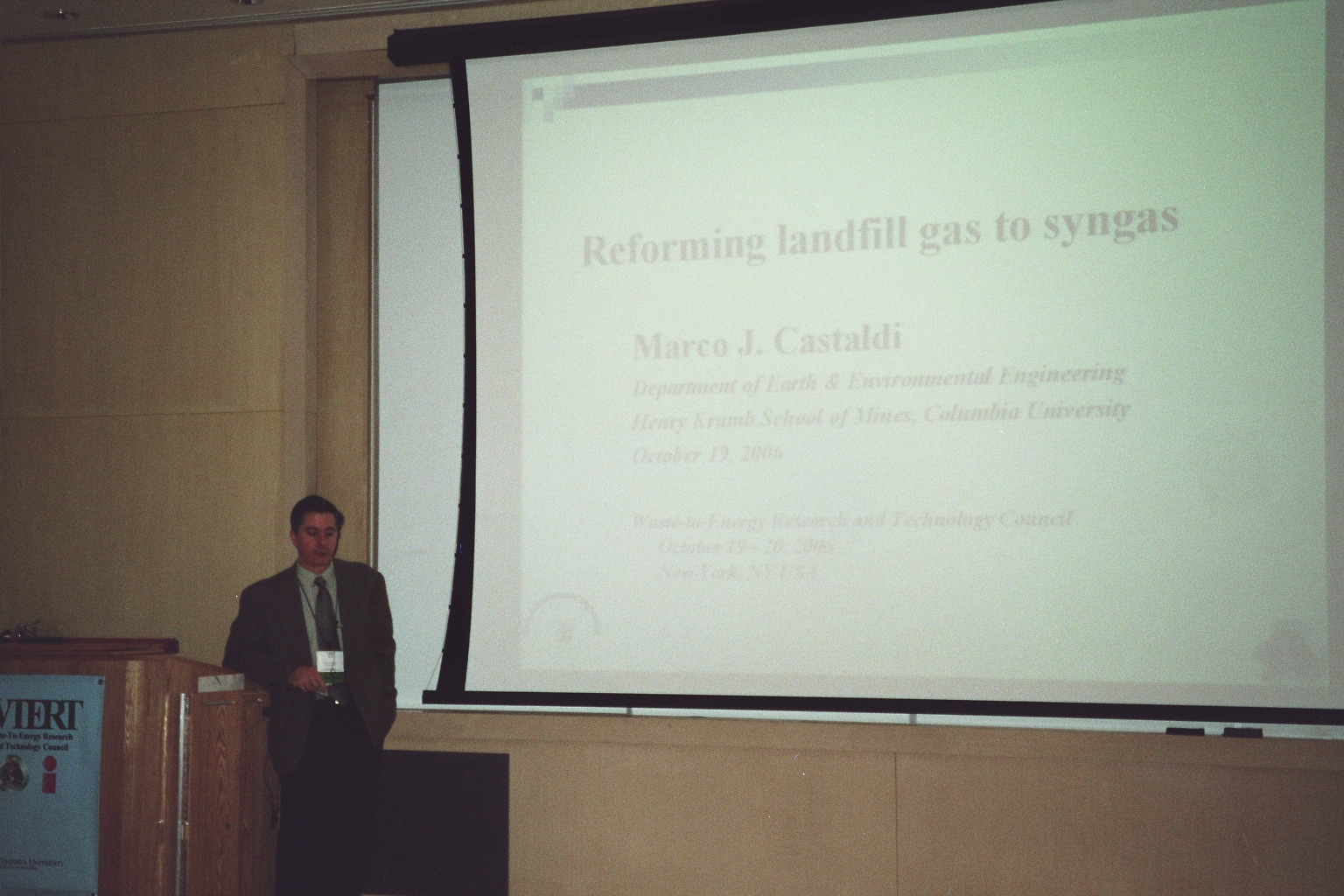
- Prof. Marco Castaldi, Columbia University – “Reforming Landfill Gas to Syngas”
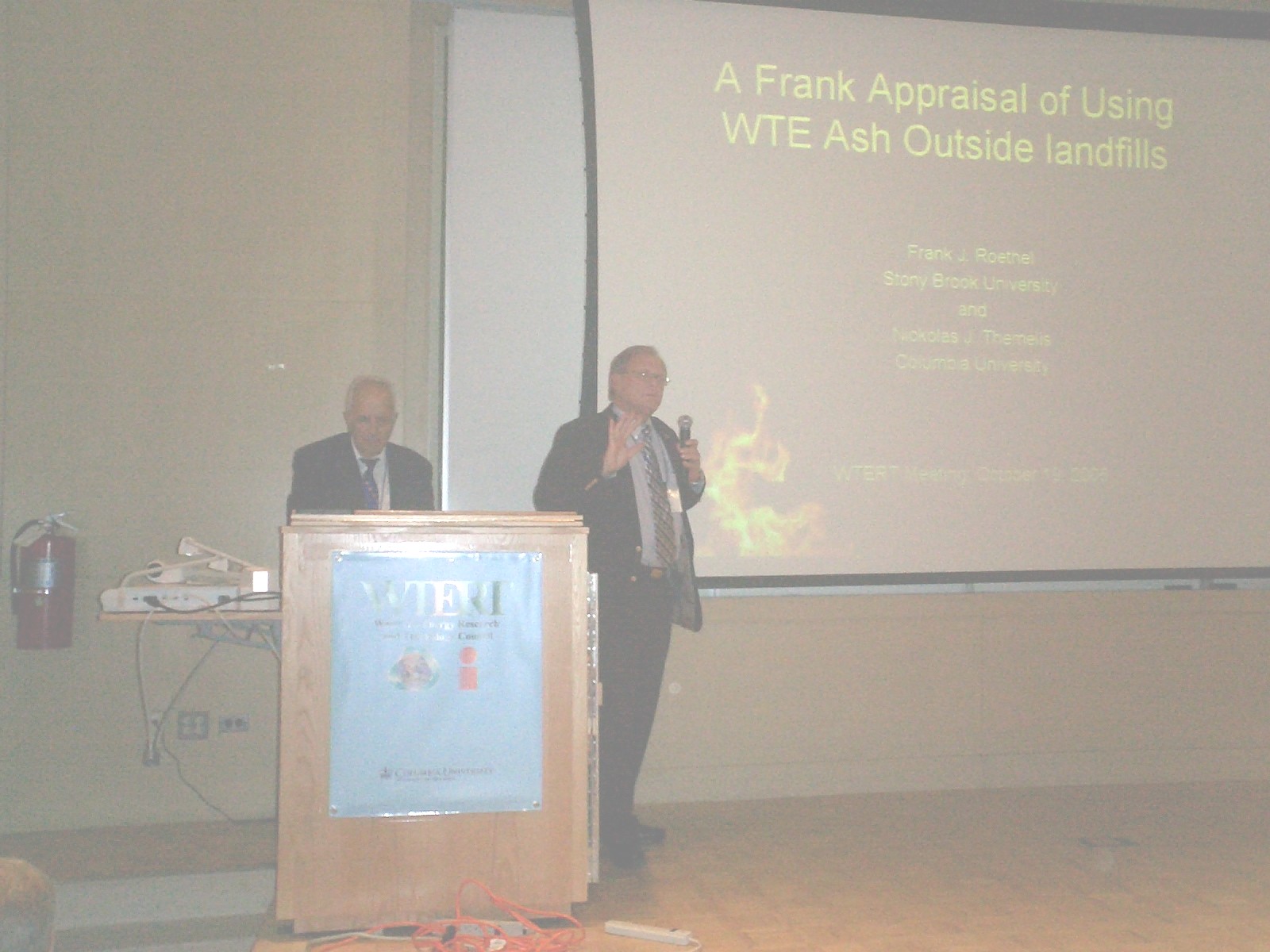
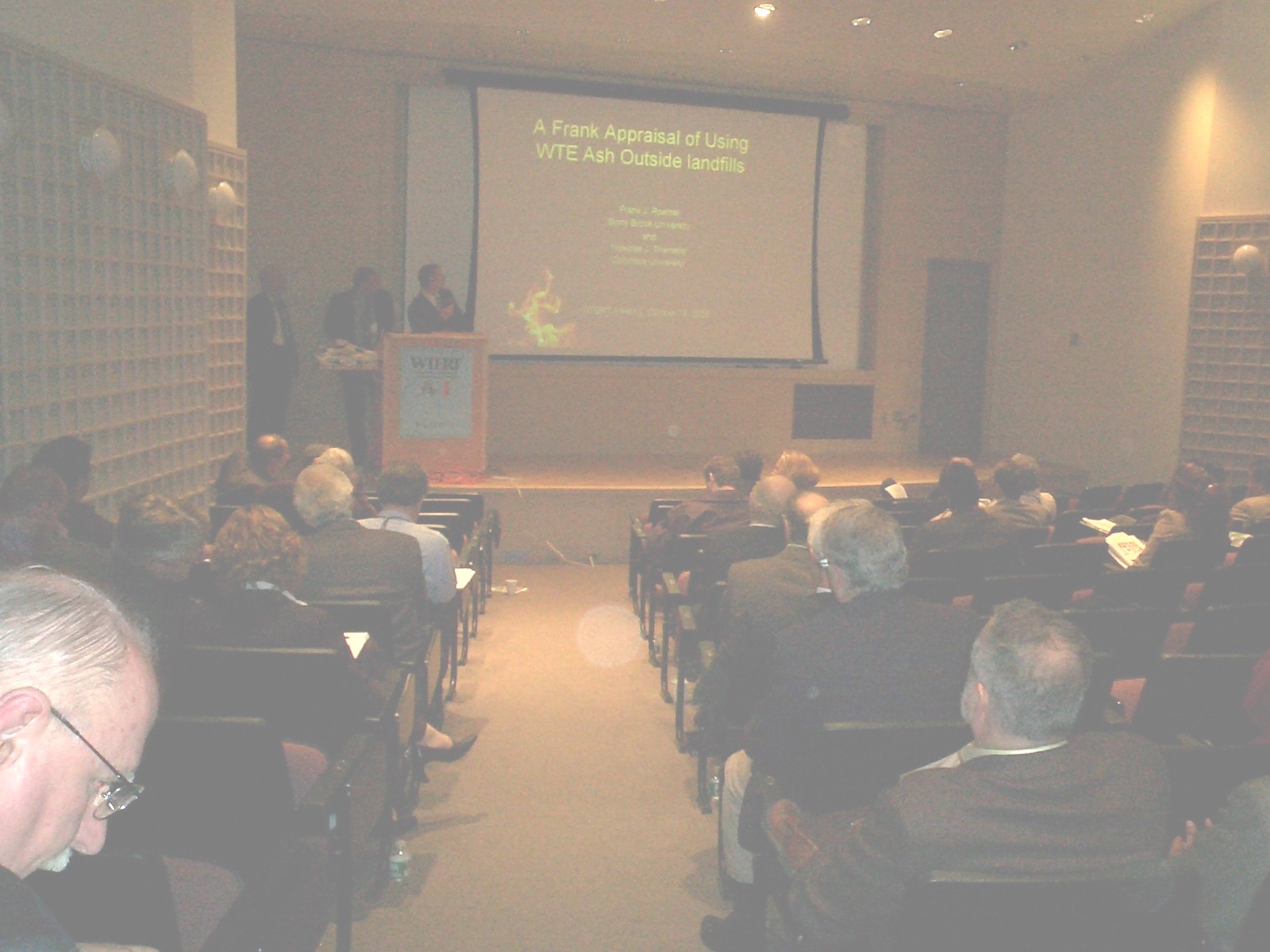
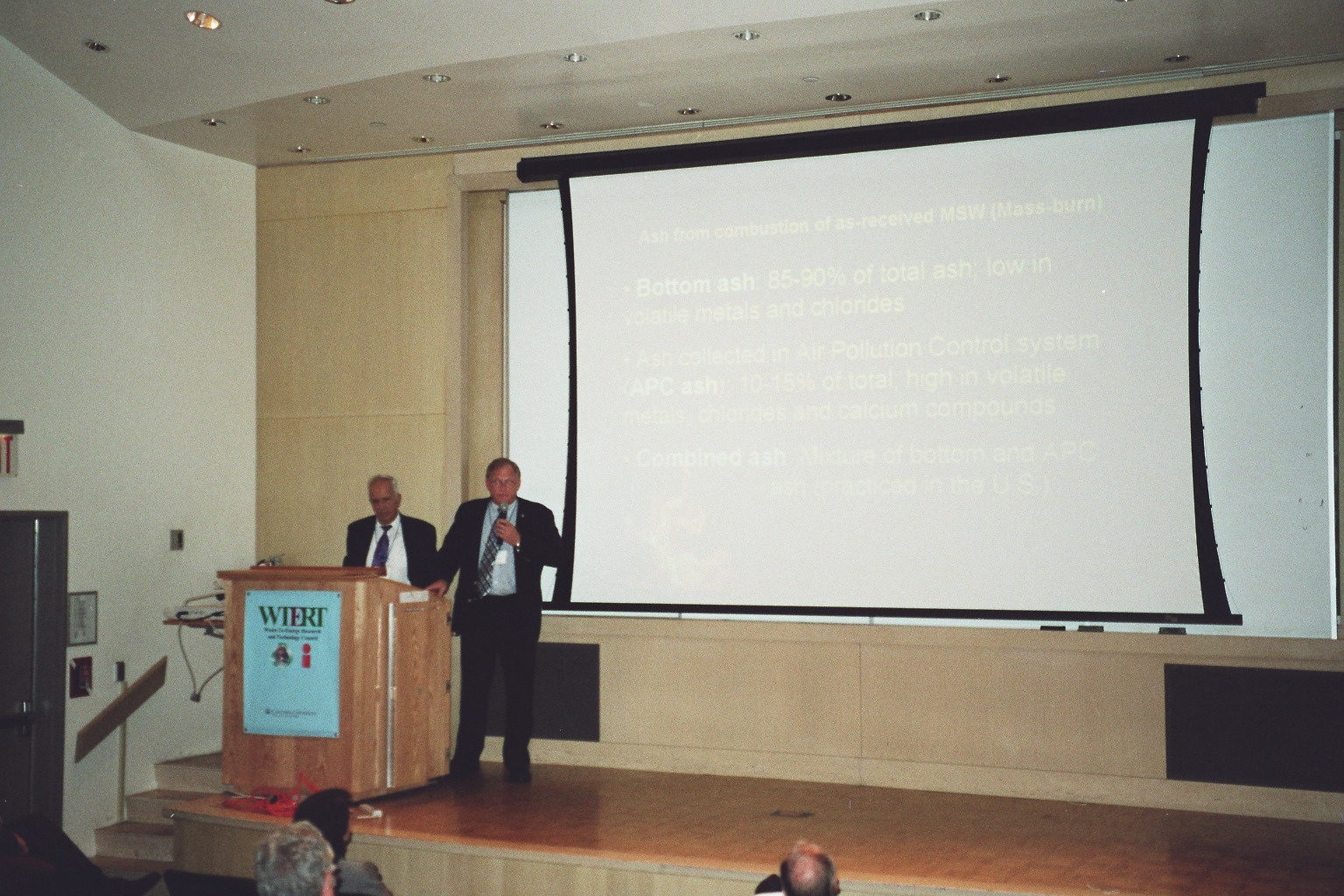
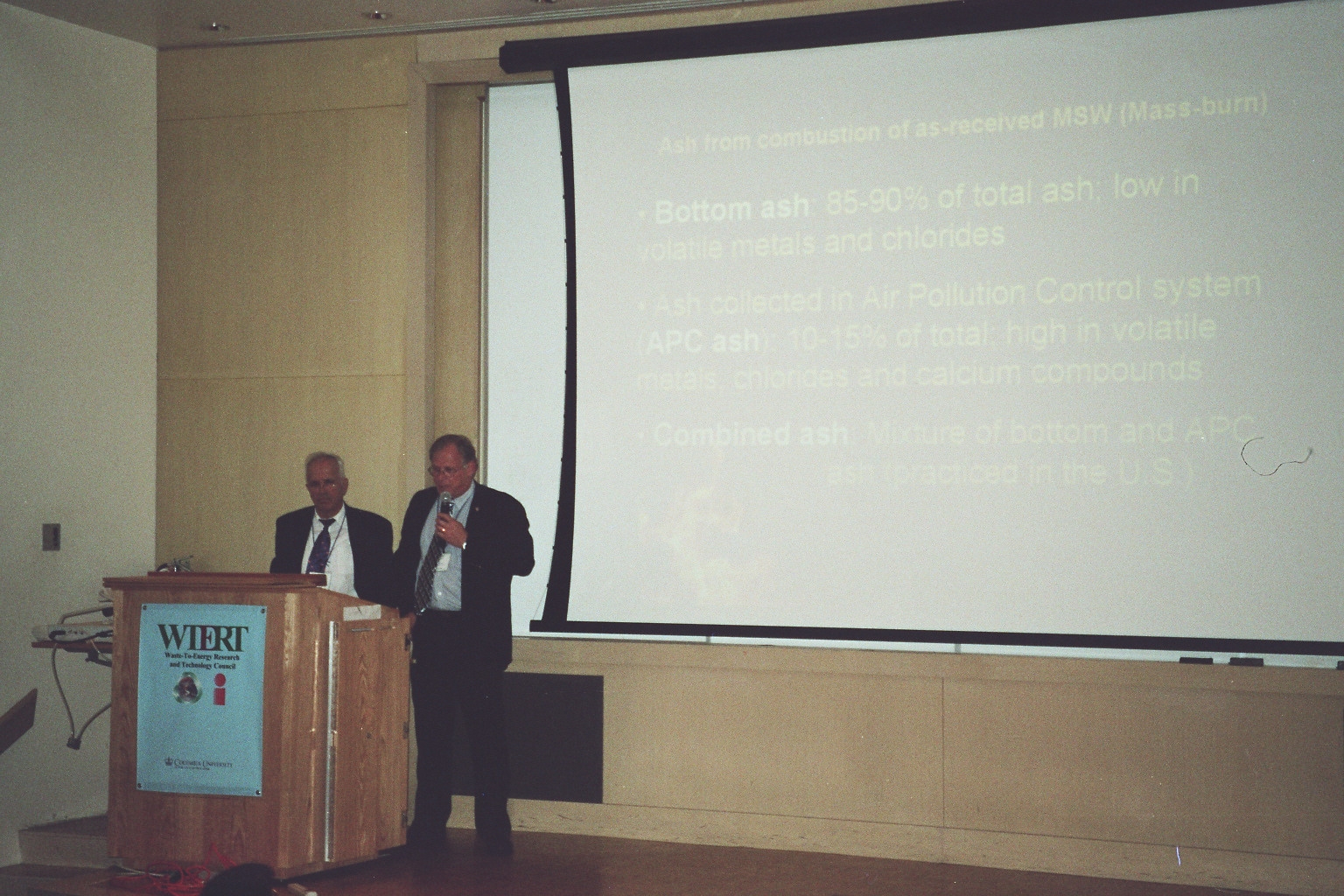
- Prof. Frank Roethel, SUNY at Stony Brook and WTERT Research Associate – “A Frank Appraisal of the Future of Using U.S. WTE Ash Outside Landfills”
Session 4 – Waste Management in Large Cities | Chair: Prof. Nickolas Themelis
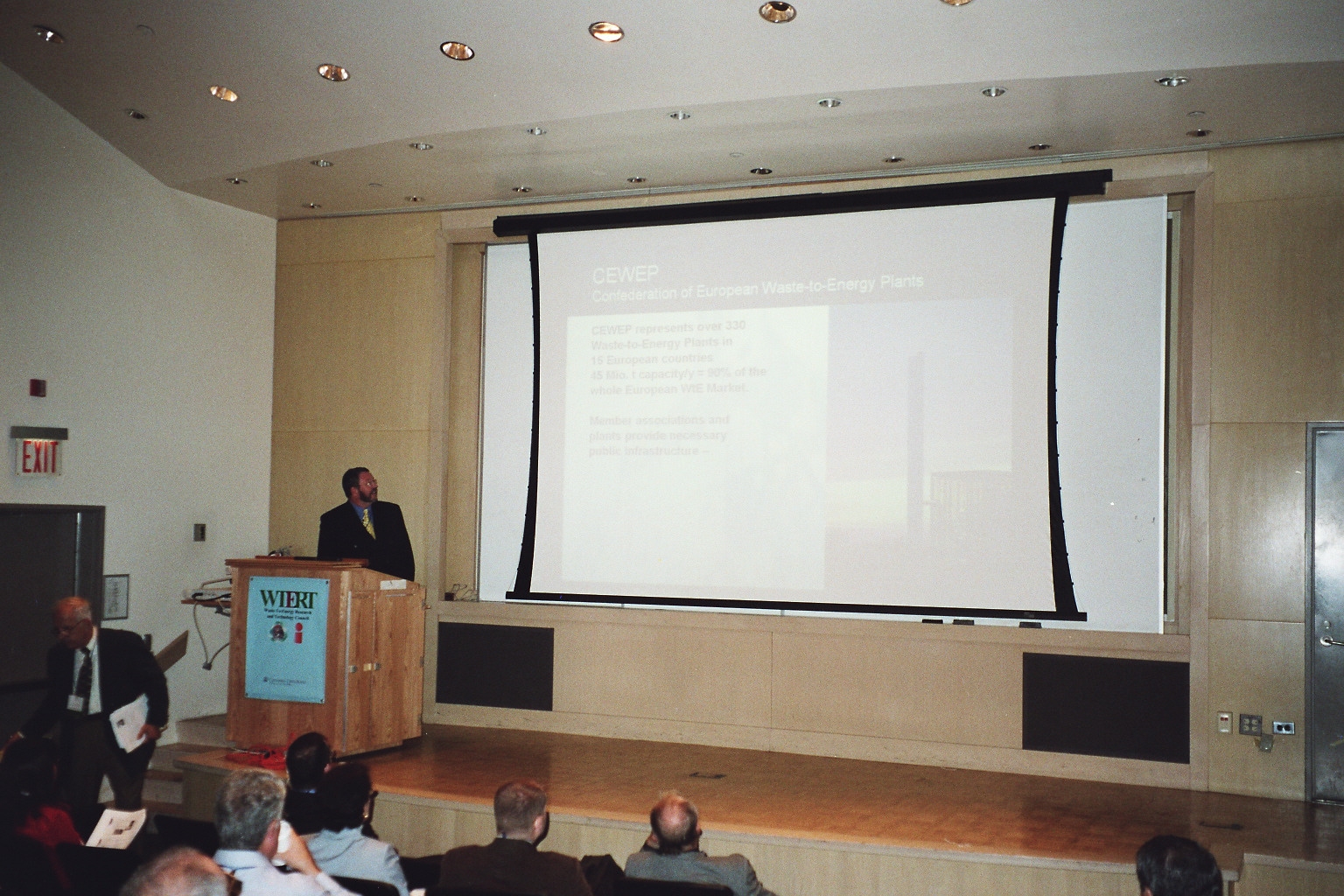
- Mr. Ferdinand Kleppmann, President, and Dr. Ella Stengler, Managing Director, Confederation of European Waste-to-Energy Plants (CEWEP) – “The State of WTE in Europe”
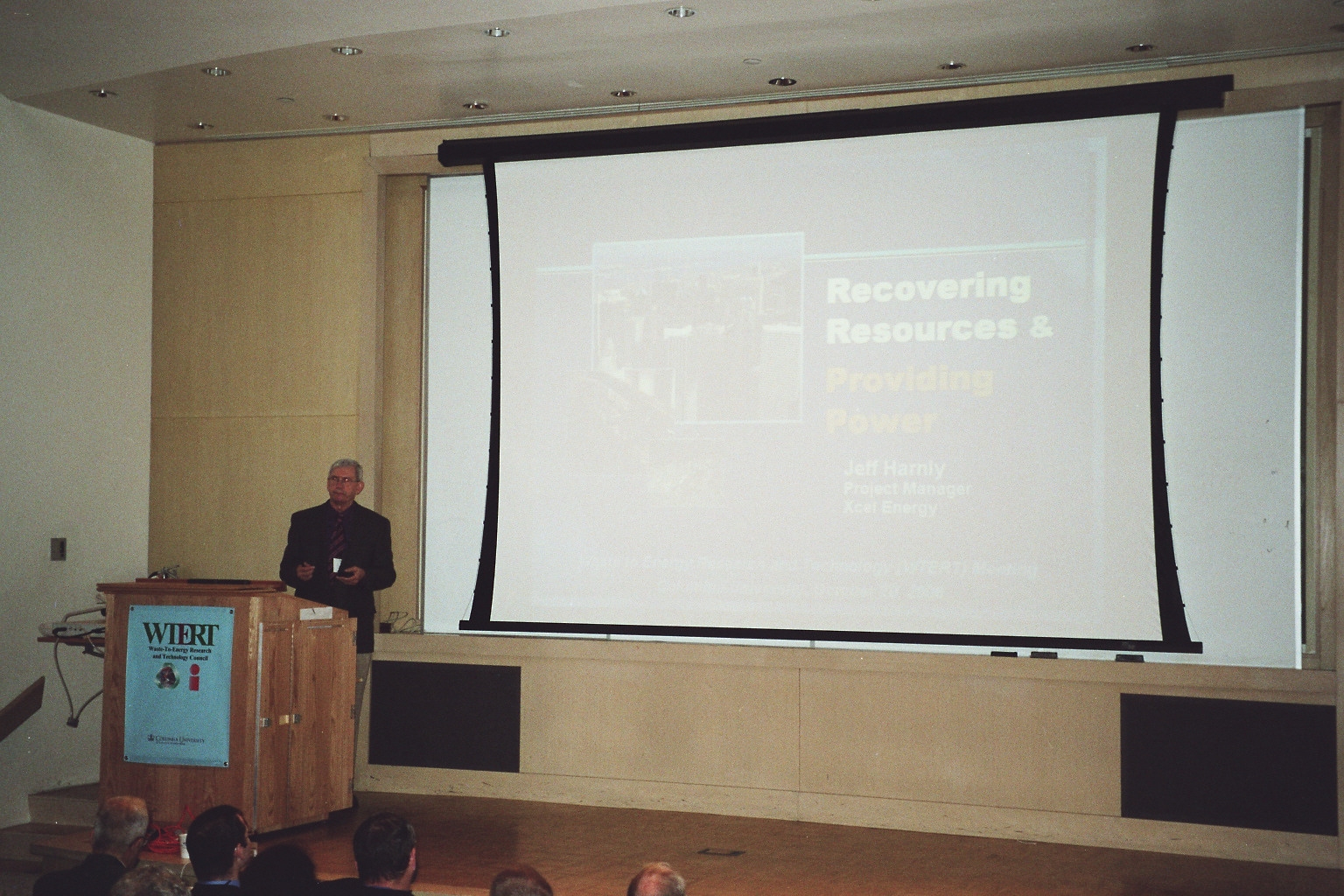
- Mr. Jeffrey Harnly, Xcel Energy Company, Red Wing, Minnesota – “An American in European WTE”
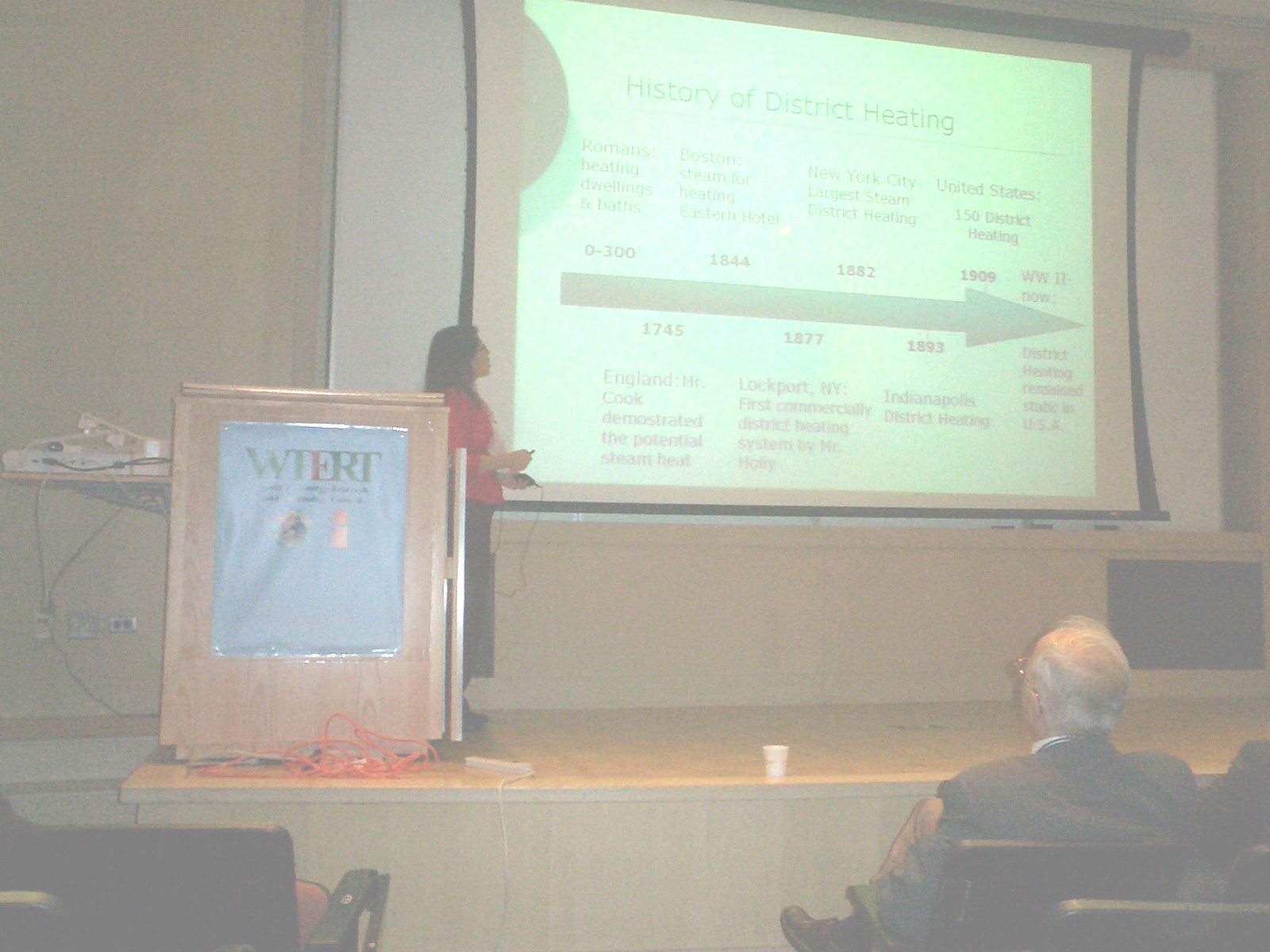
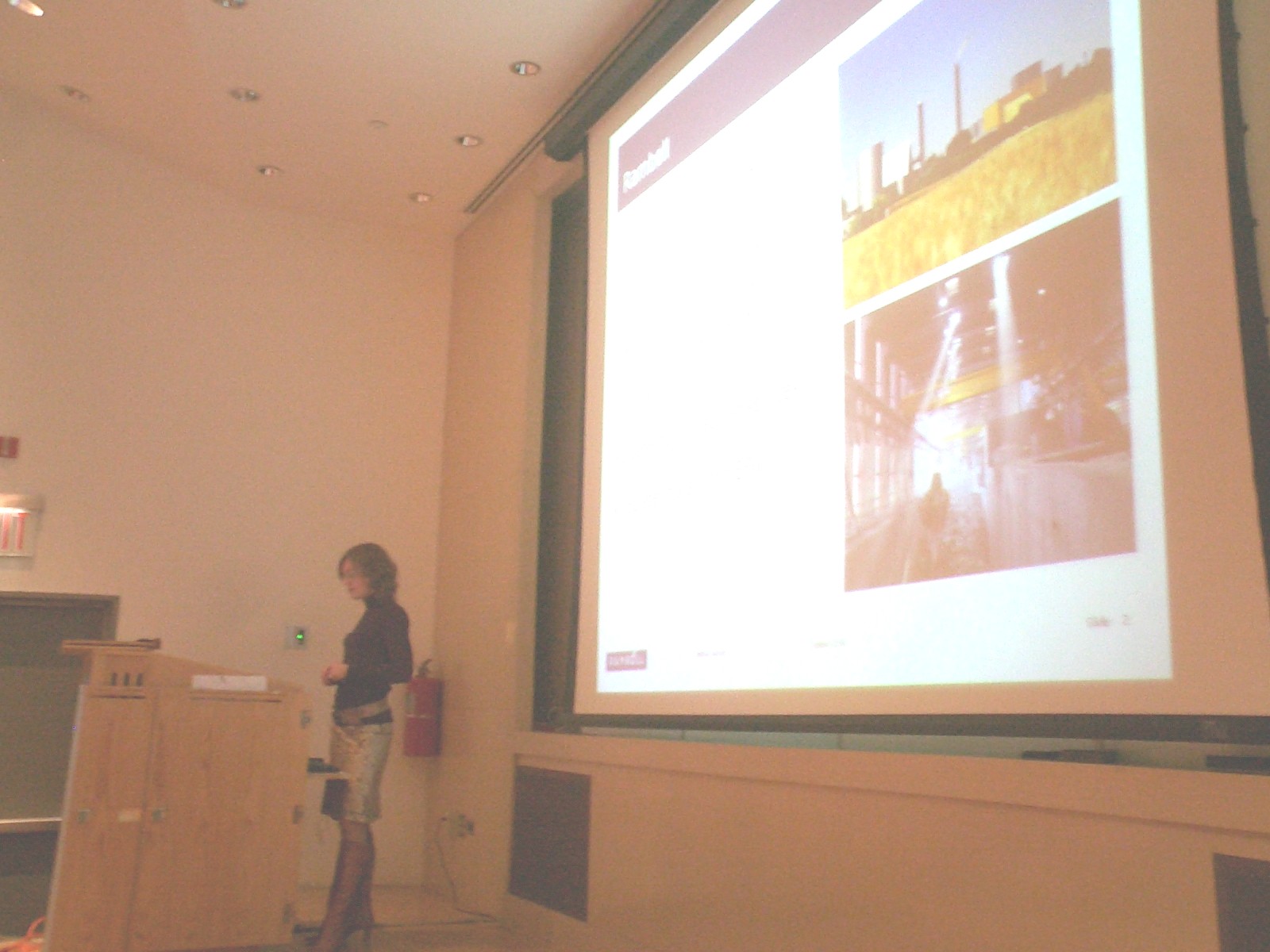
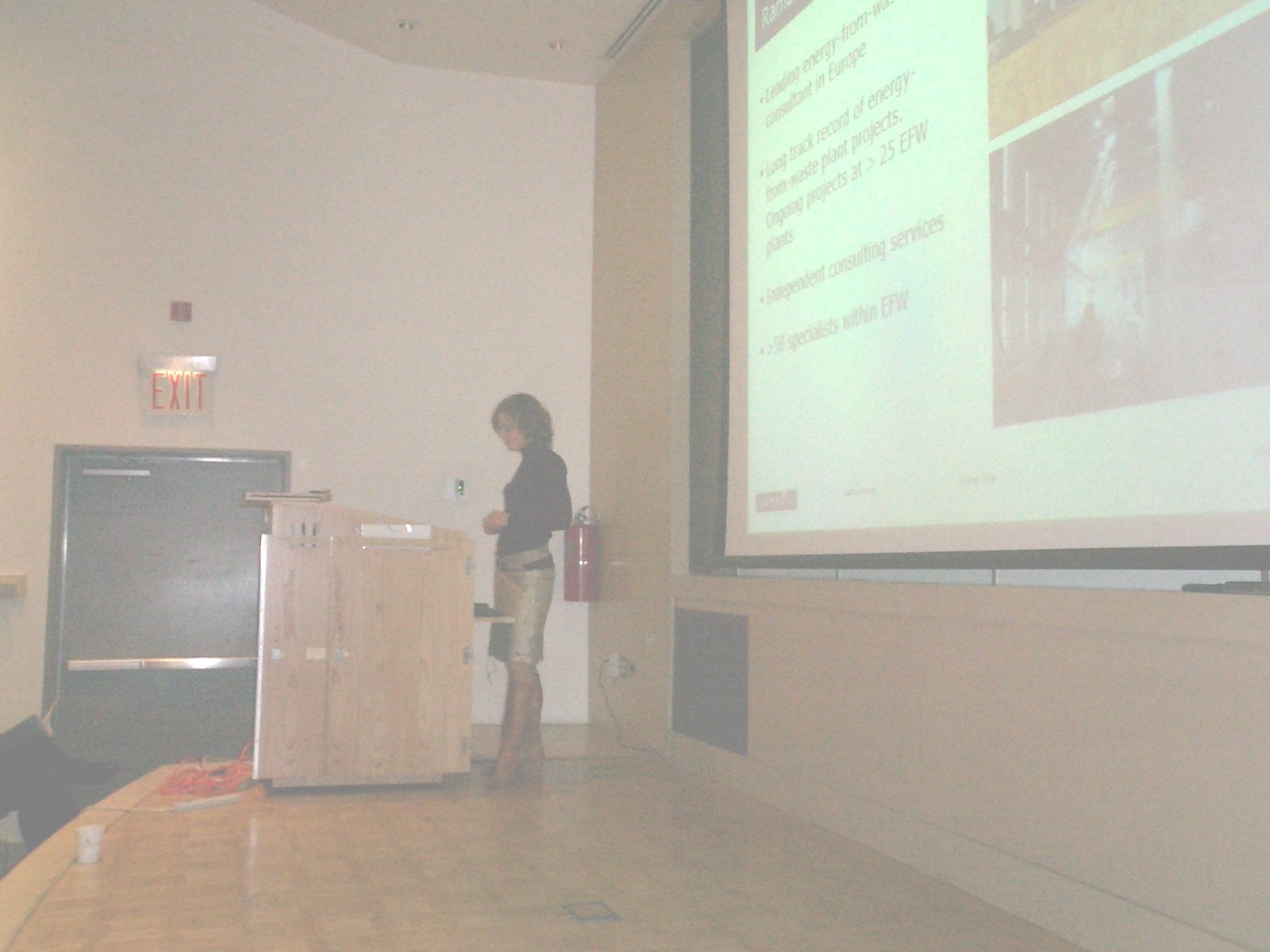
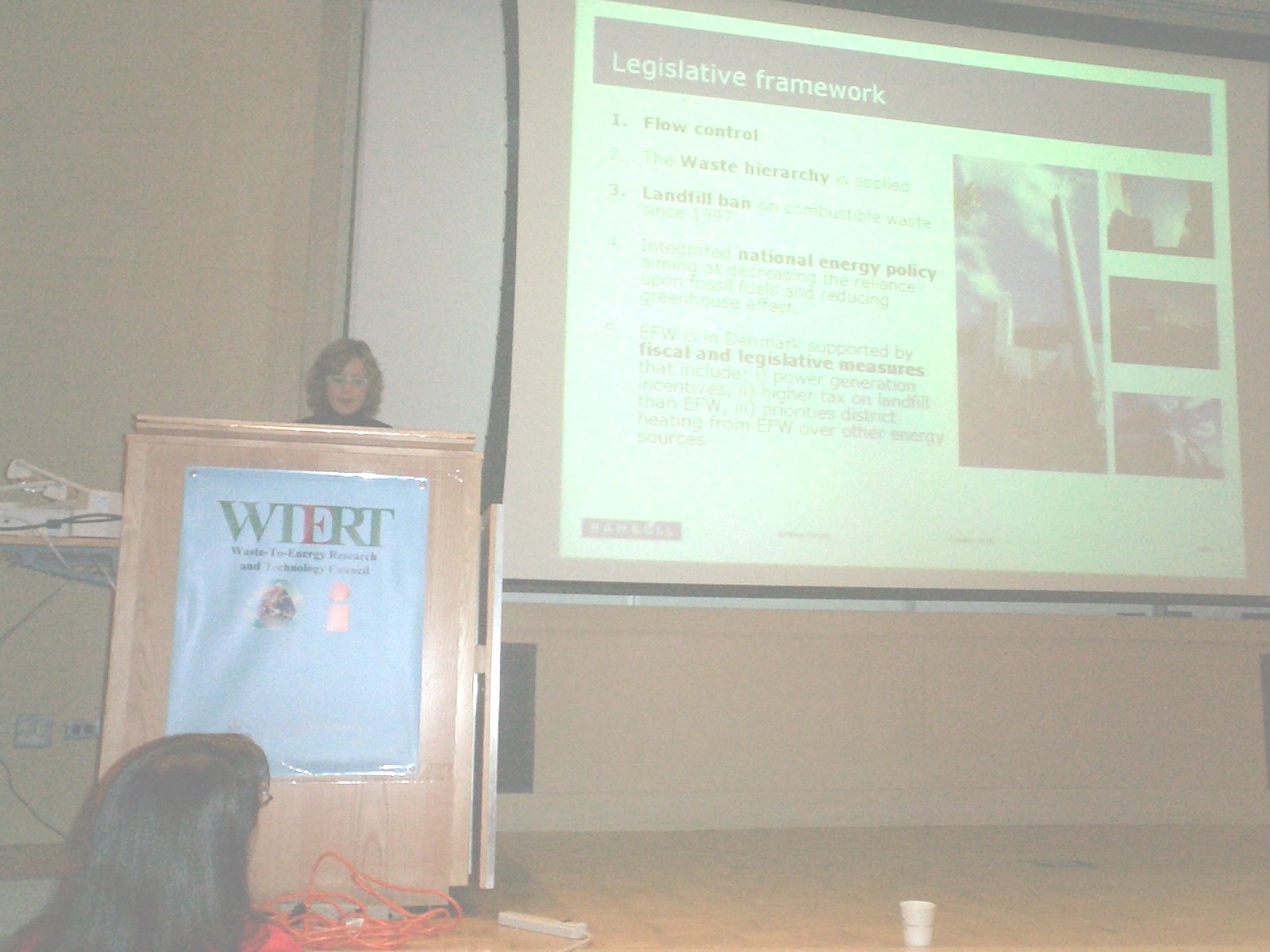
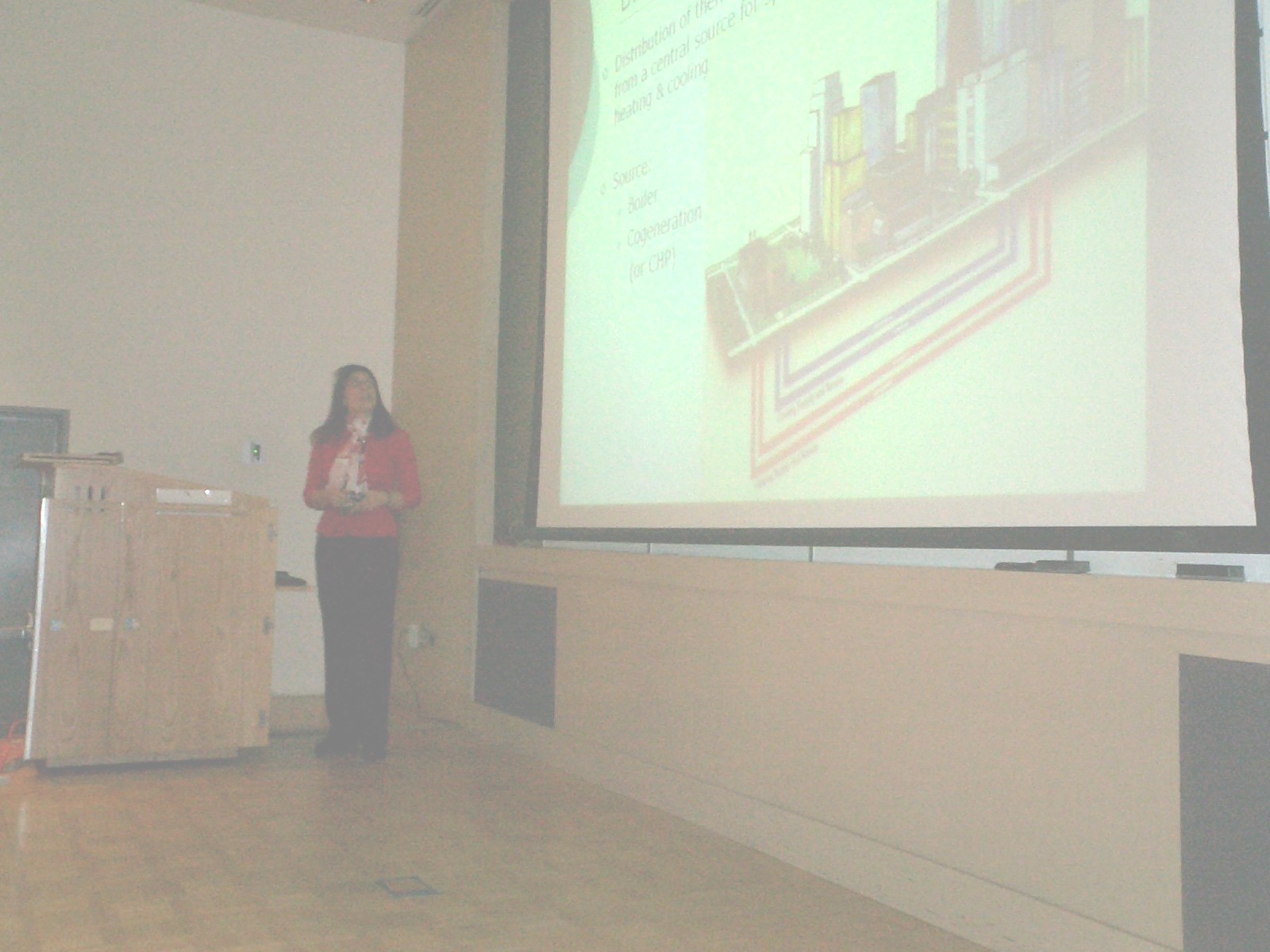
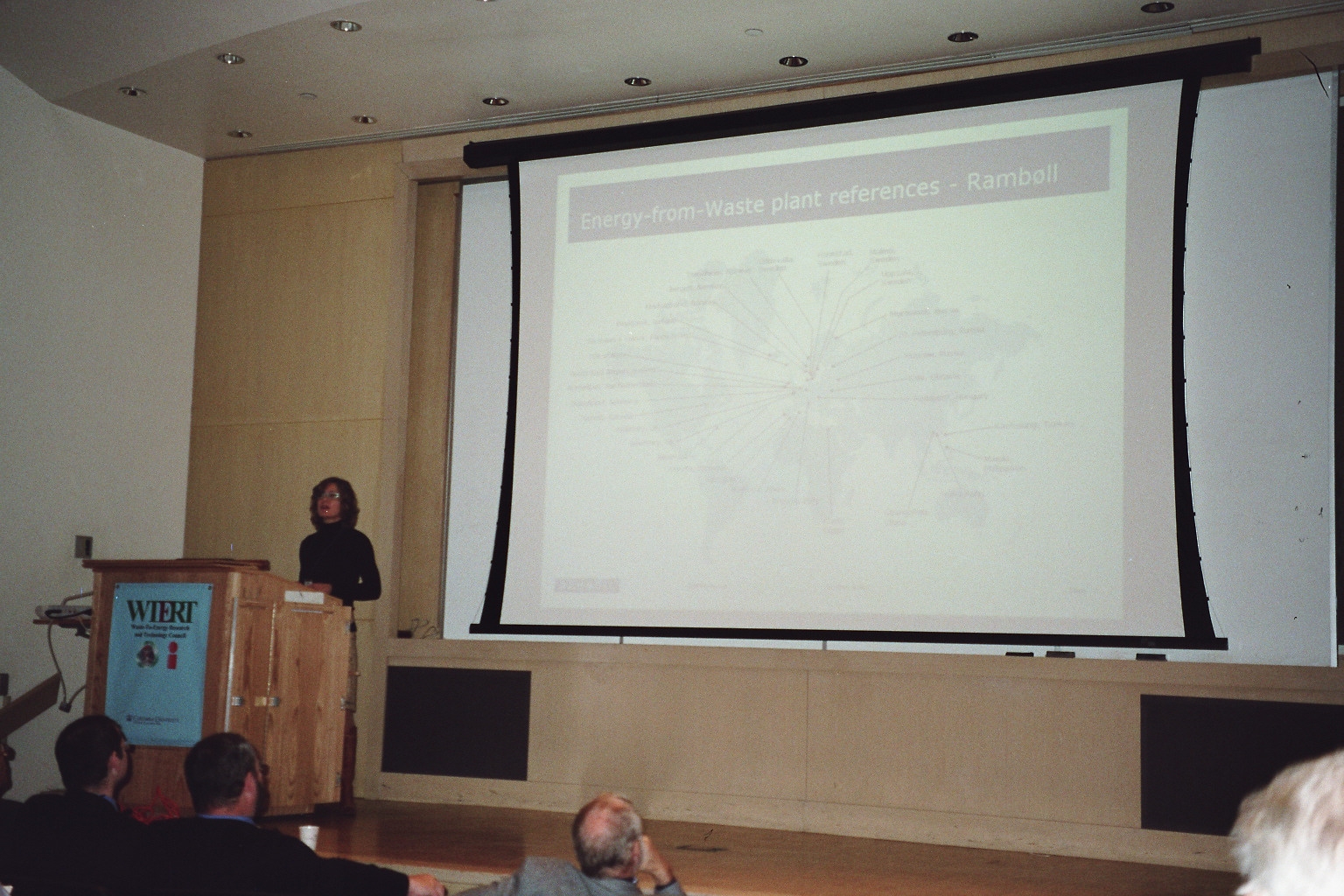
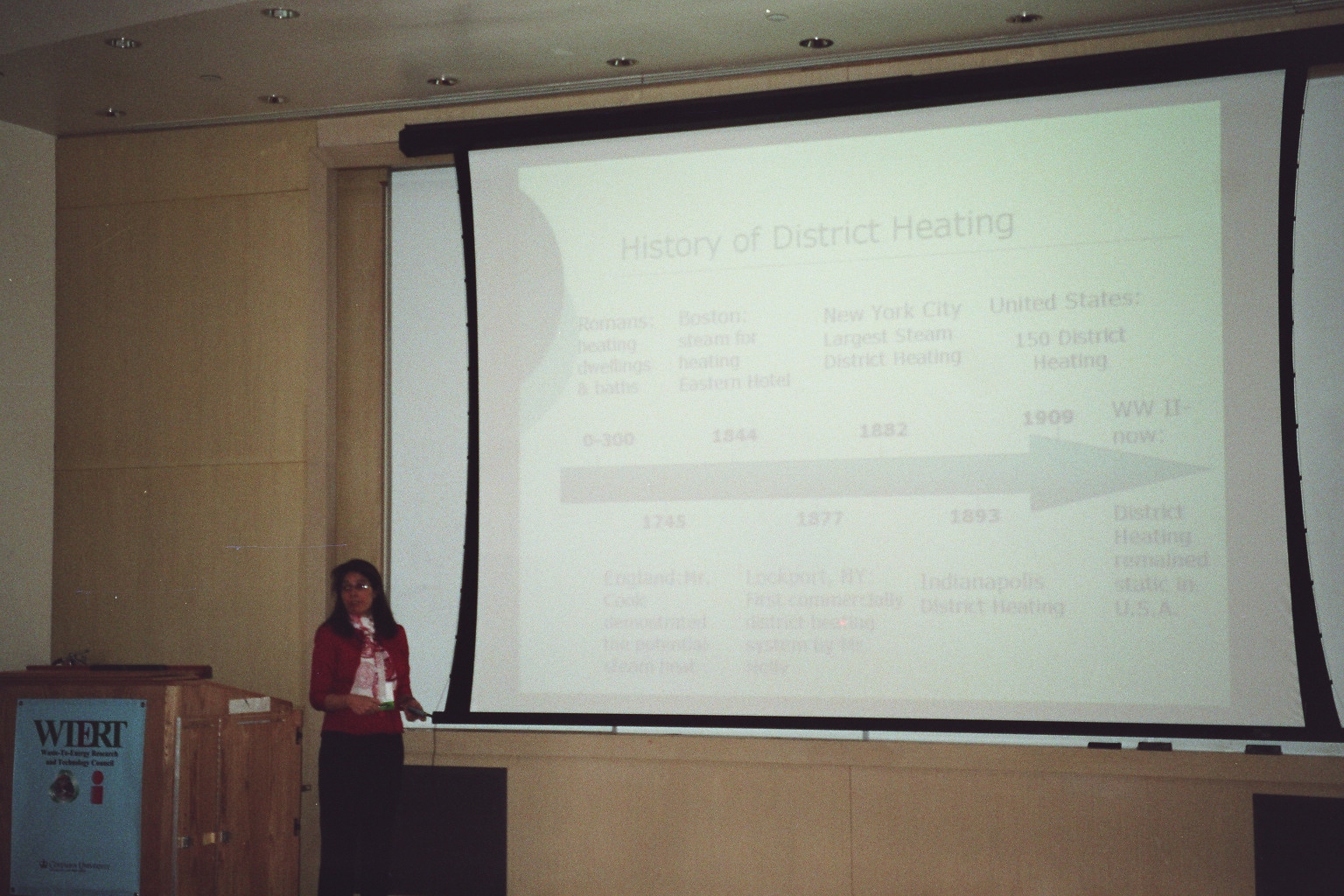
- Ms. Bettina Kamuk, Ramboll, Denmark and Ms. Priscilla Ulloa, WTERT – “More energy from WTE: District Heating in Denmark and Potential for the U.S.” | Part 2 presented by Priscilla Ulloa
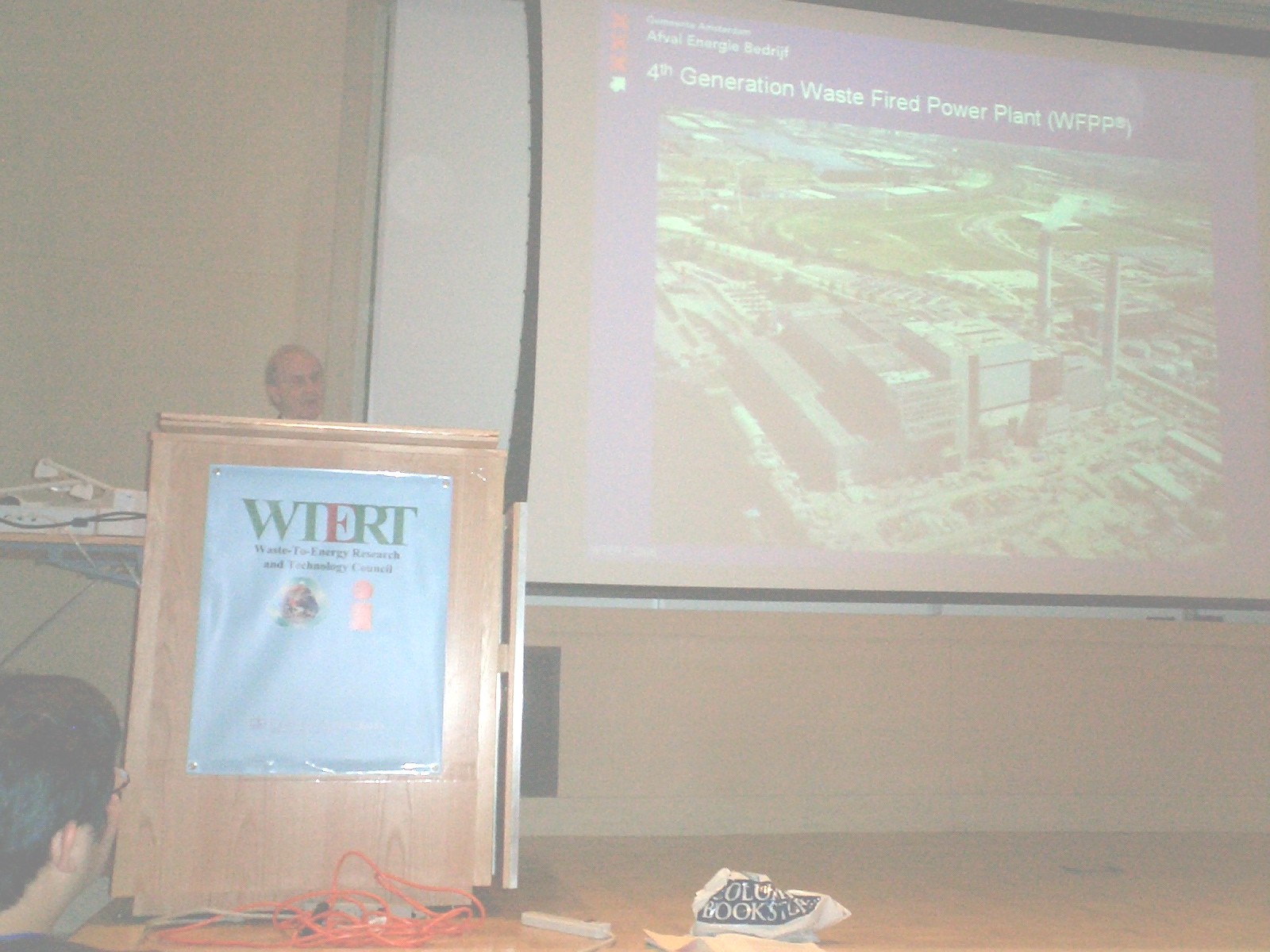
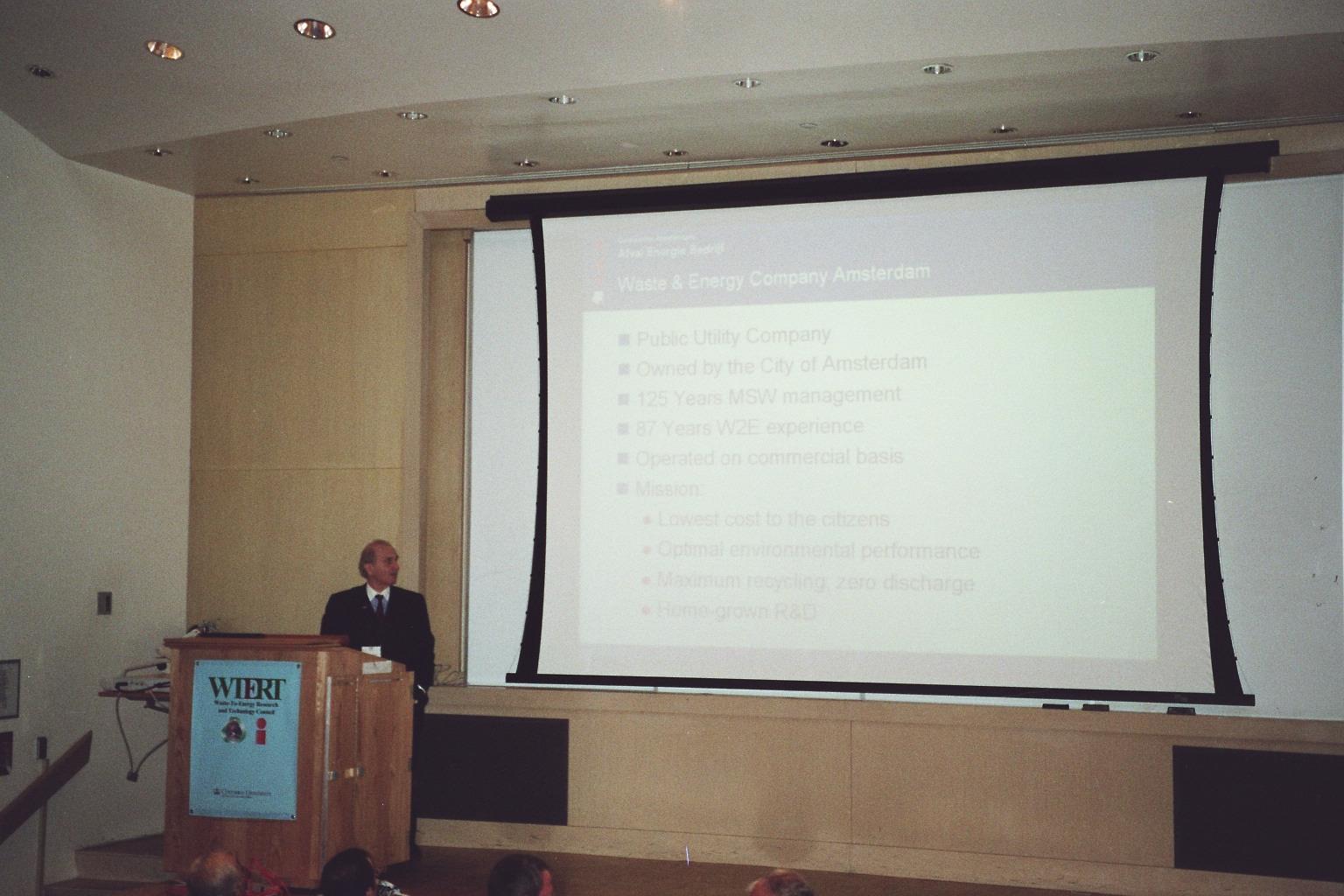
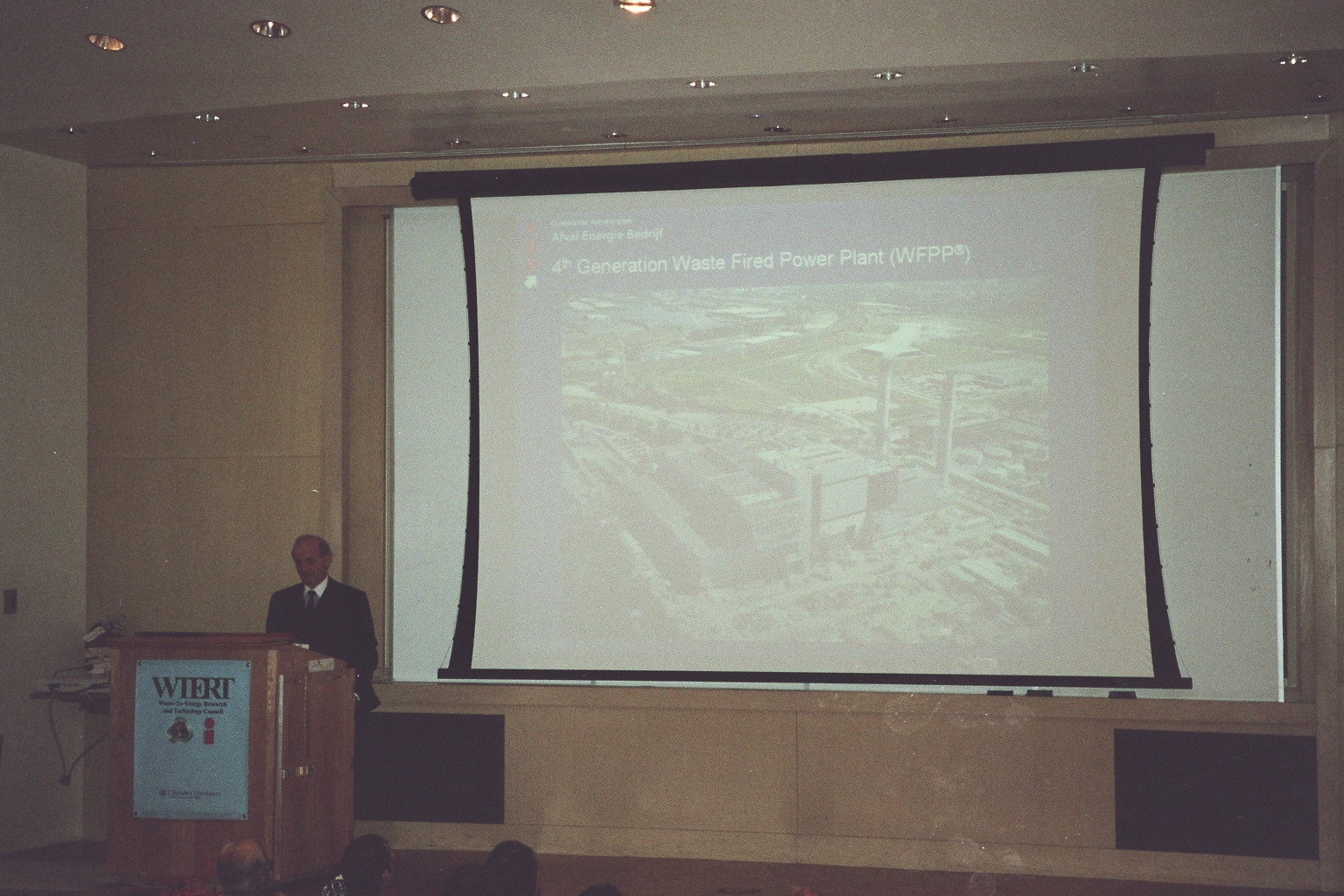
- Mr. Hendrikus de Waart, consultant to AEB, presenting on behalf of Mr. Daan van der Linde, Managing Director, Afval Energie Bedrijf, Amsterdam, Netherlands – “Waste Fired Power Plant, City of Amsterdam: Designed for Output of Energy and Materials”
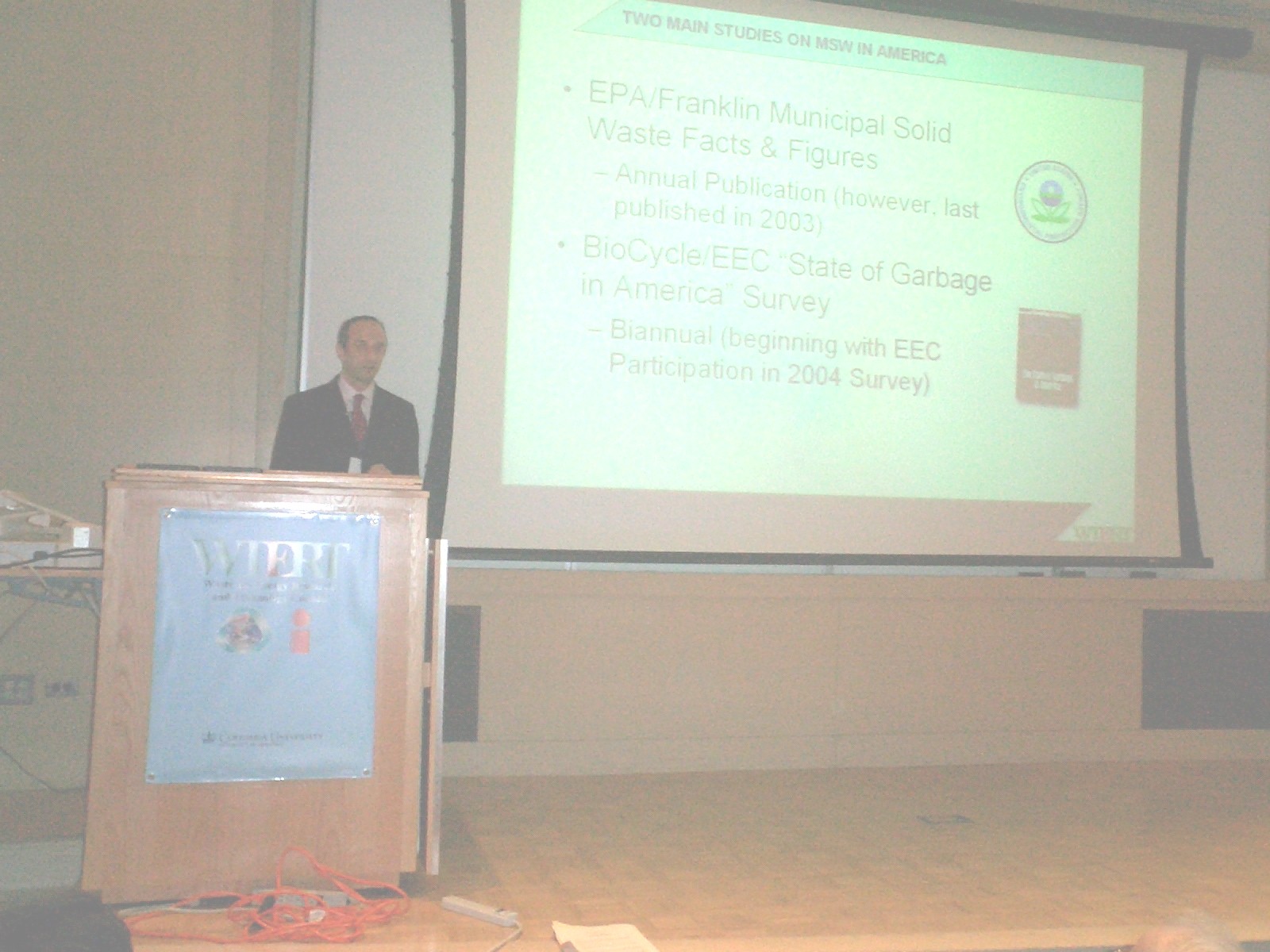
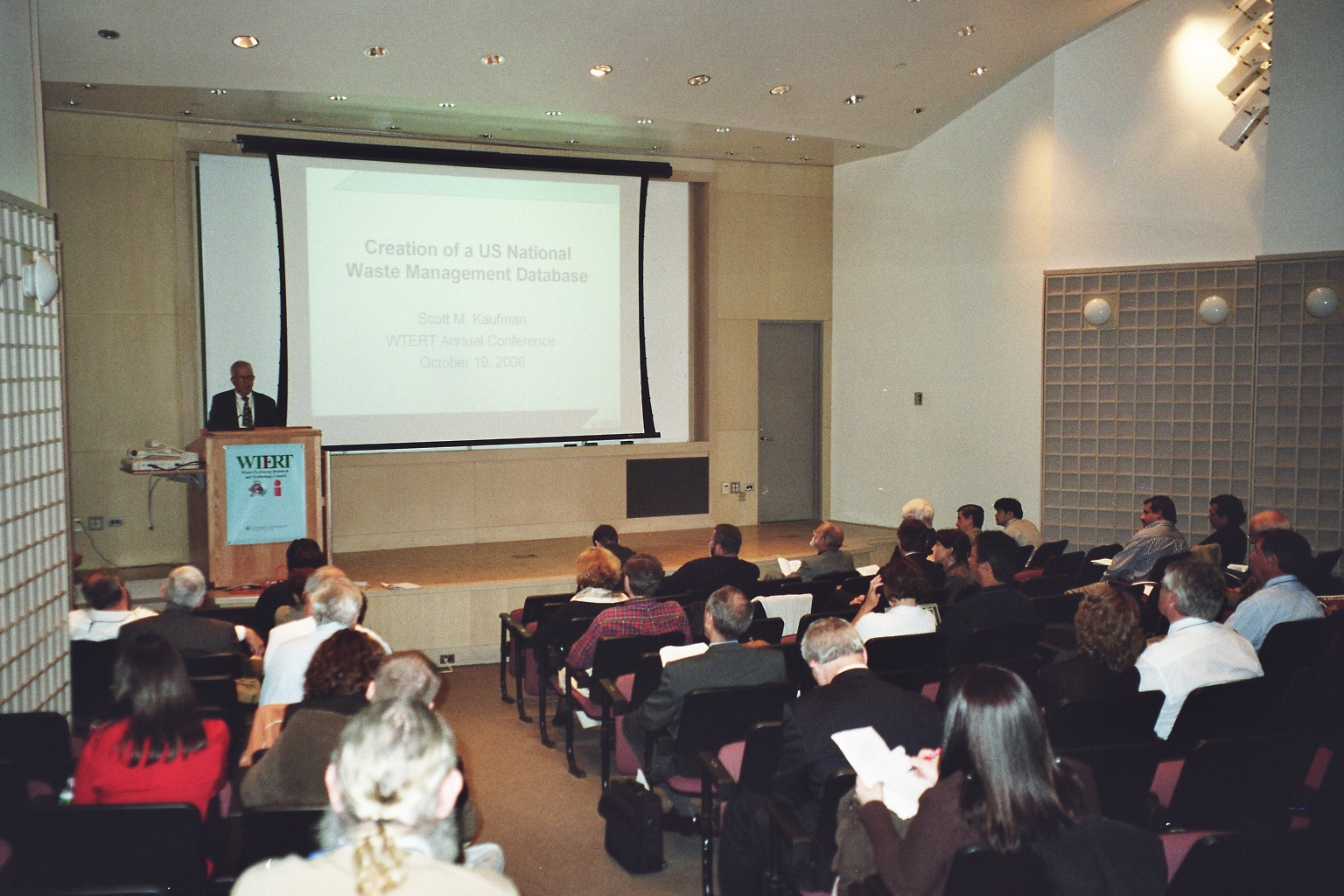
- Mr. Scott Kaufman, Manager, EEC Recycling Project and Prof. N.J. Themelis, Director EEC, Columbia University – “Advancing U.S. Recycling by Means of Improved Data Collection and Analysis”
Poster Session
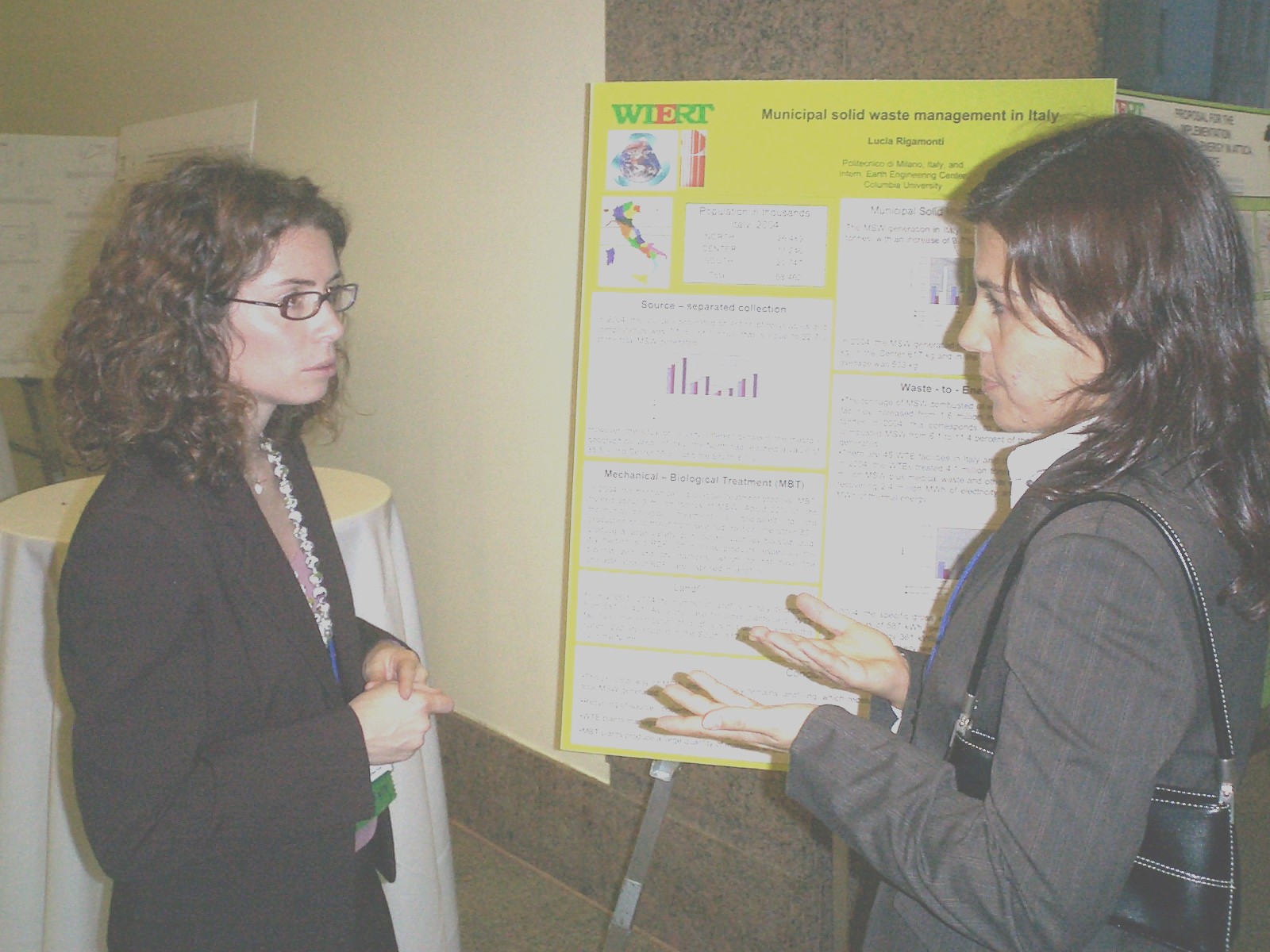
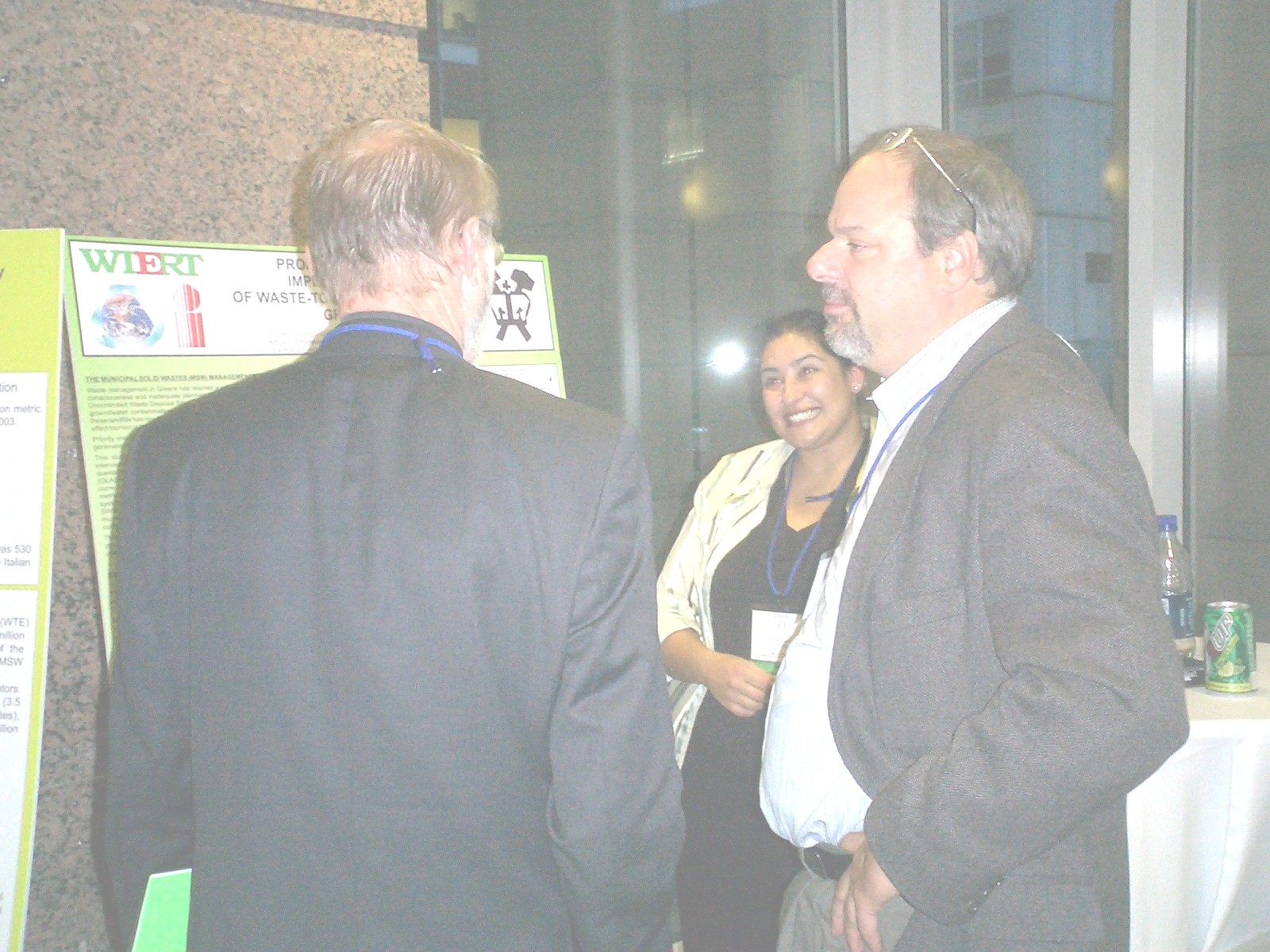
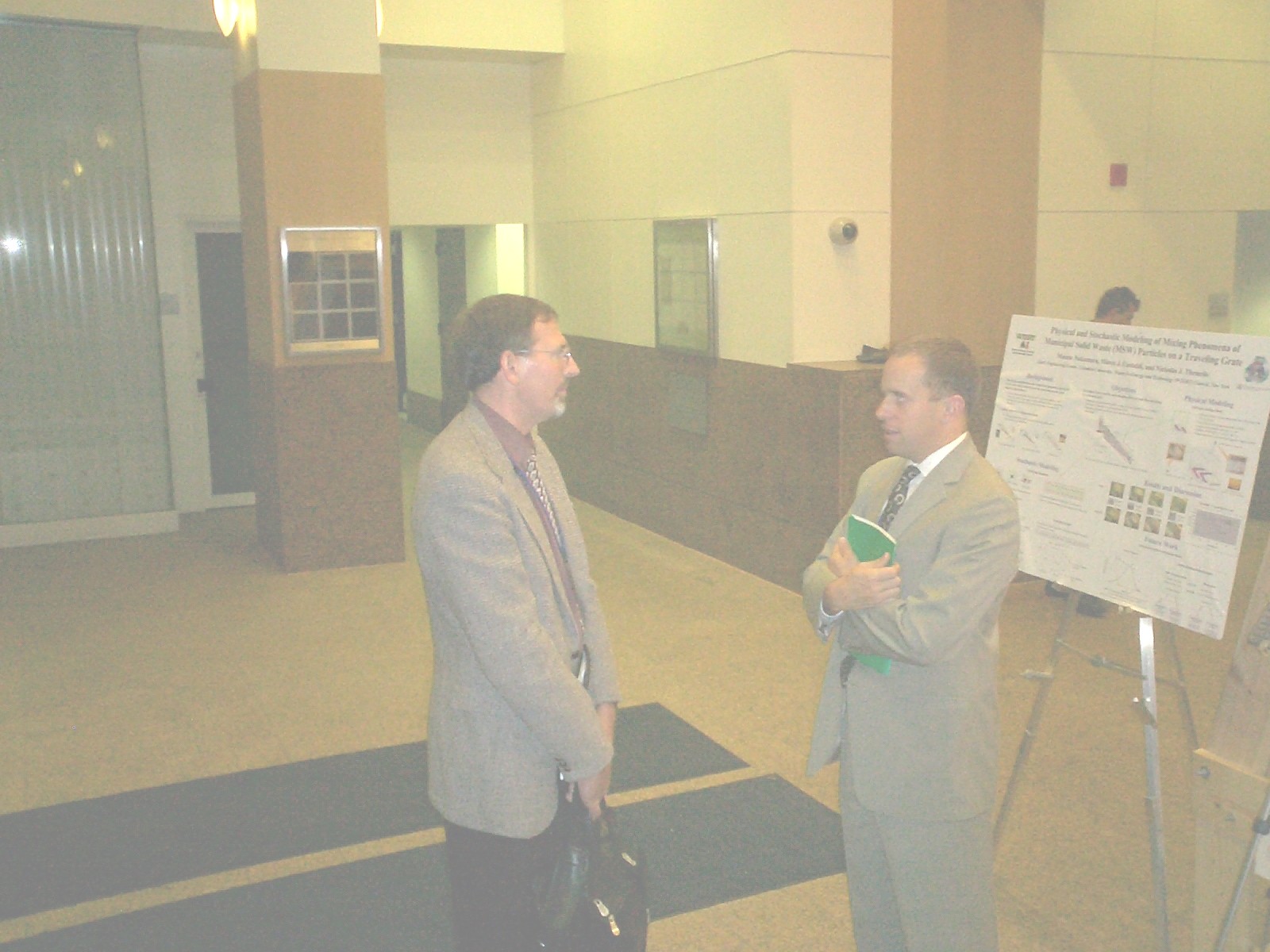
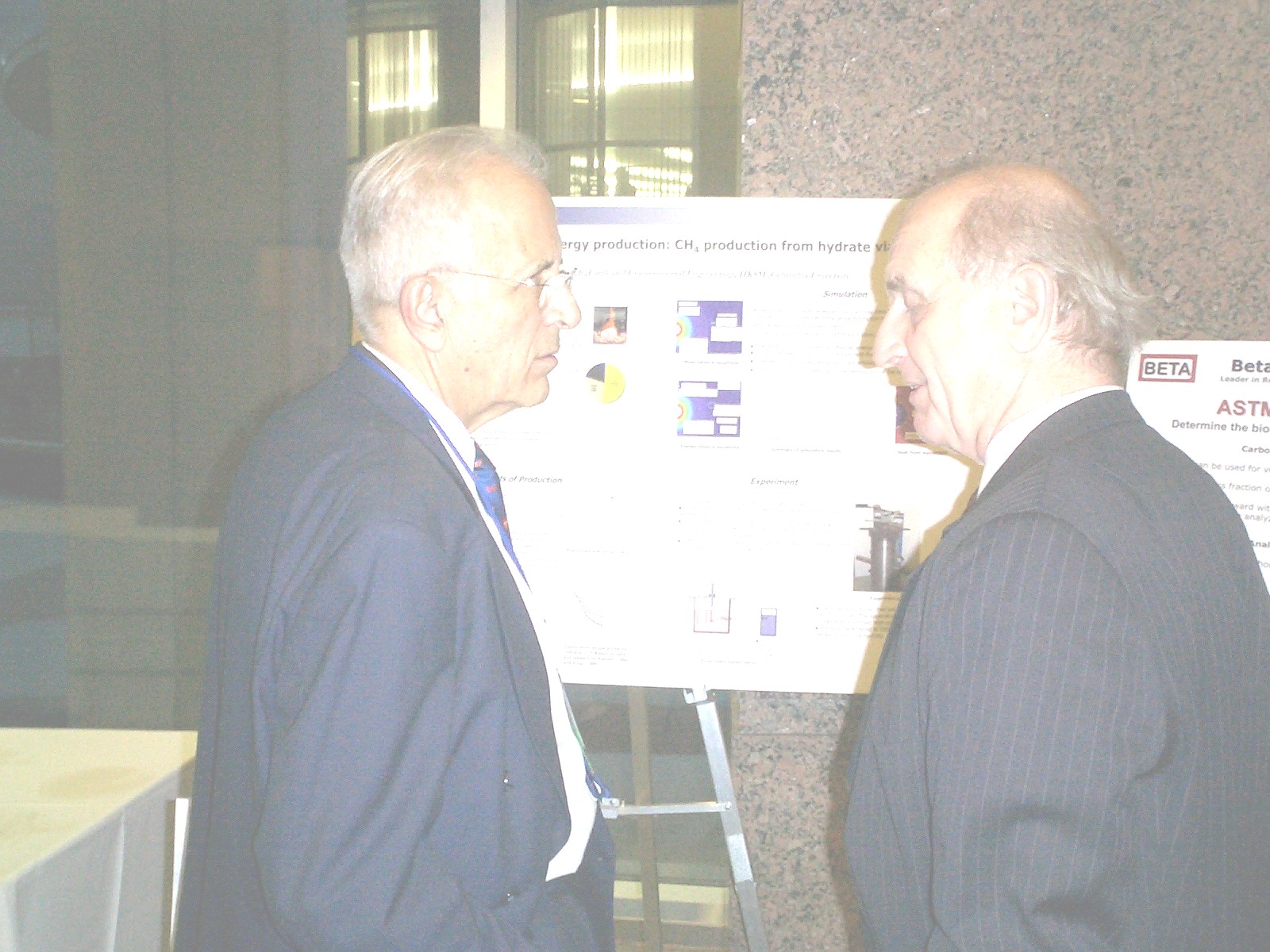
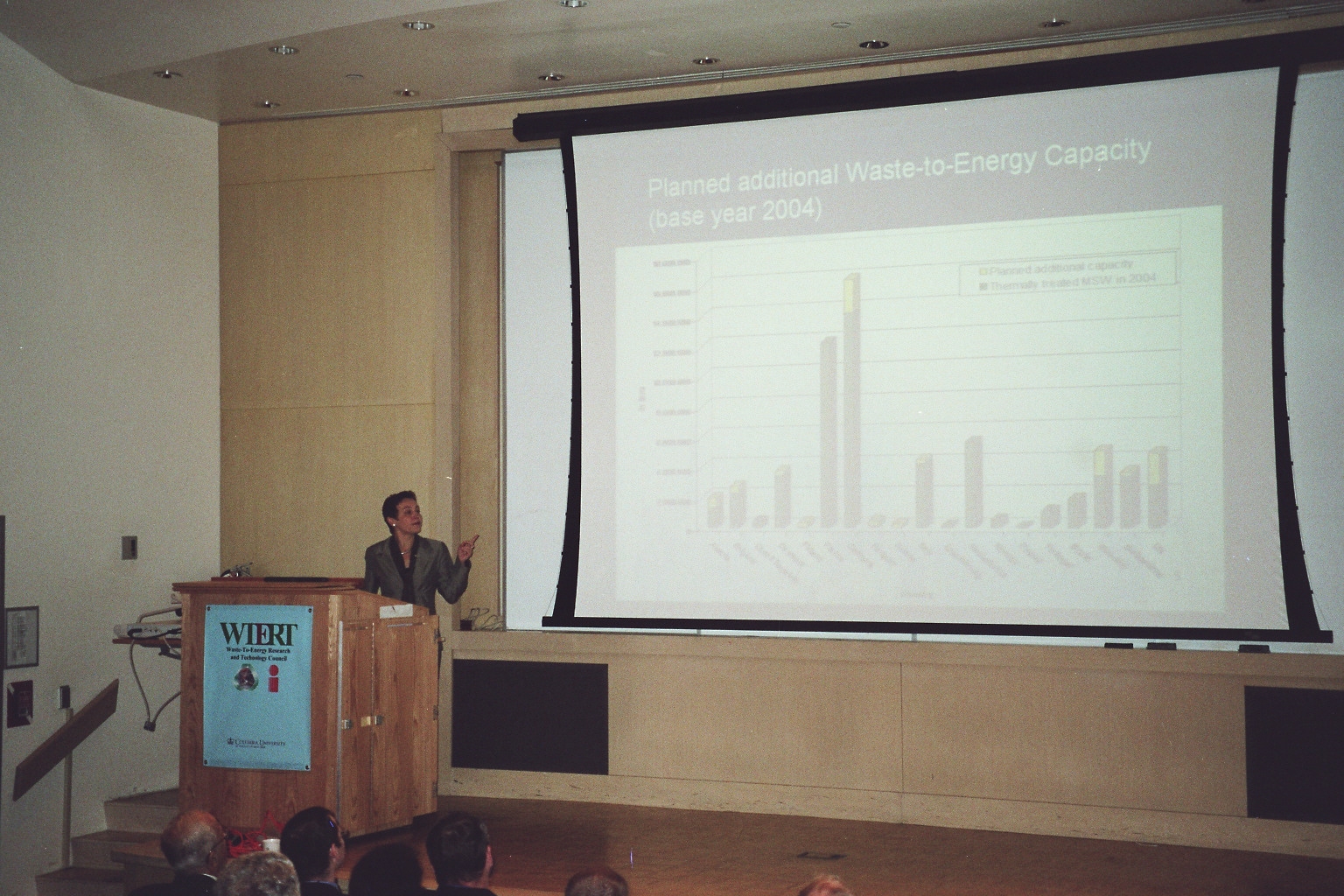
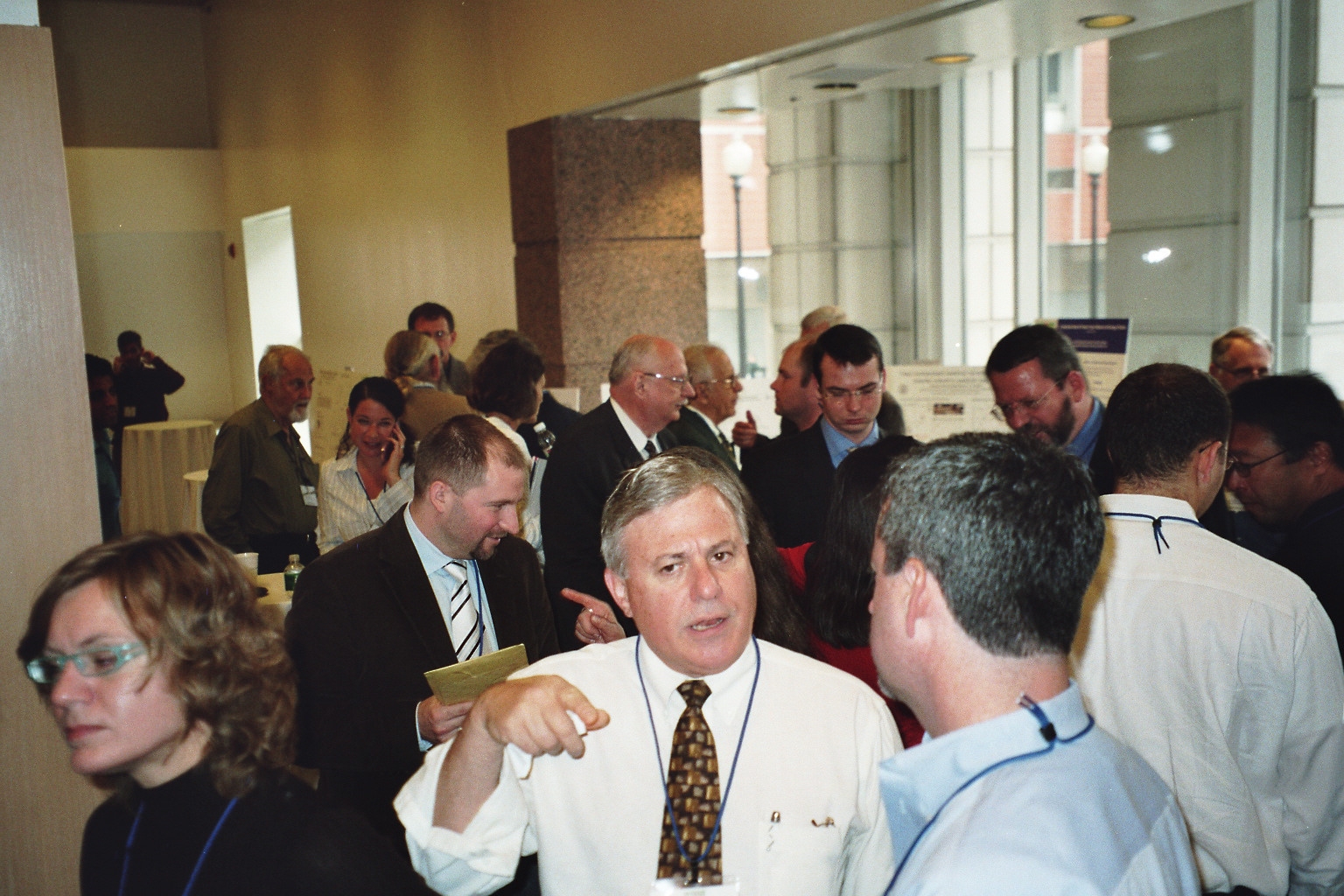
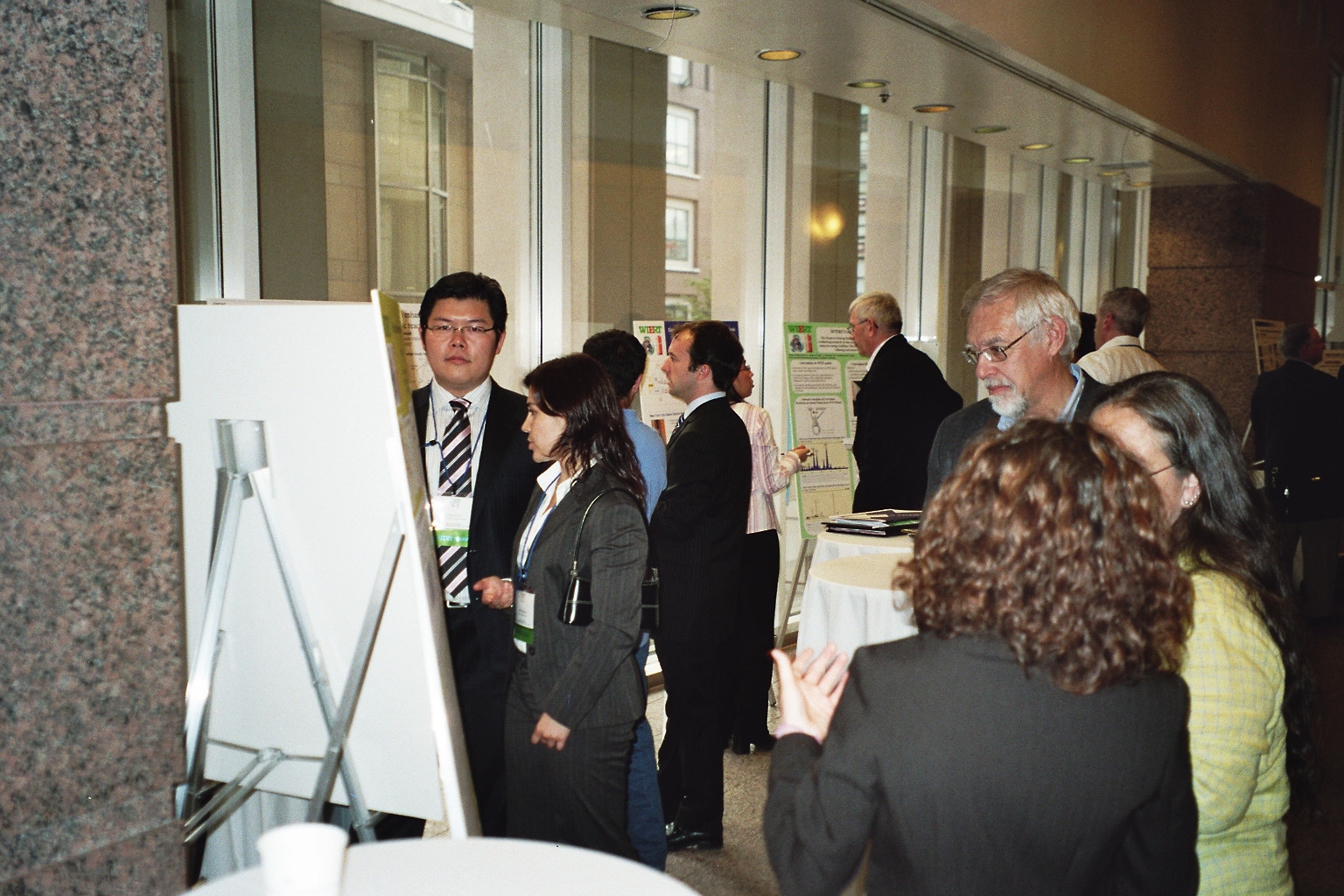
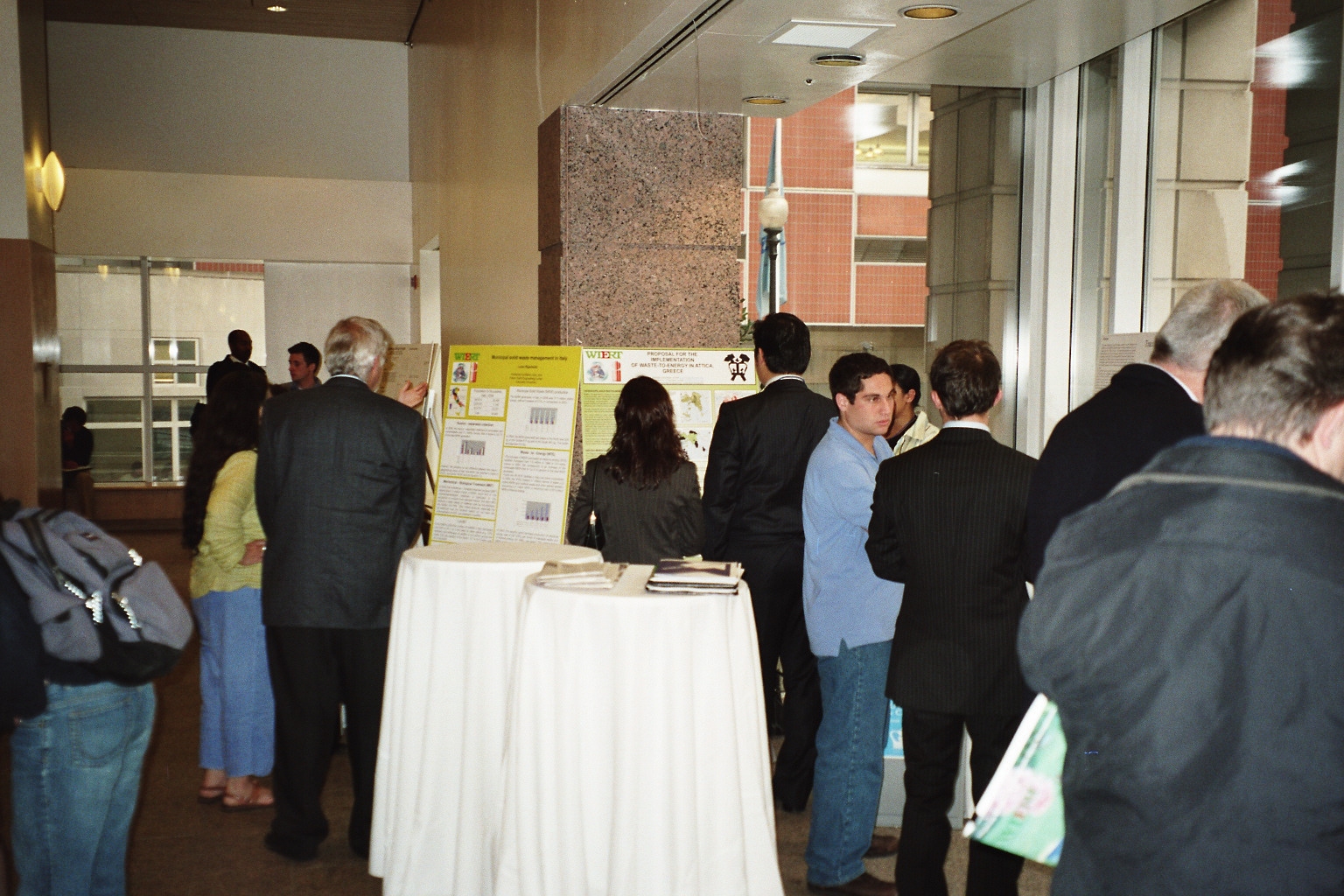
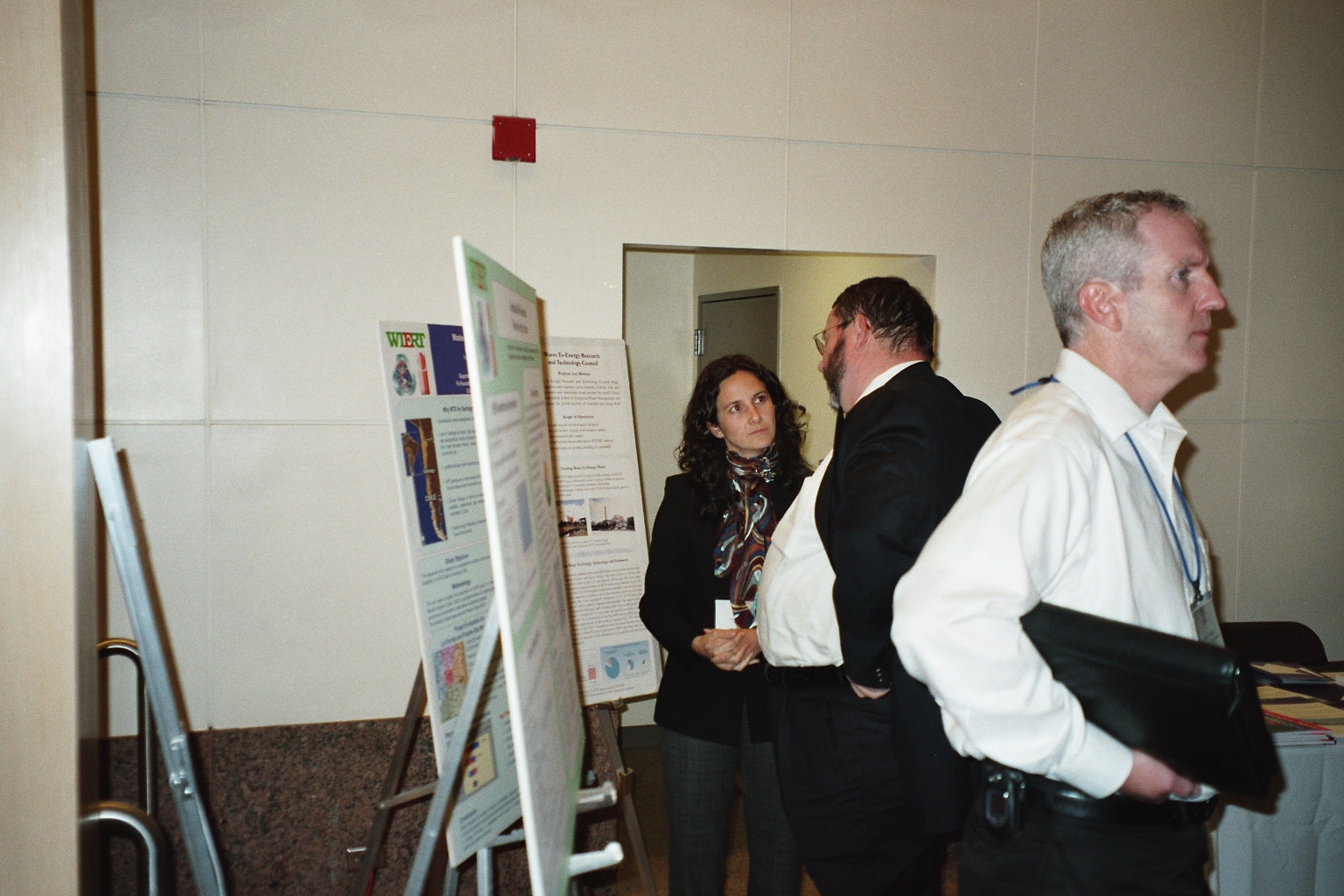
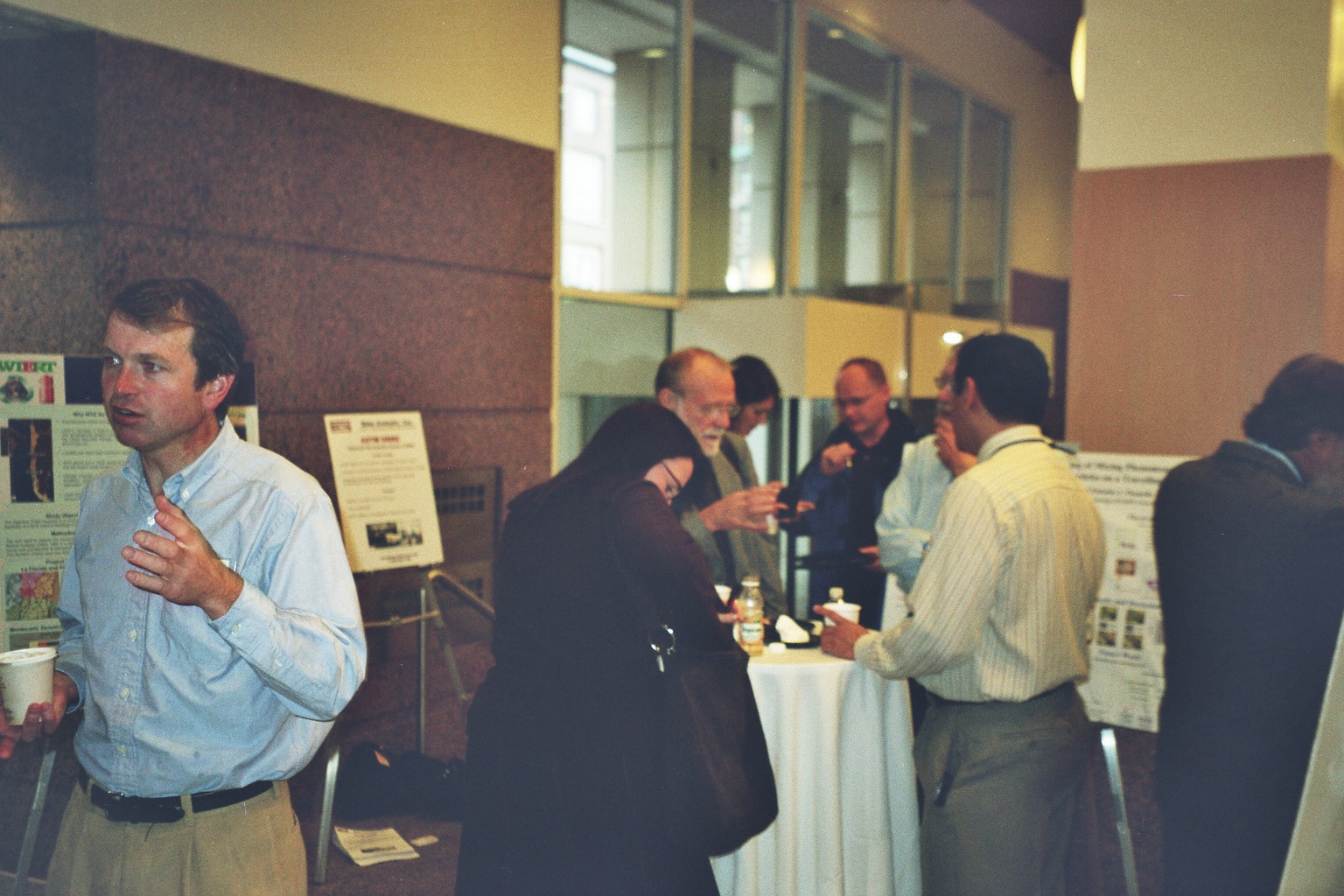
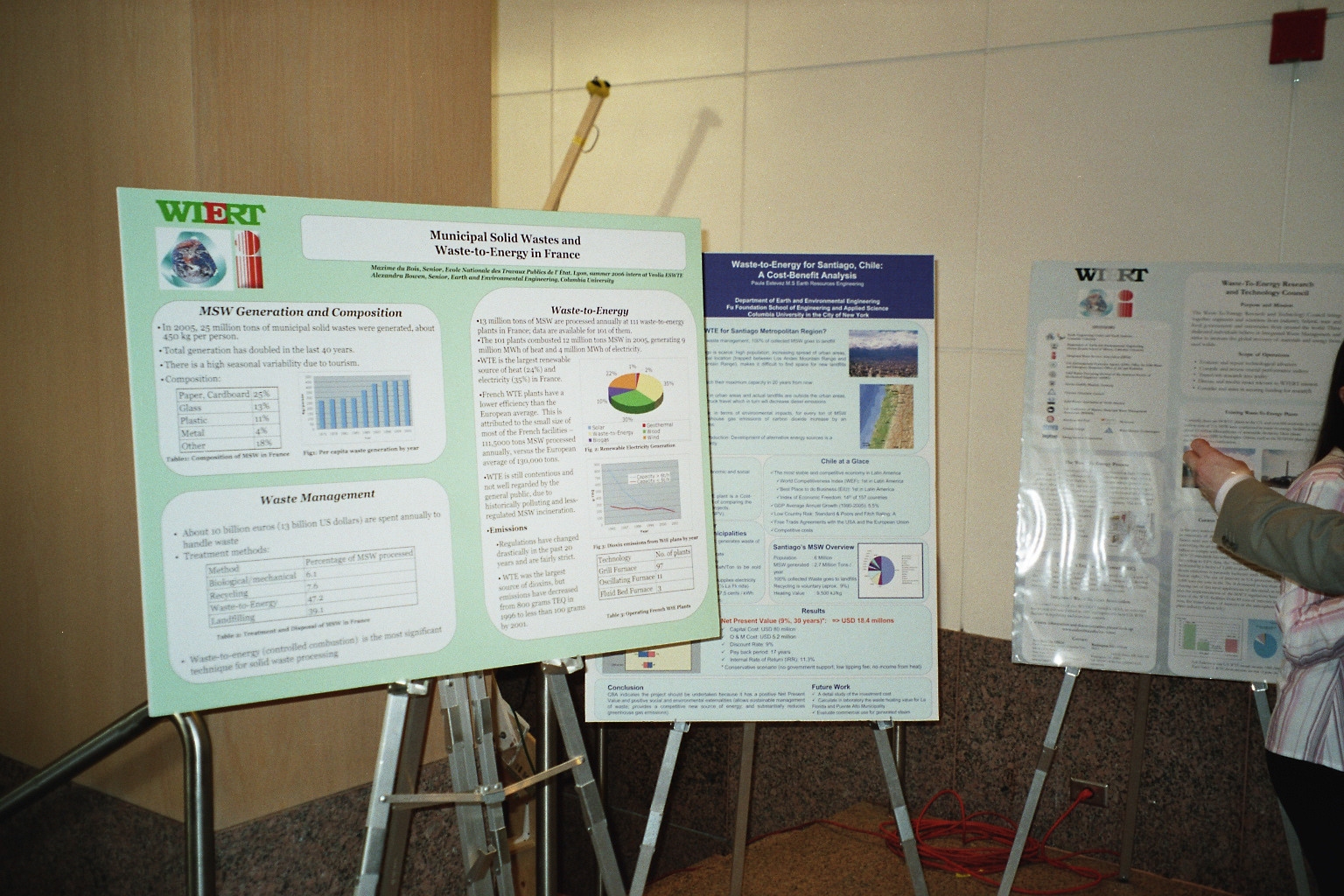
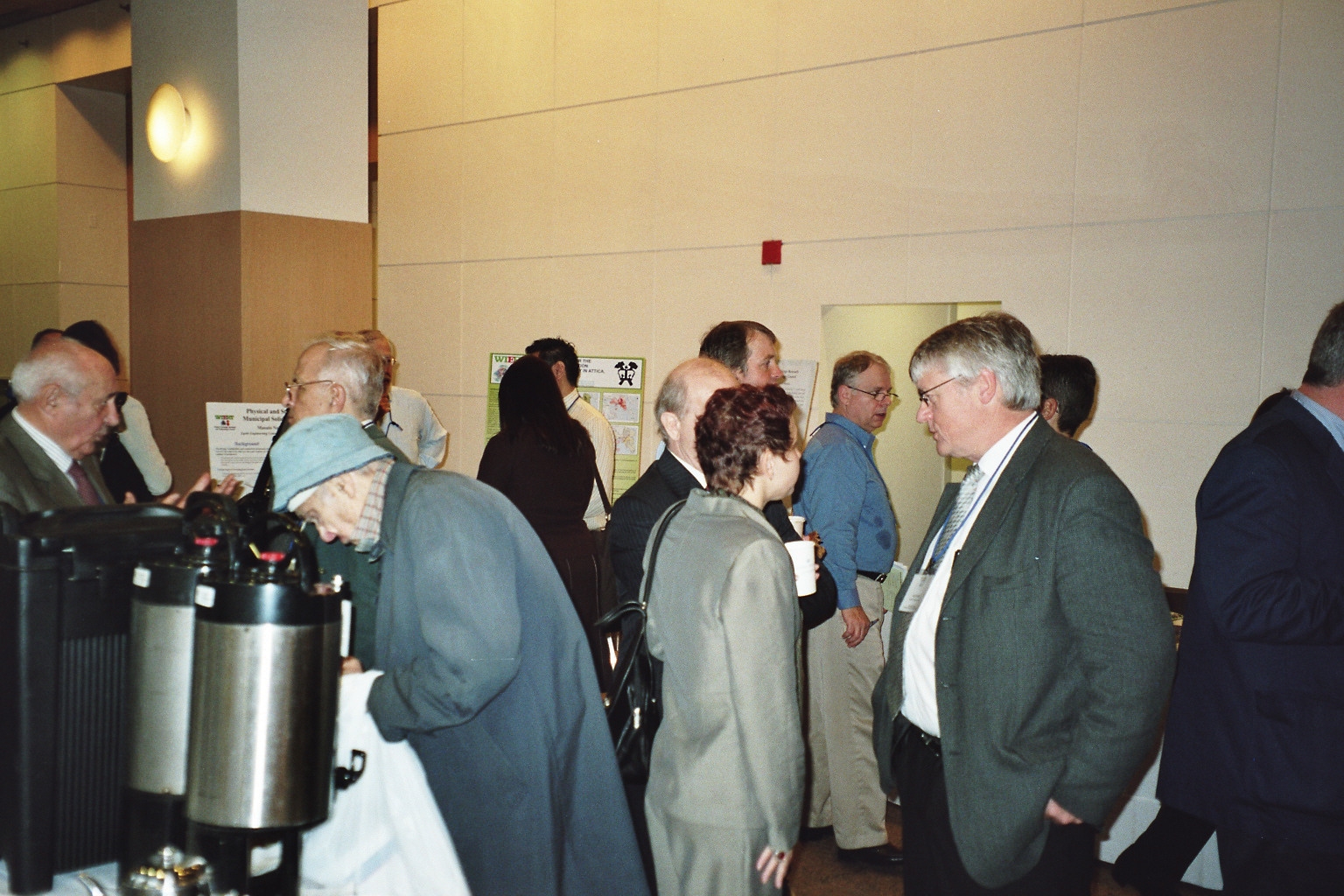
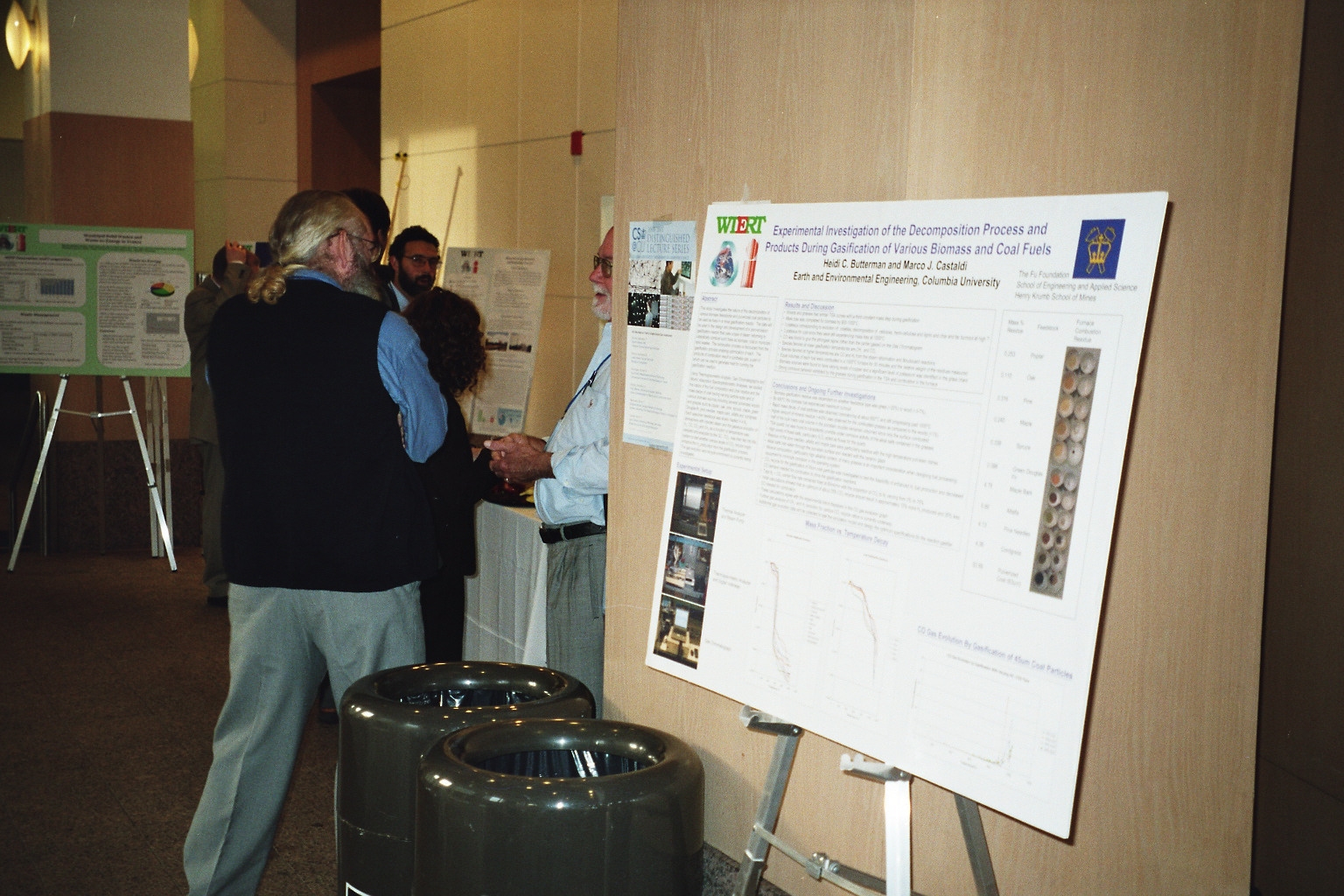
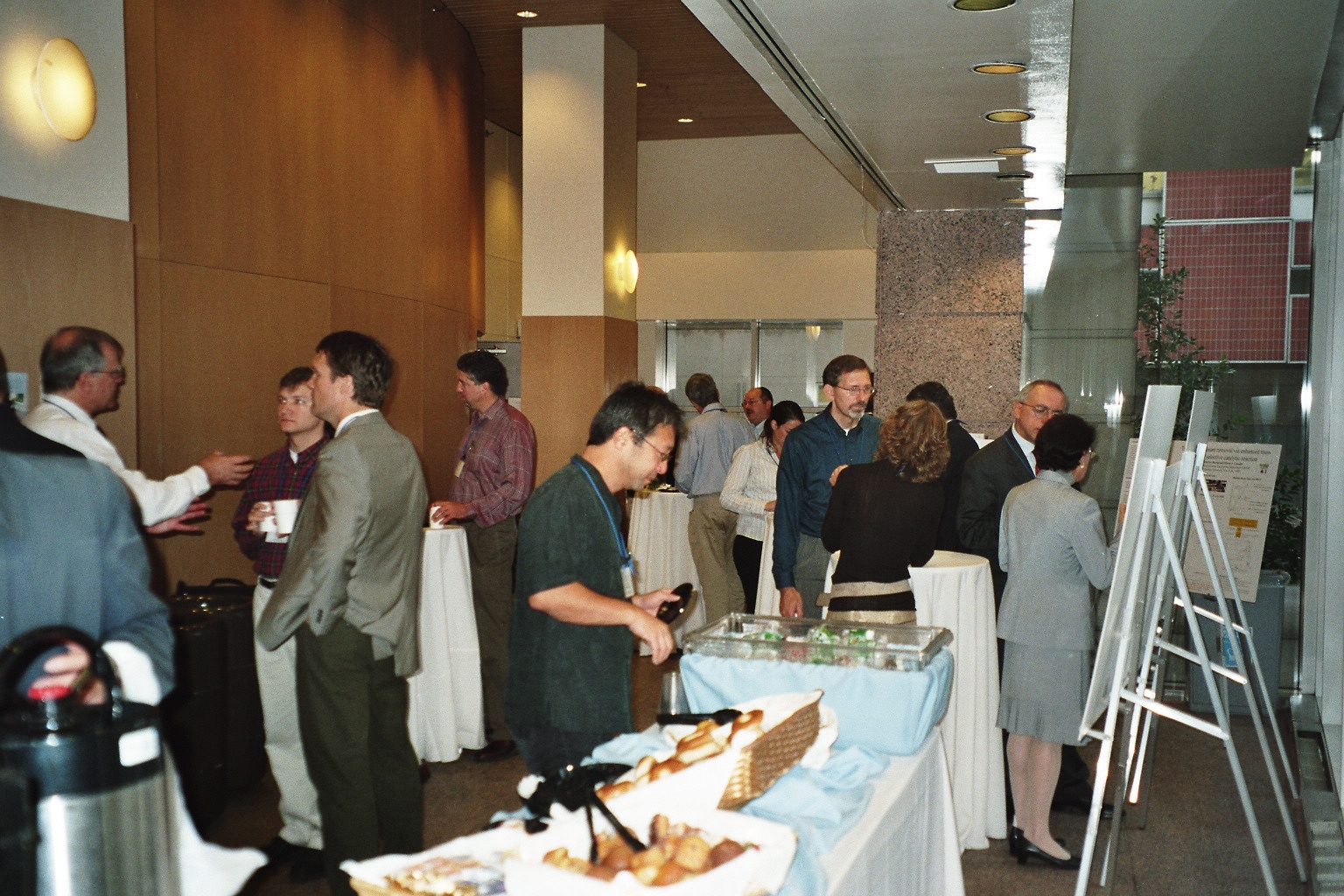
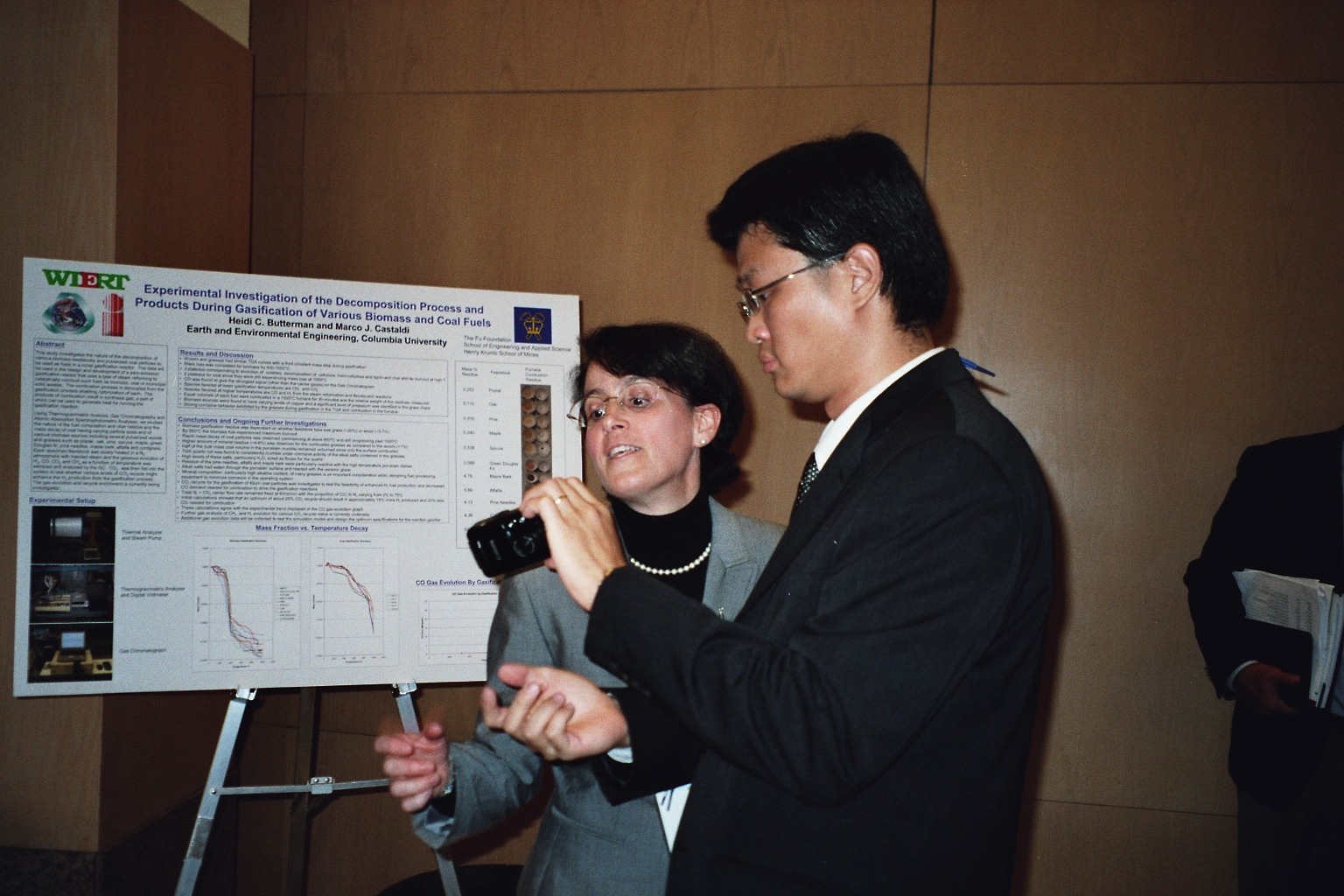
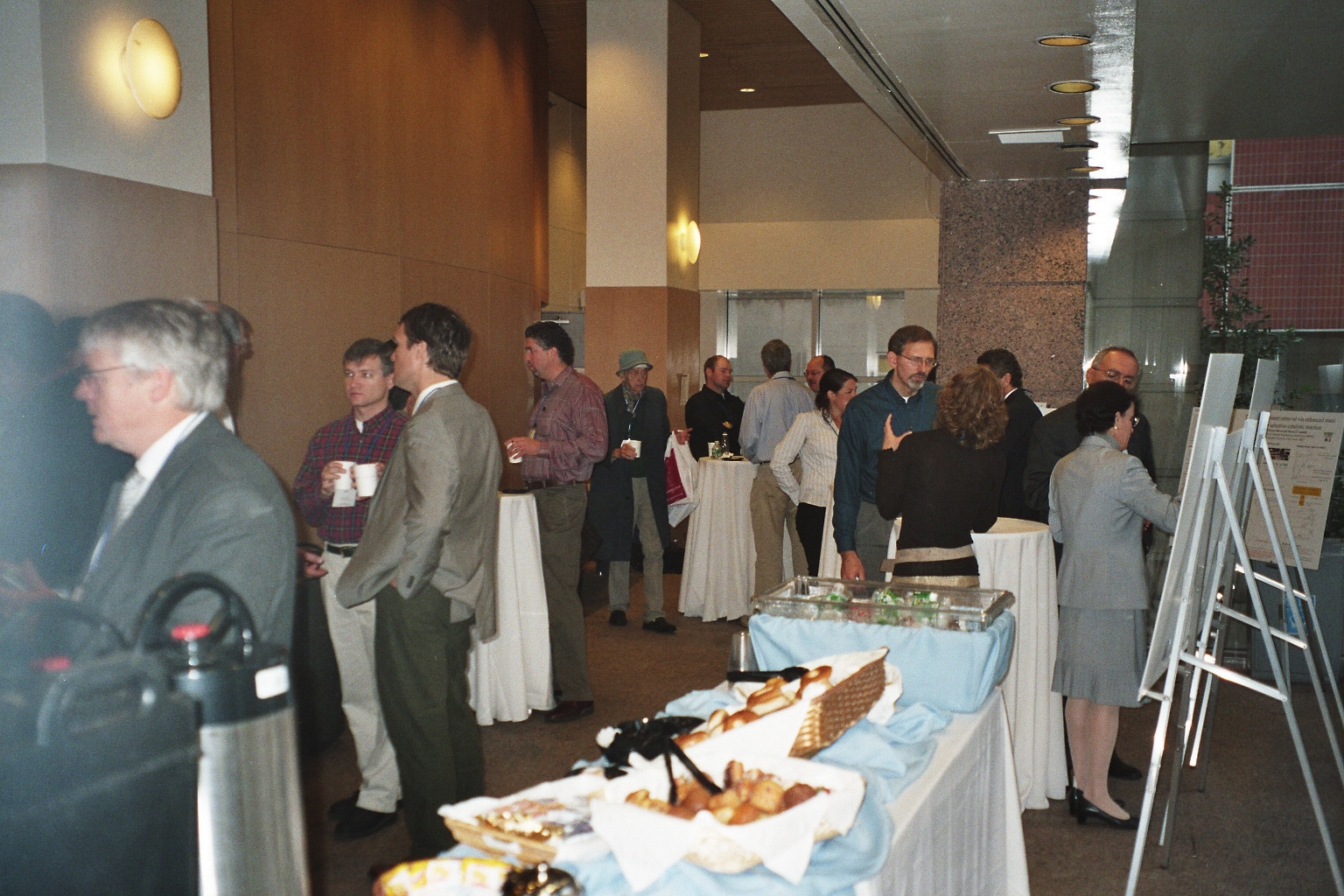
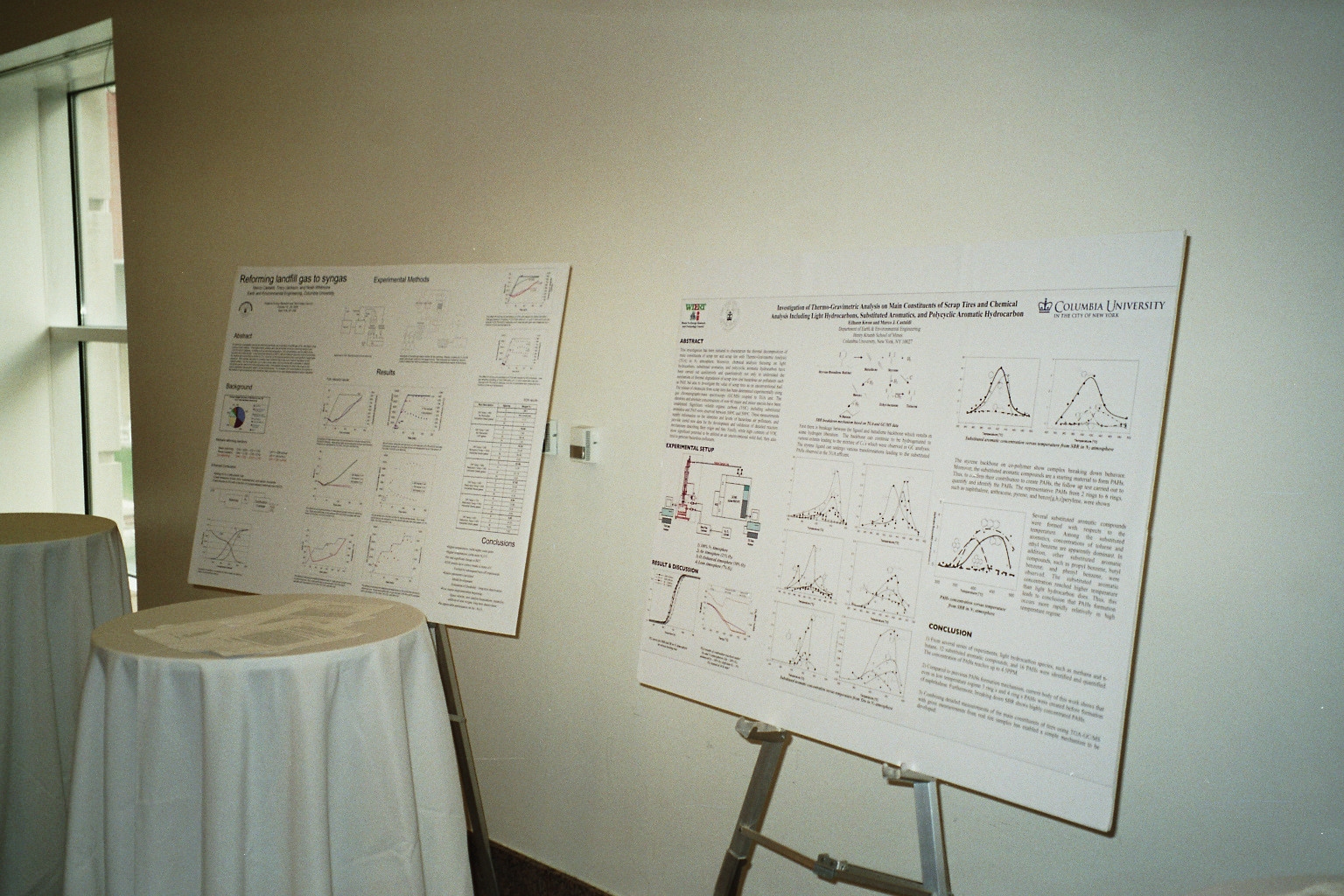
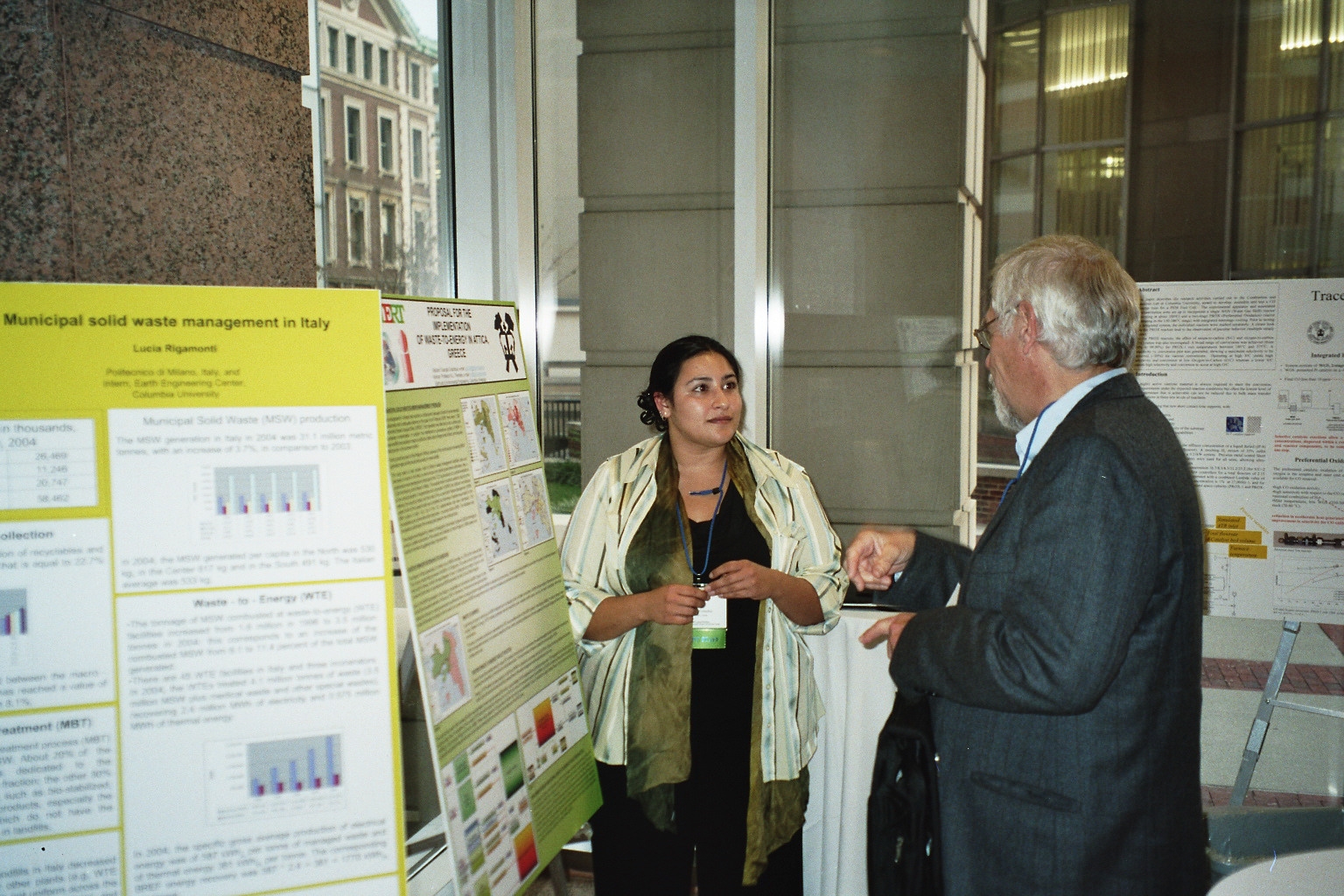
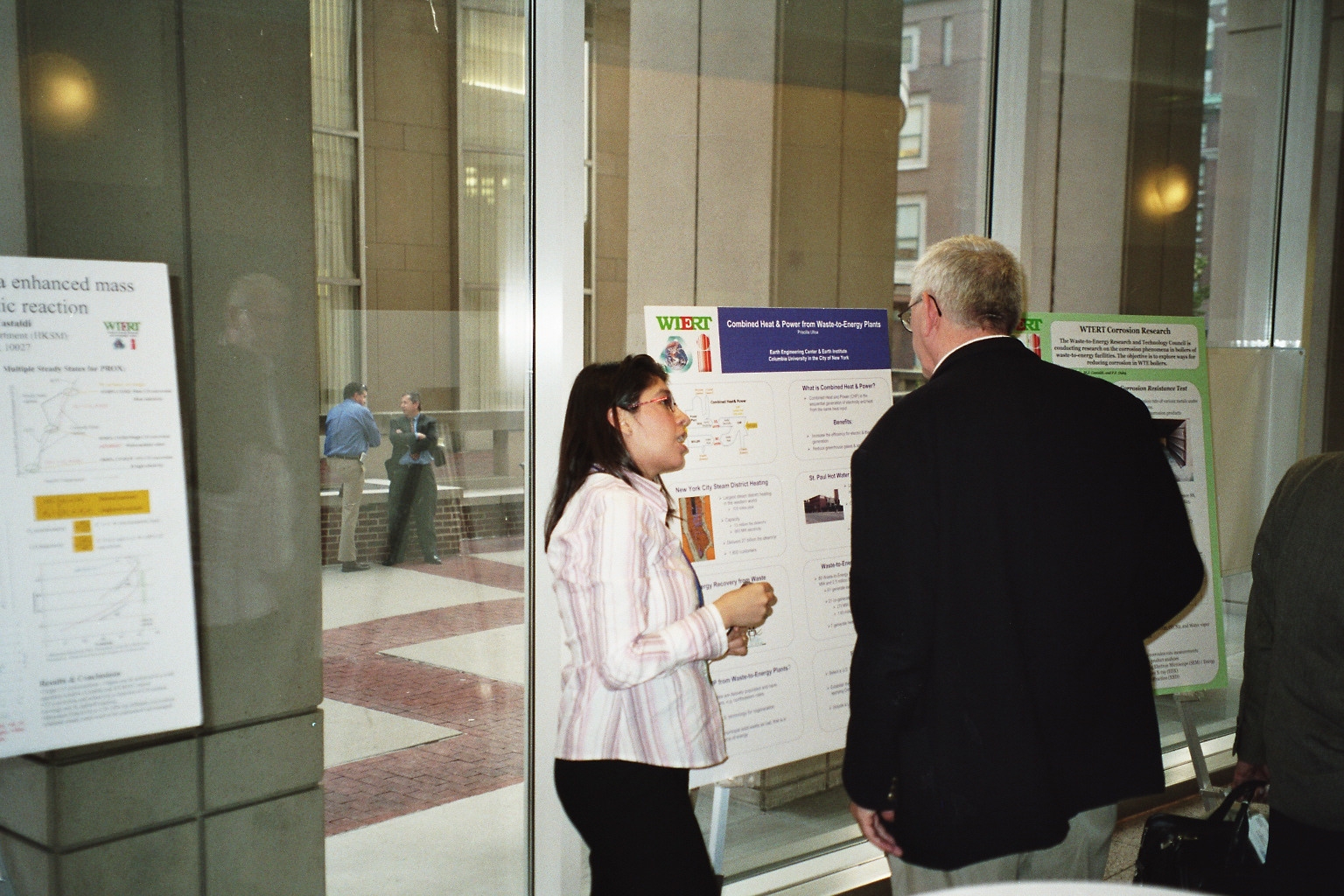
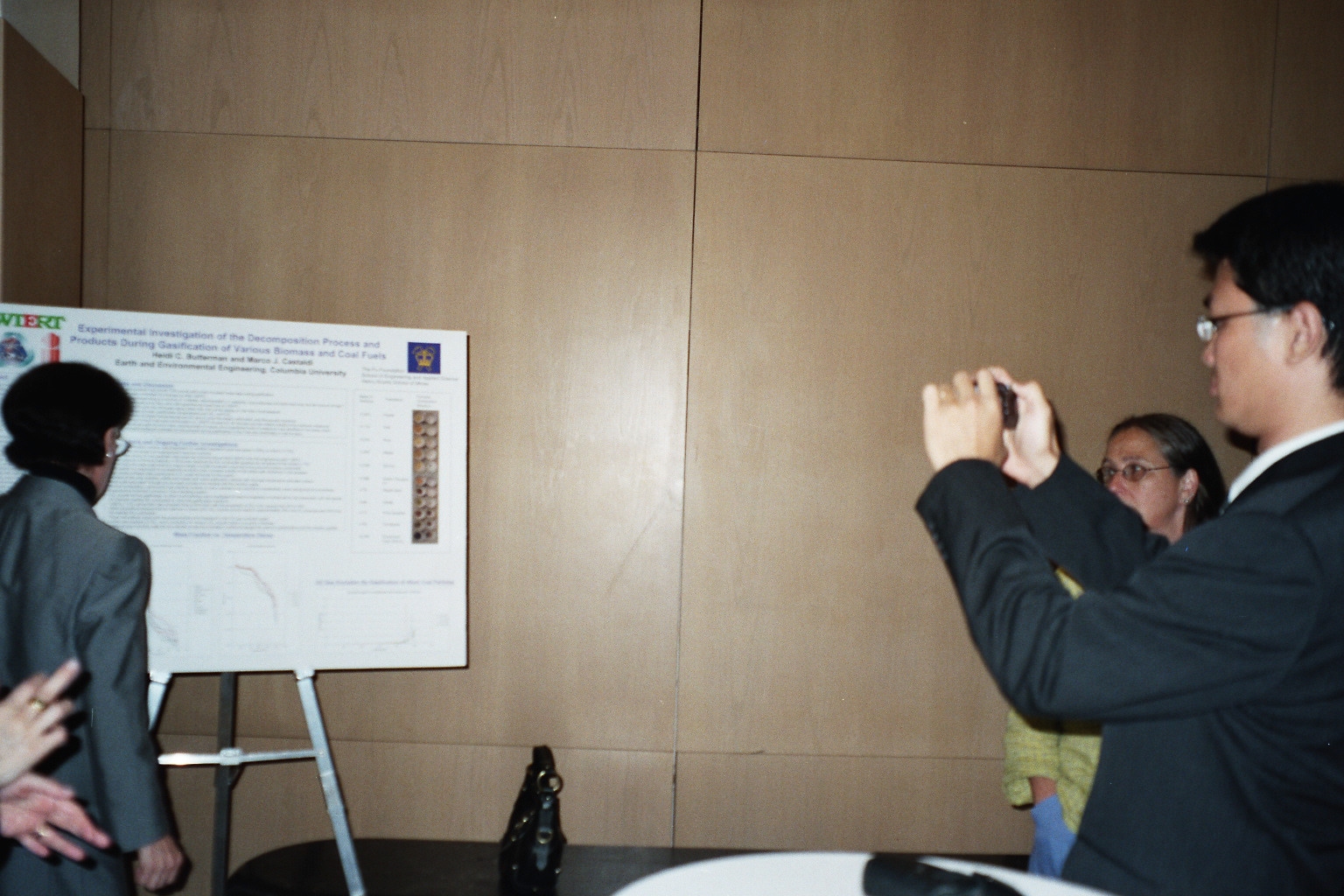
The WtERT 2006 meeting included a poster session showcasing emerging research, early-stage technologies, and academic contributions in waste-to-energy and sustainable waste management.
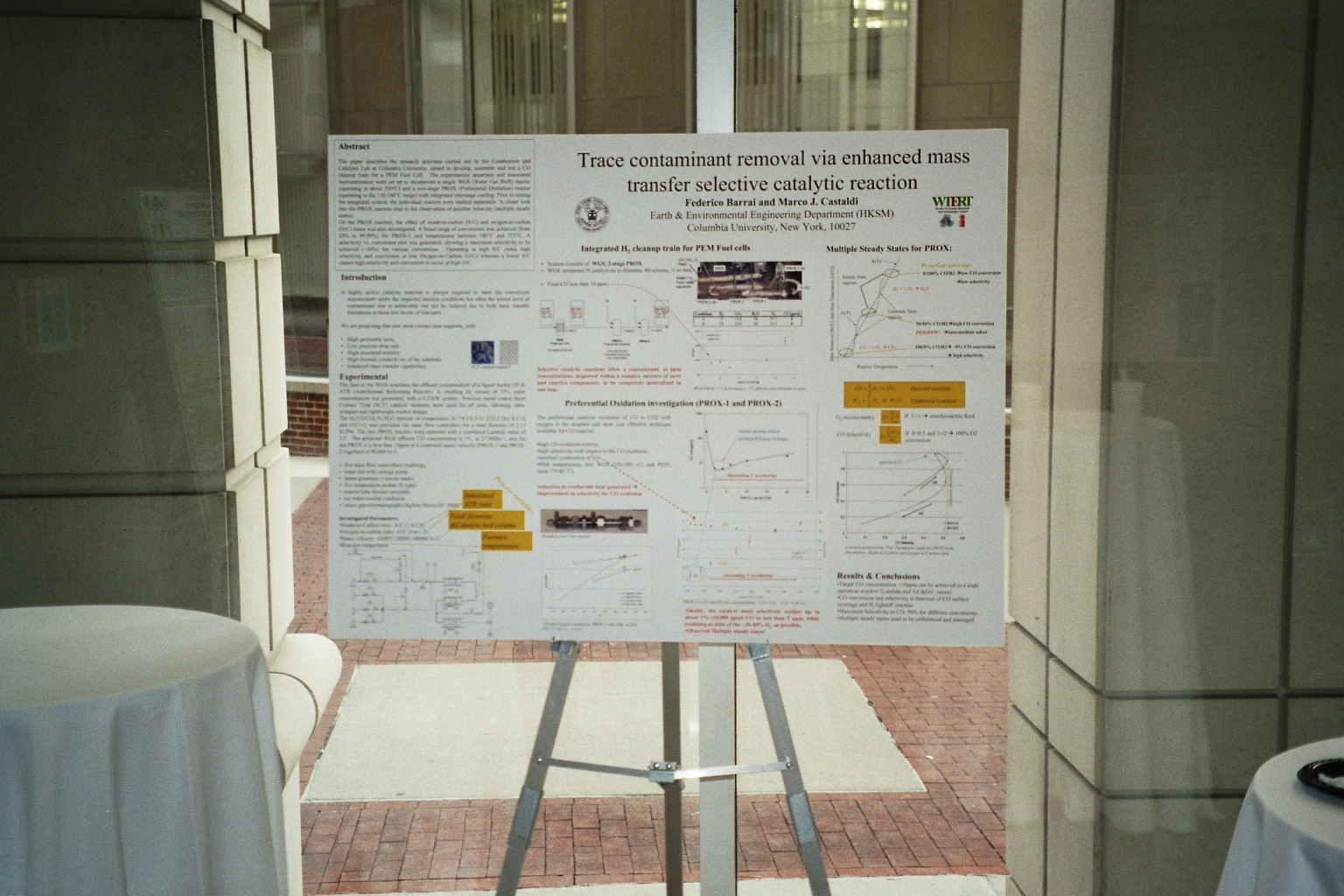
- F. Barrai – Trace contaminant removal via enhanced mass transfer selective catalytic reaction
- M. du Bois & A. Bowen – Municipal Solid Wastes and Waste-to-Energy in France
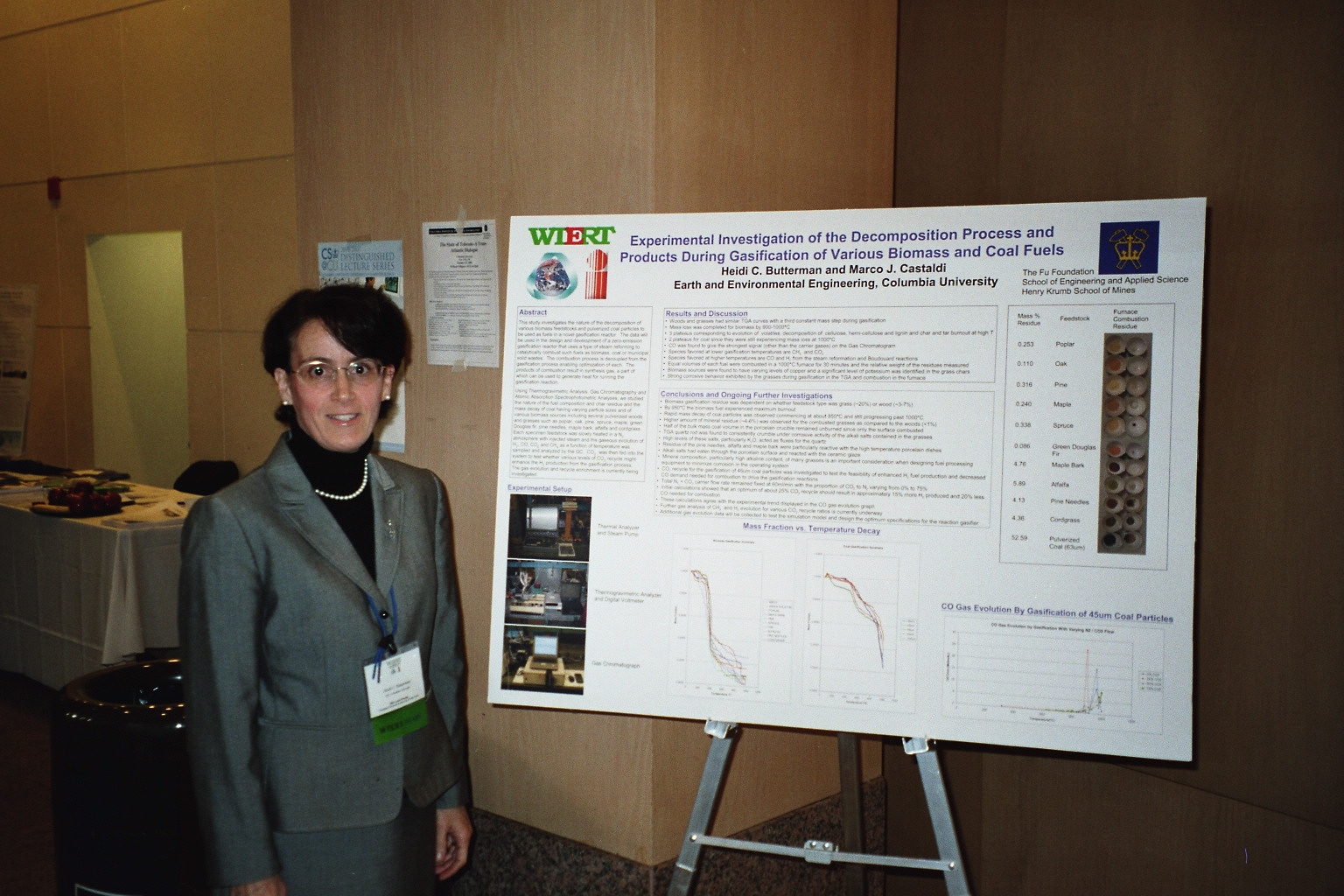
- H. Butterman – Experimental Investigation of the Decomposition Process and Products During Gasification of Various Biomass and Coal Fuels
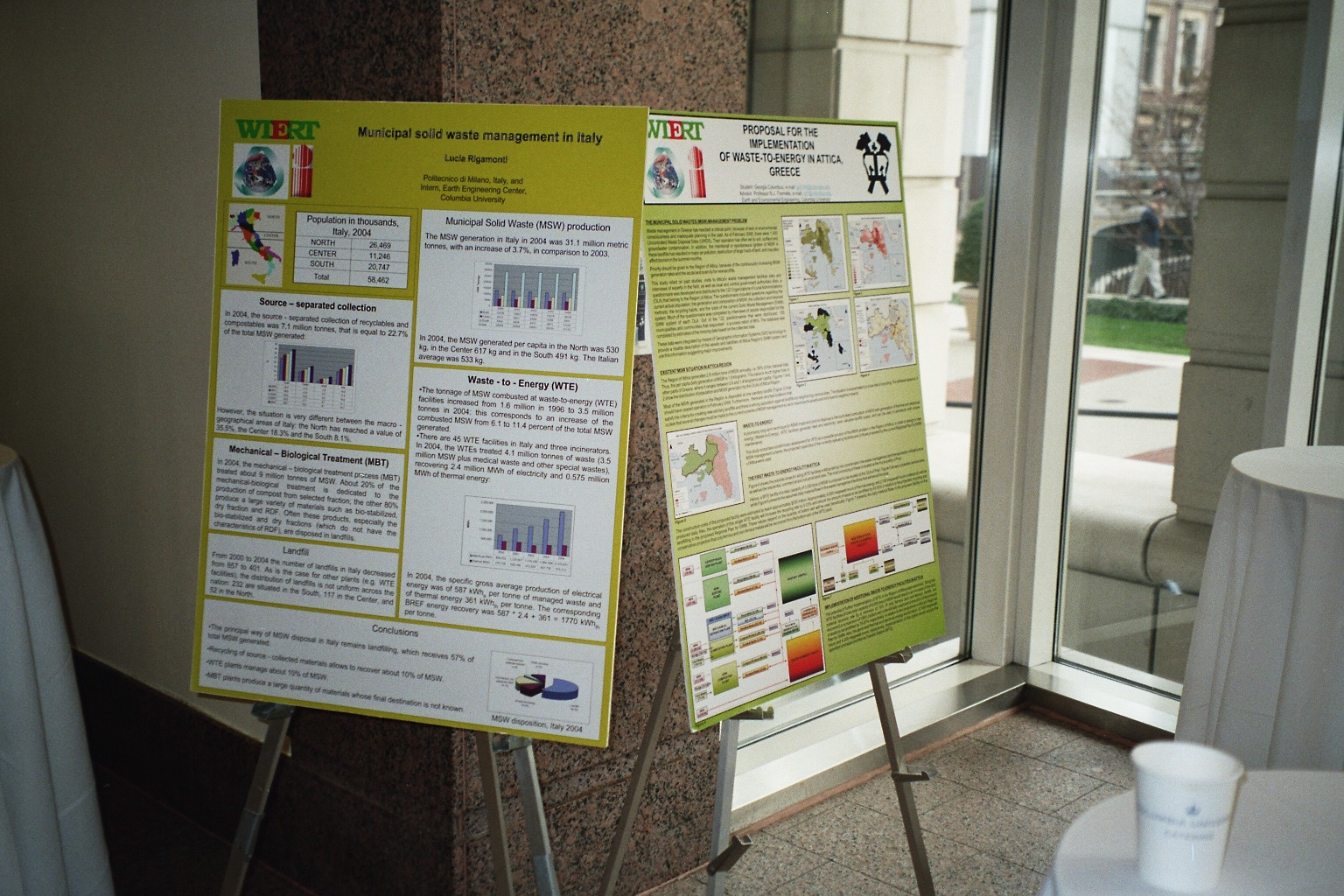
- G. Columbus – Proposal for the Implementation of Waste-to-Energy in Attica, Greece
- P. Estevez – Waste-to-Energy for Santiago, Chile: A Cost-Benefit Analysis
- E. Kwon – Investigation of Thermo-Gravimetric Analysis on Main Constituents of Scrap Tires and Chemical Analysis Including Light Hydrocarbons, Substituted Aromatics, and Polycyclic Aromatic Hydrocarbon
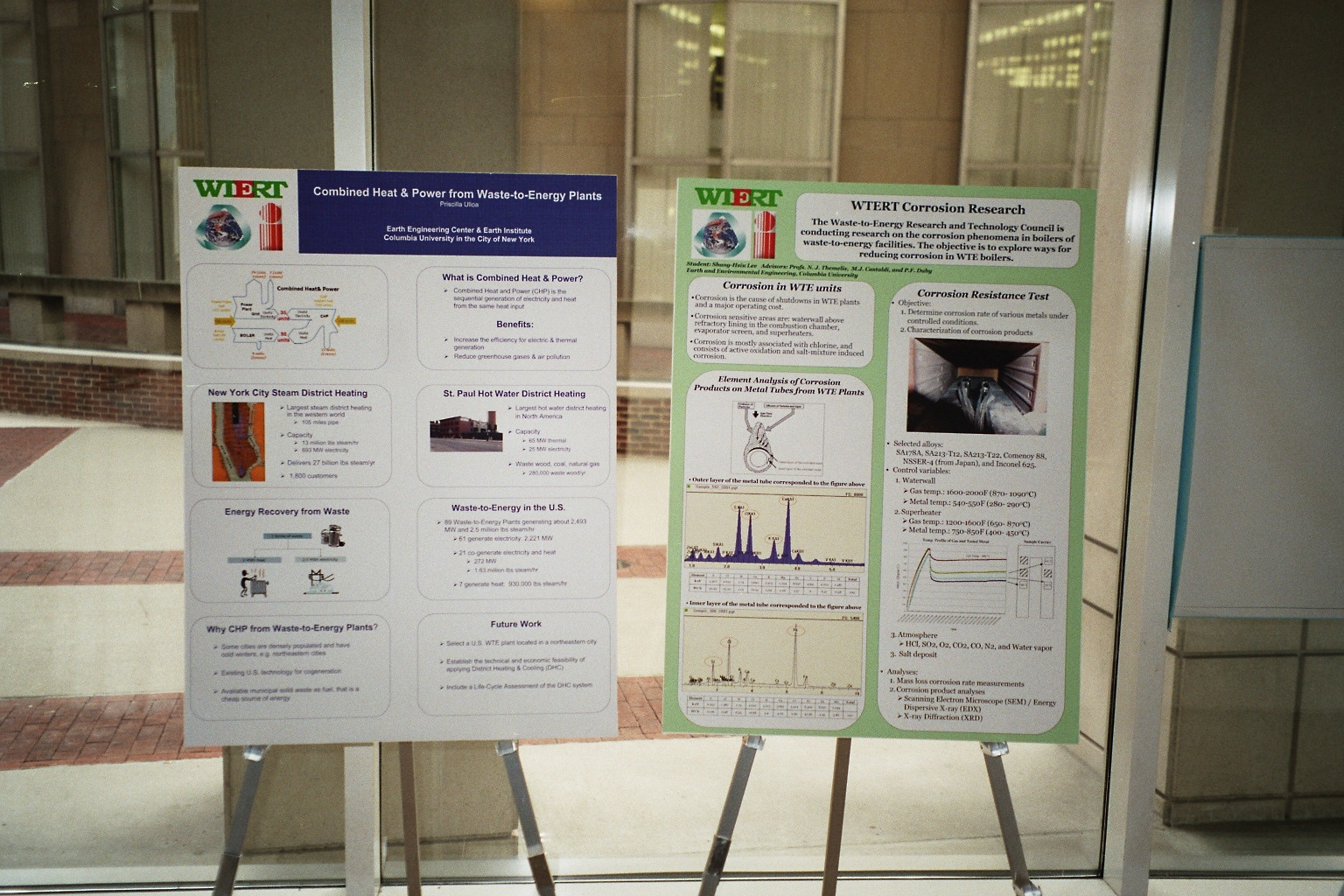
- S.H. Lee – WtERT Corrosion Research
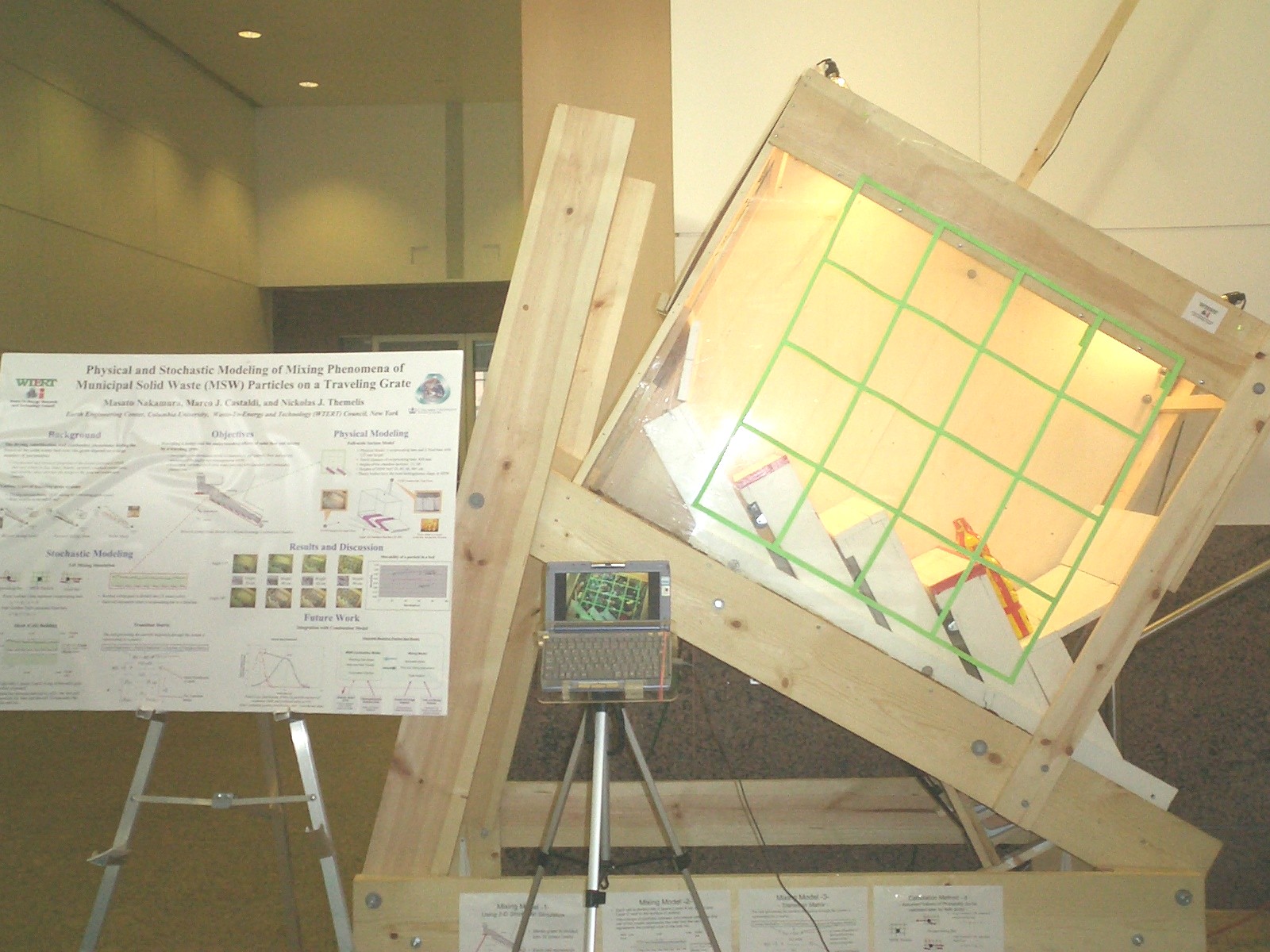
- M. Nakamura – Physical and Stochastic Modeling of Mixing Phenomena of Municipal Solid Waste (MSW) Particles on a Traveling Grate
- L. Rigamonti – Municipal solid waste management in Italy
- P. Ulloa – Combined Heat & Power from Waste-to-Energy Plants
- N. Whitmore – Reforming landfill gas to syngas
- Y. Zhou – Carbon neutral energy production: CH4 production from hydrate via in-situ combustion
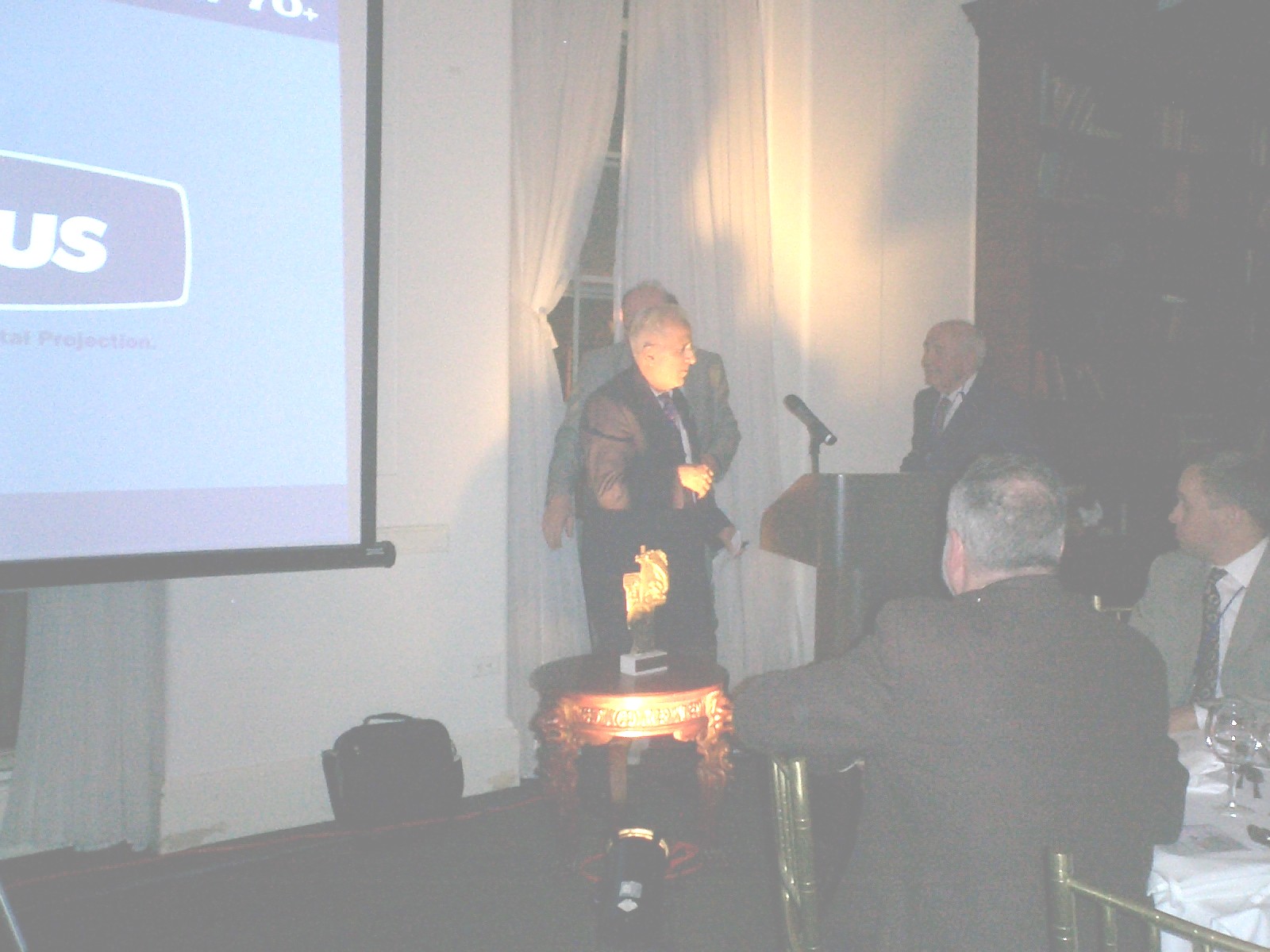
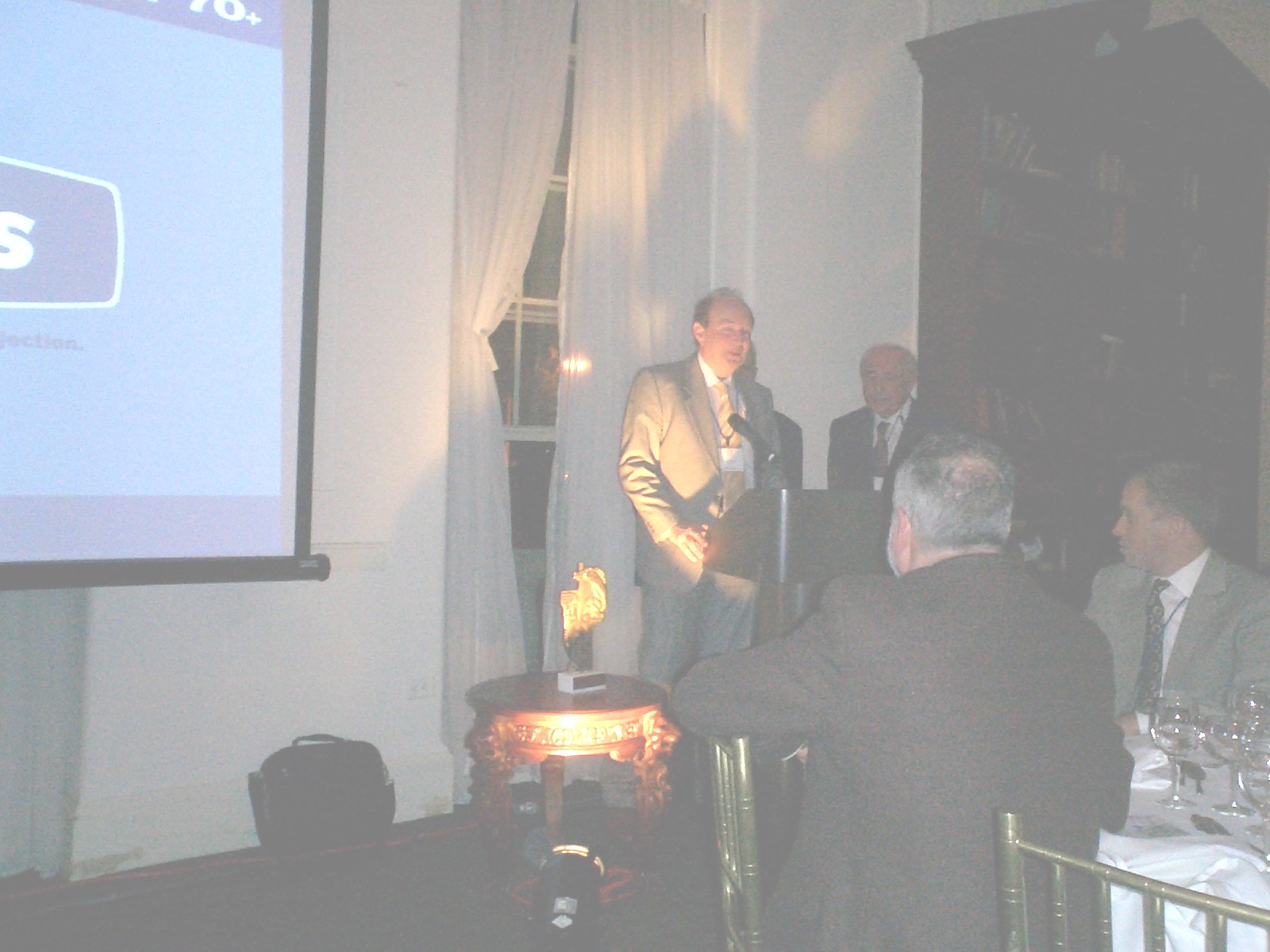
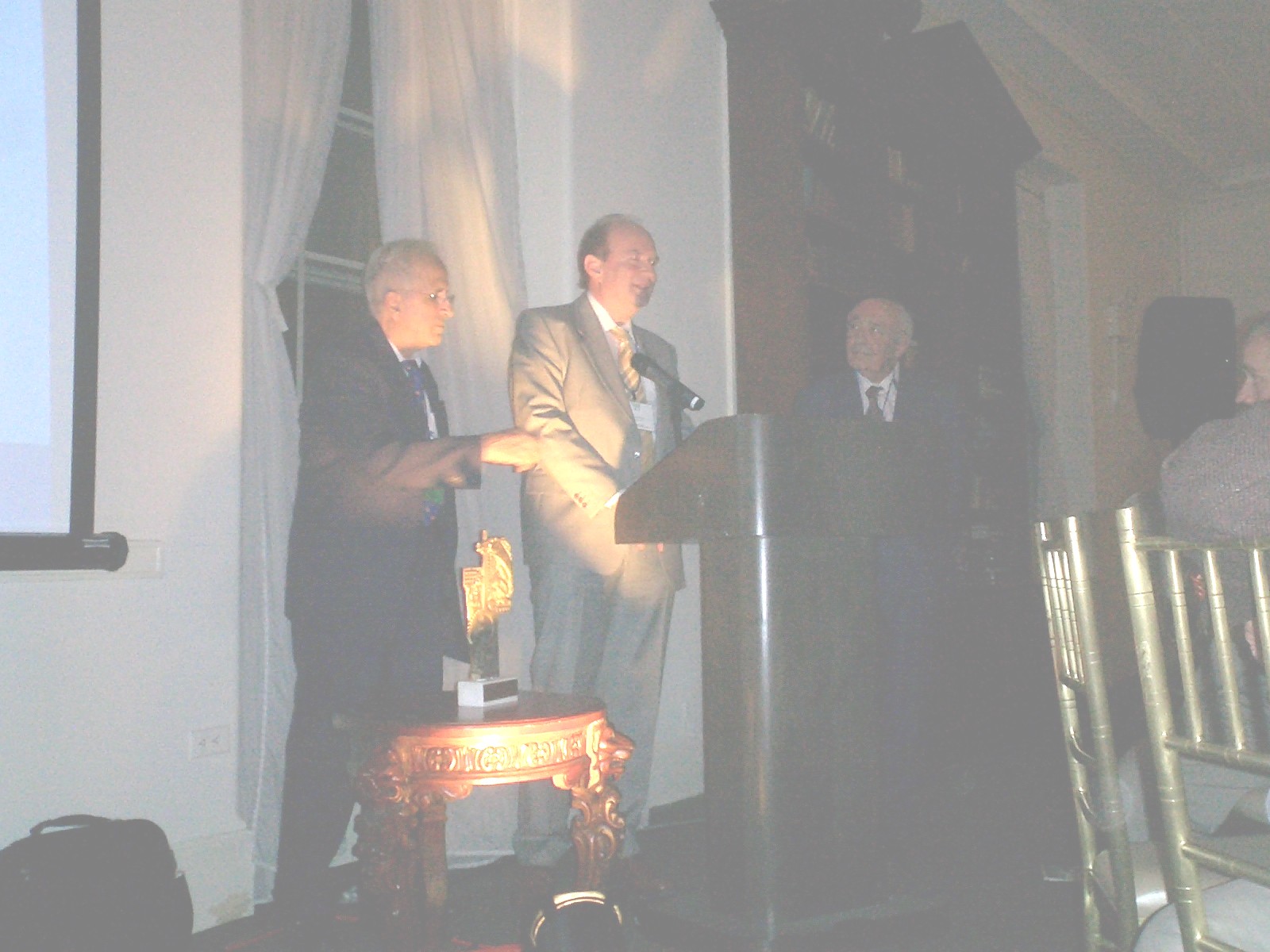
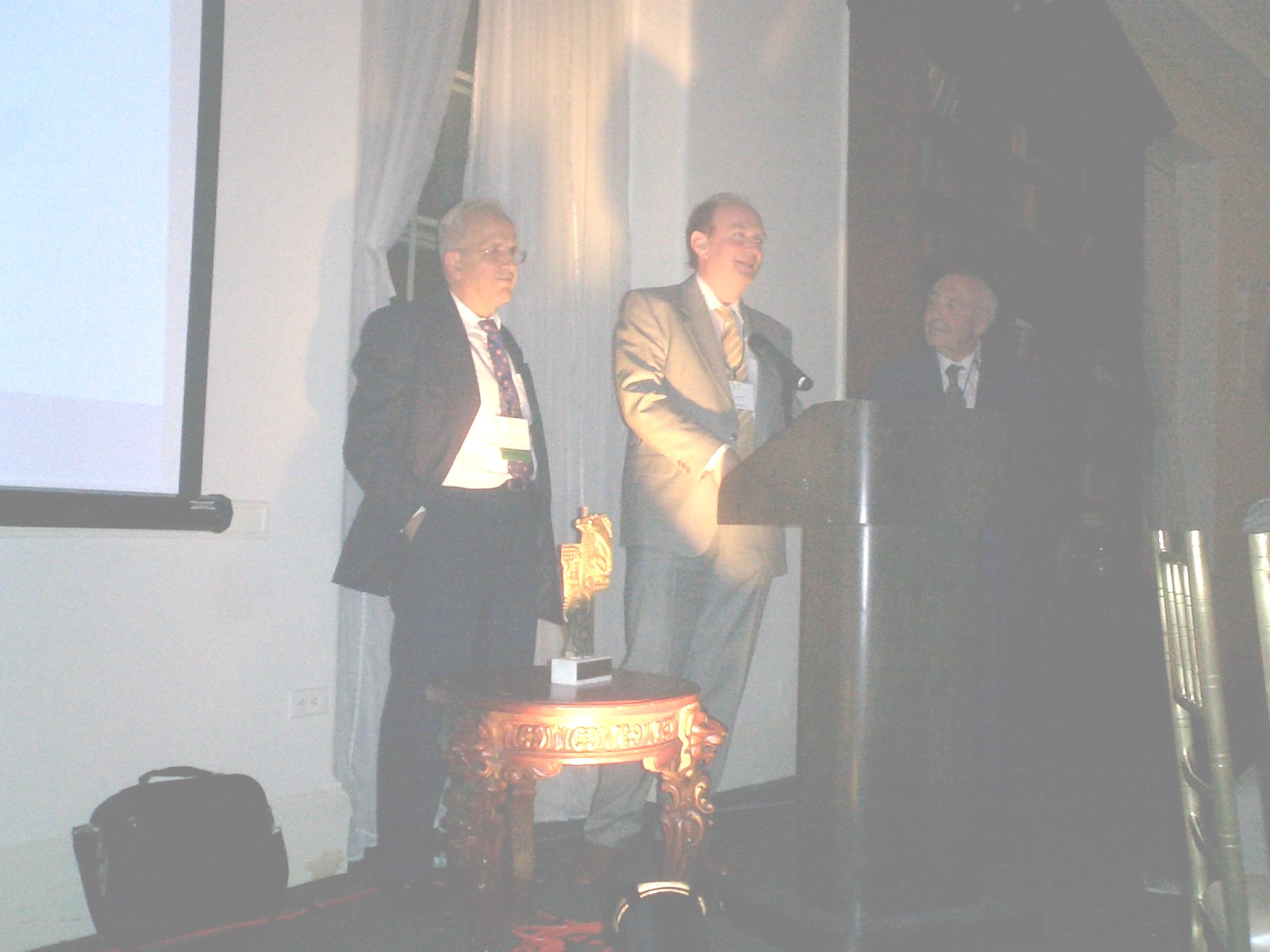
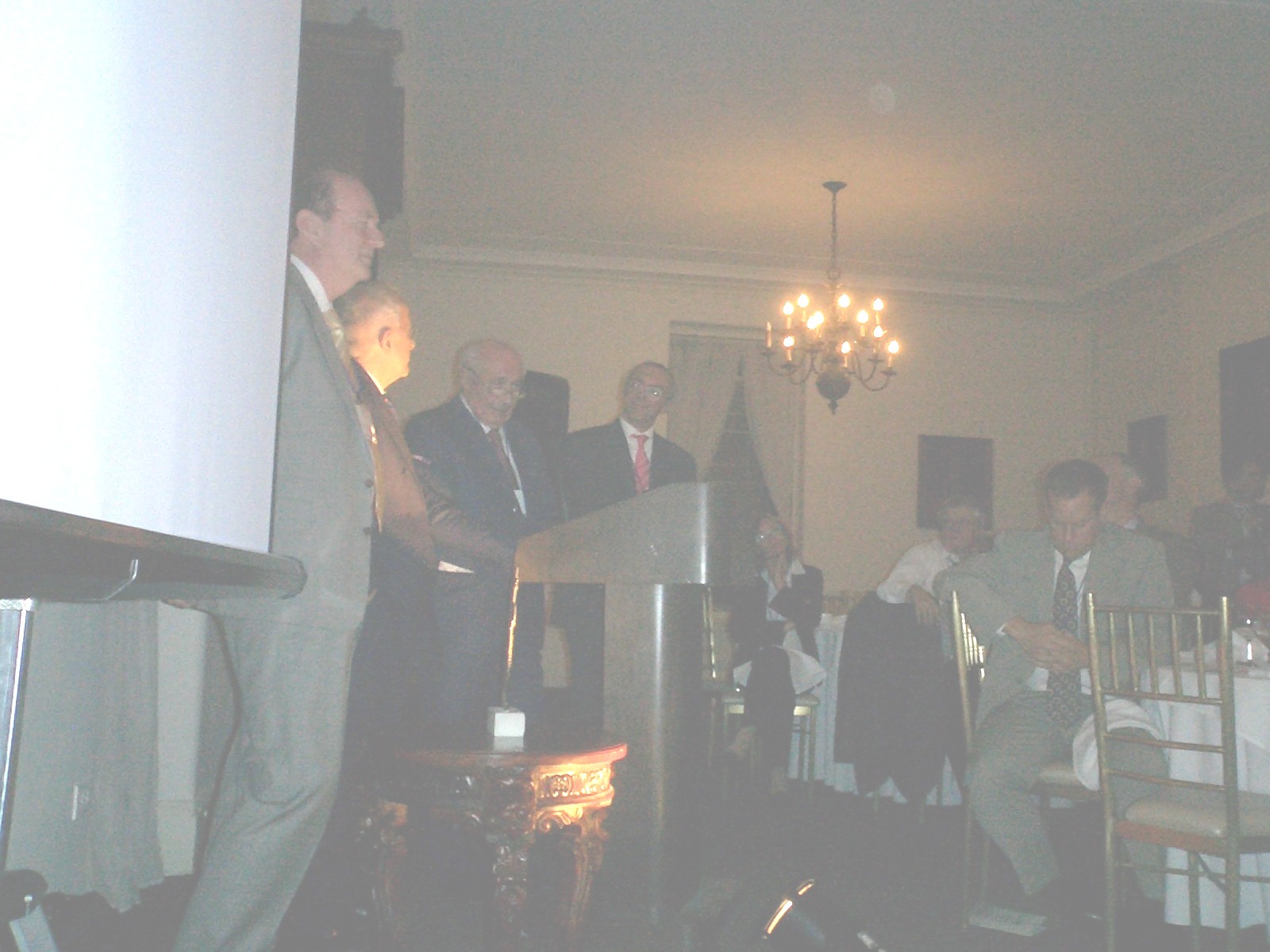
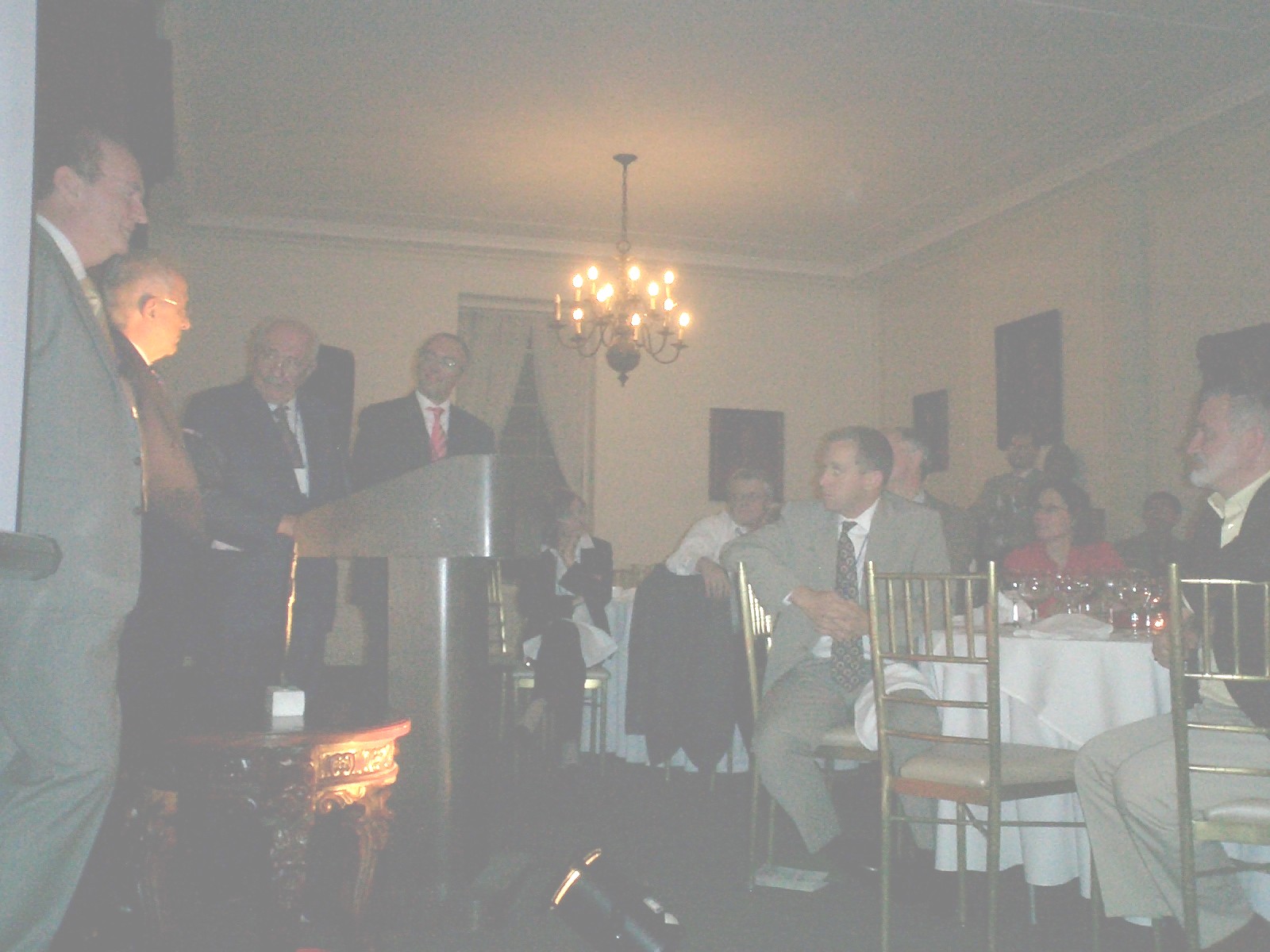
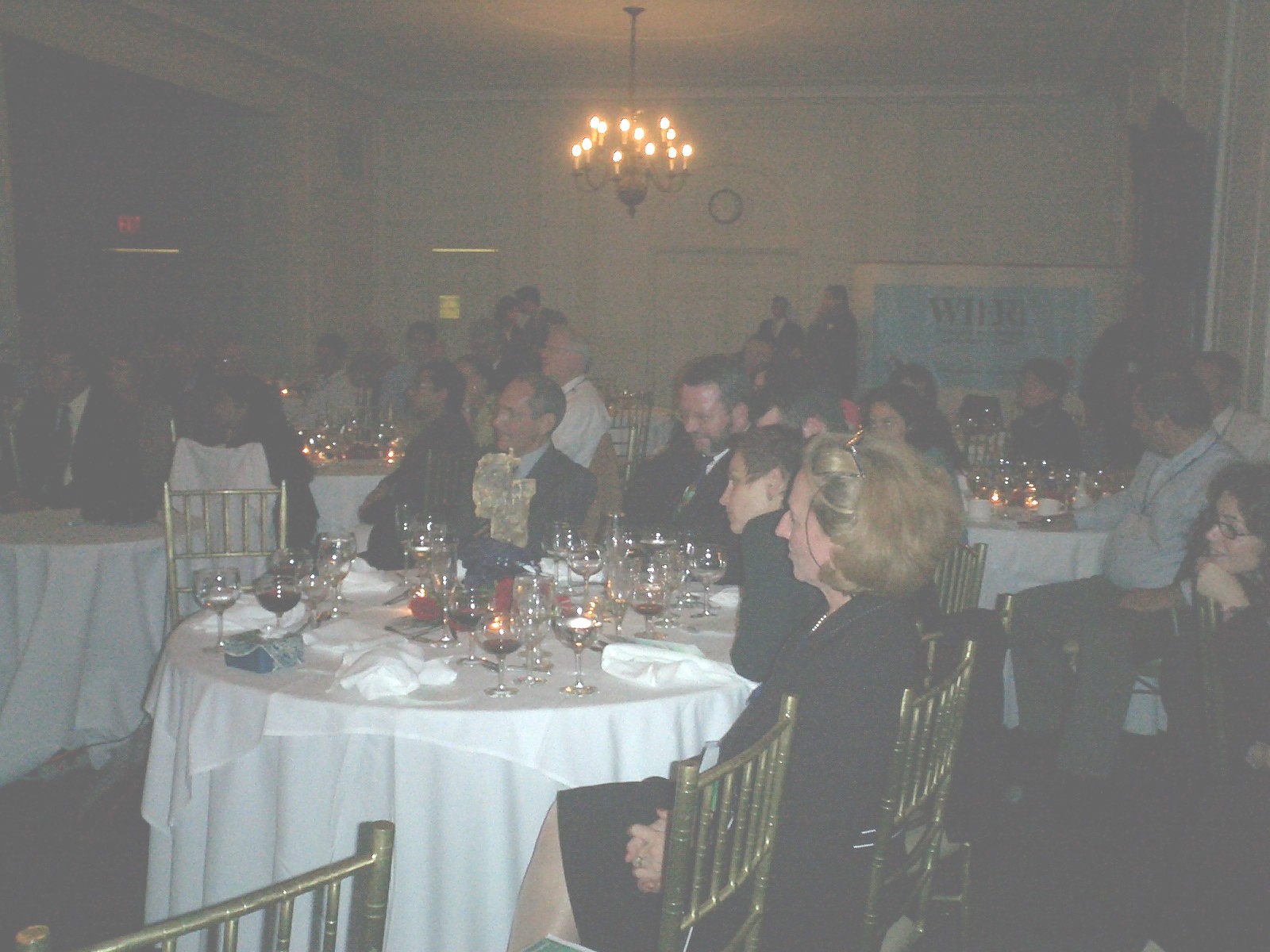
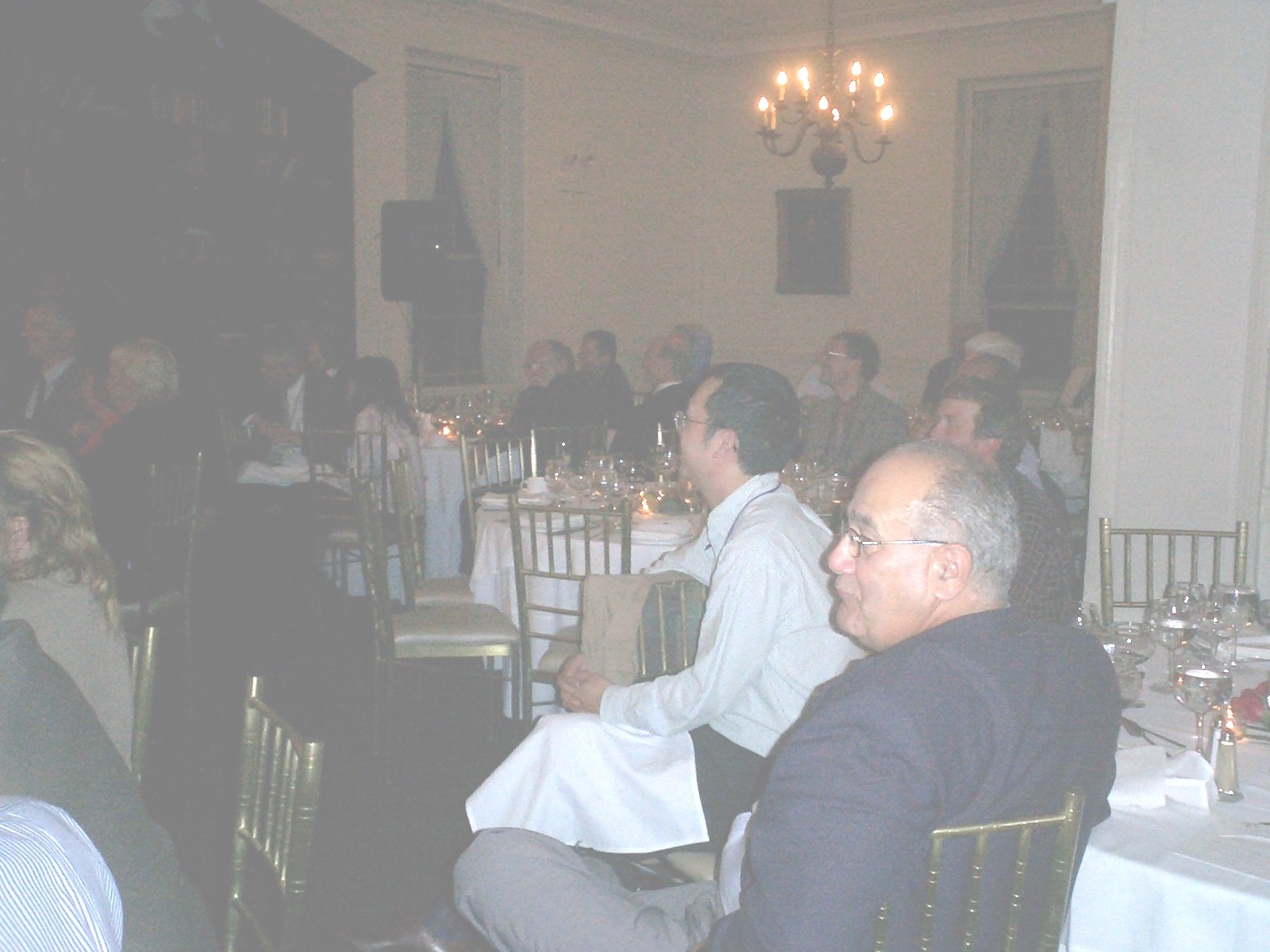
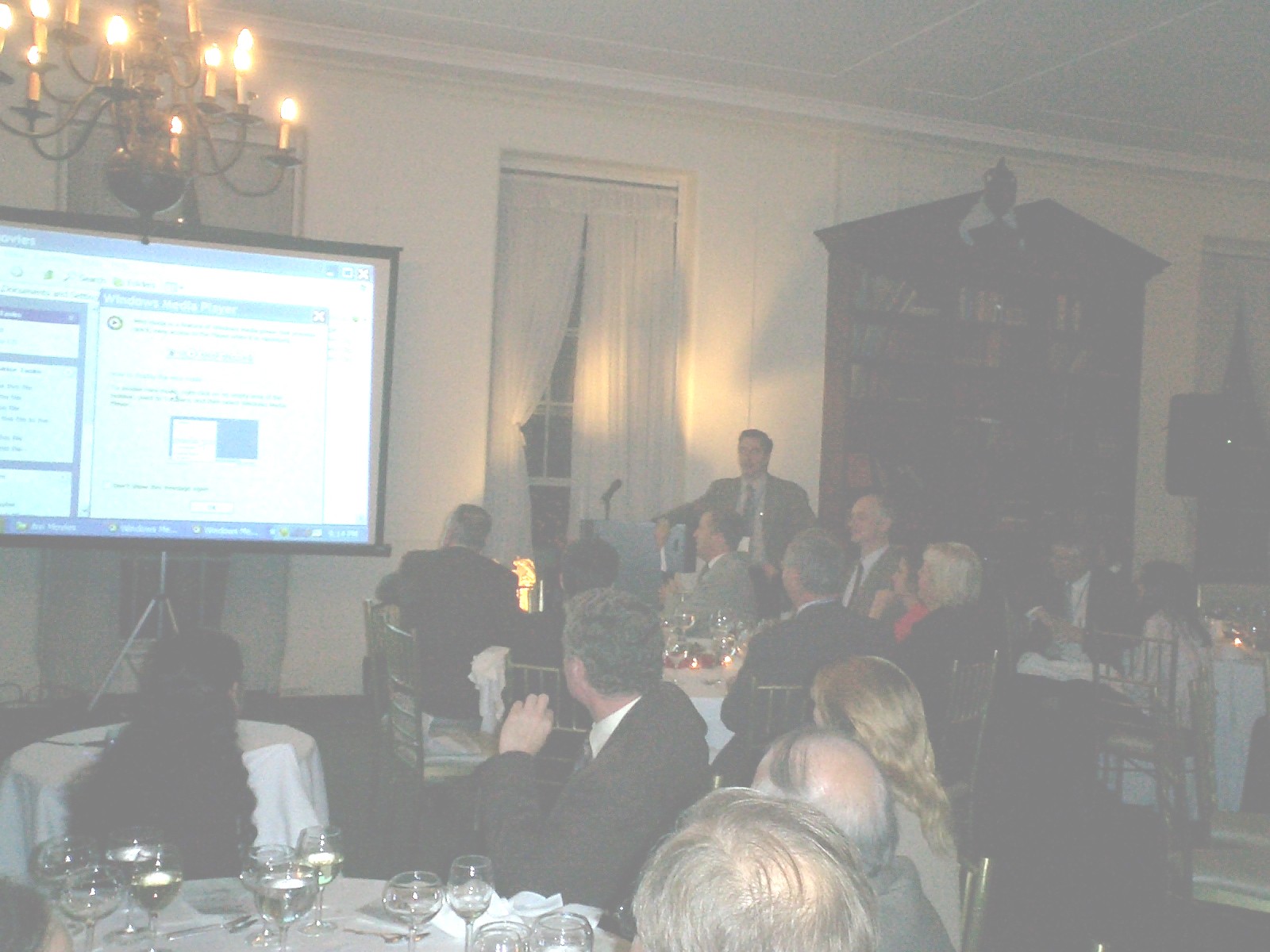
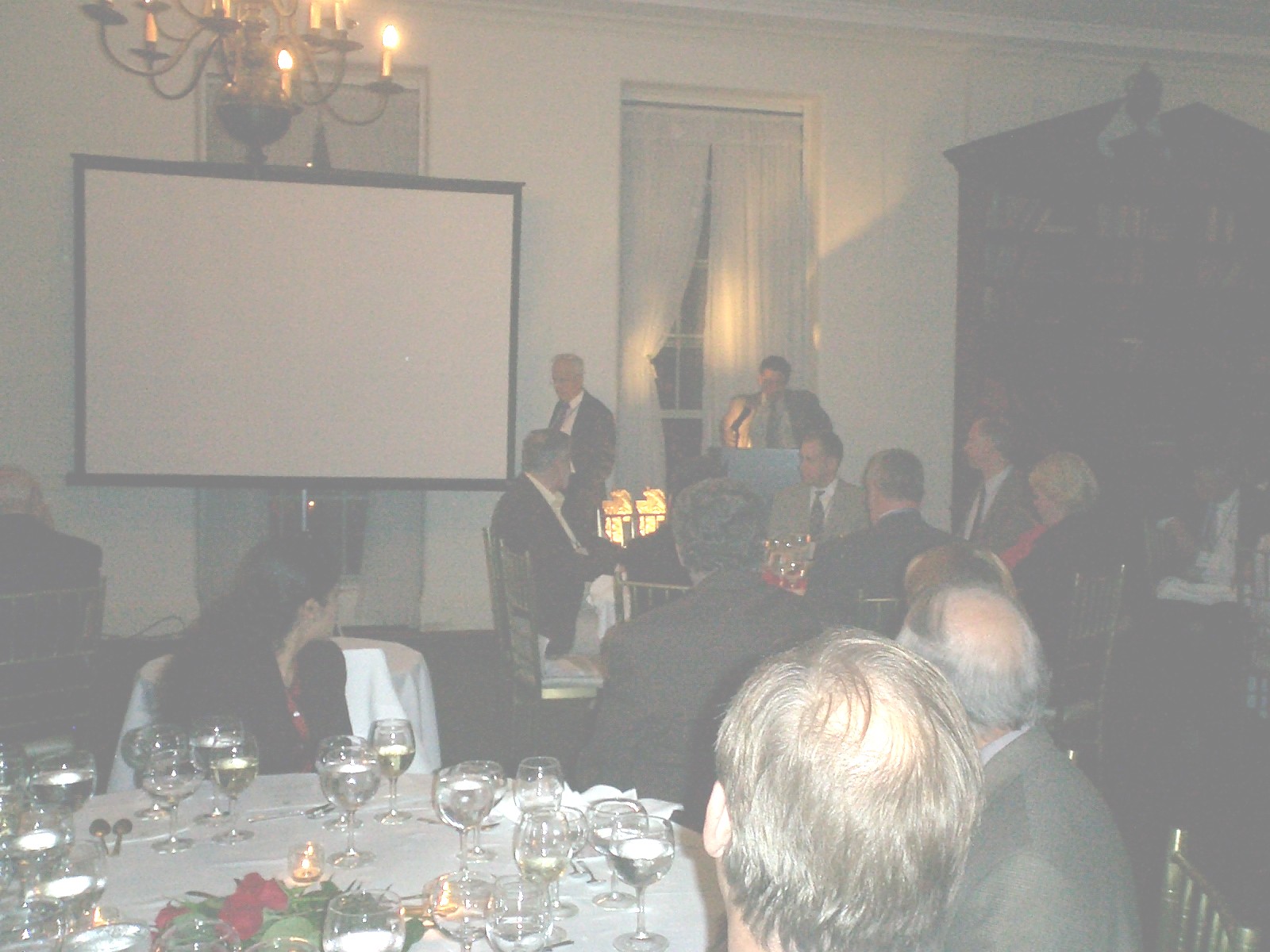
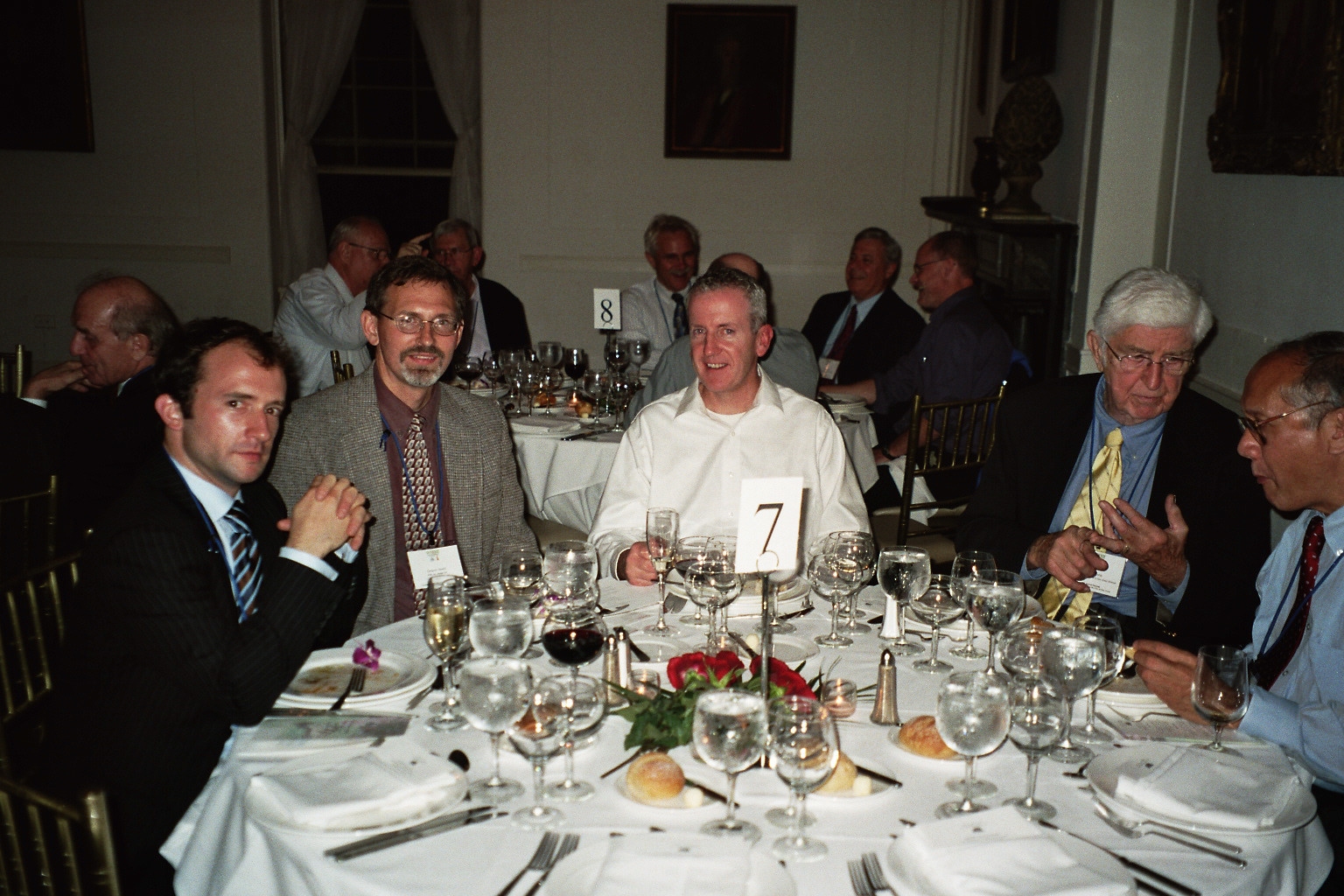
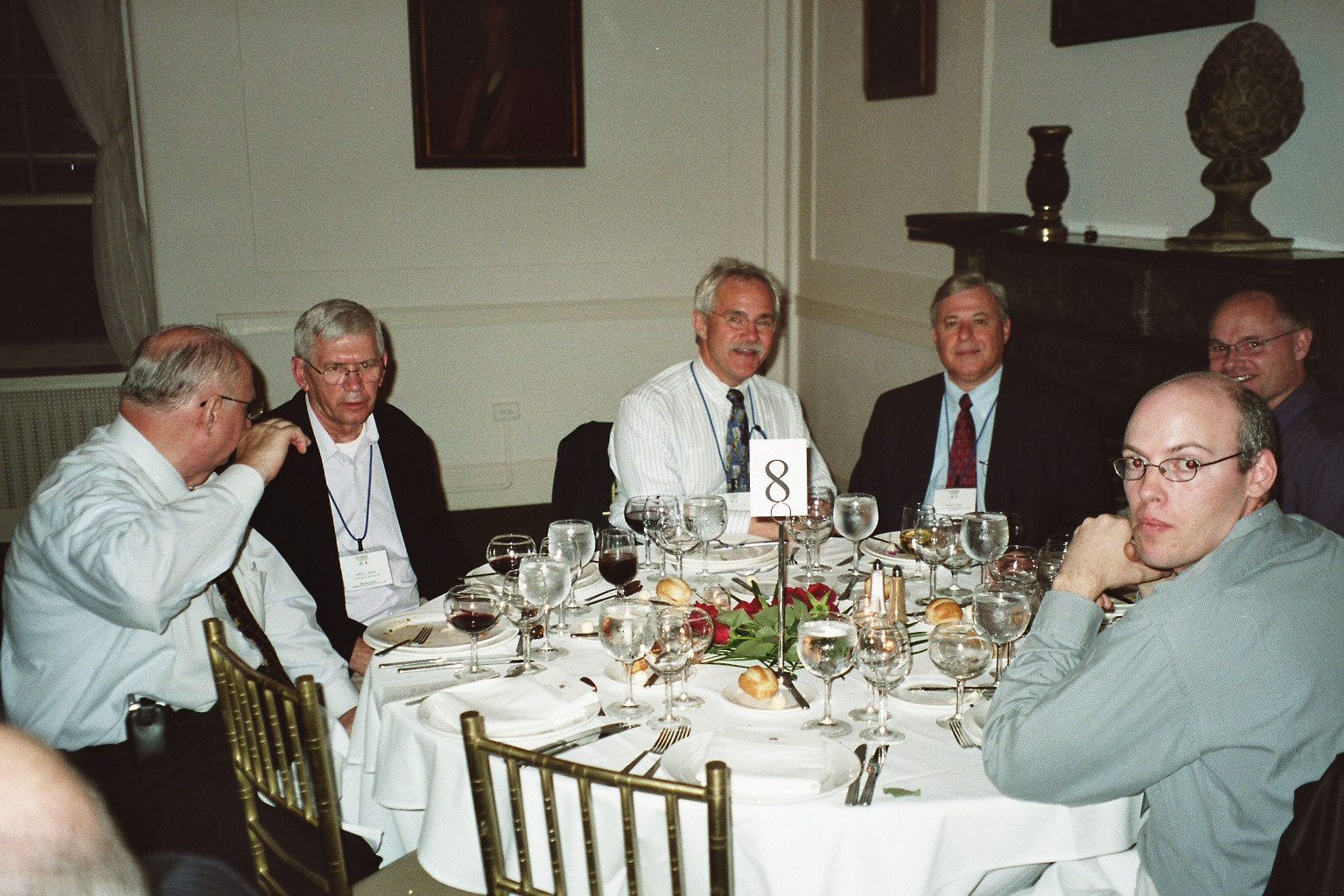
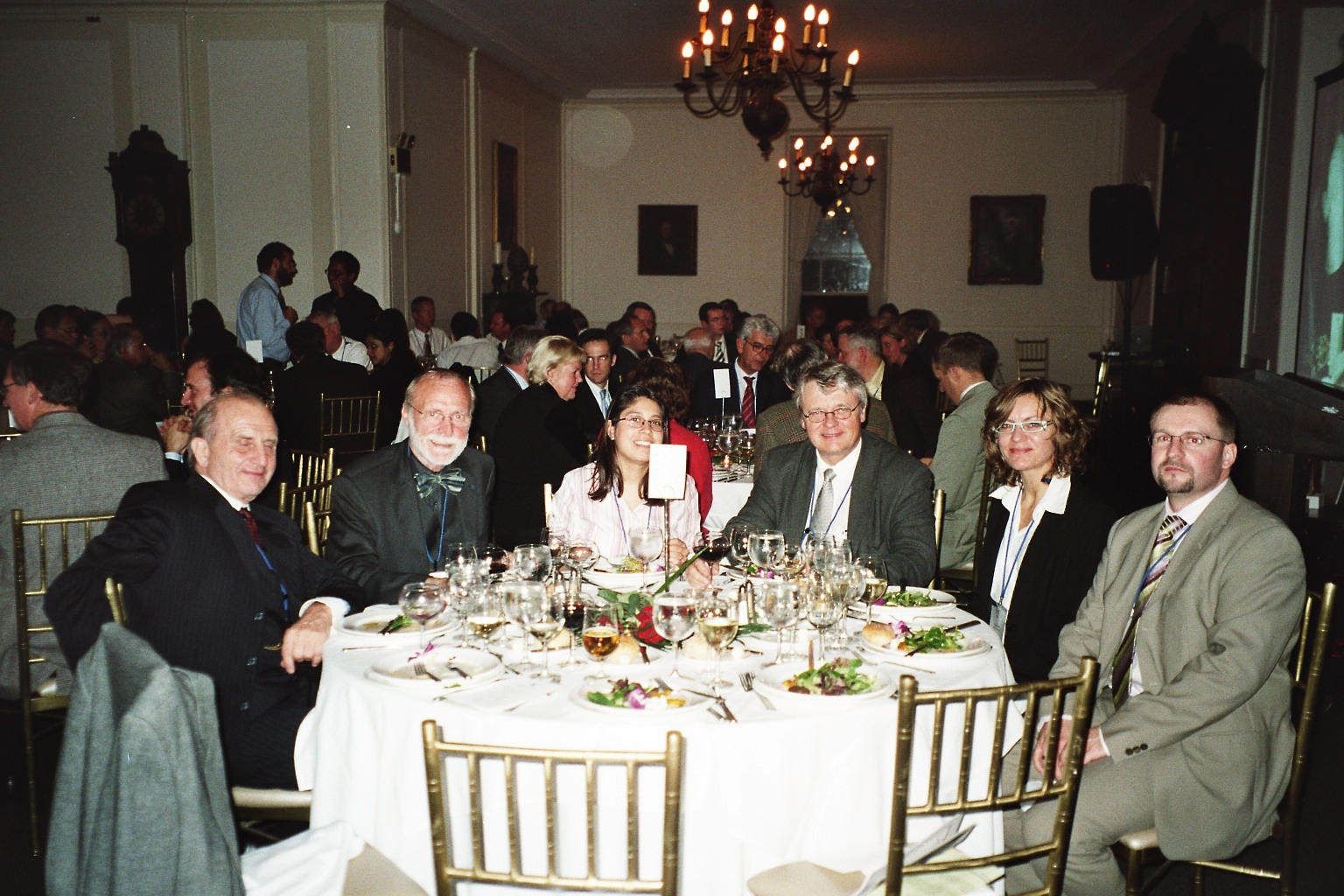
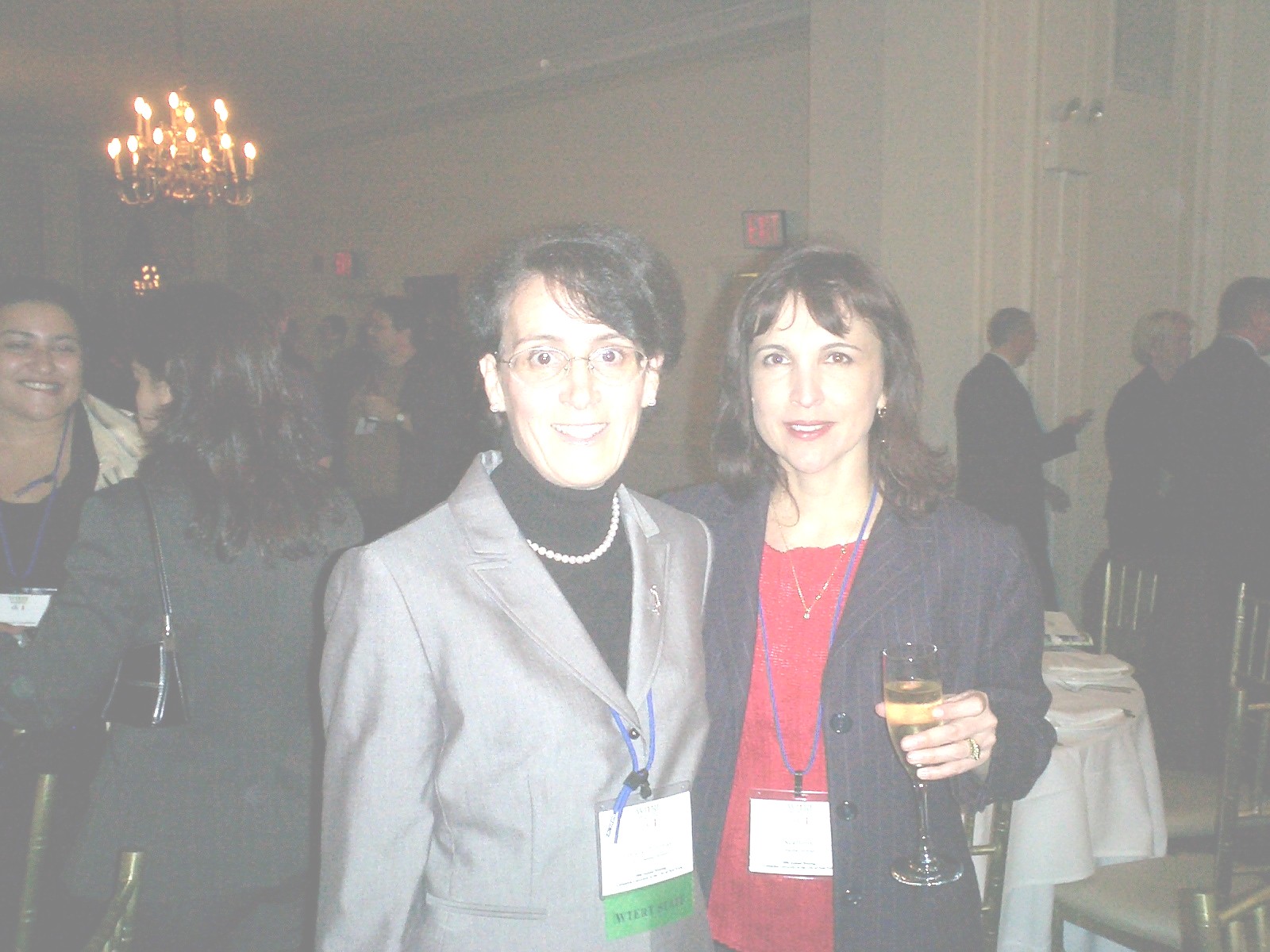
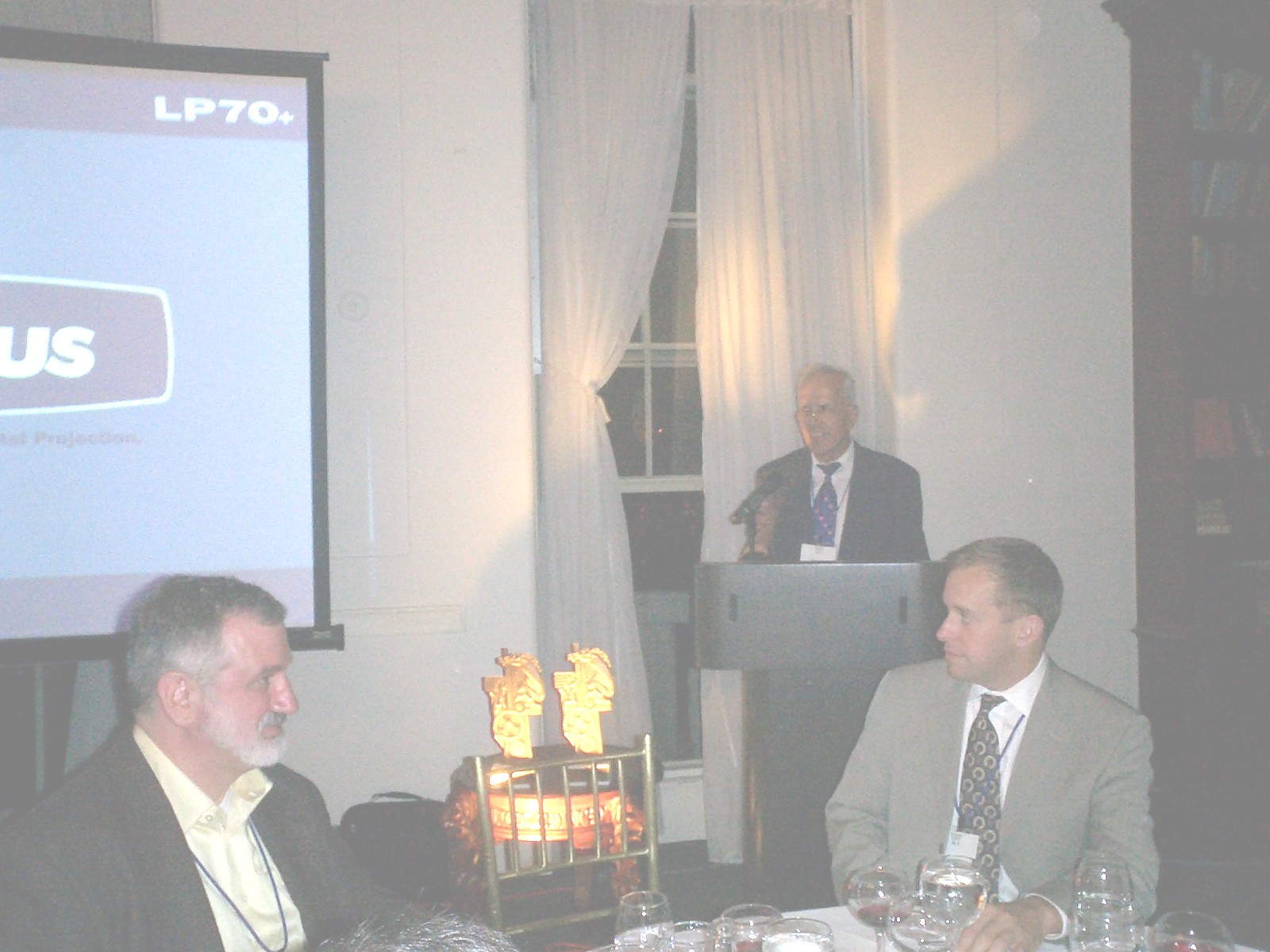
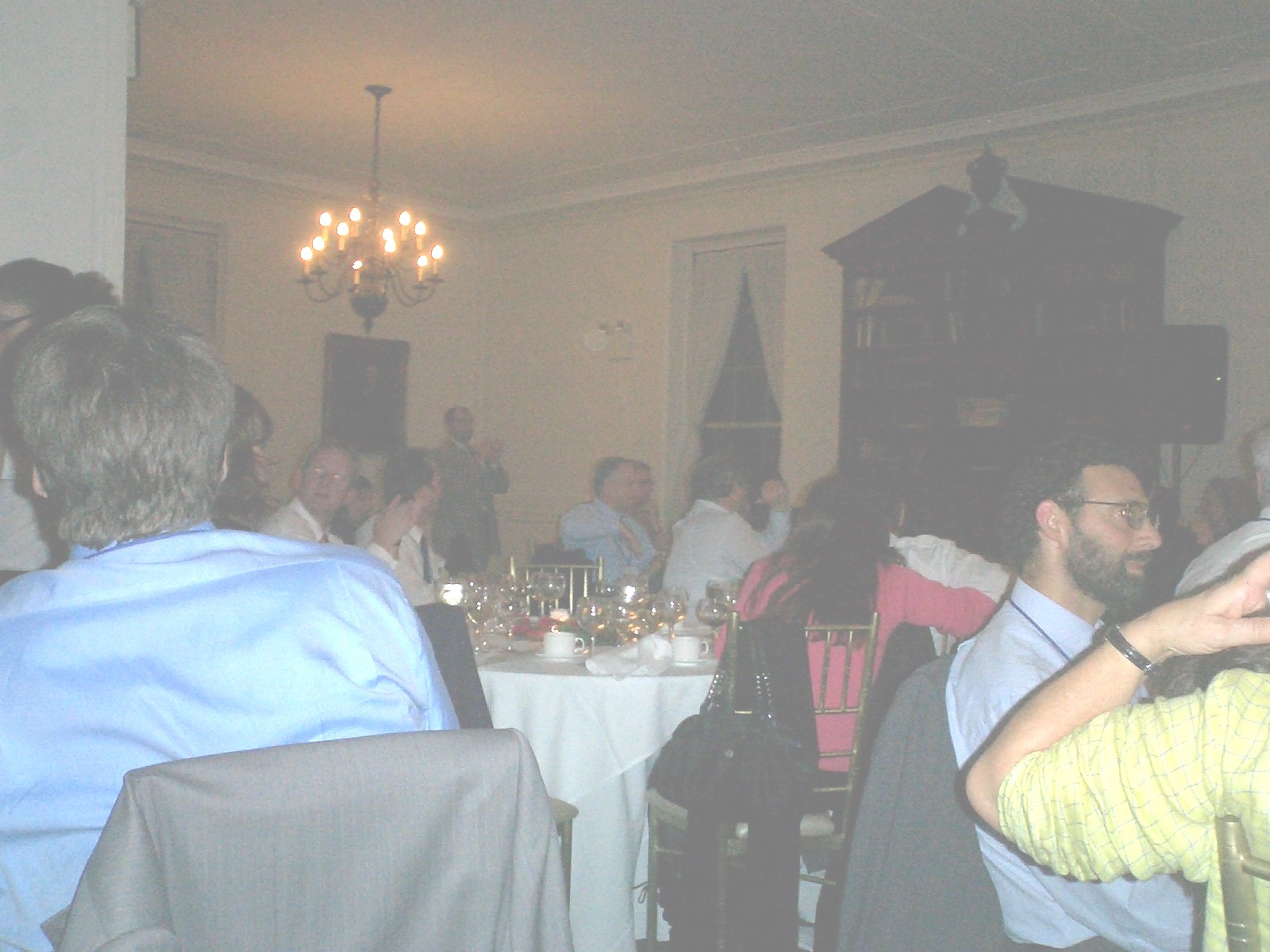
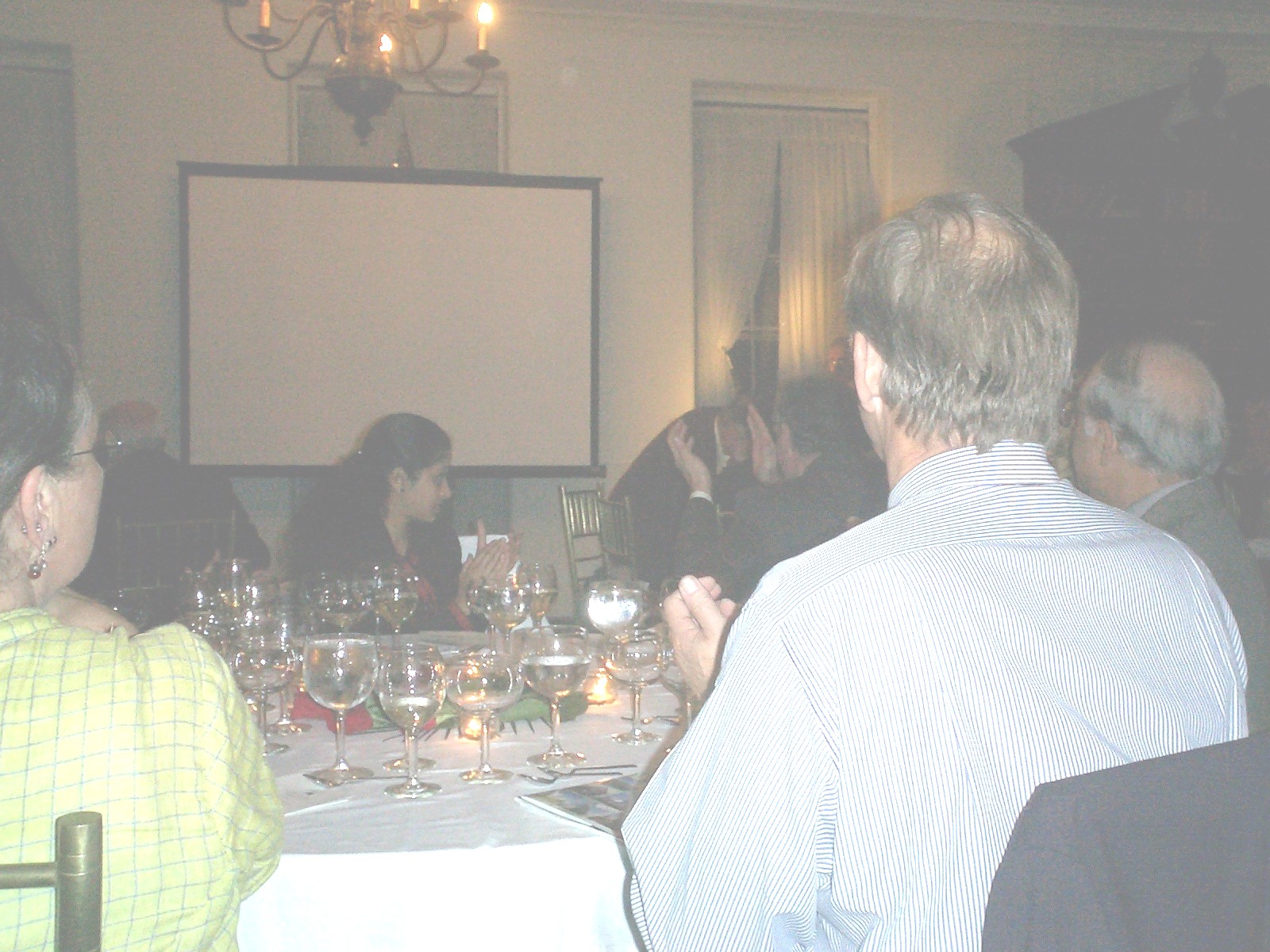
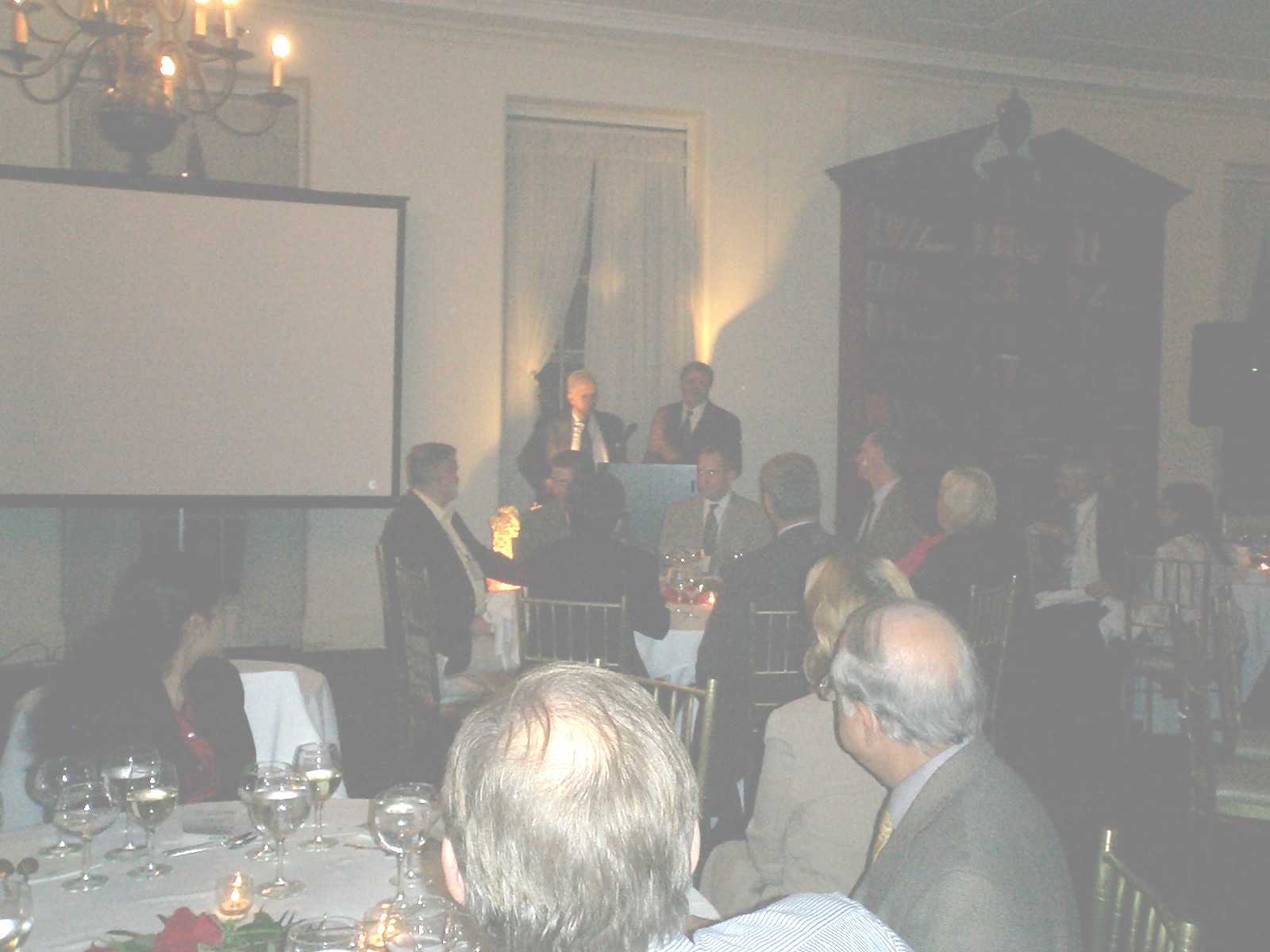
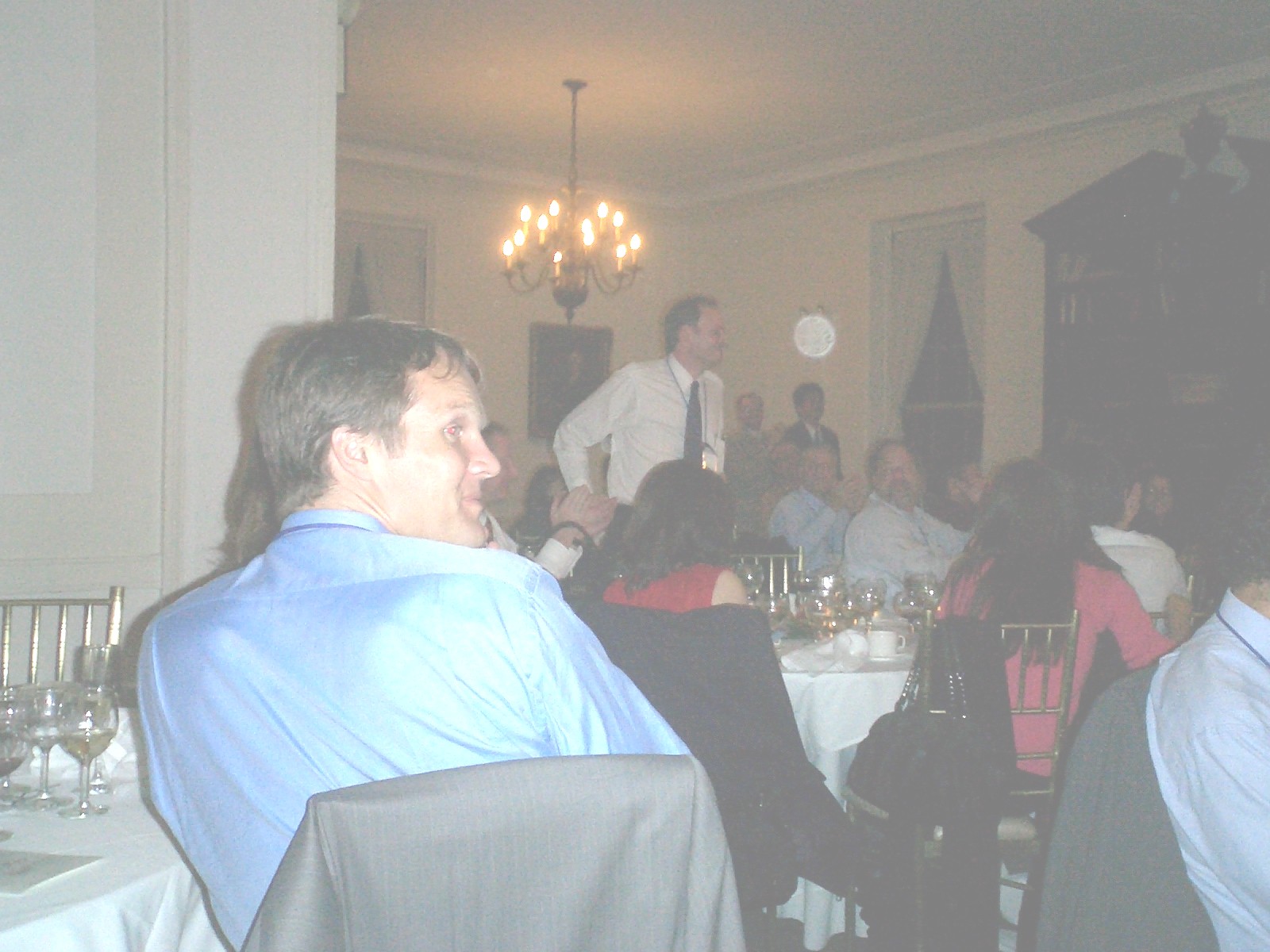
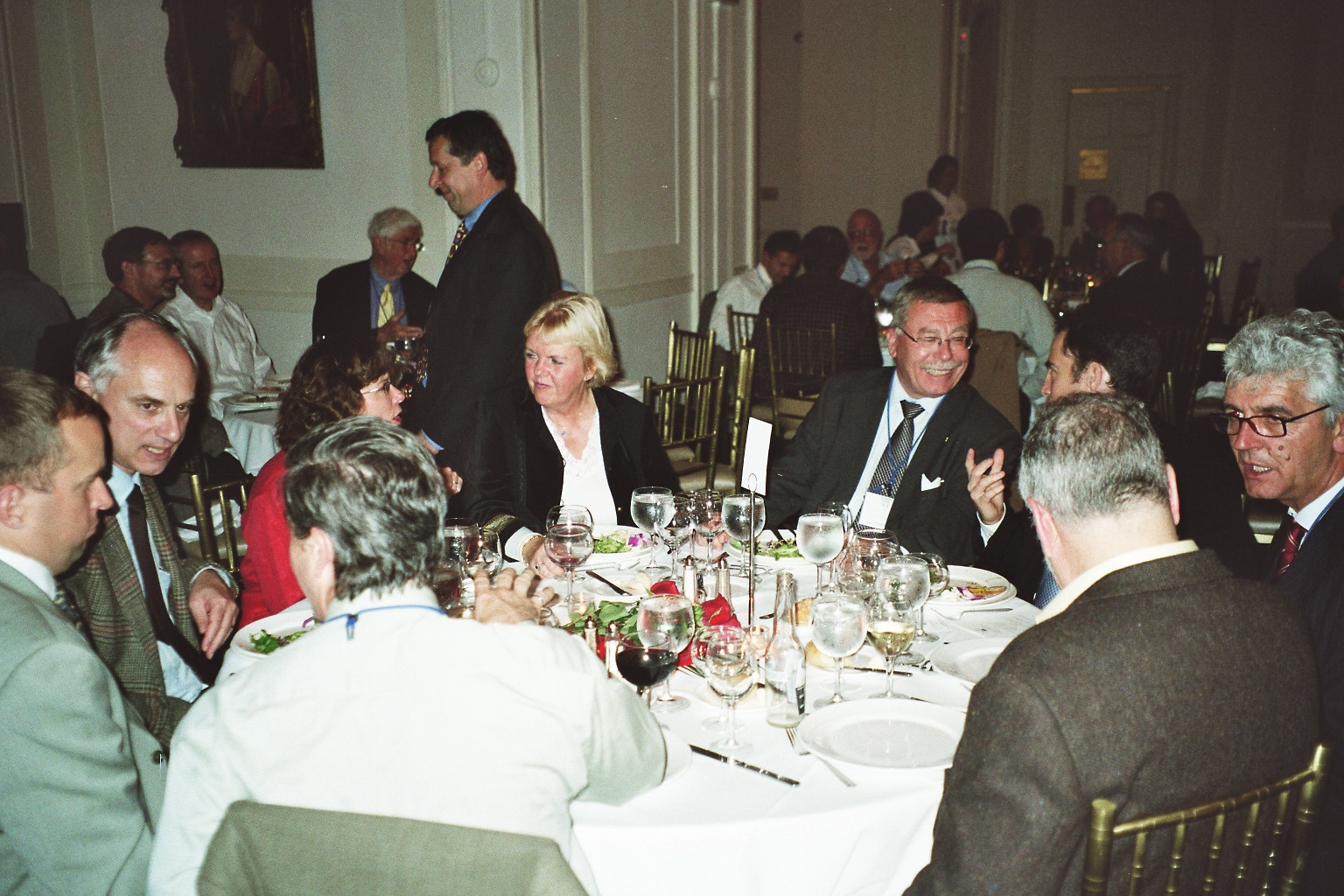
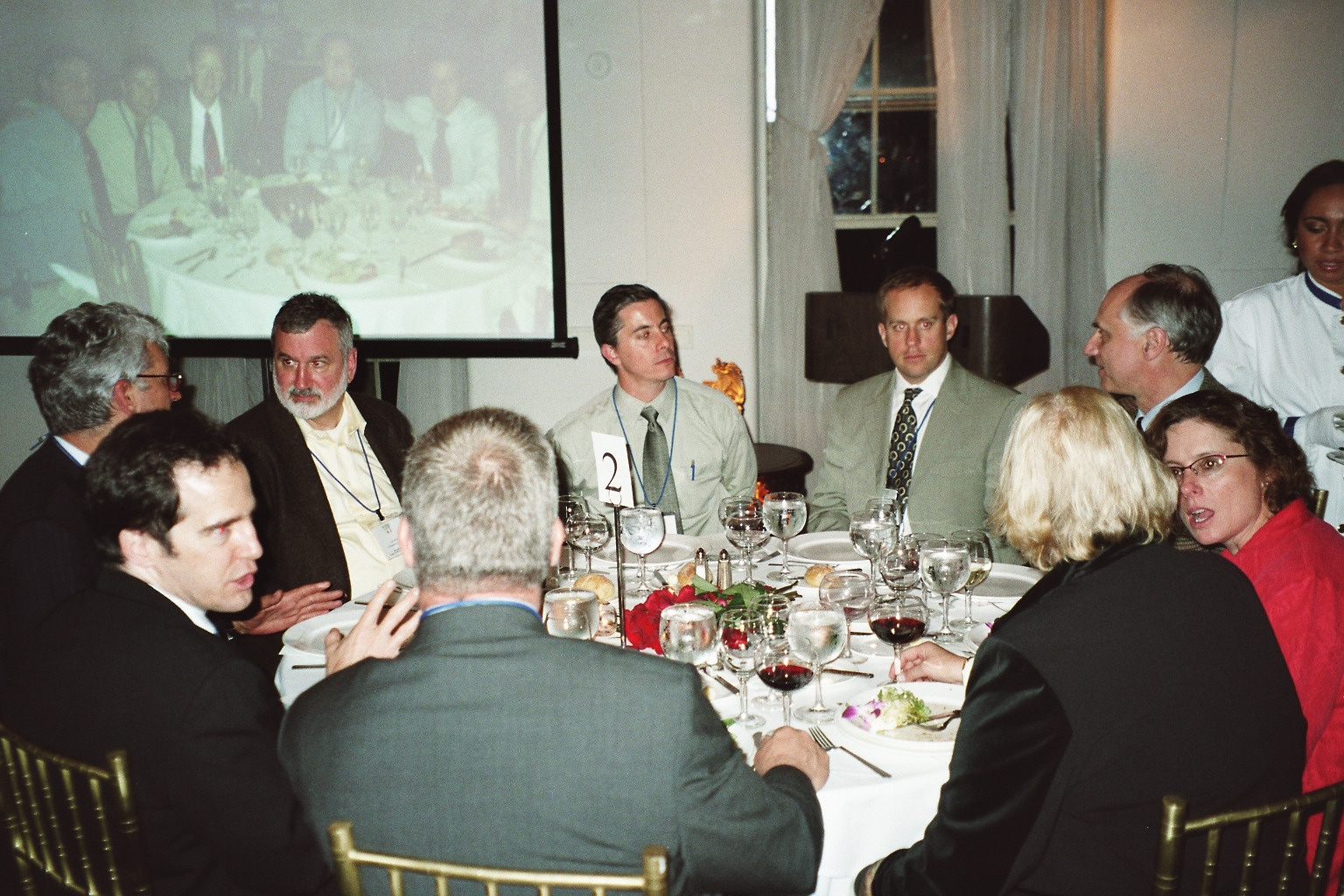
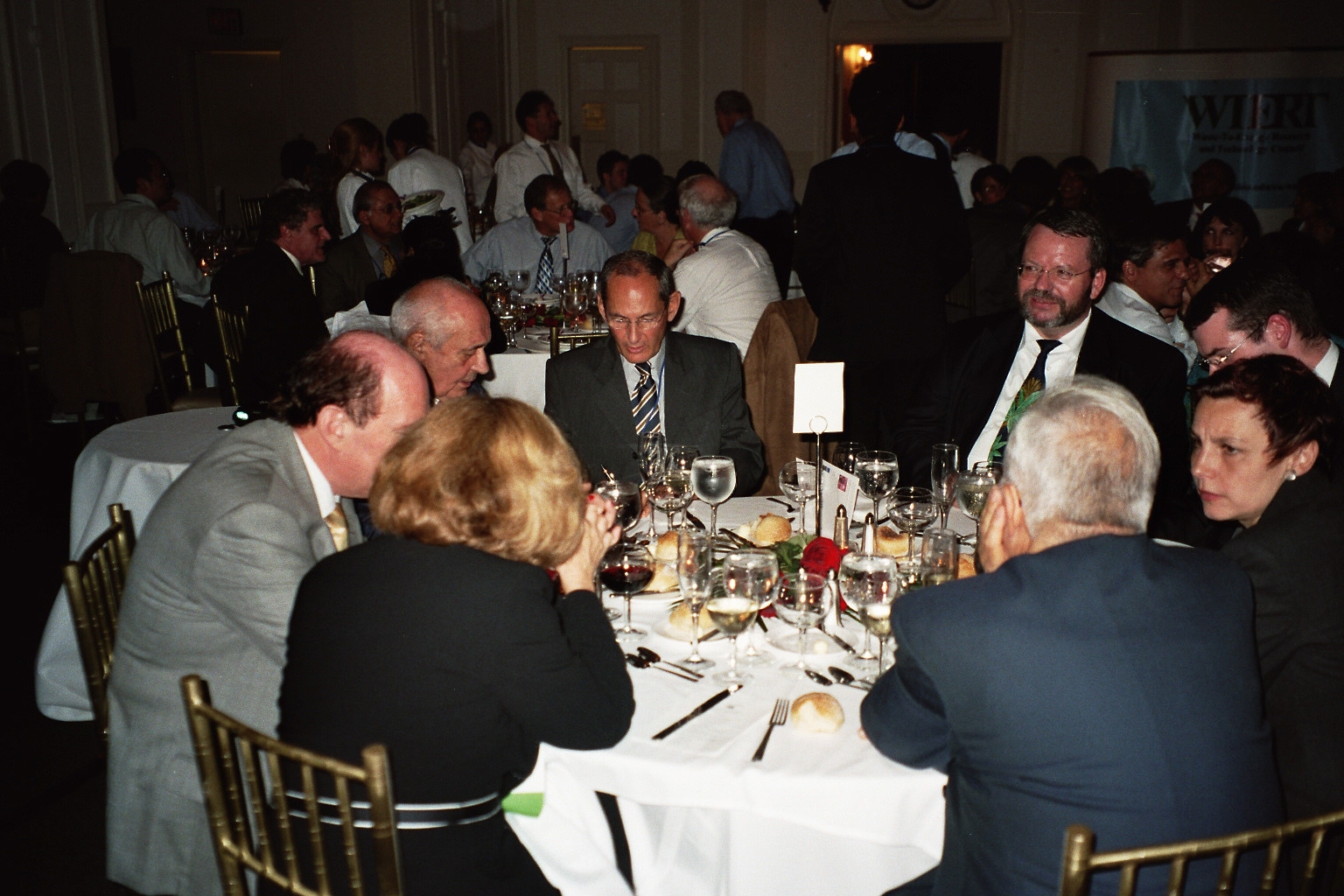
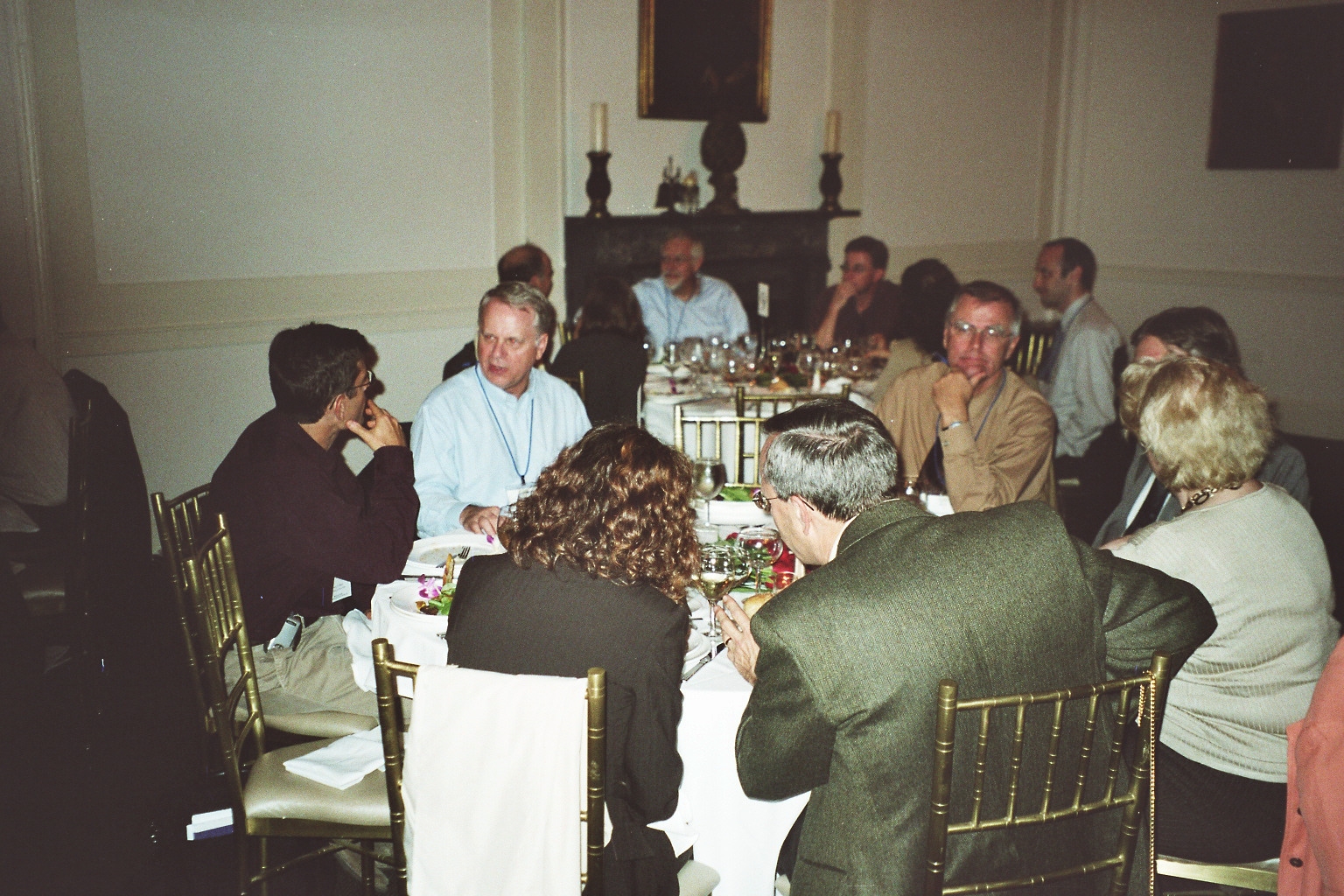
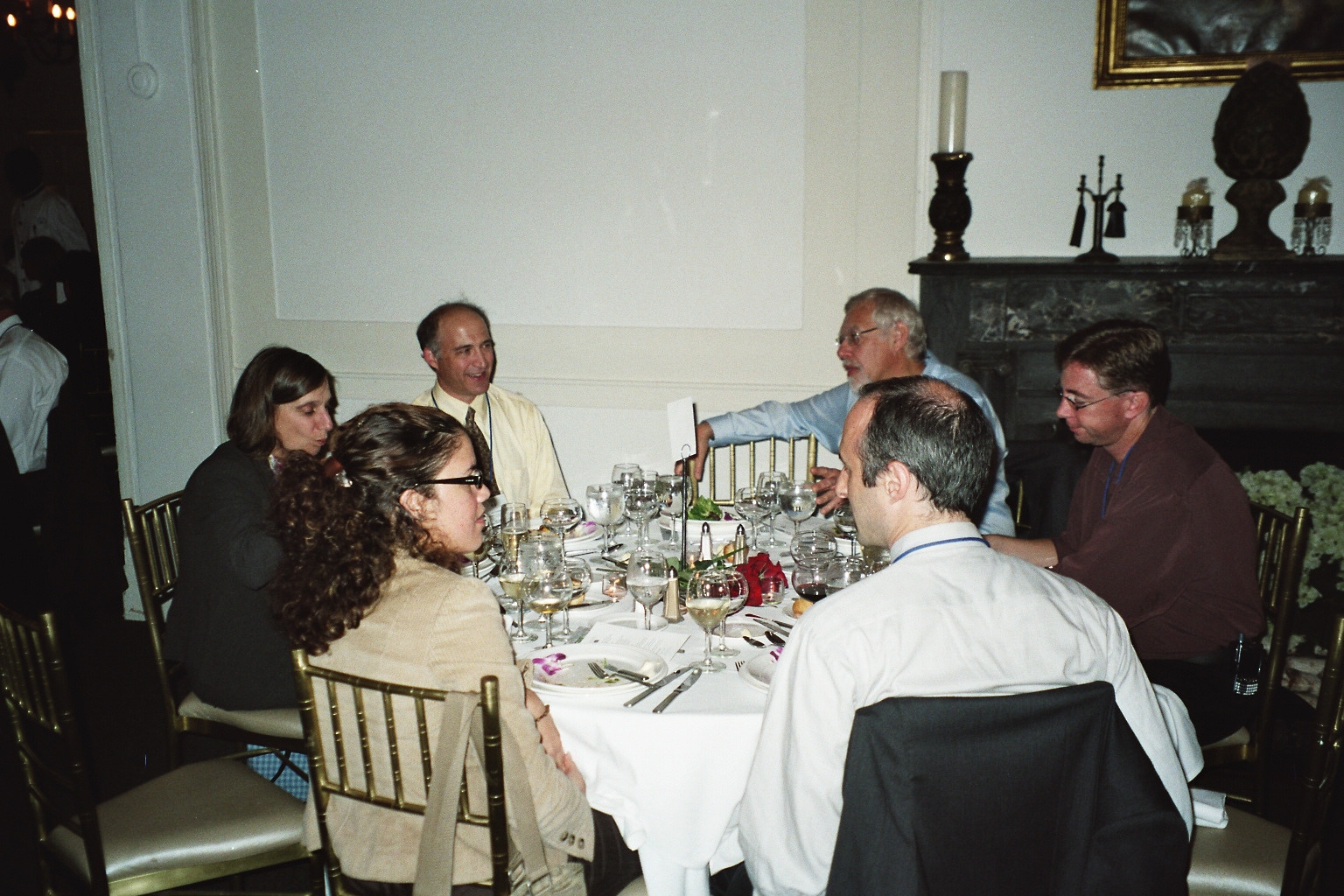
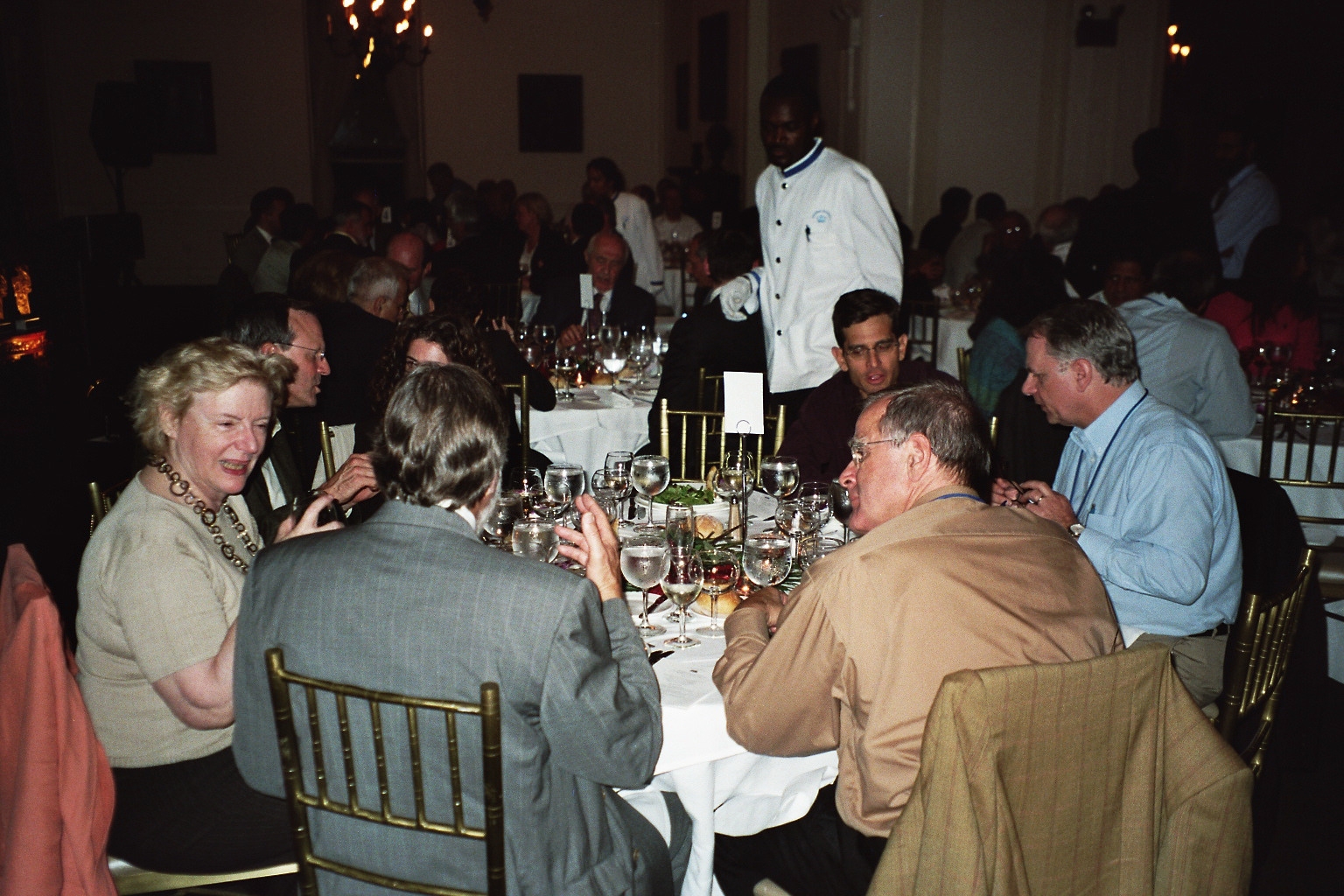
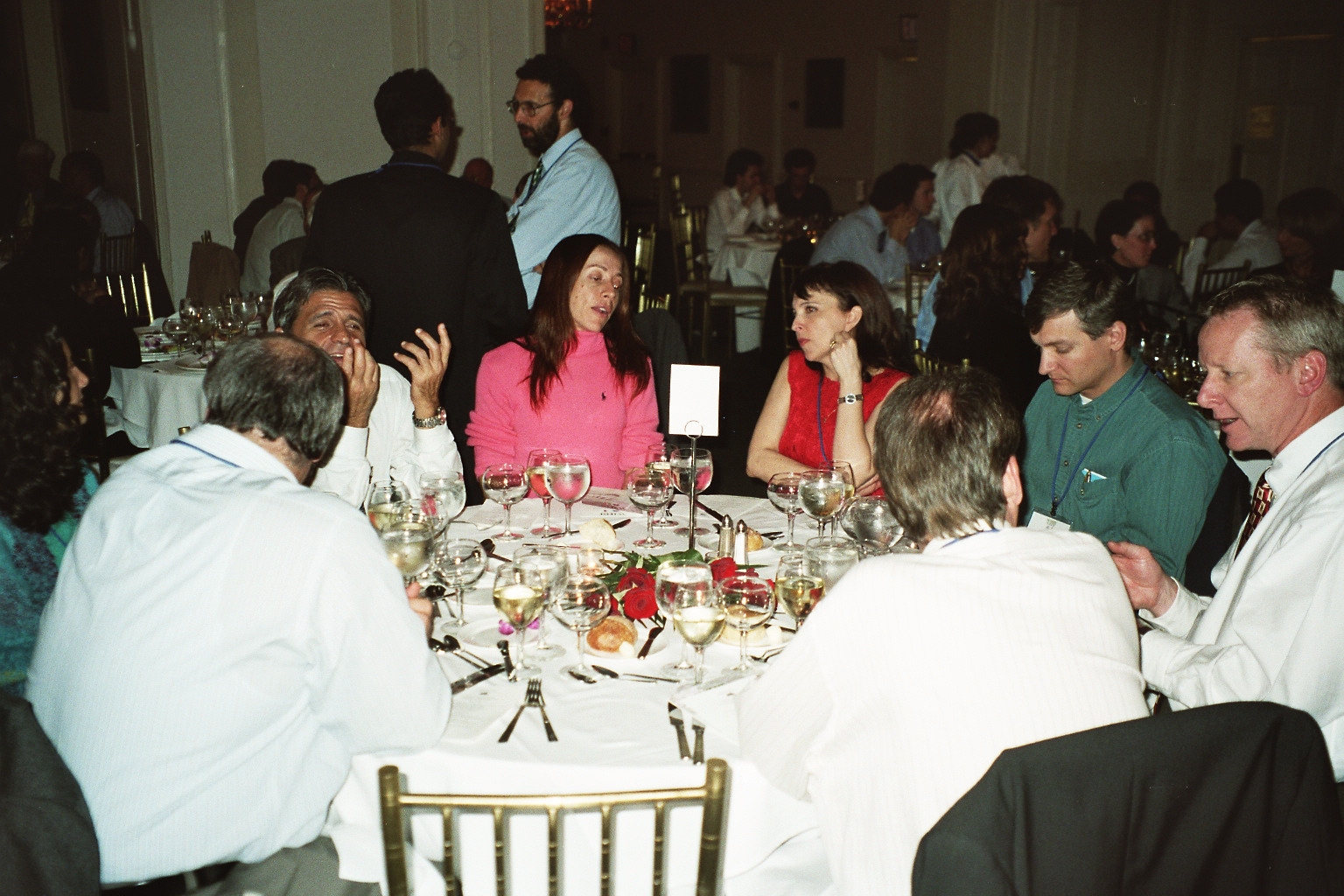
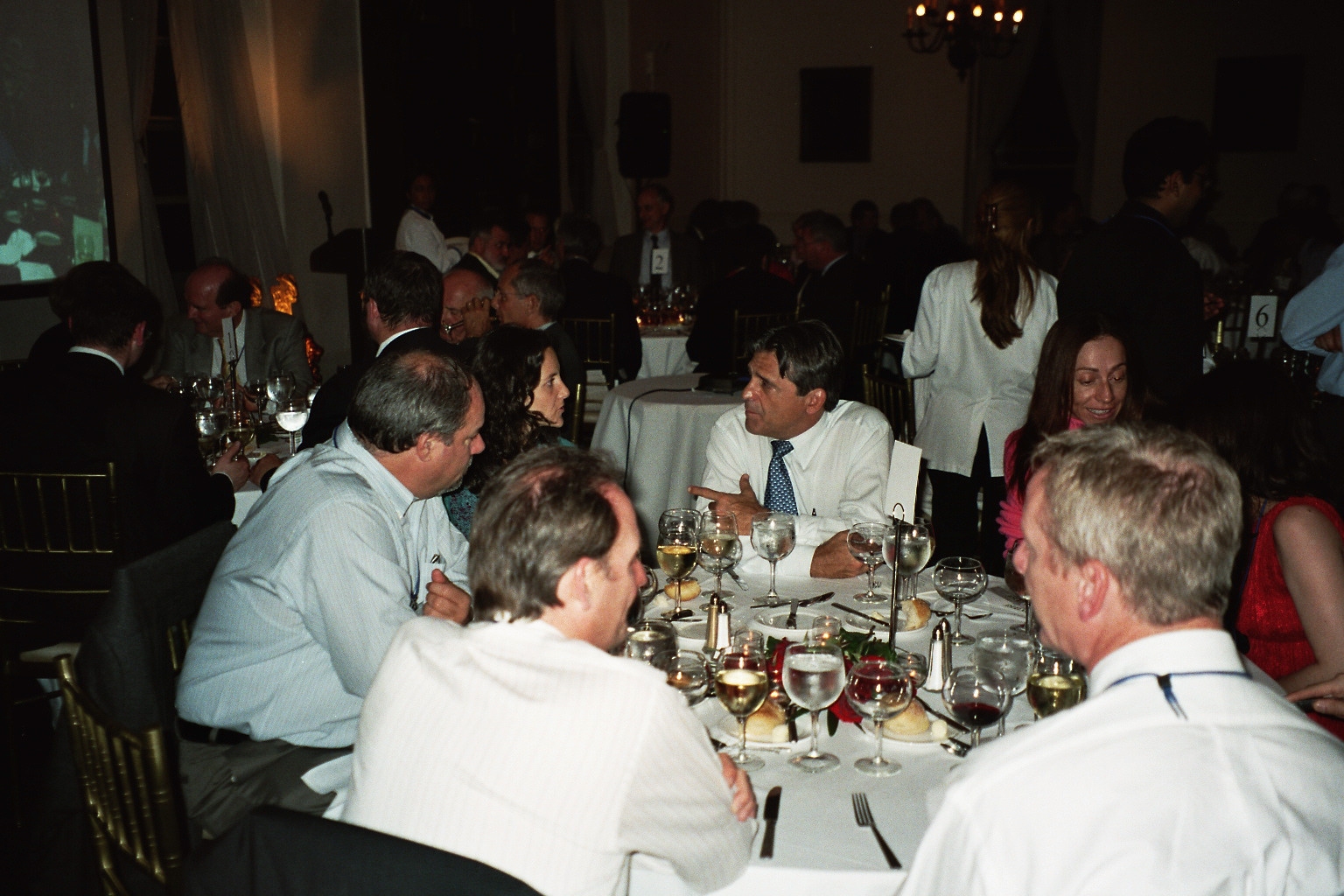
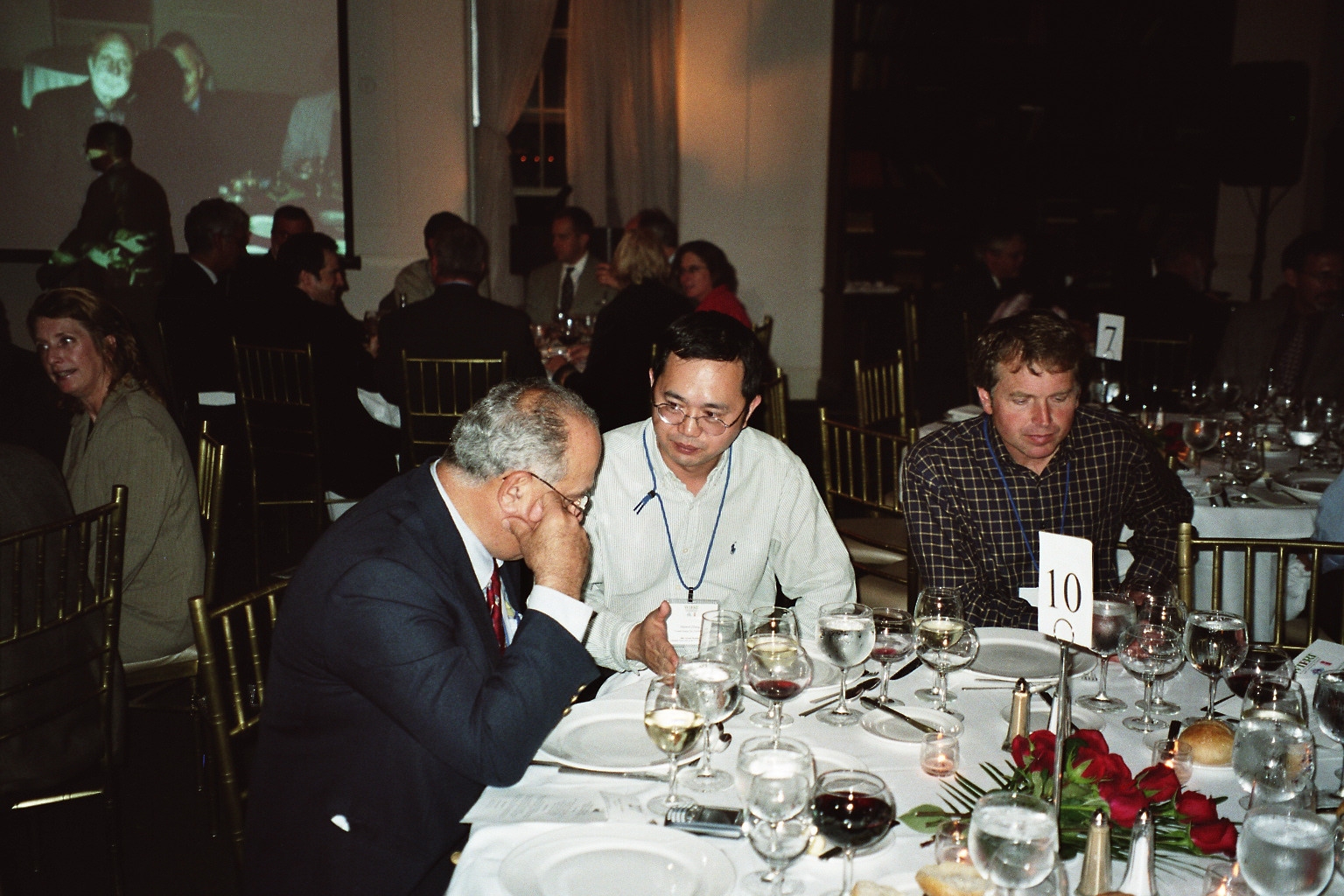
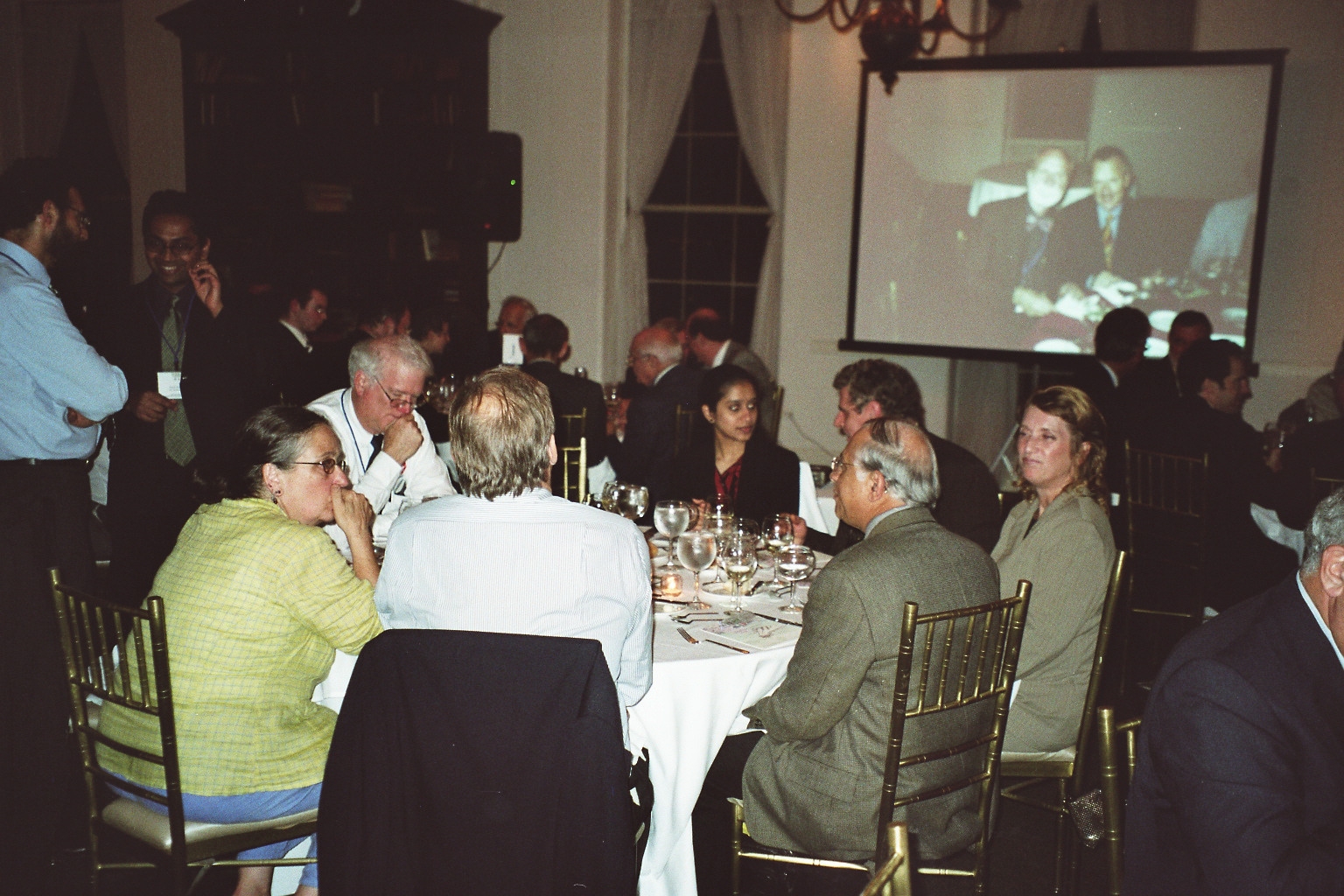
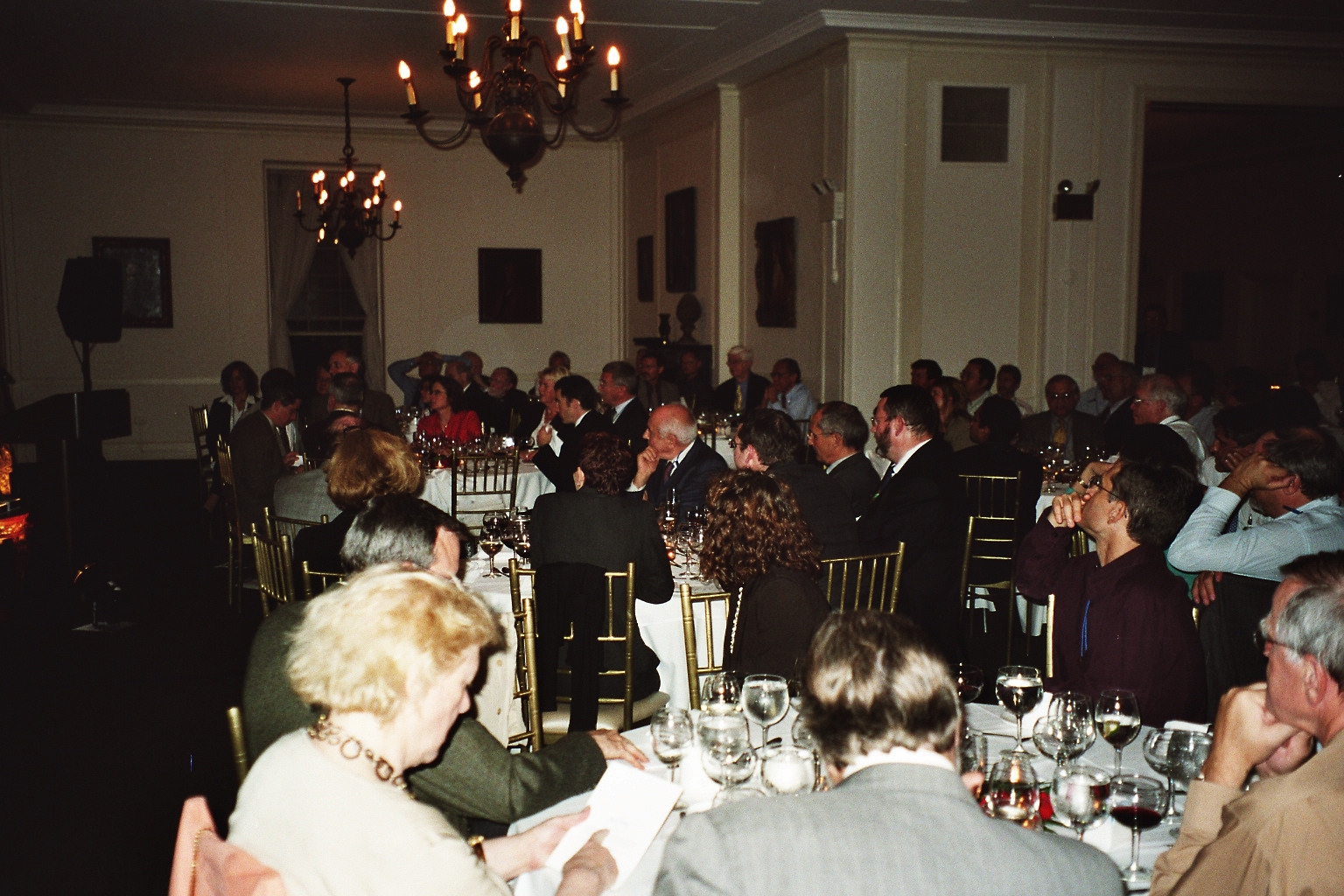
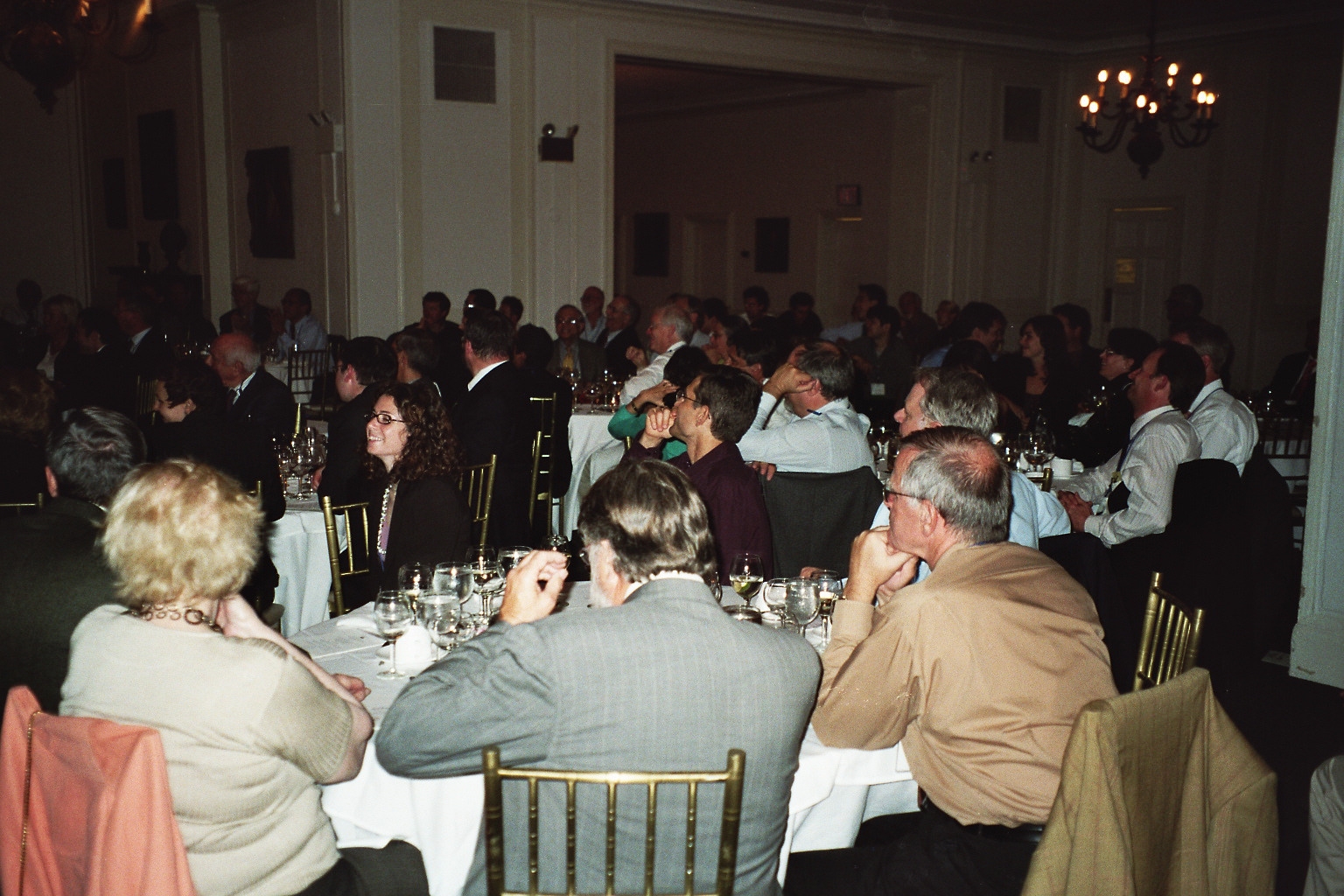
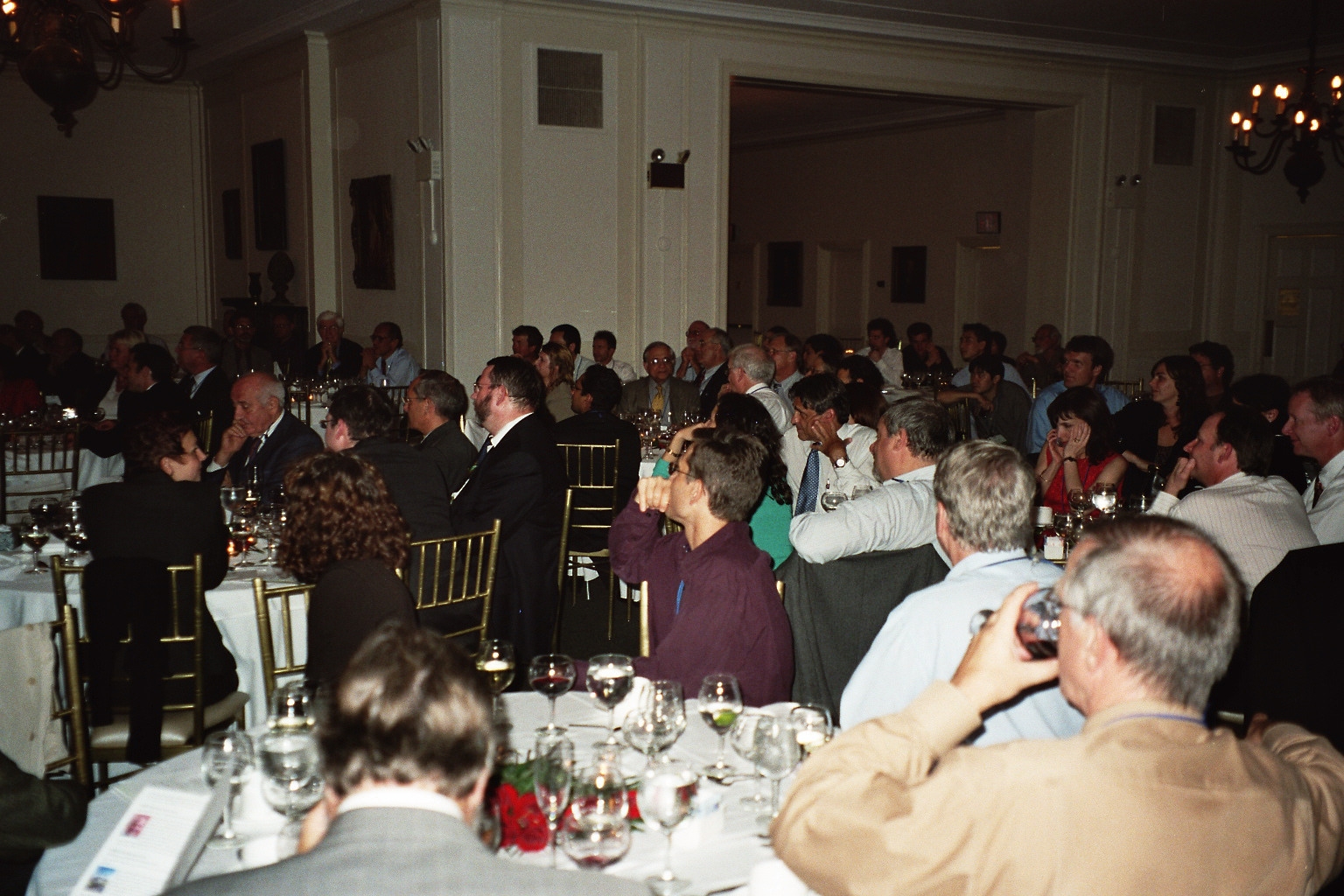
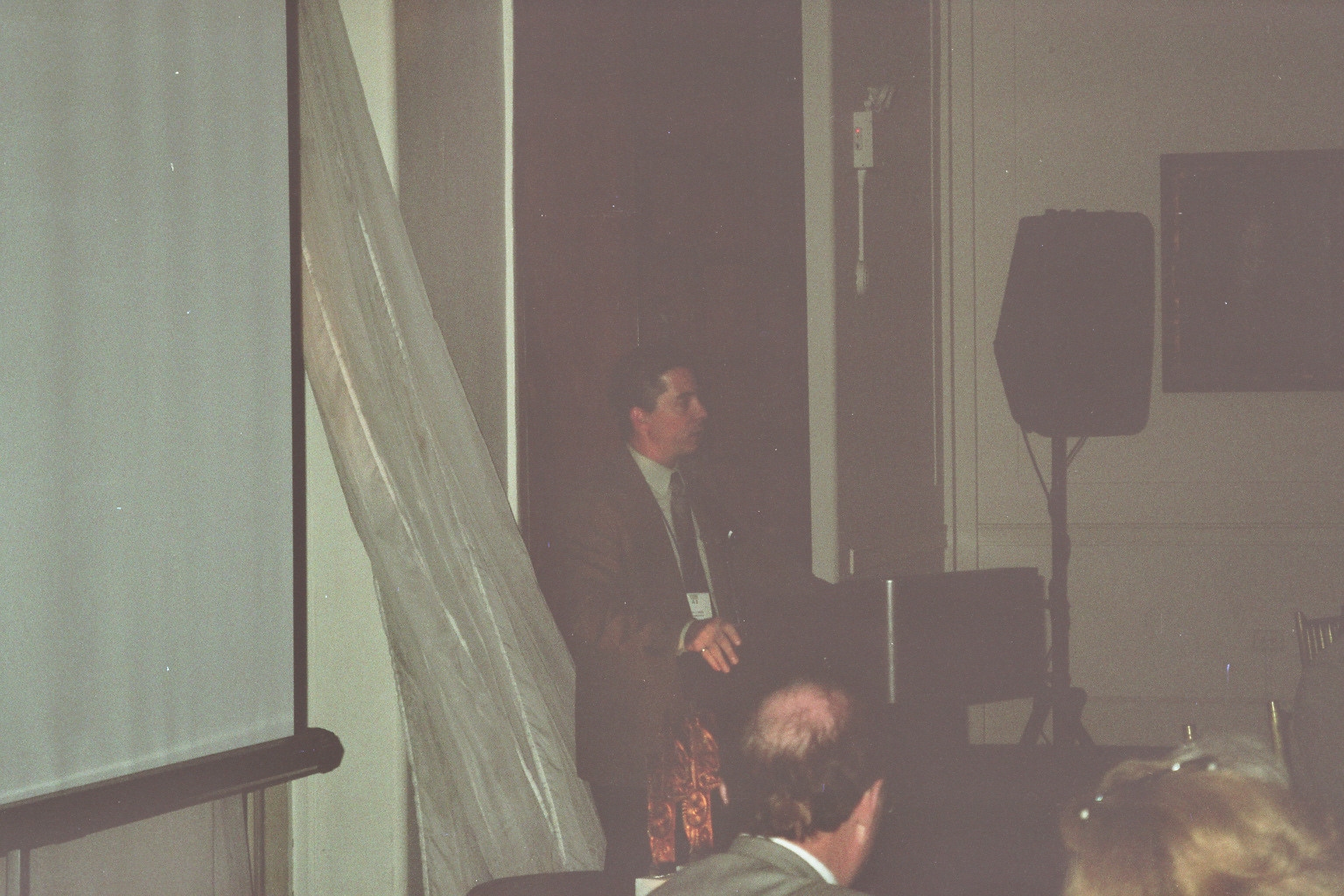
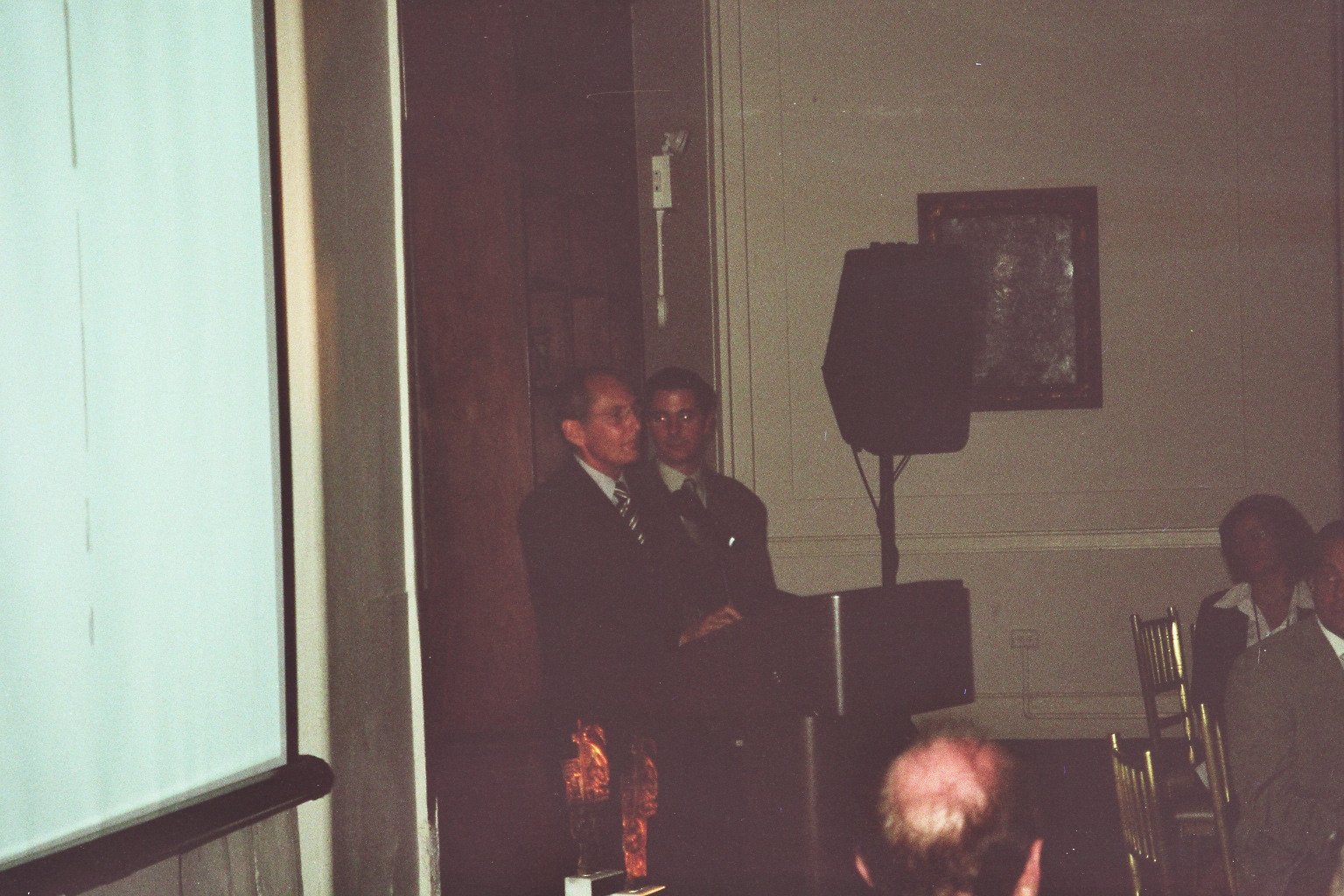
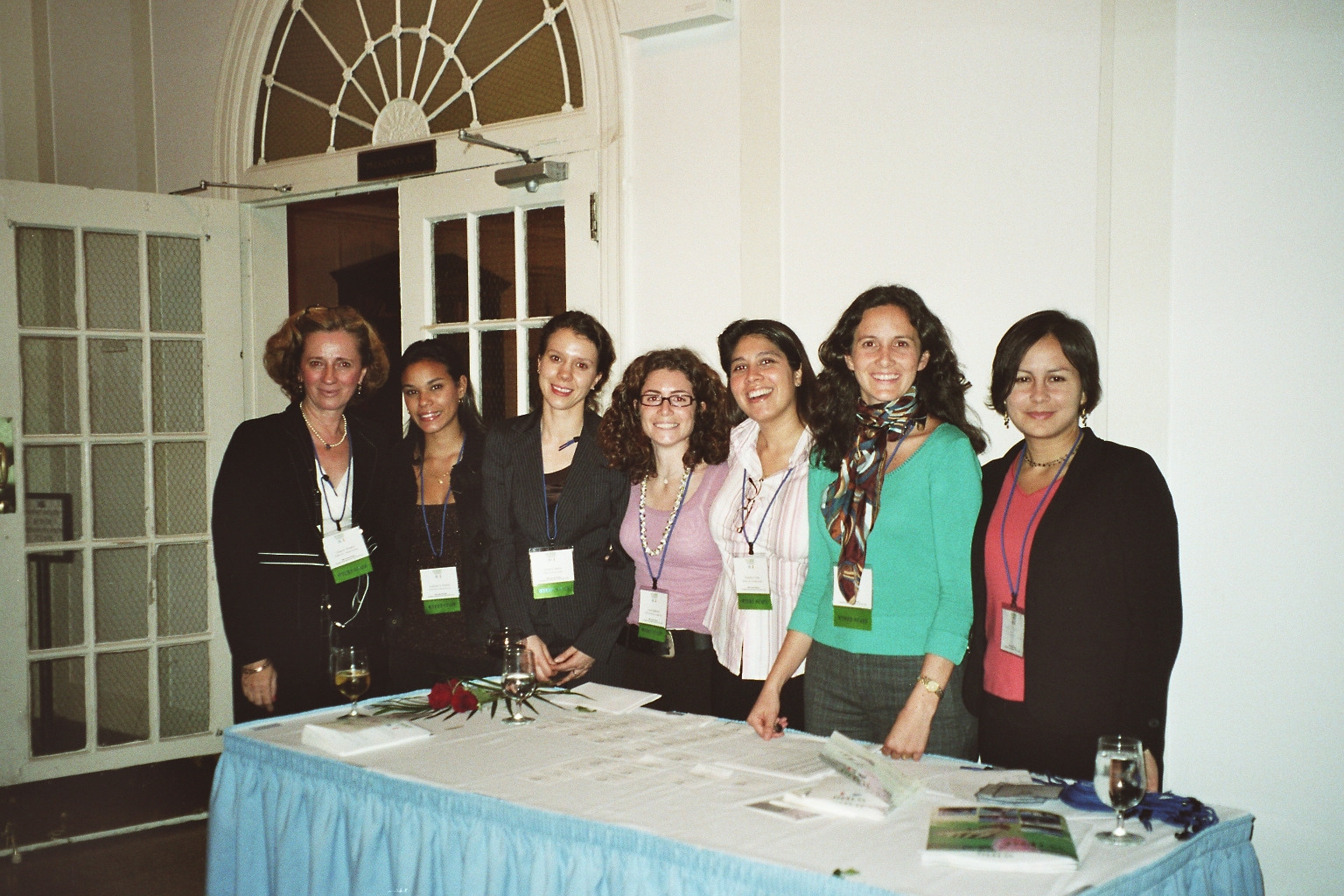
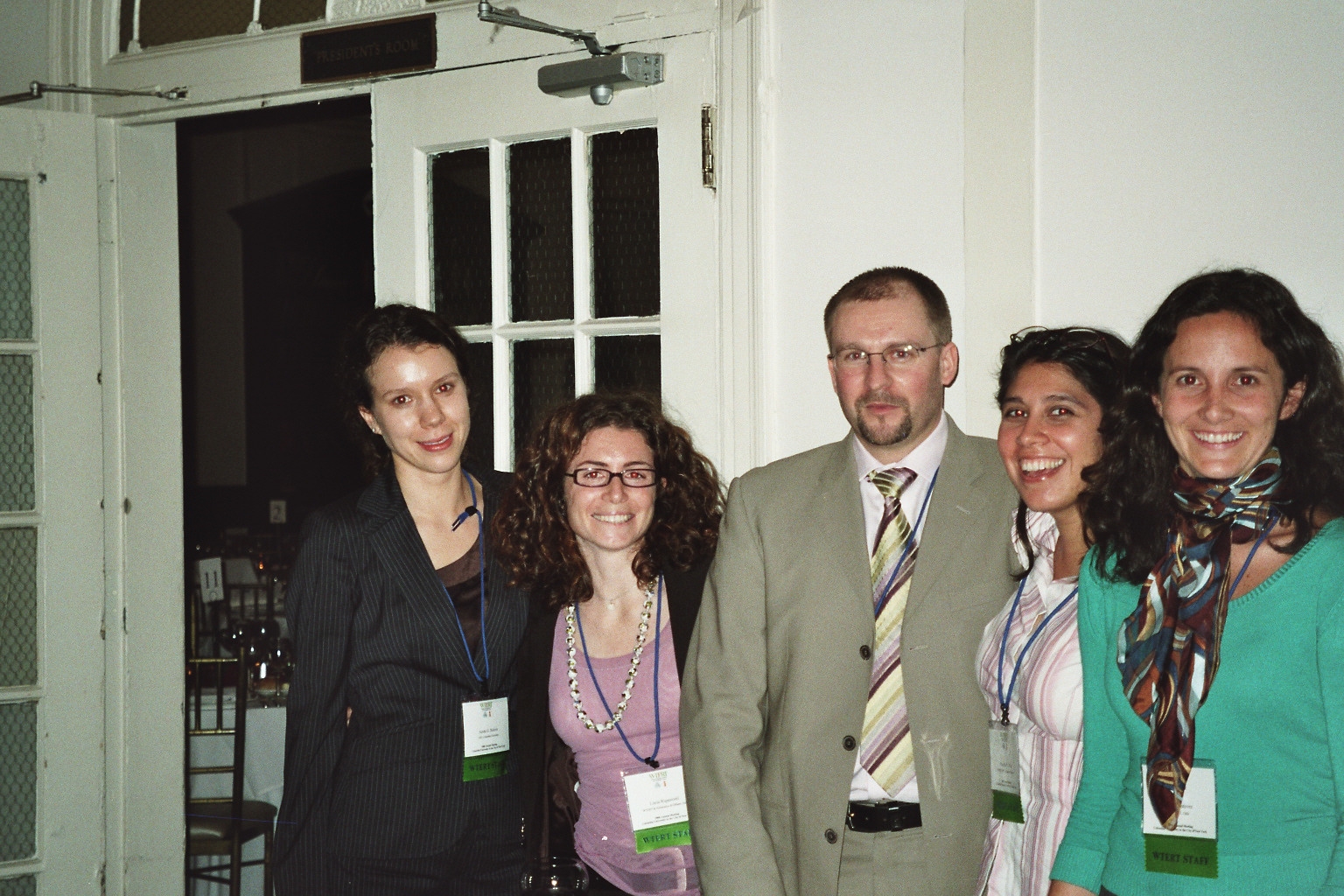
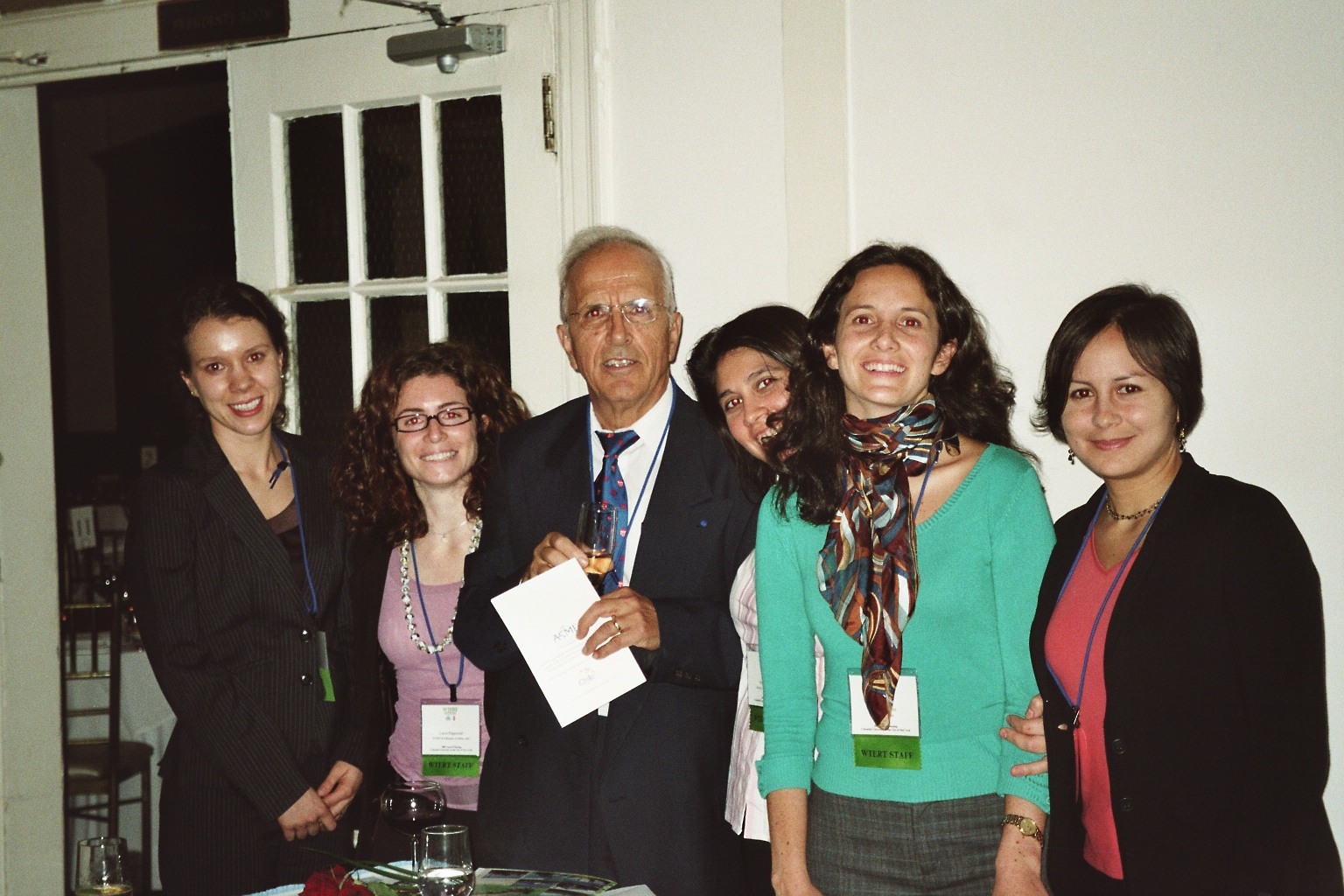
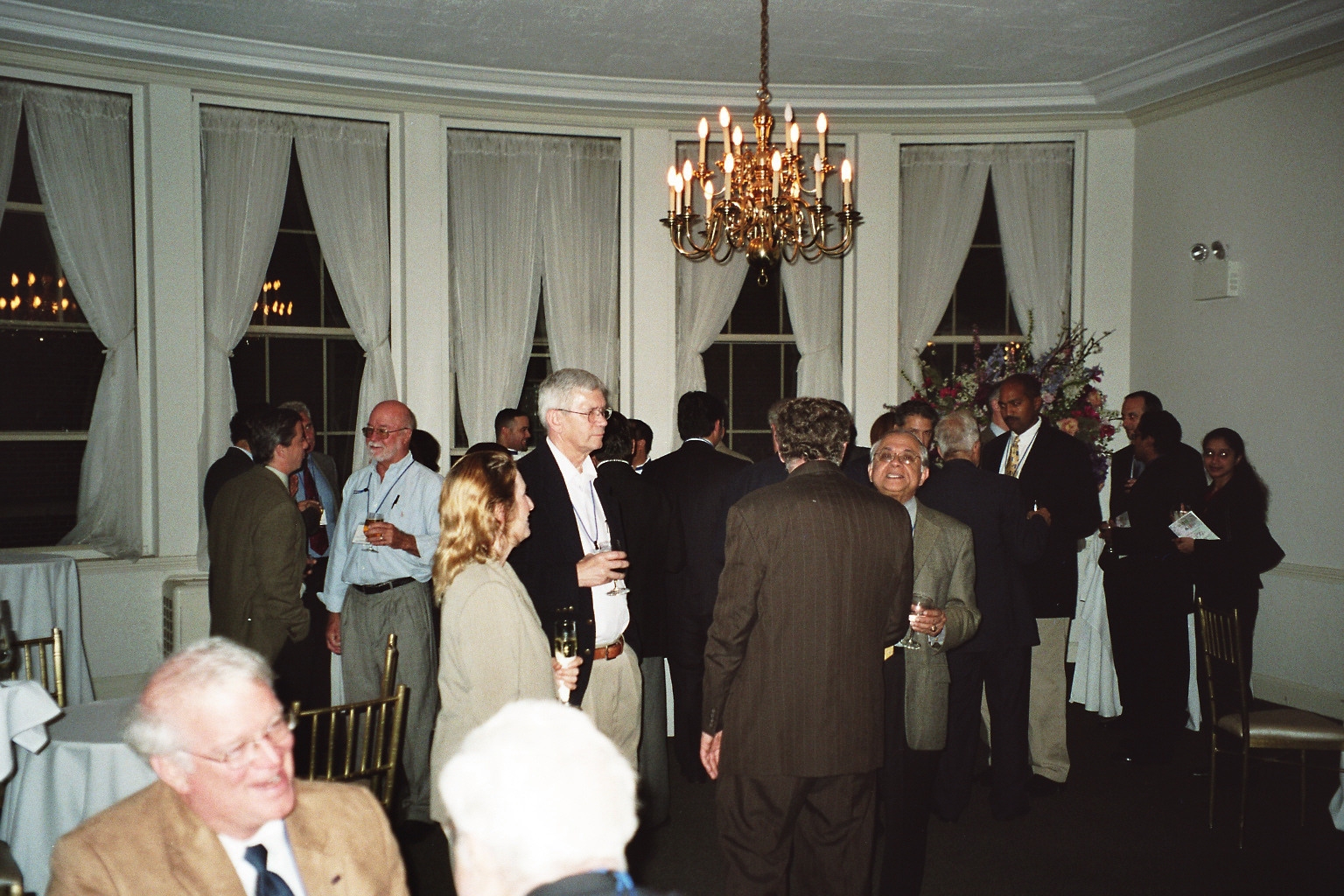
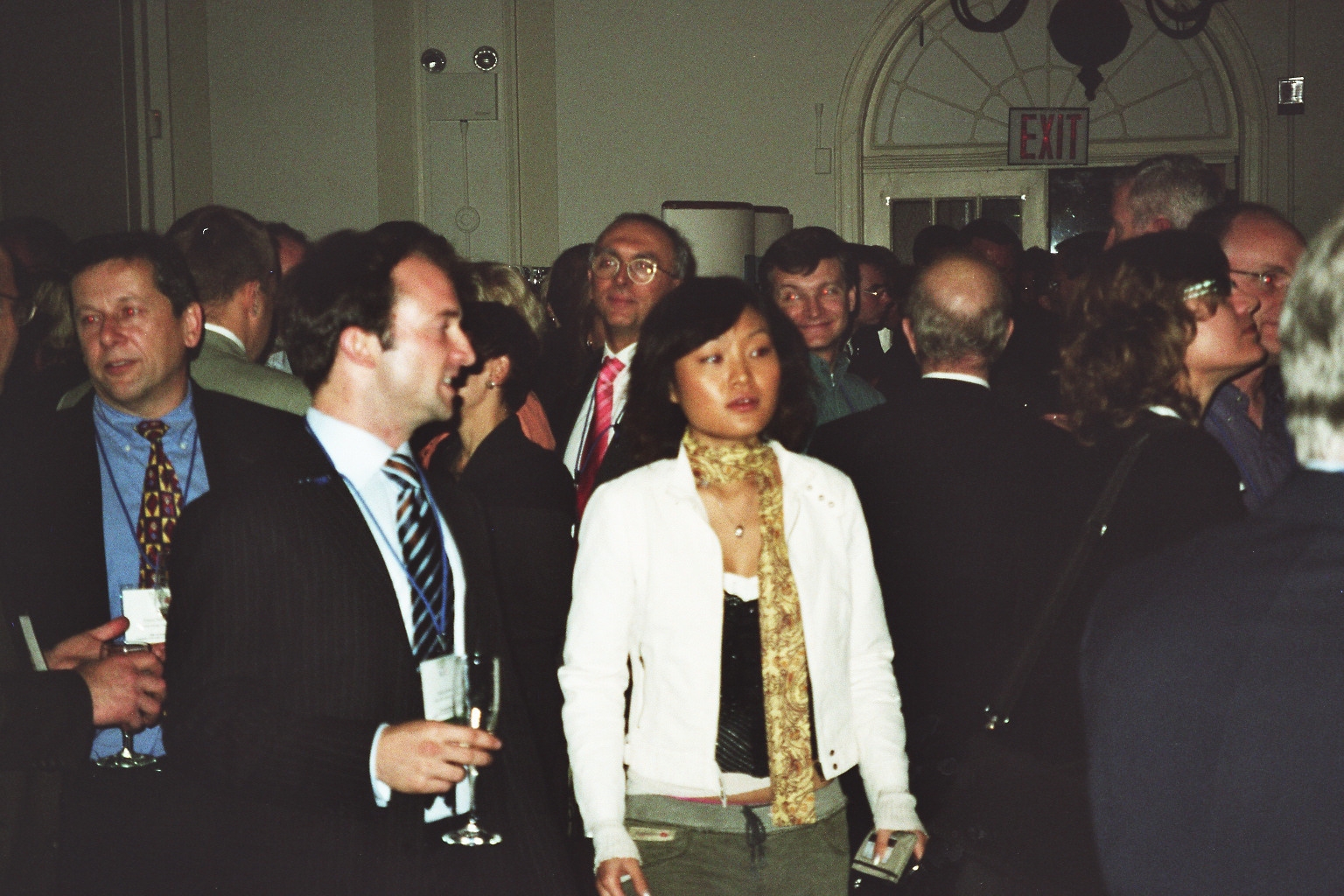
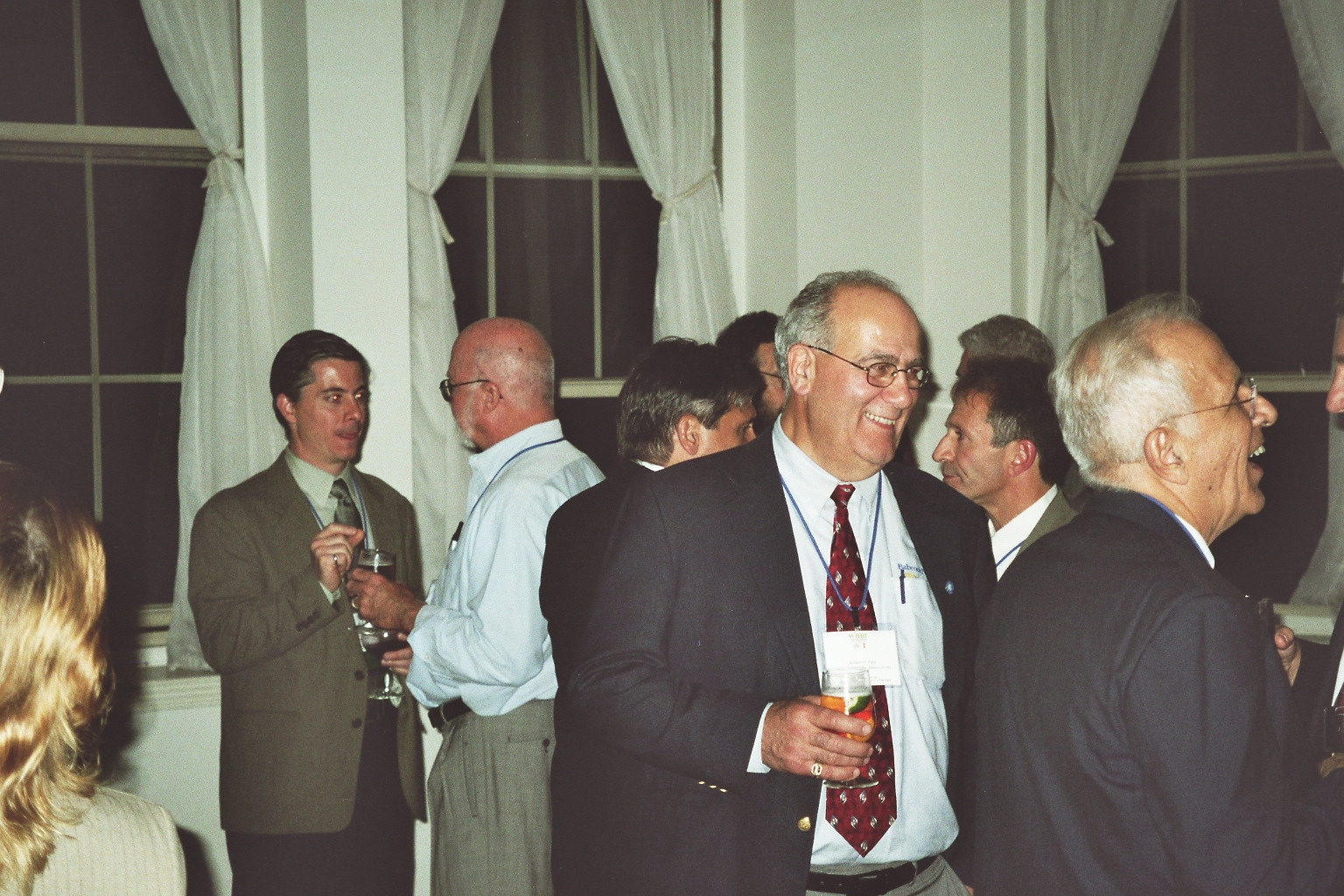
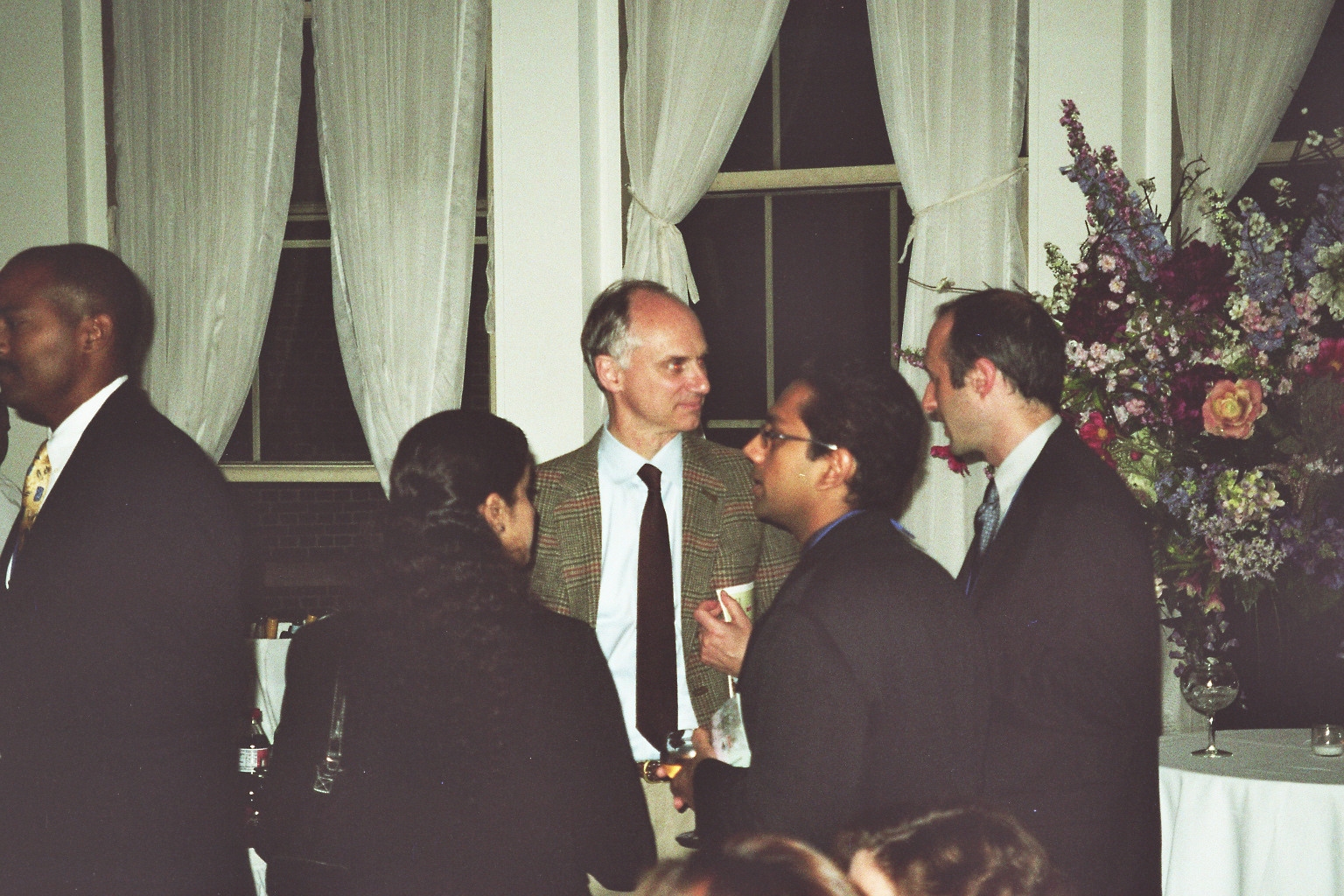
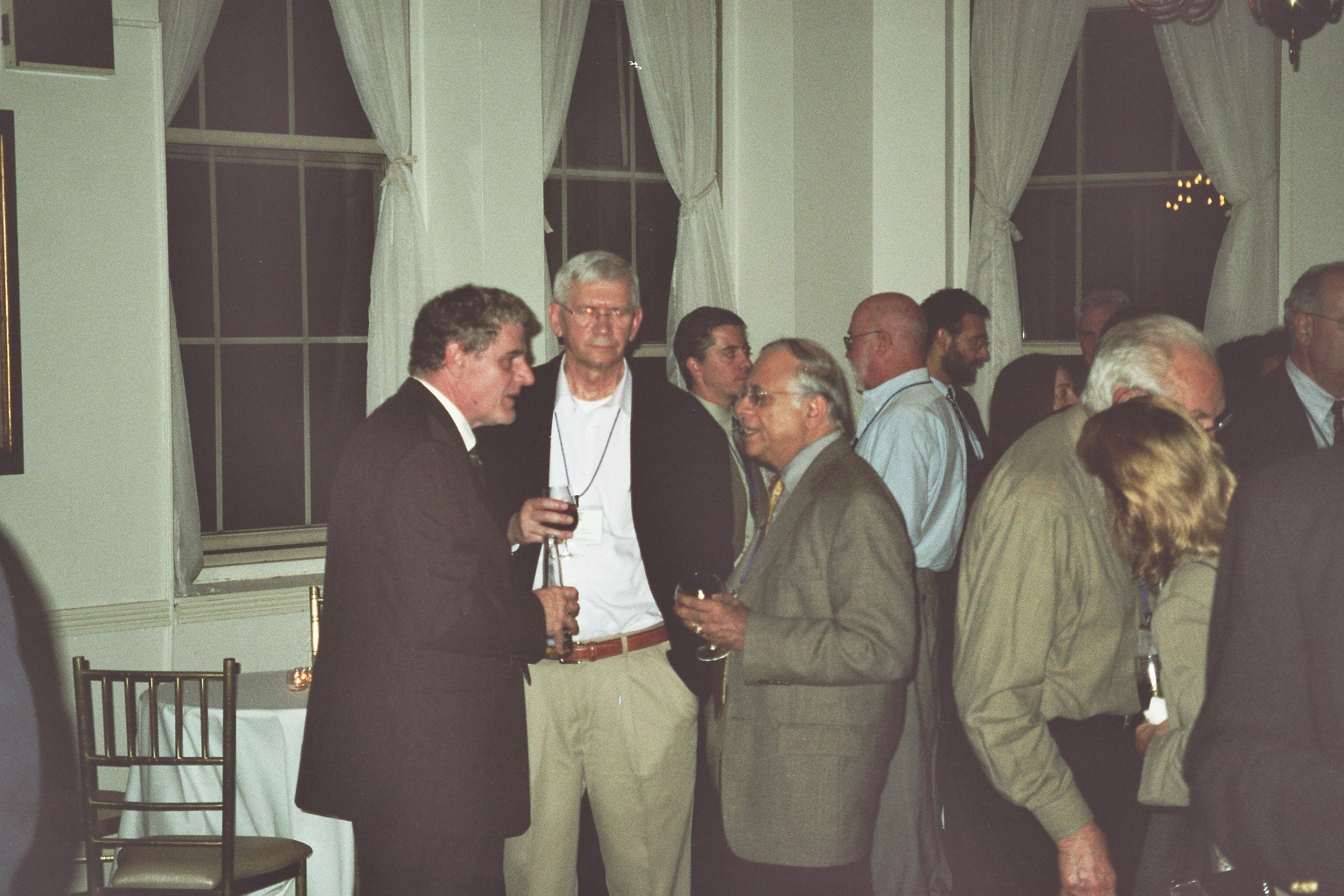
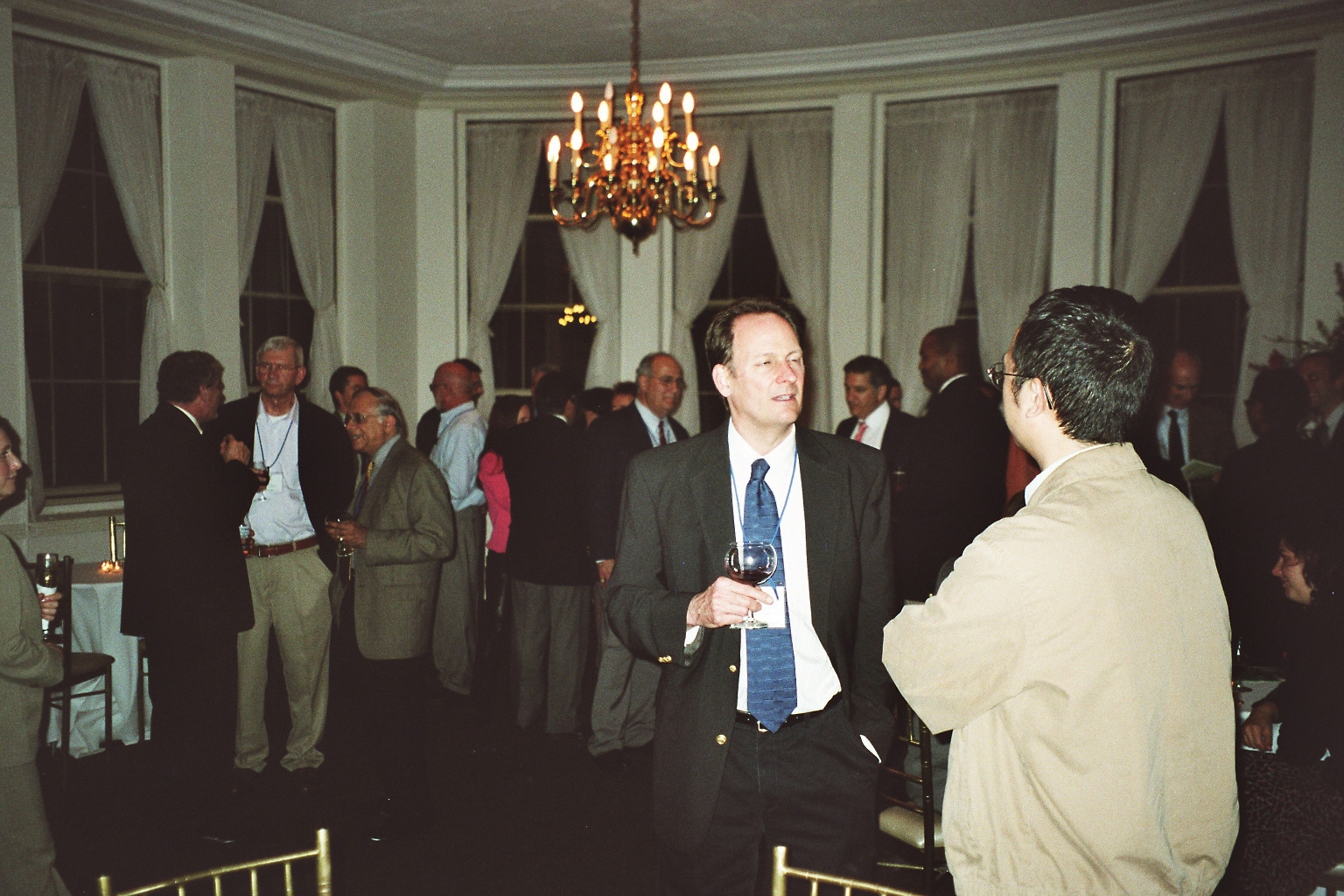
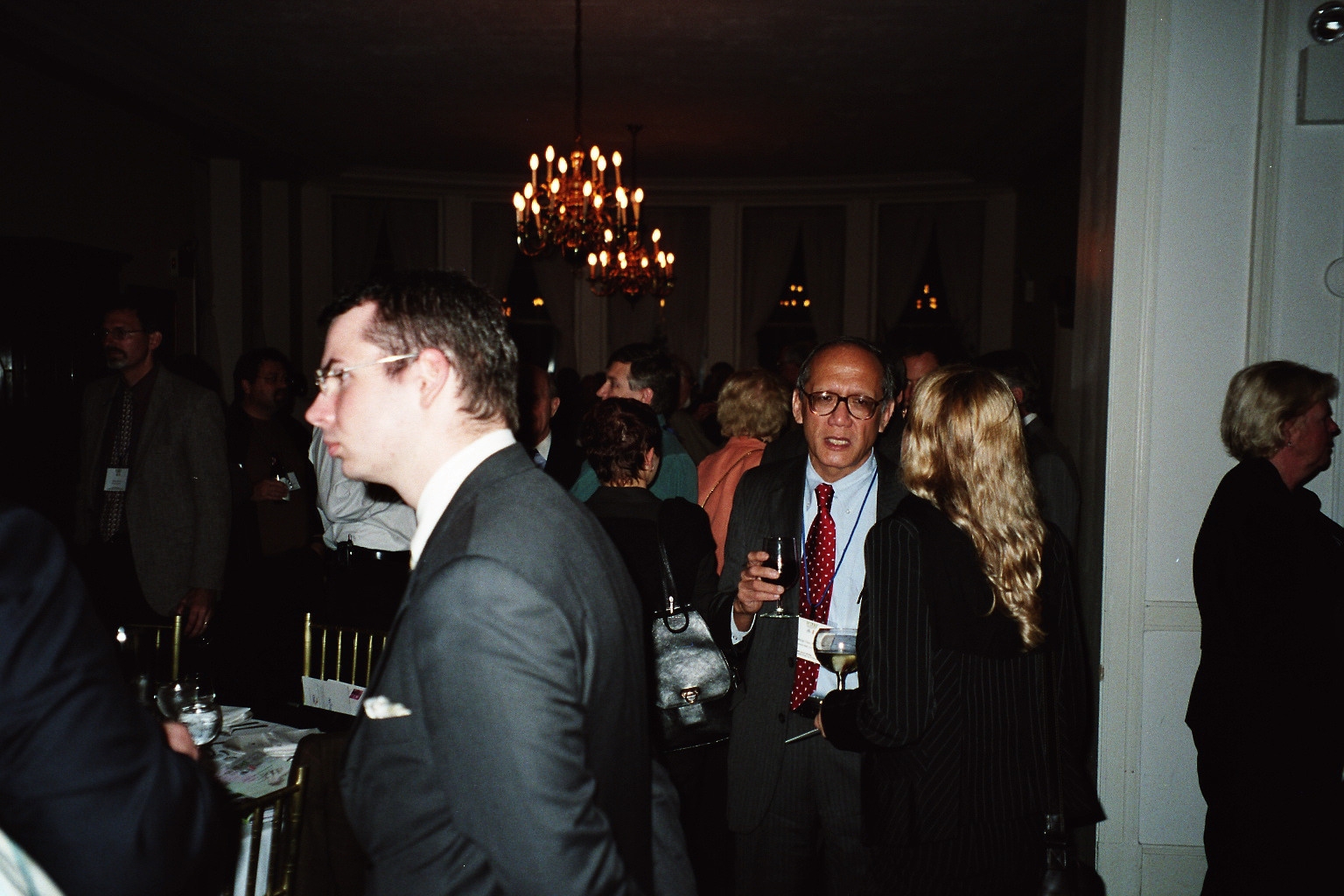
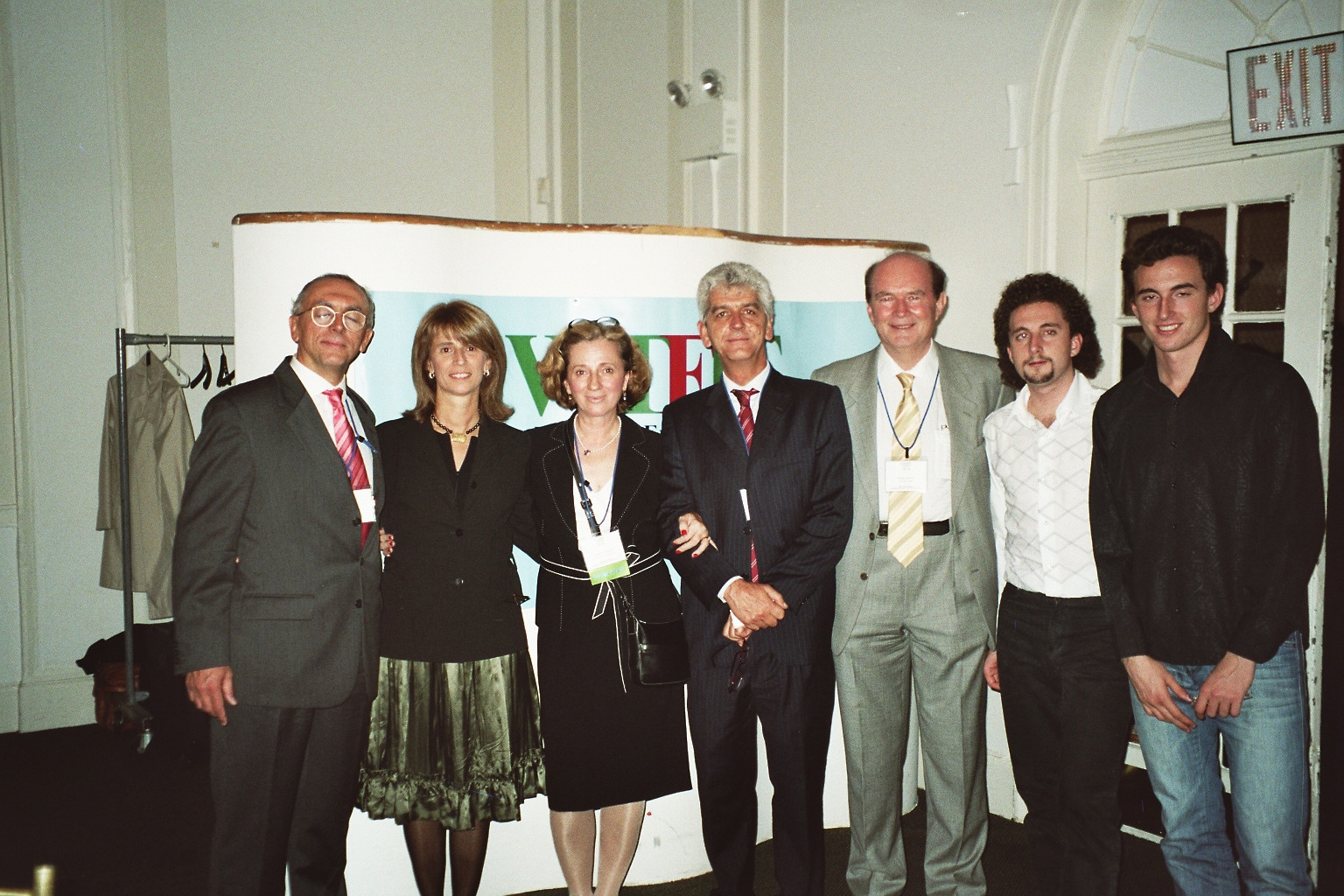
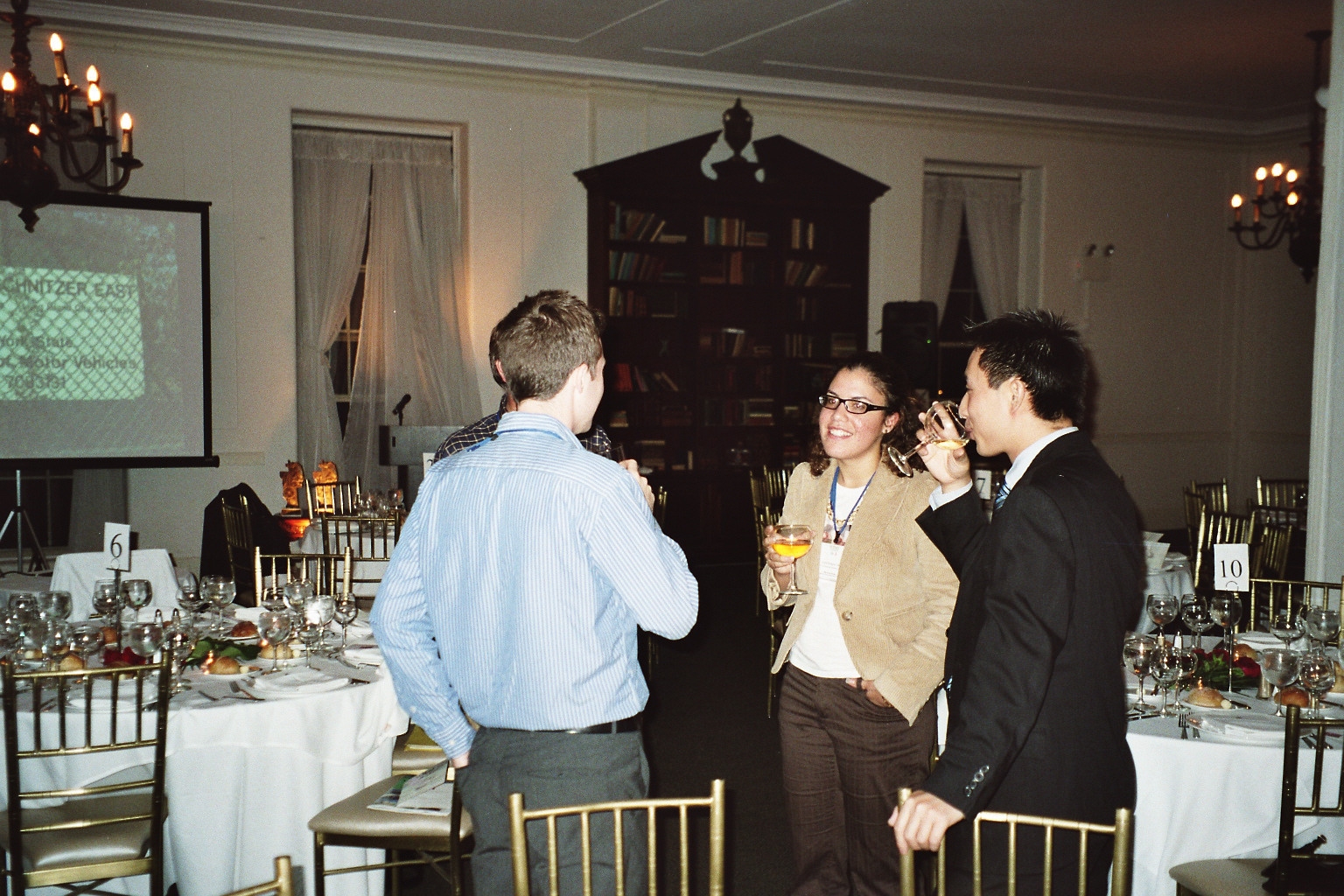
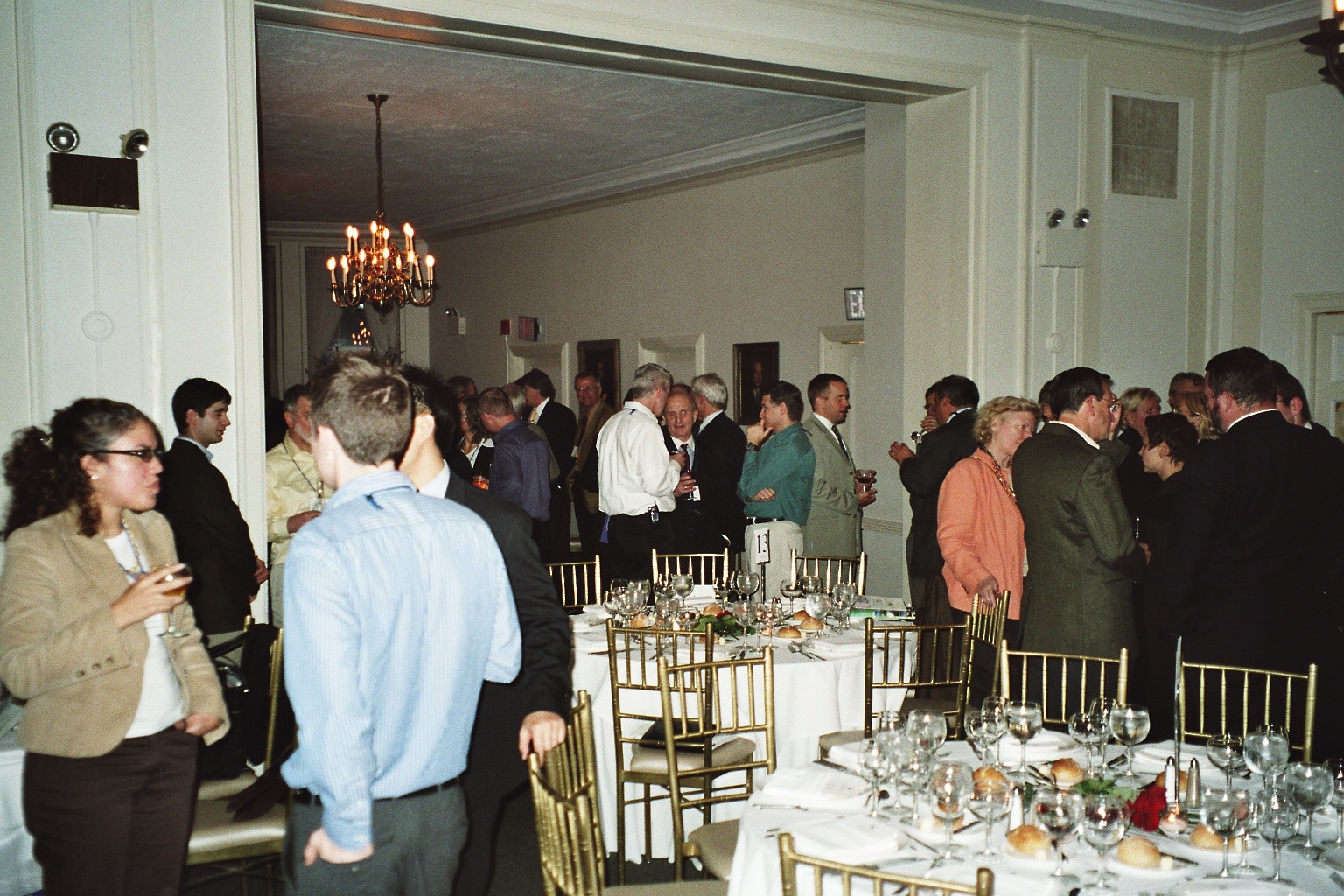
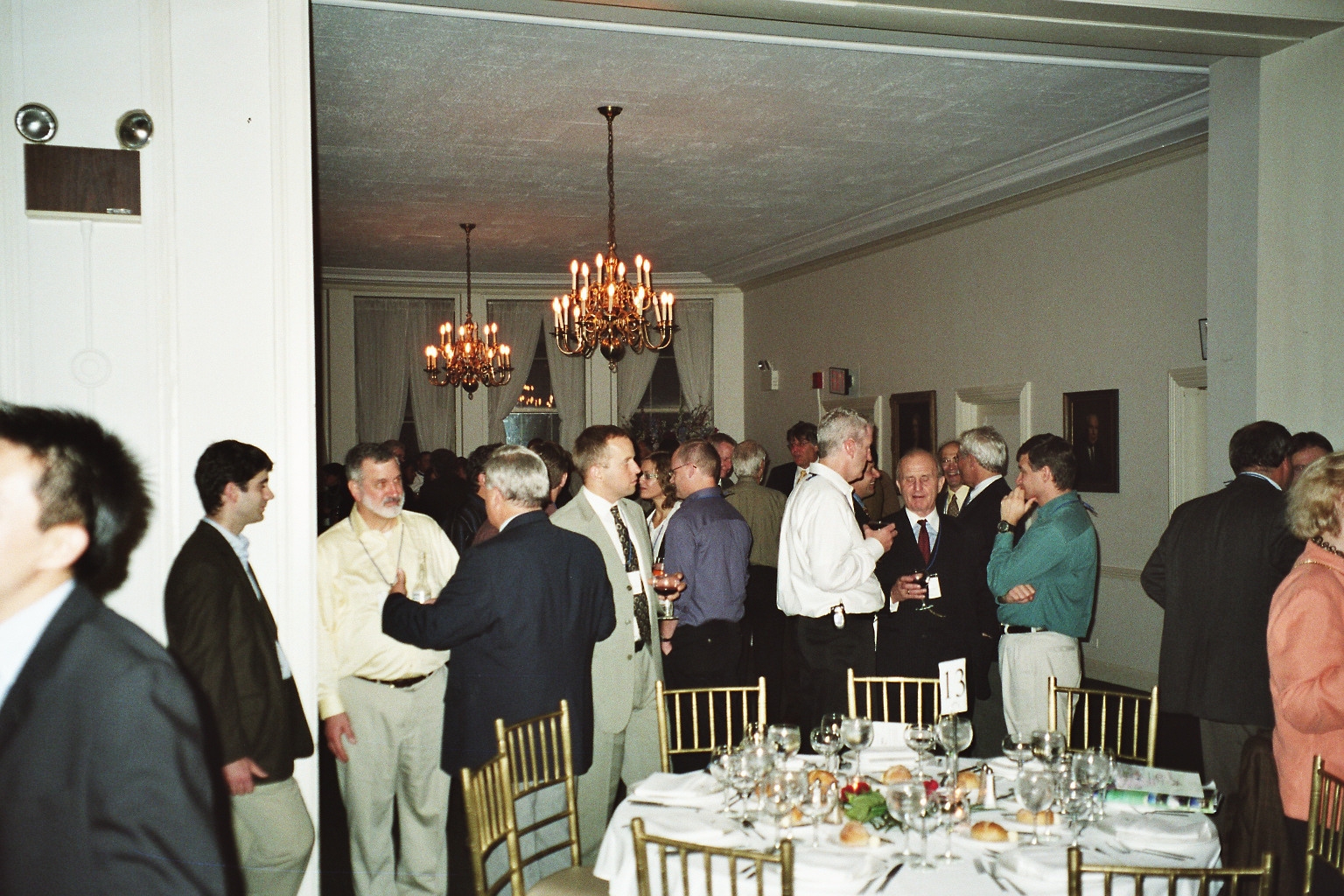
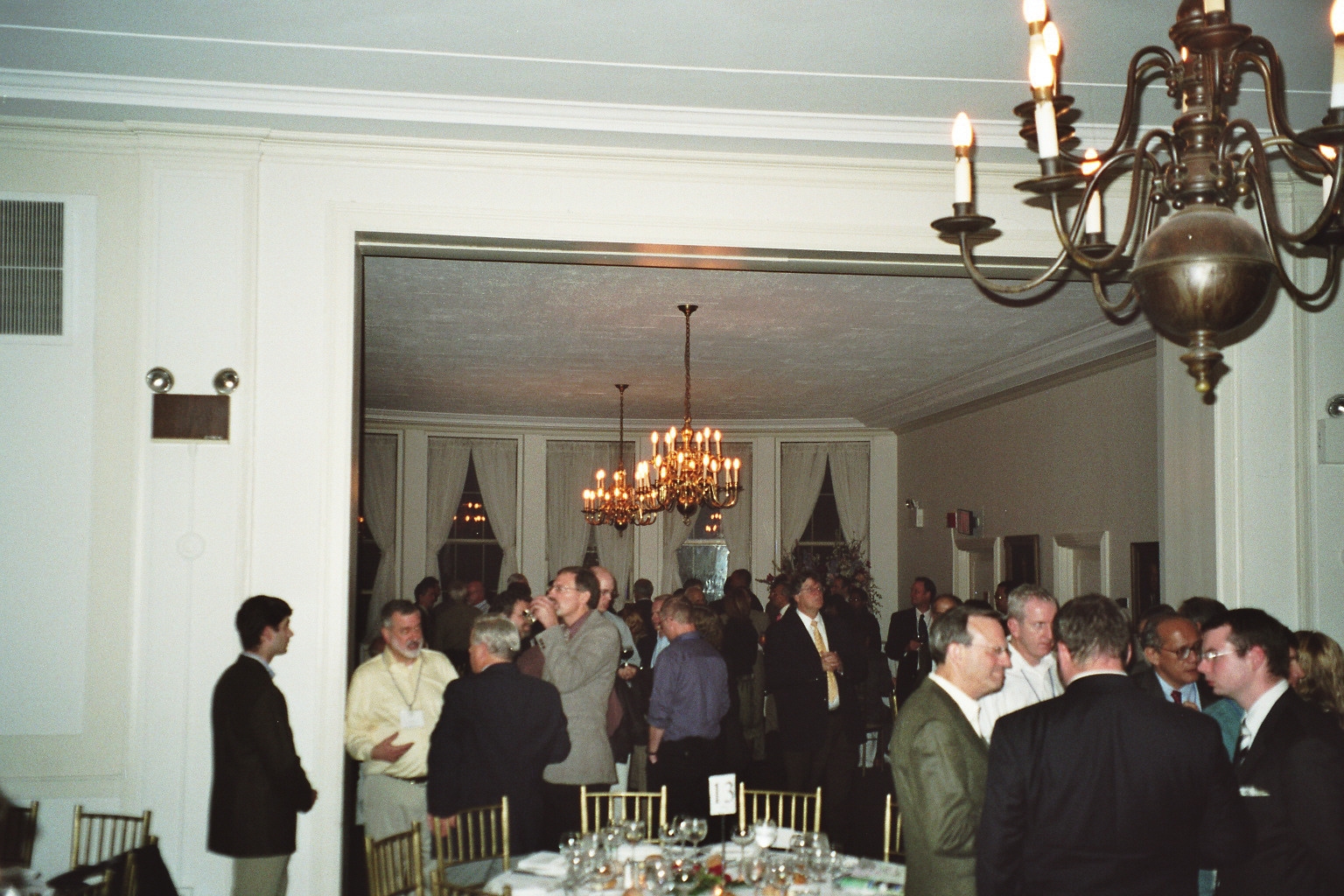
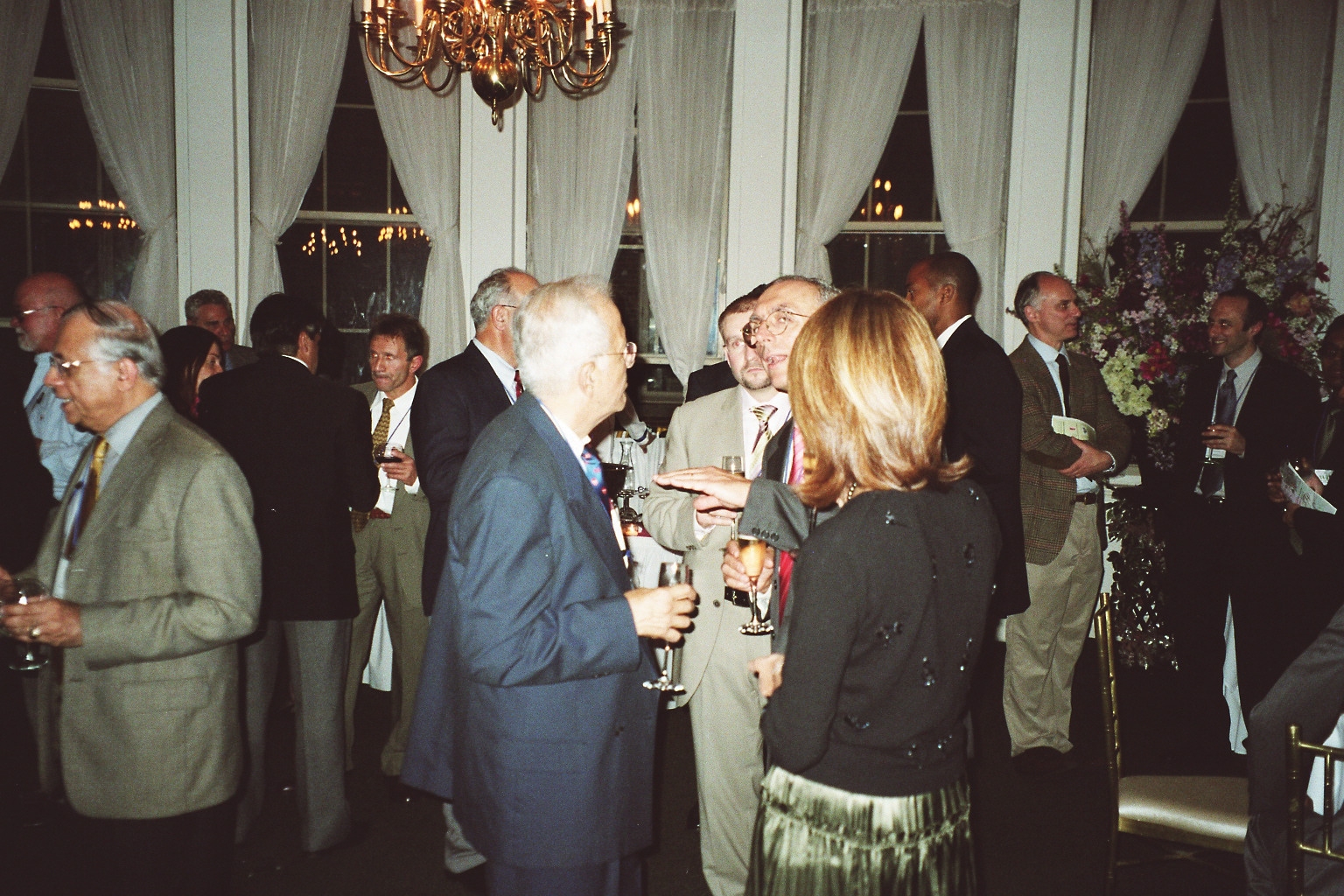
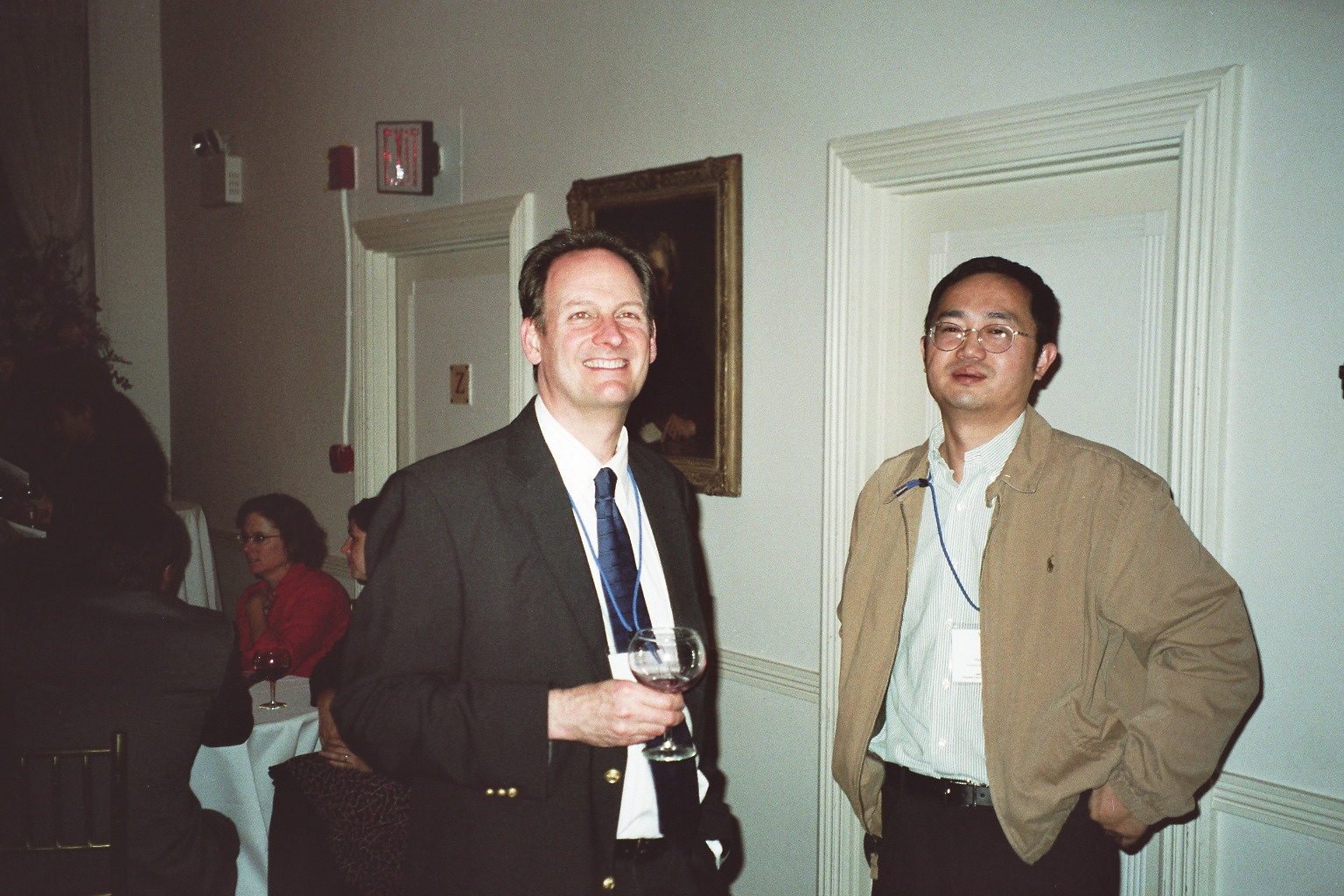
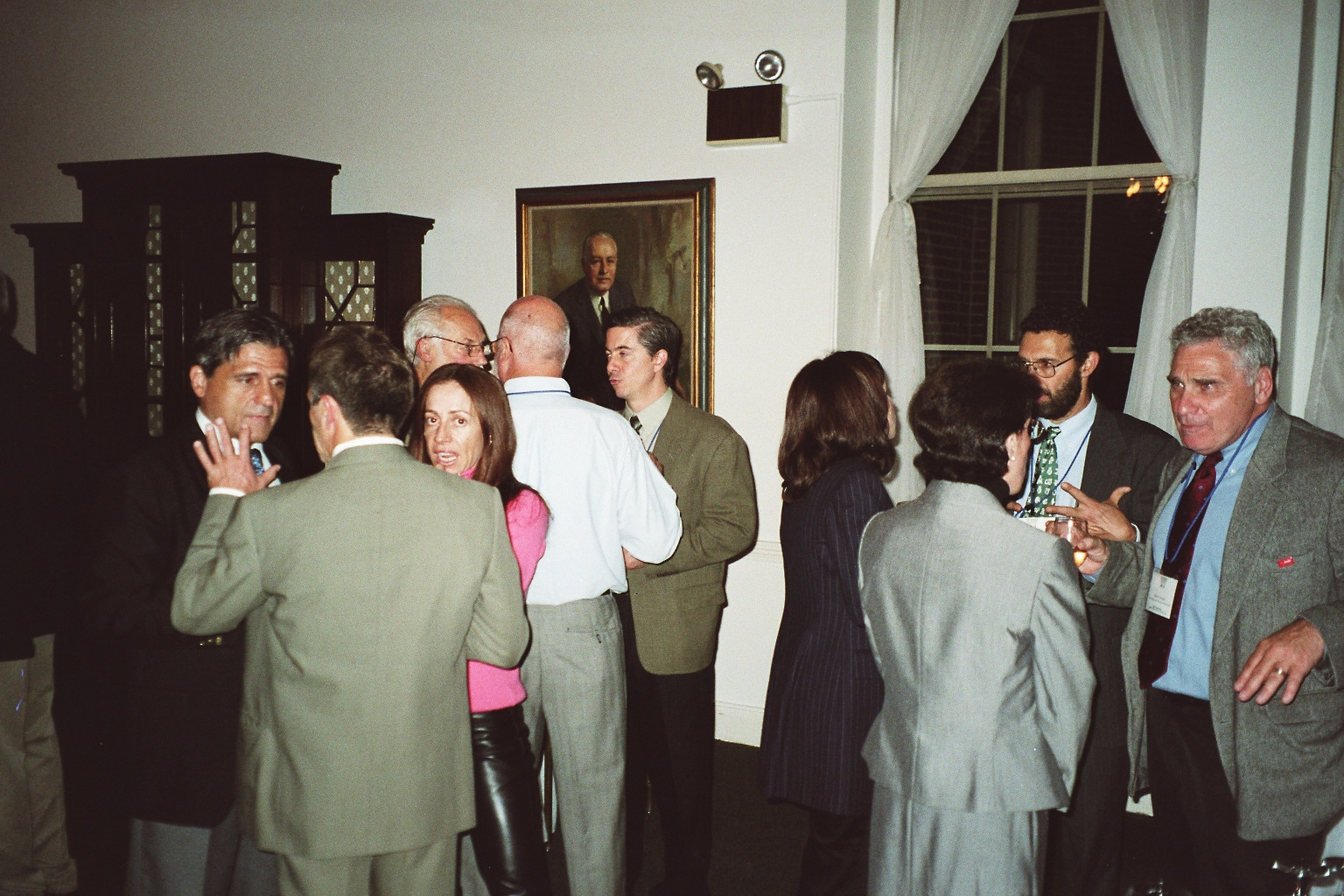
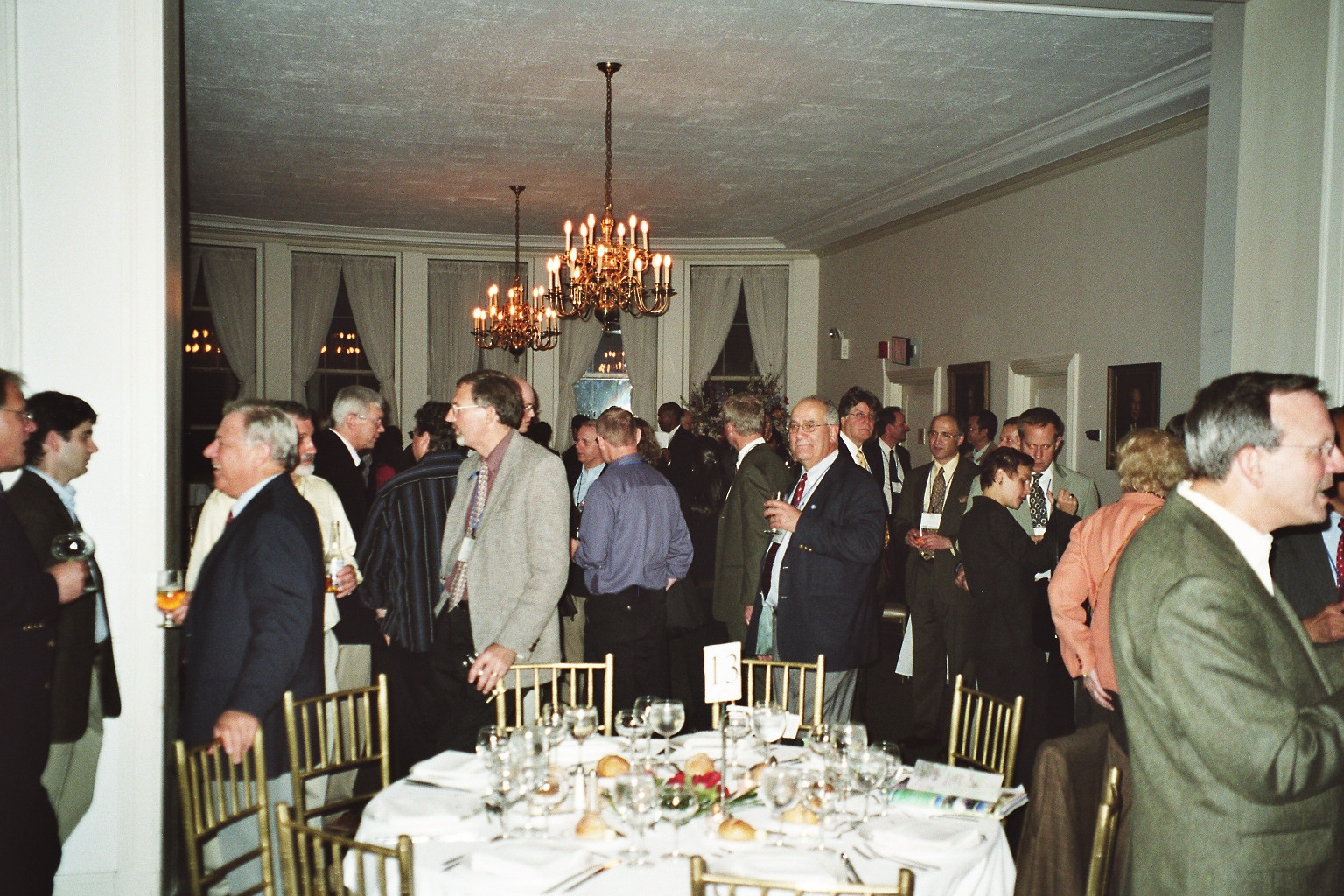
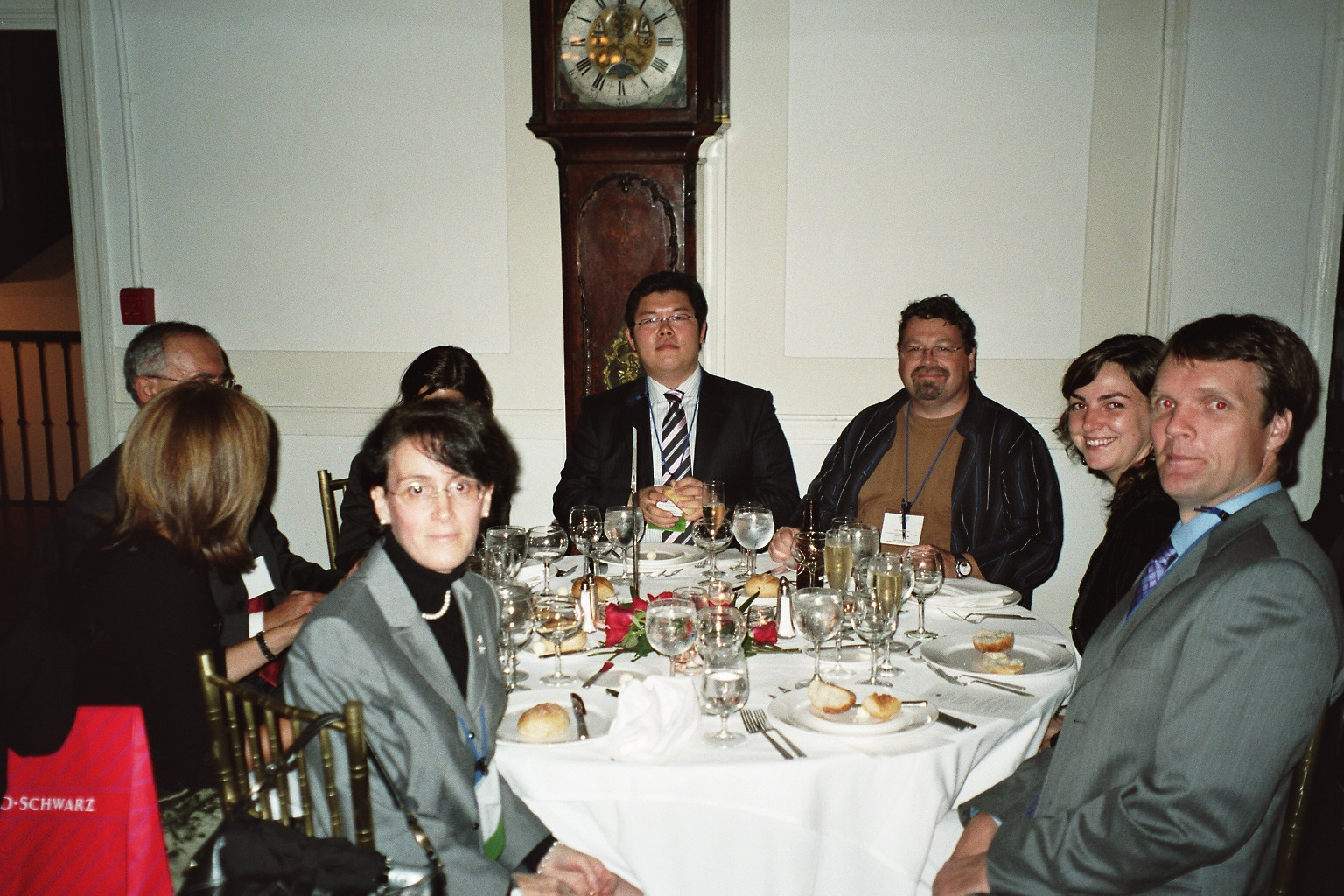
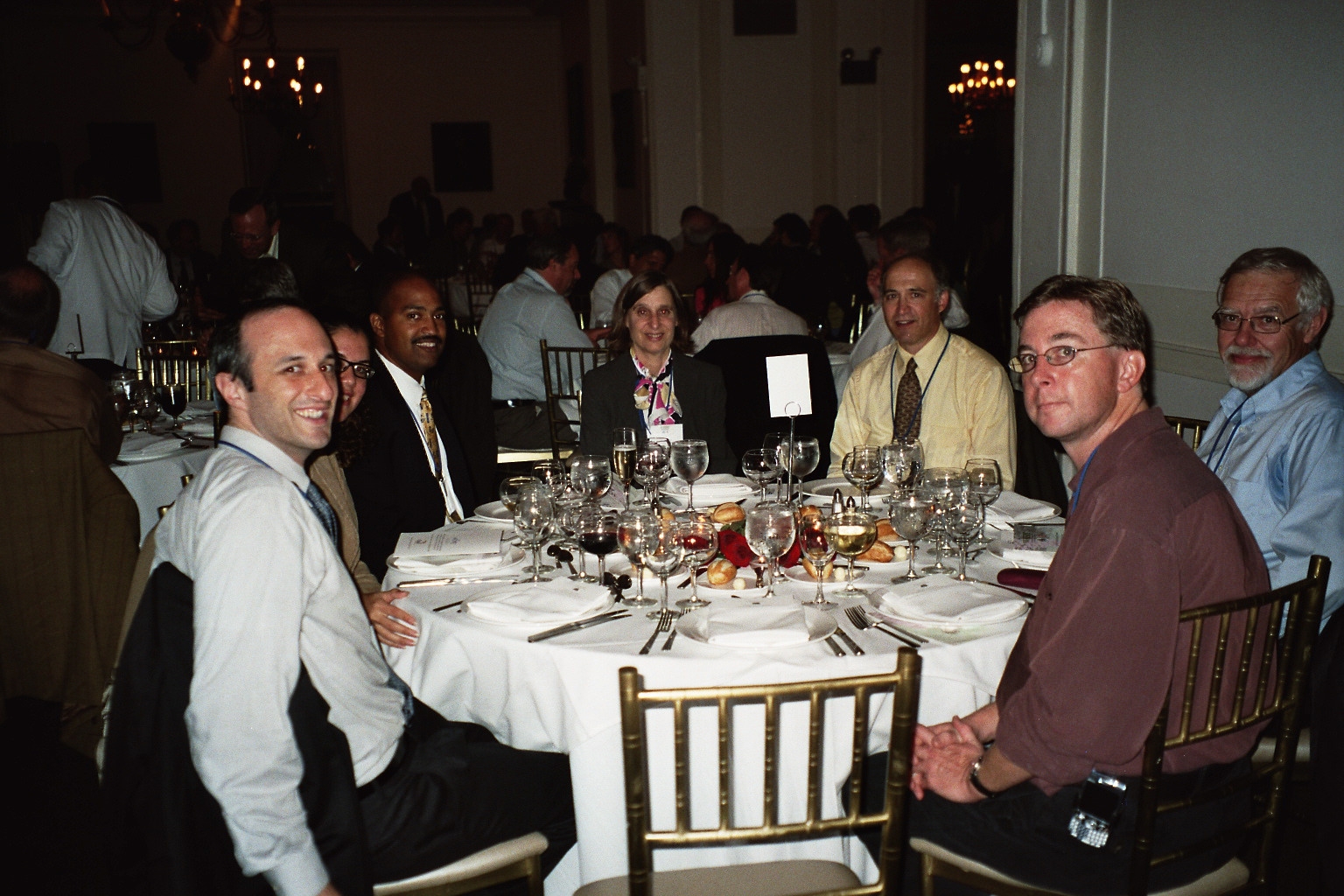
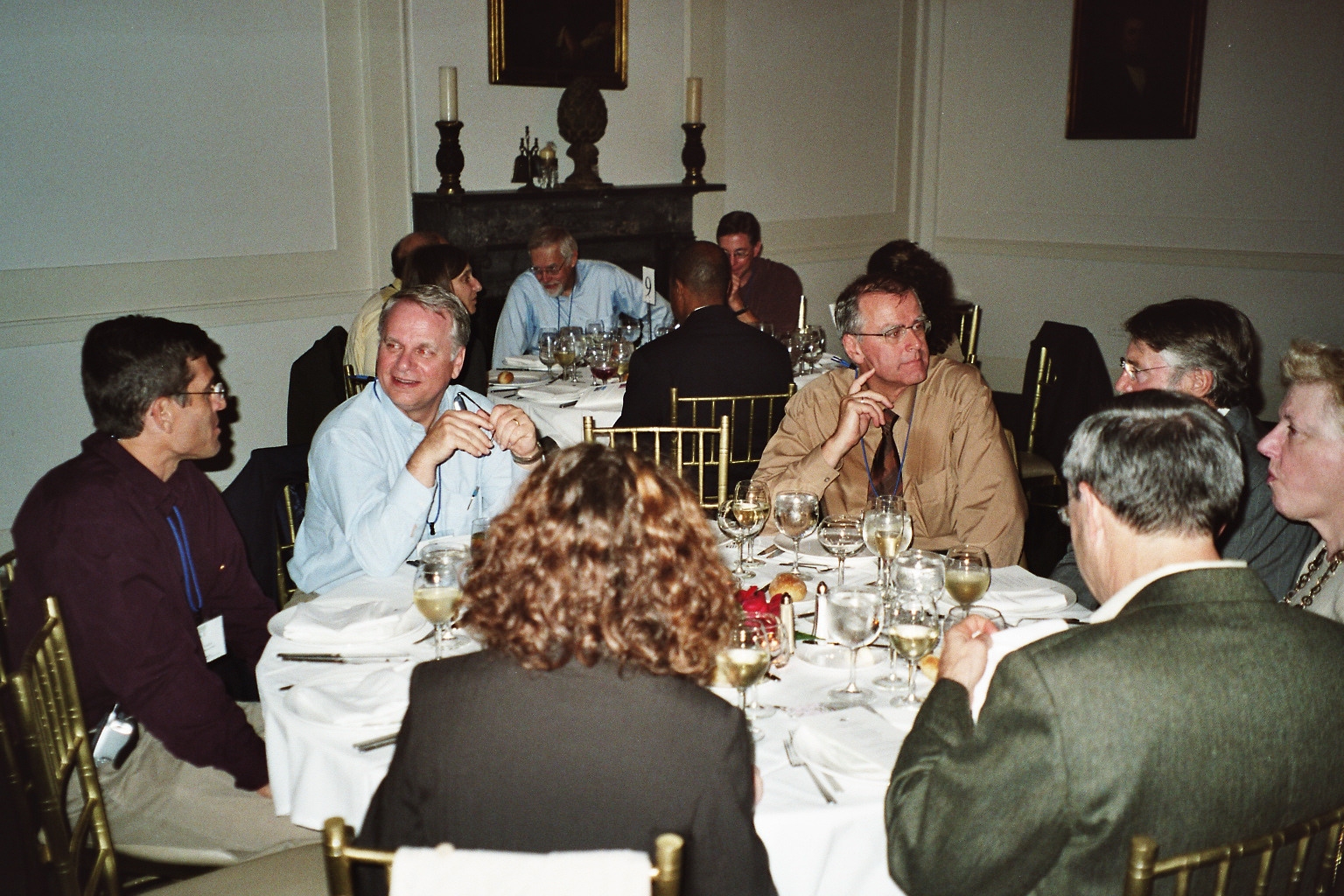
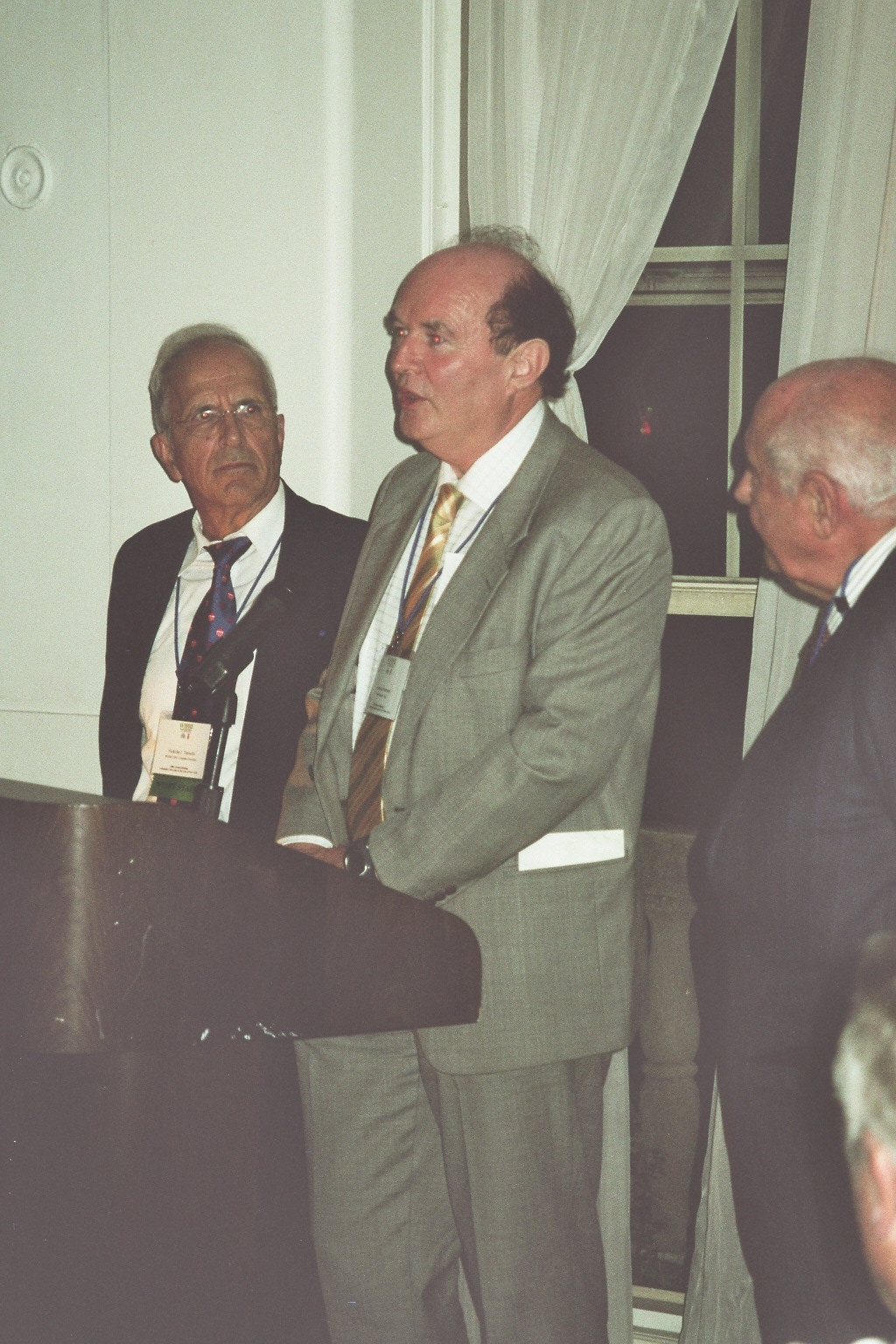
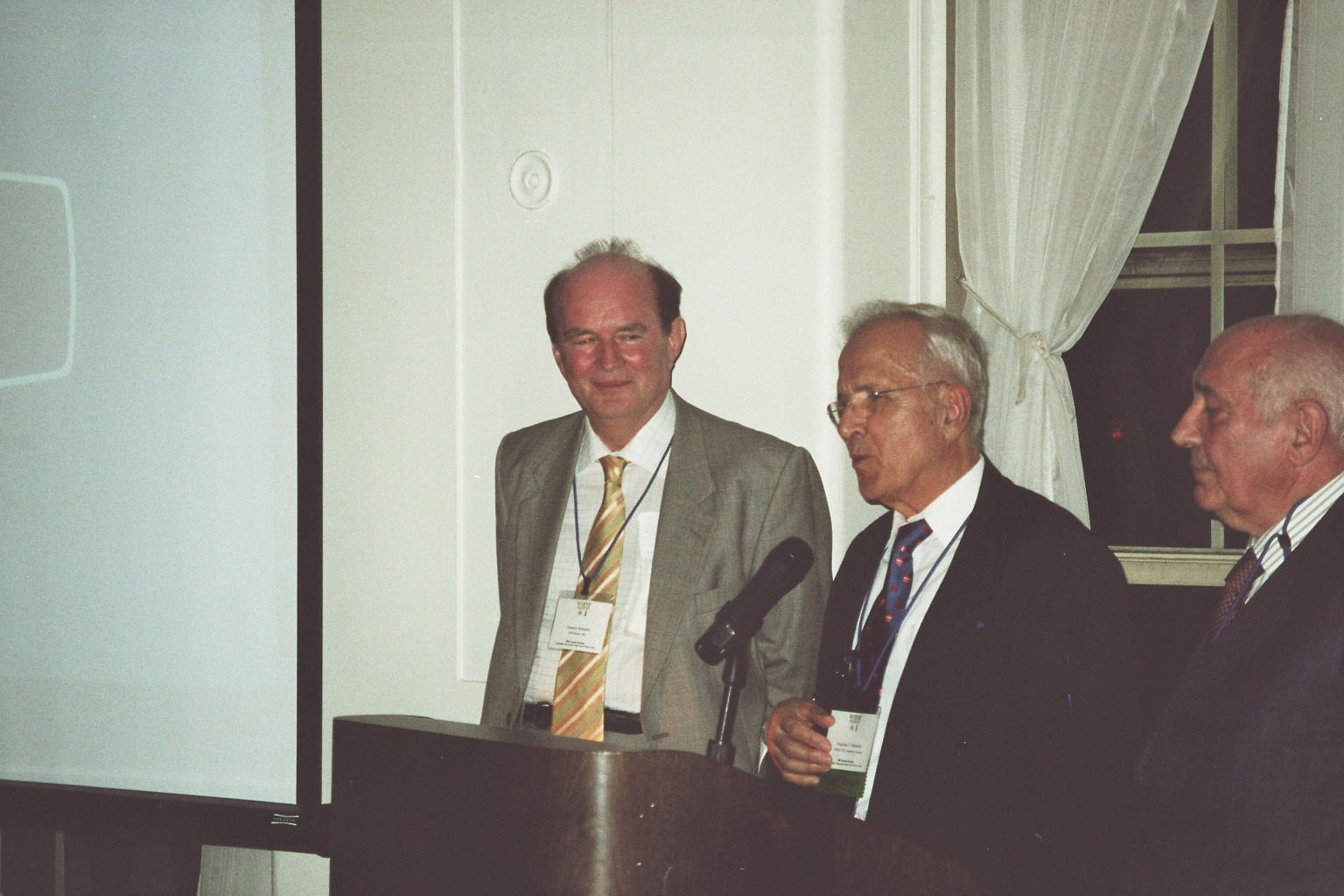
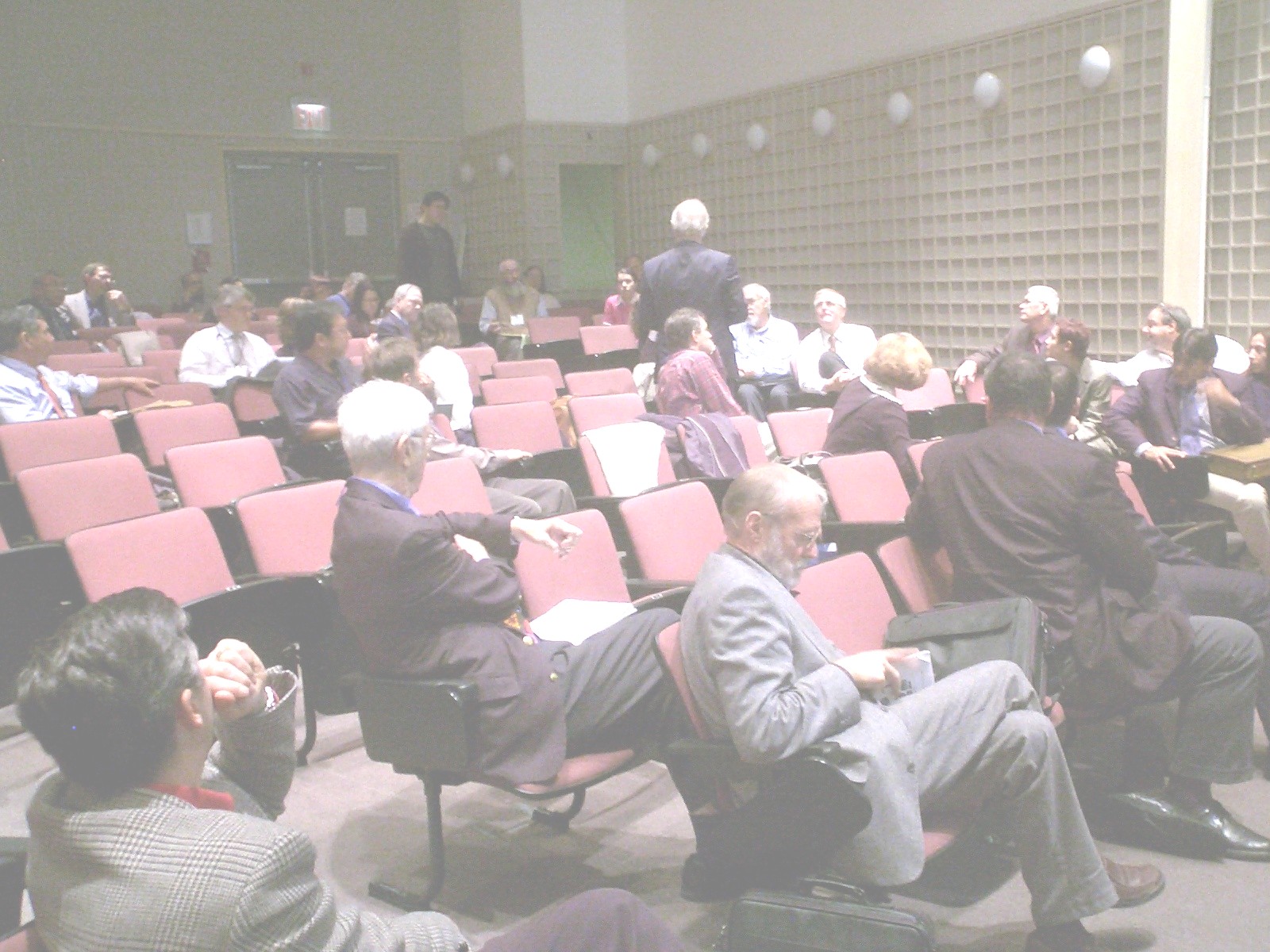
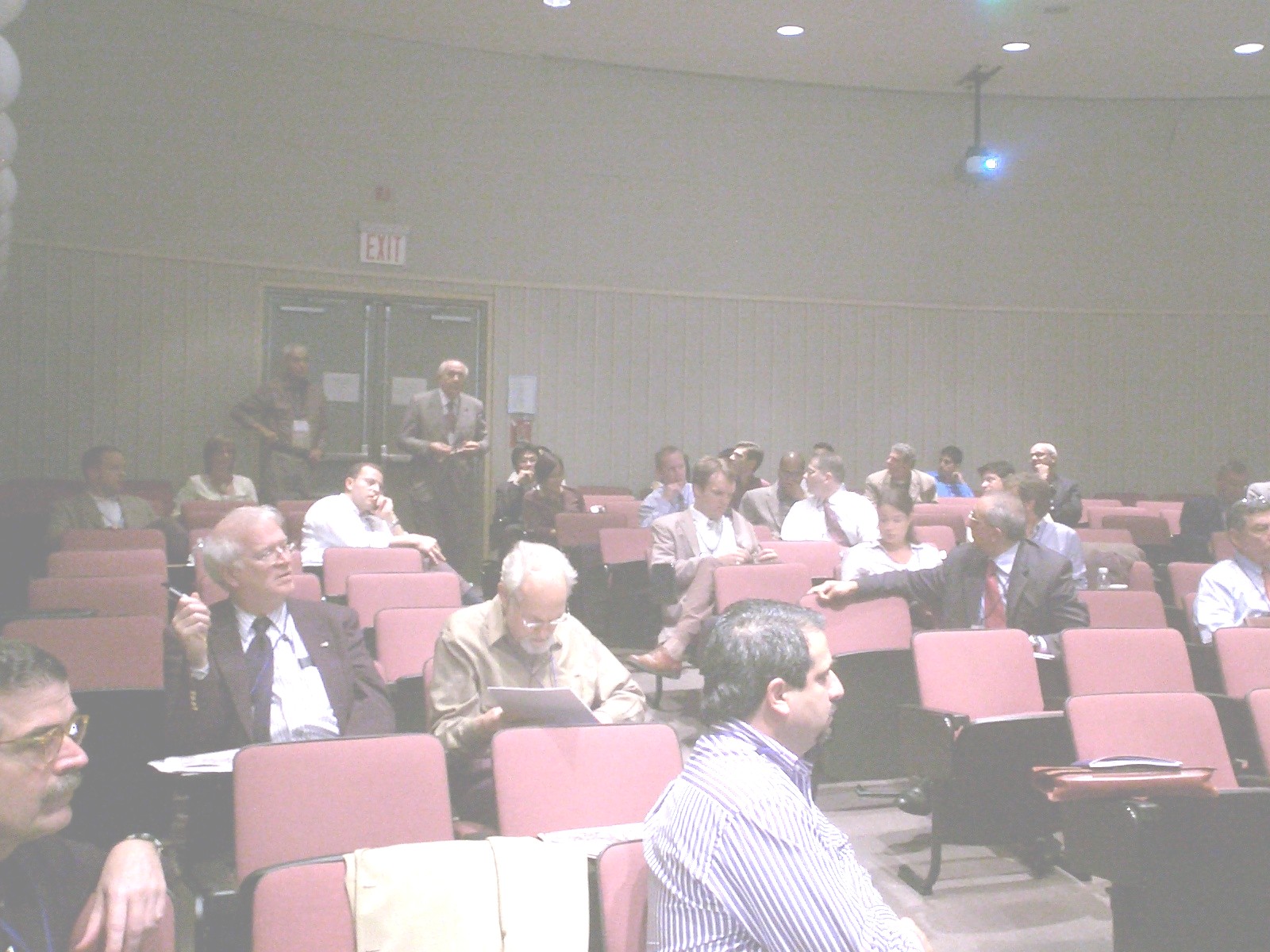
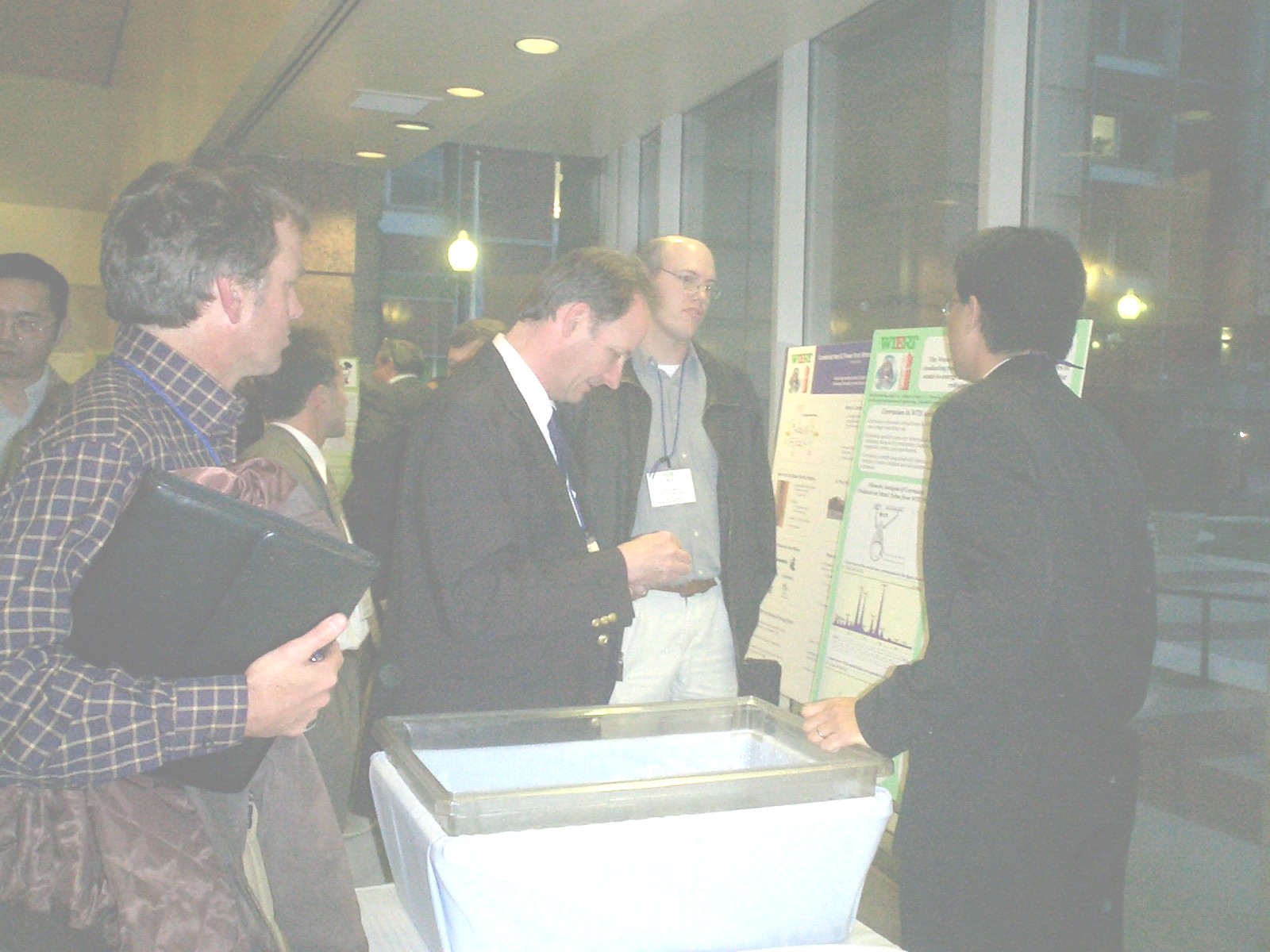
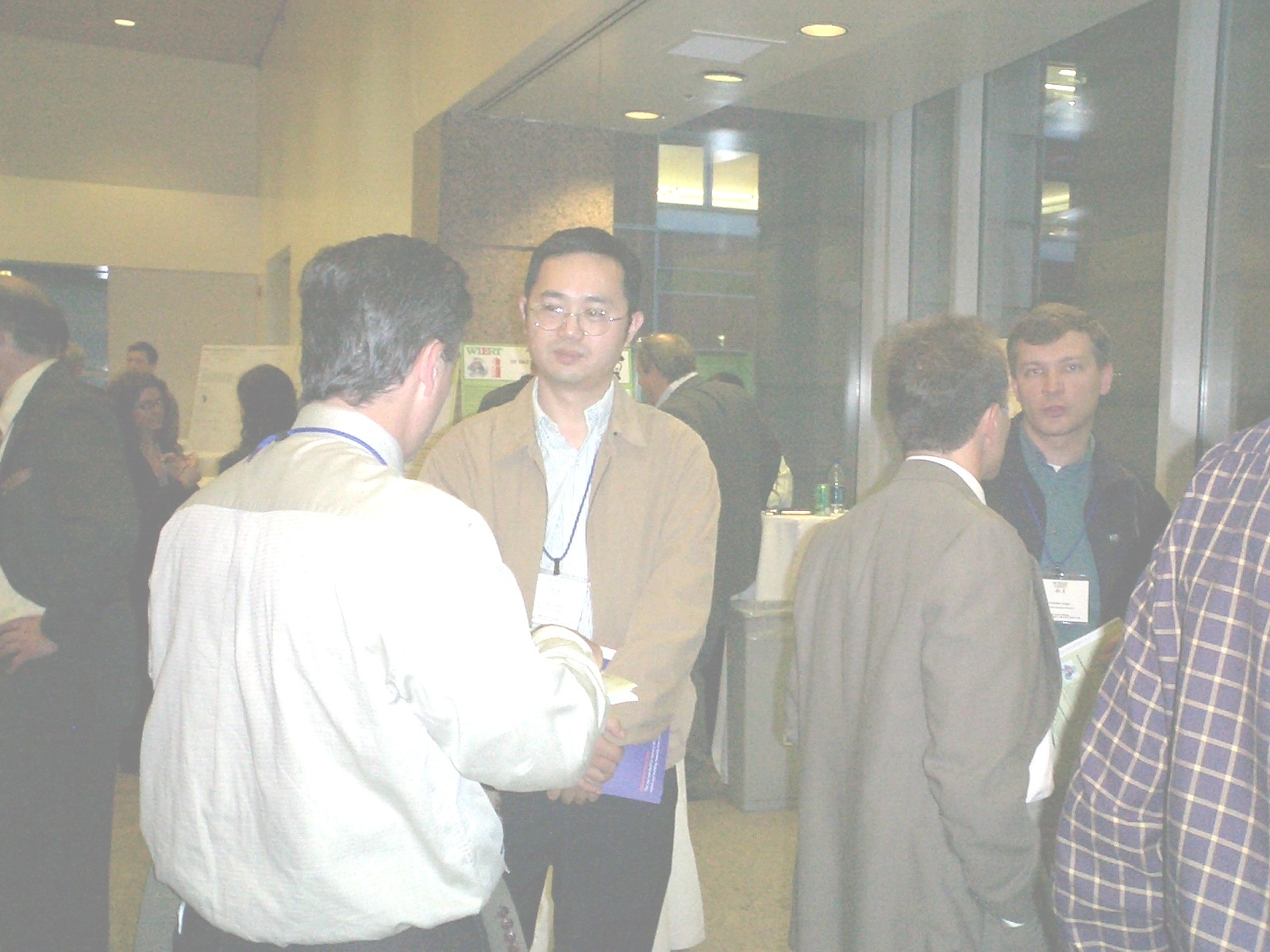
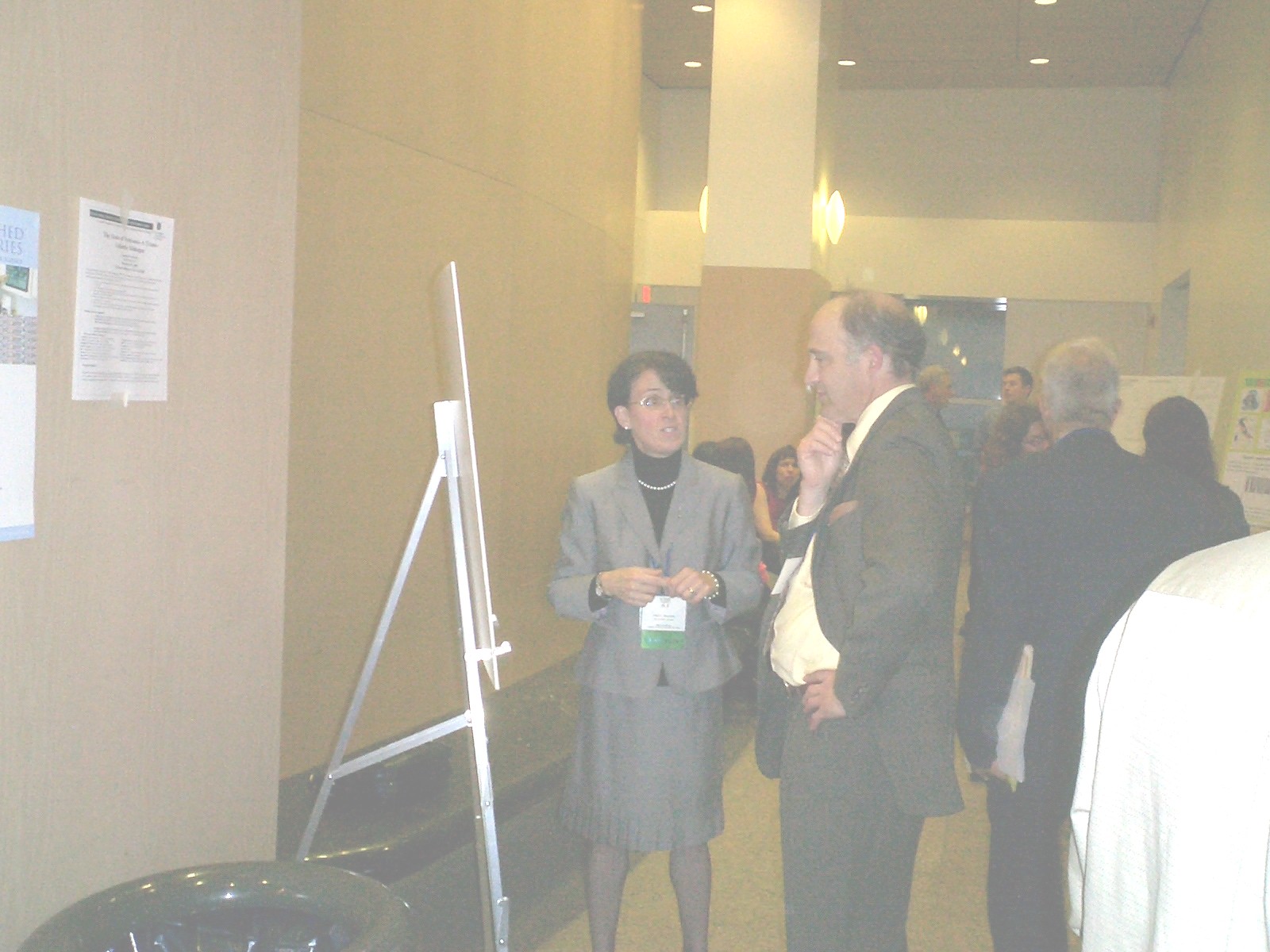
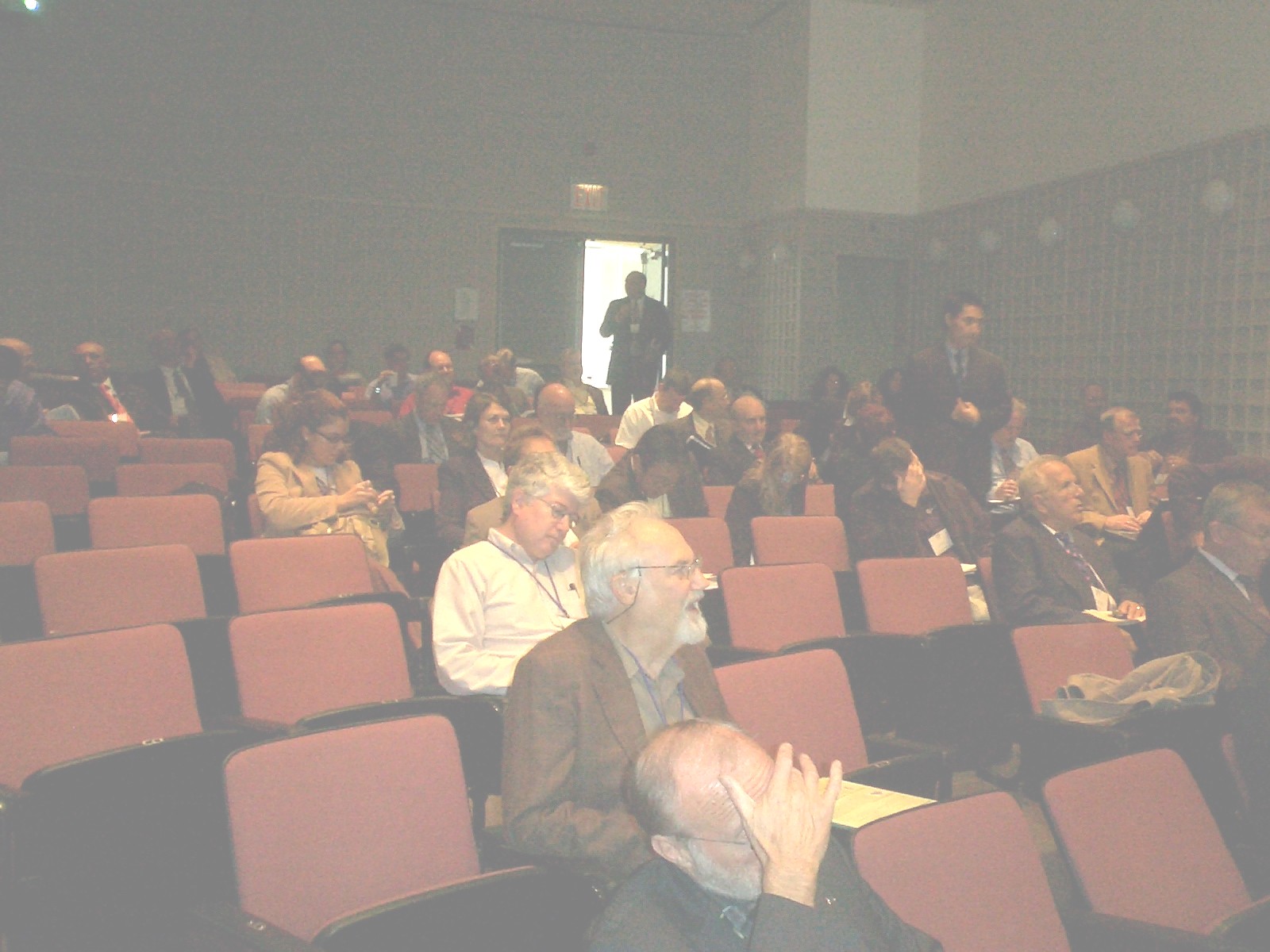
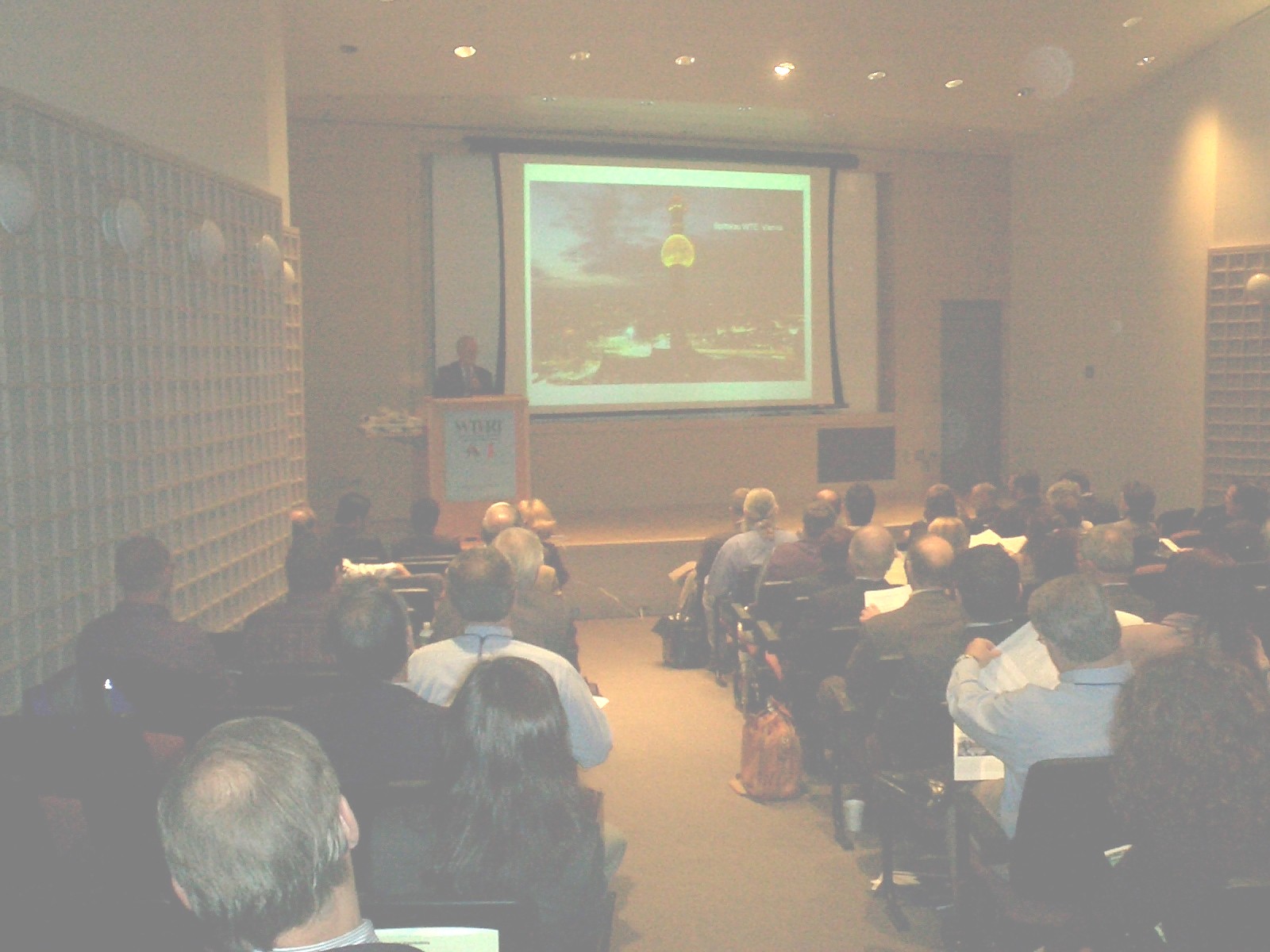
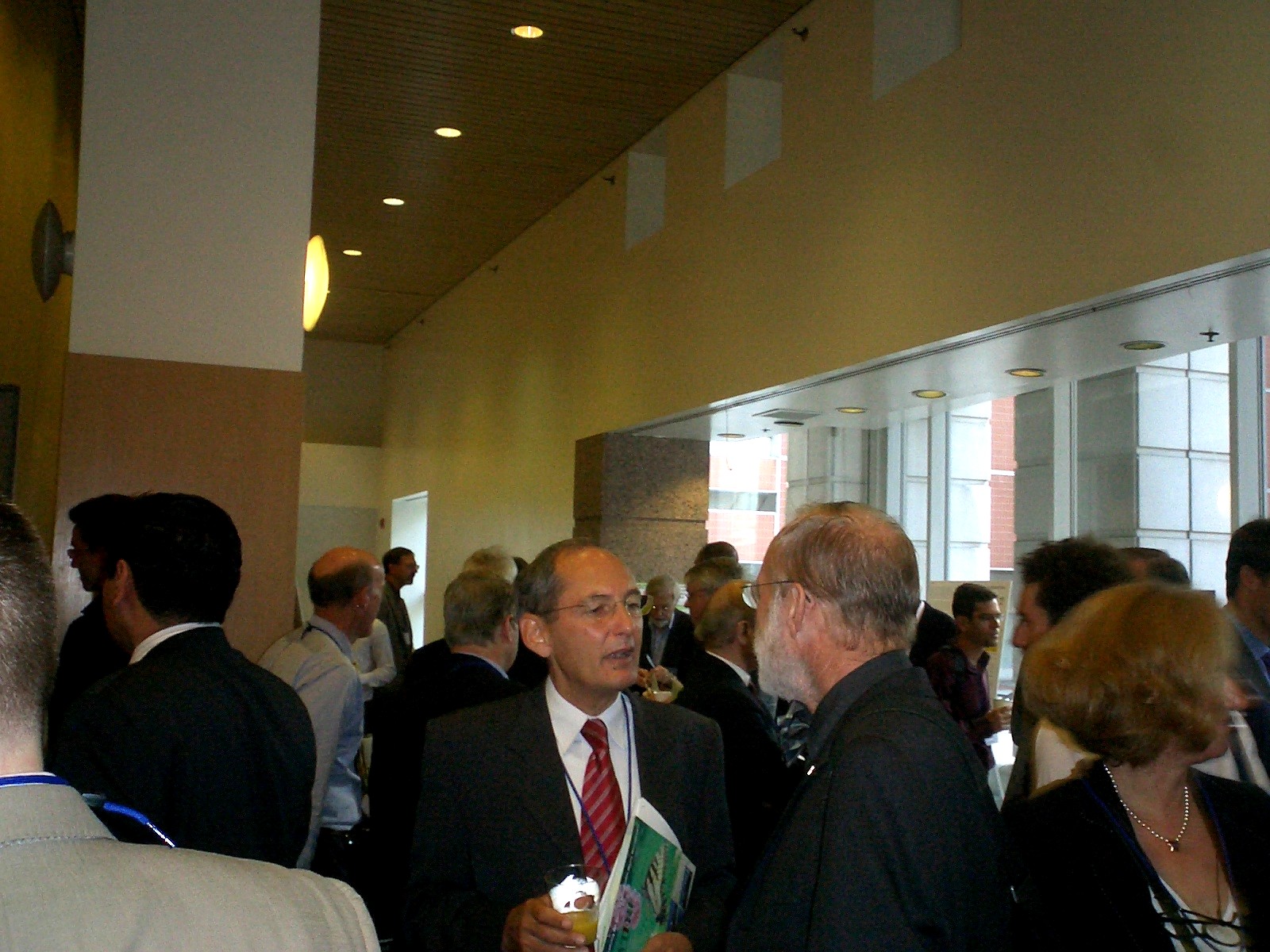
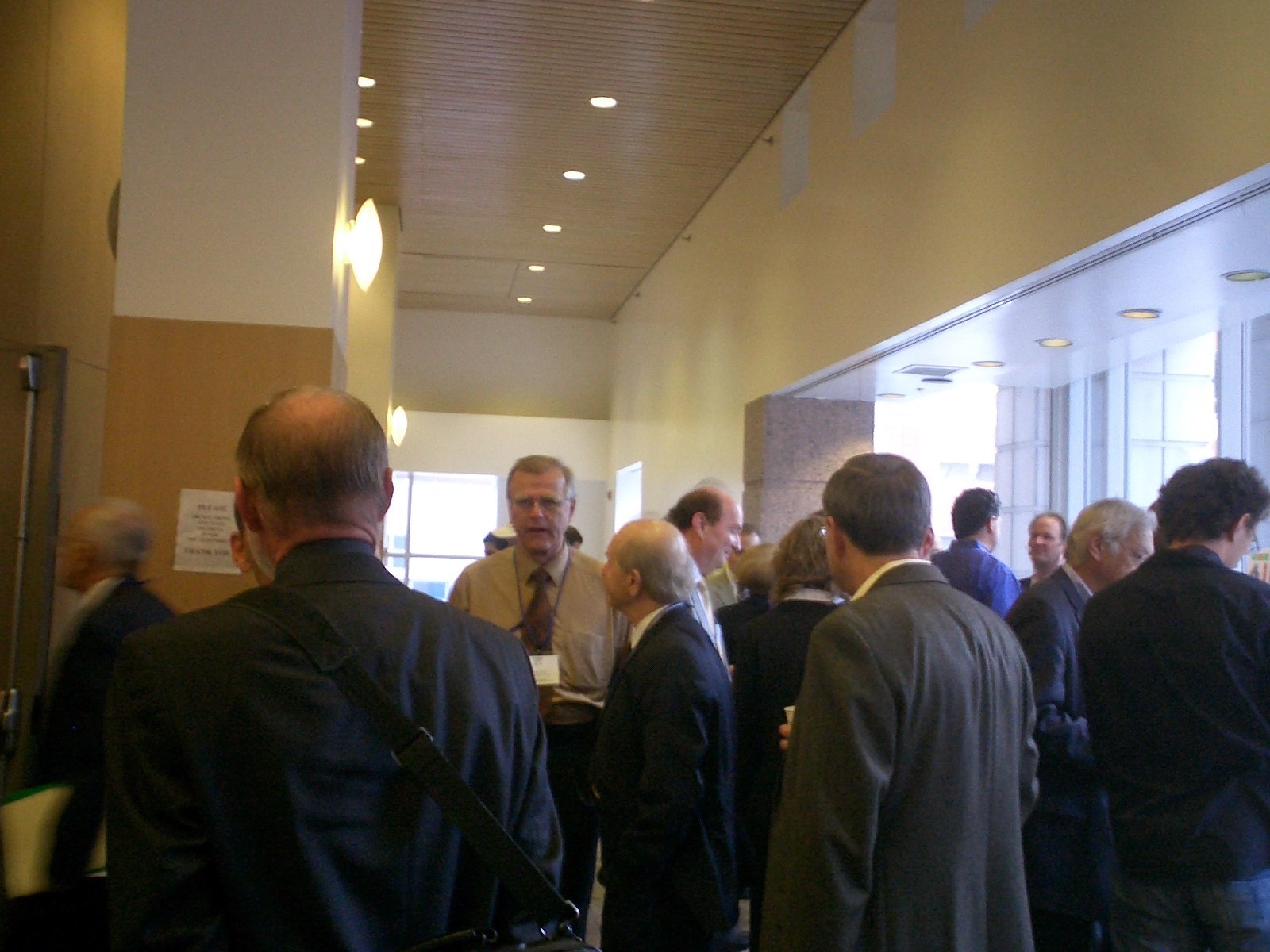
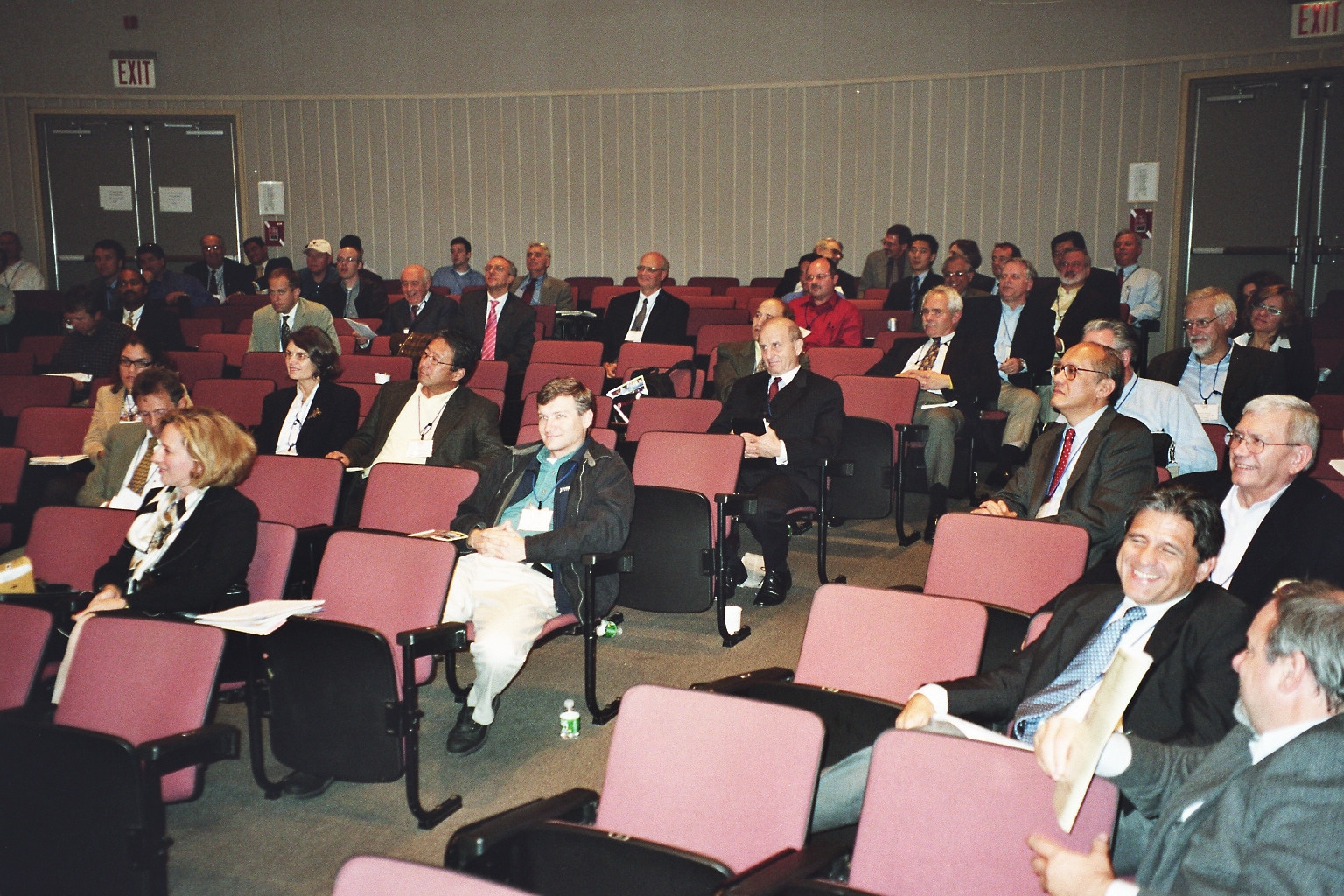
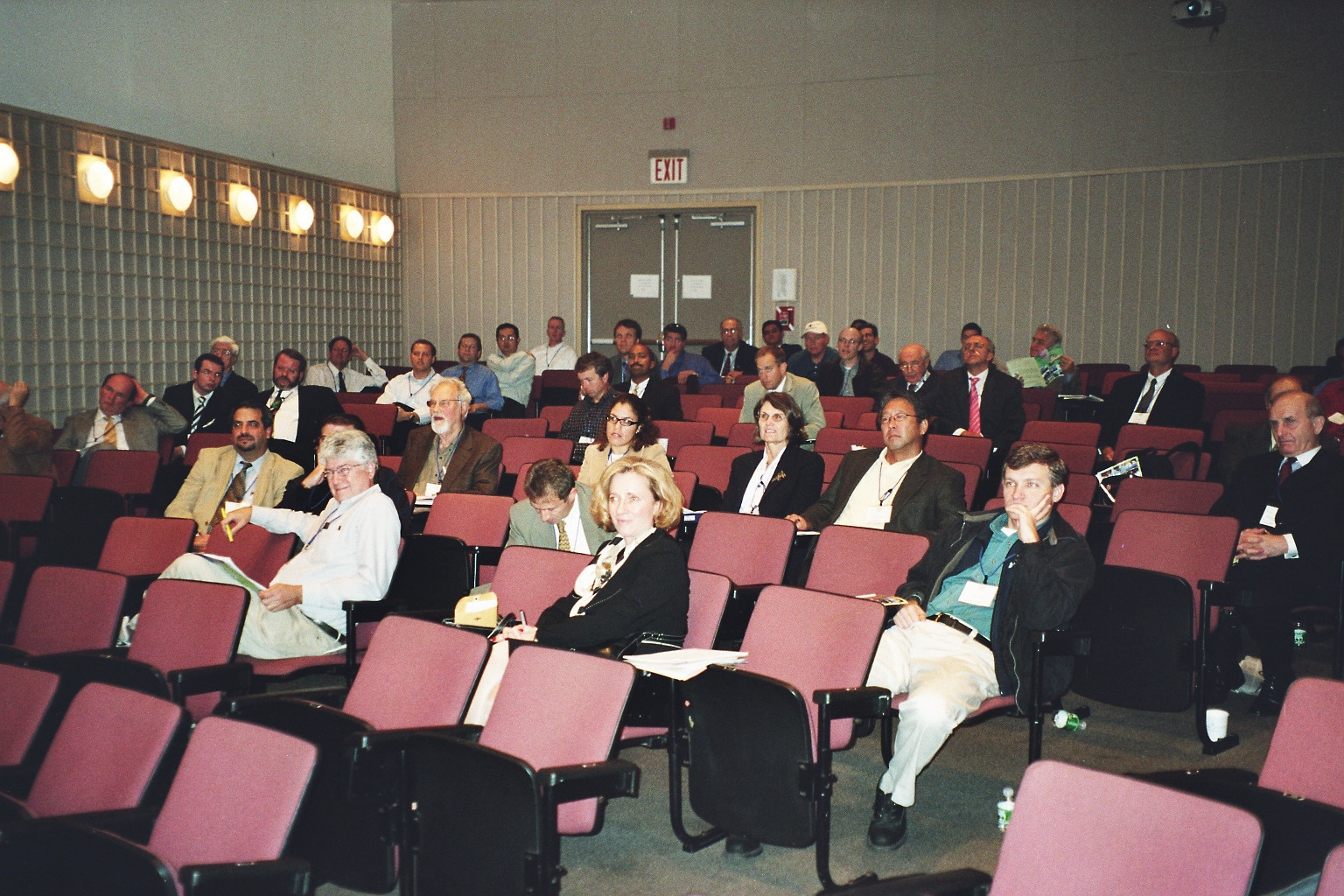
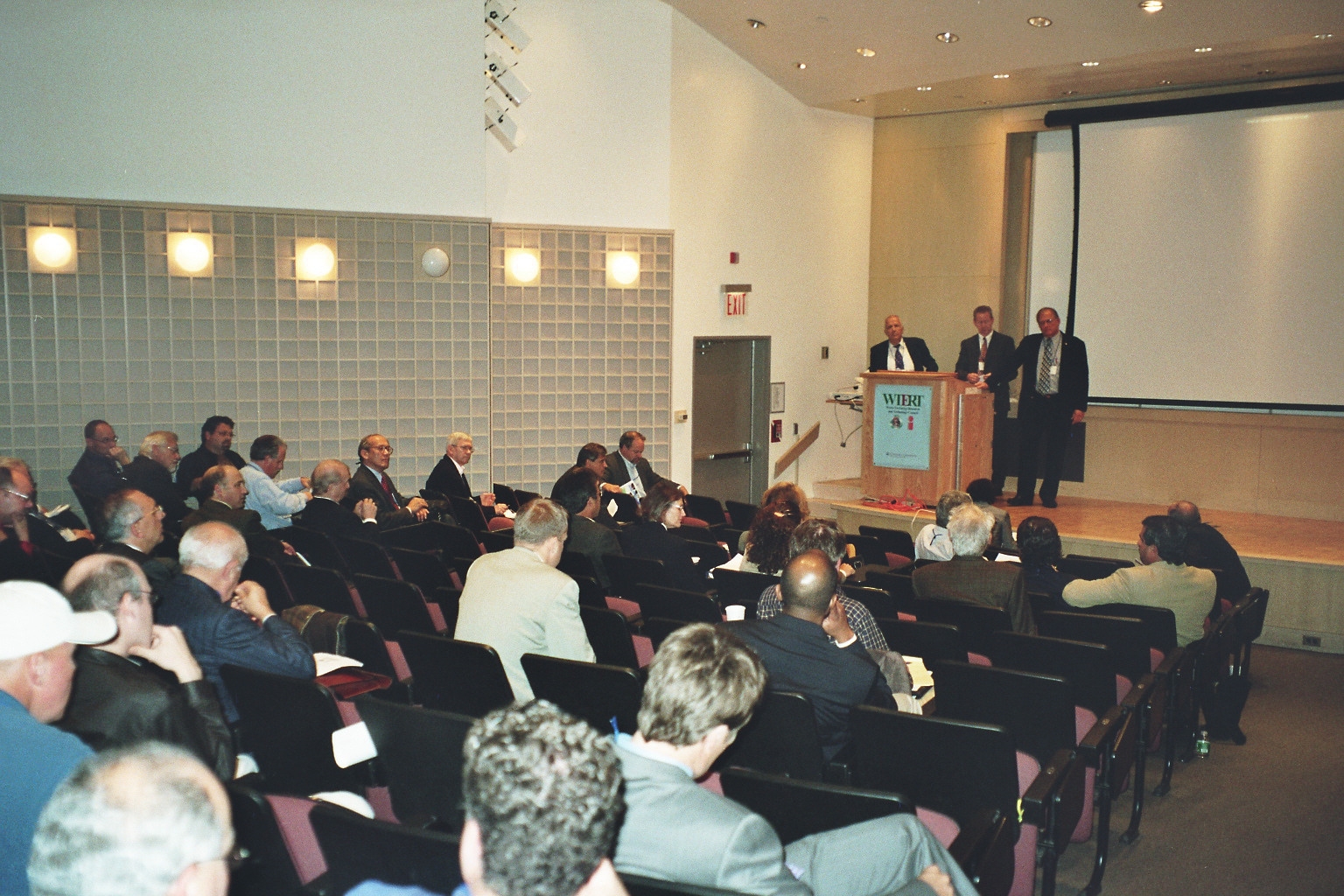
Conference Photos
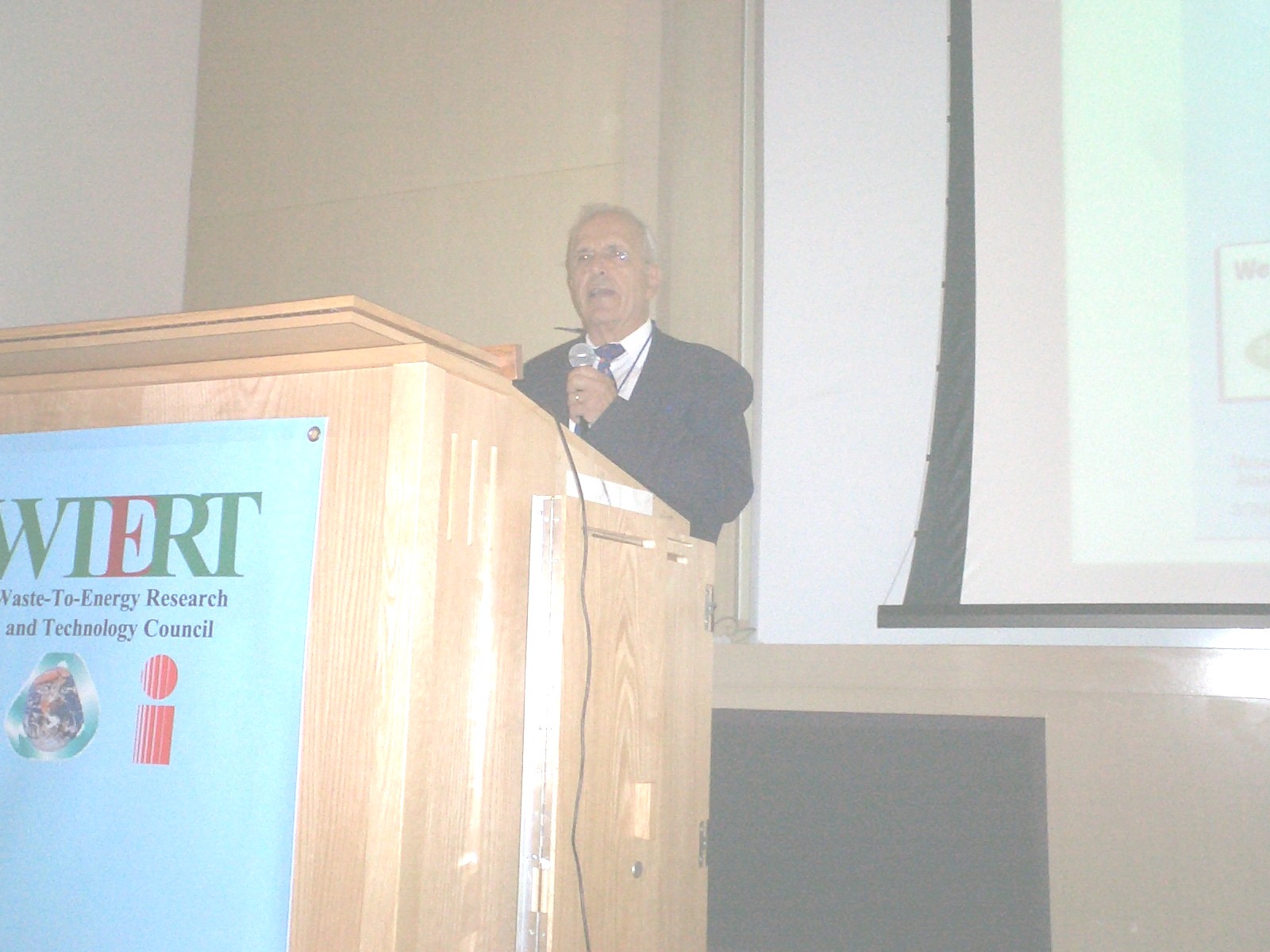
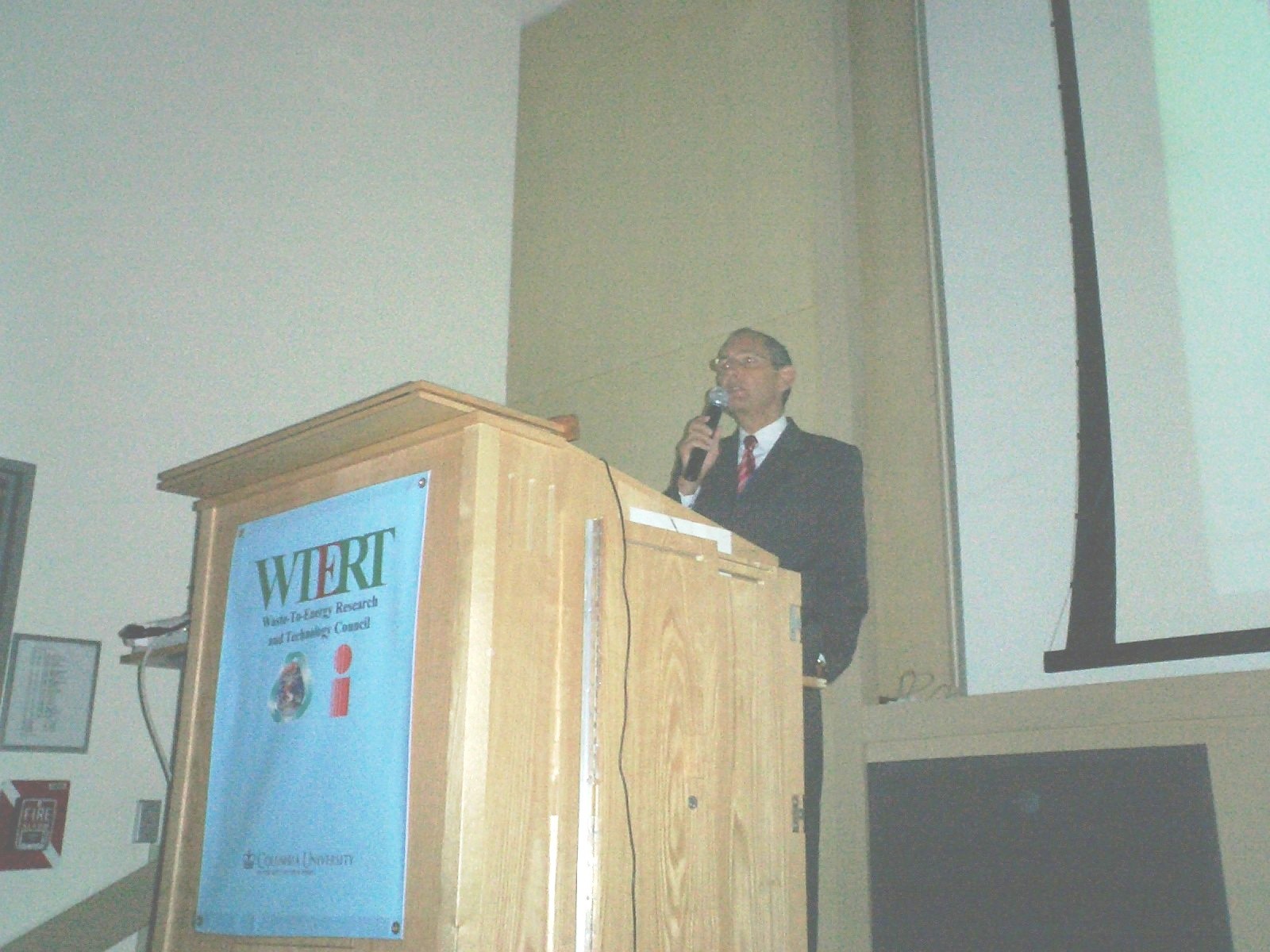
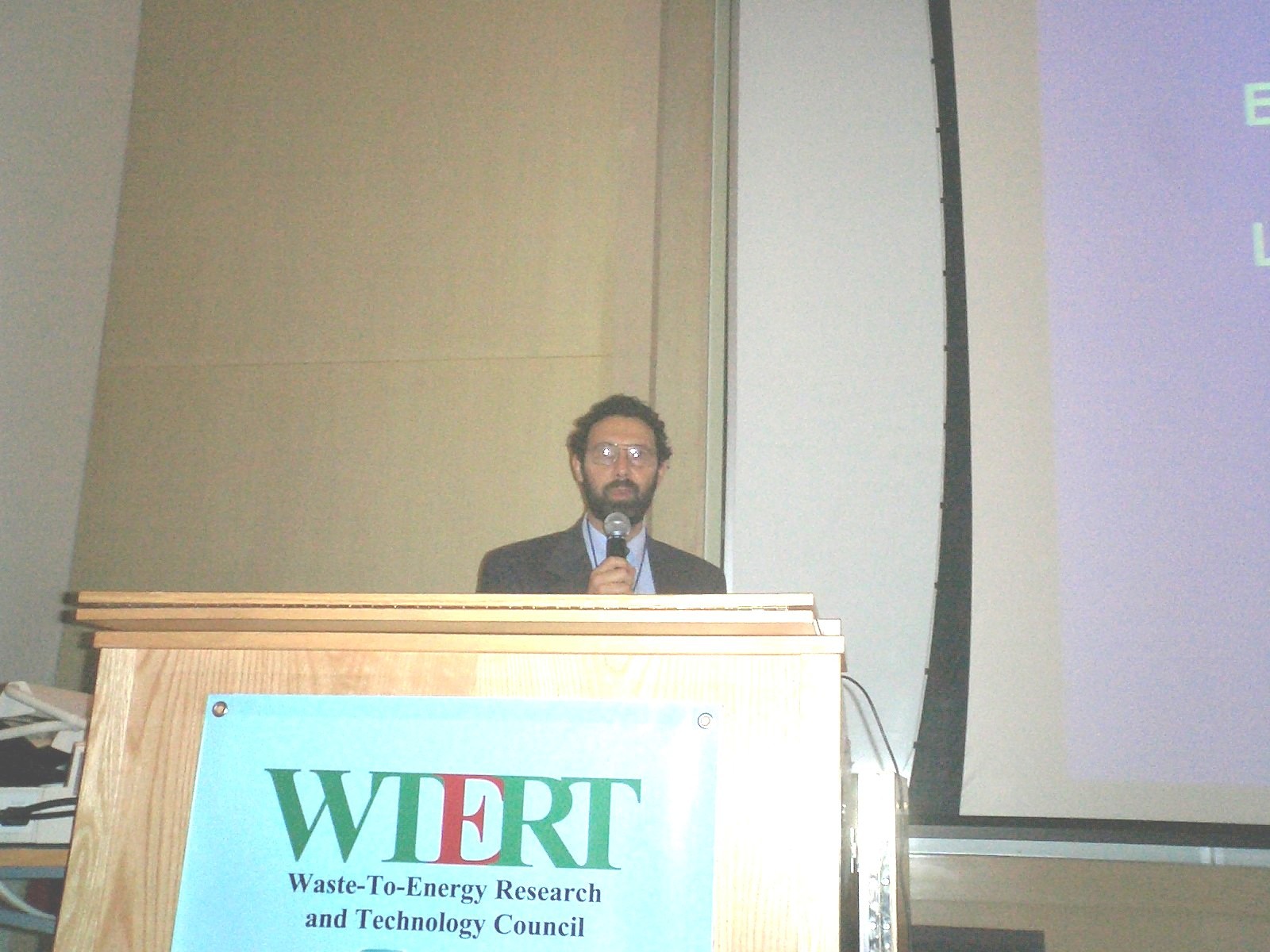
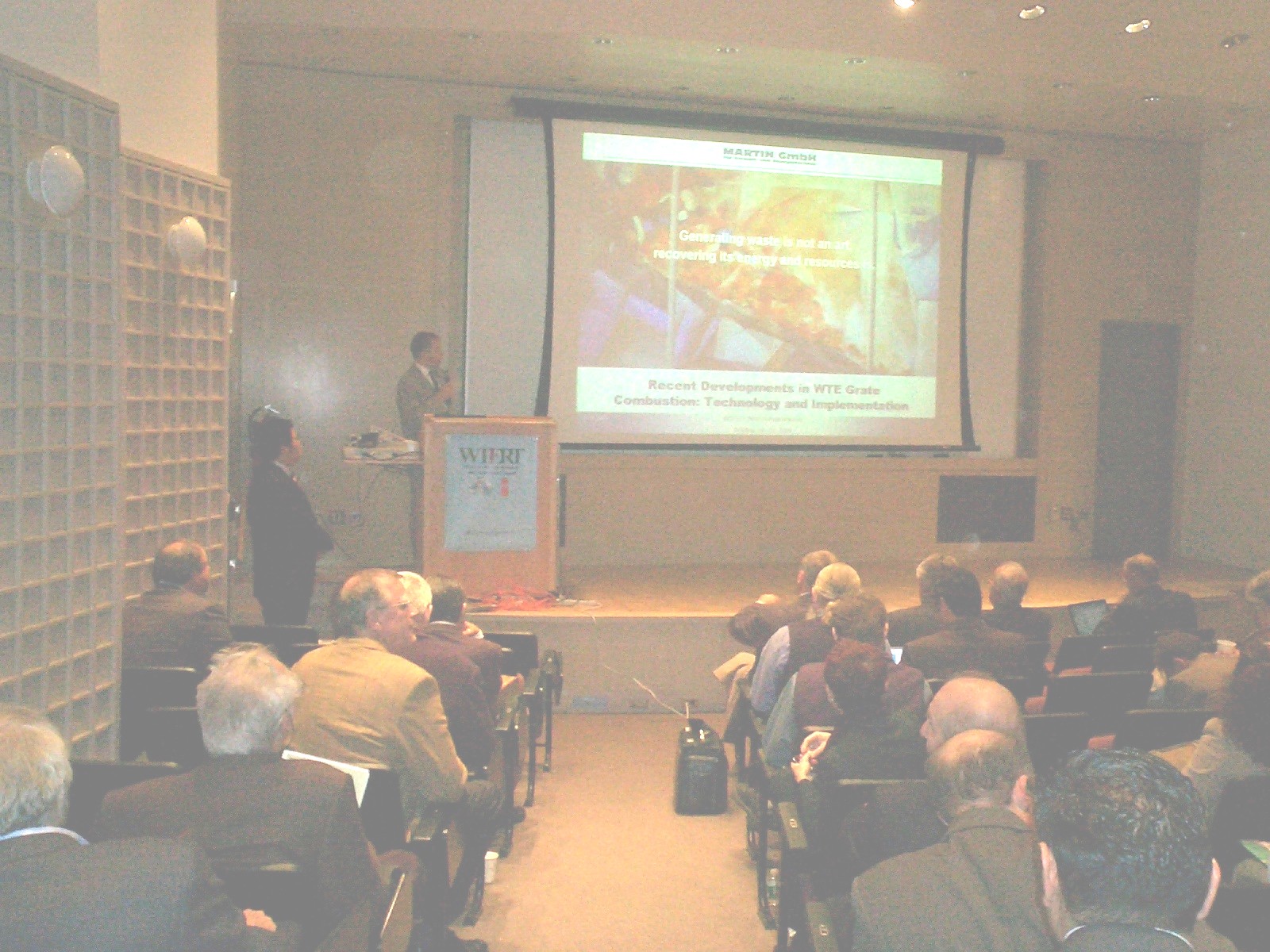
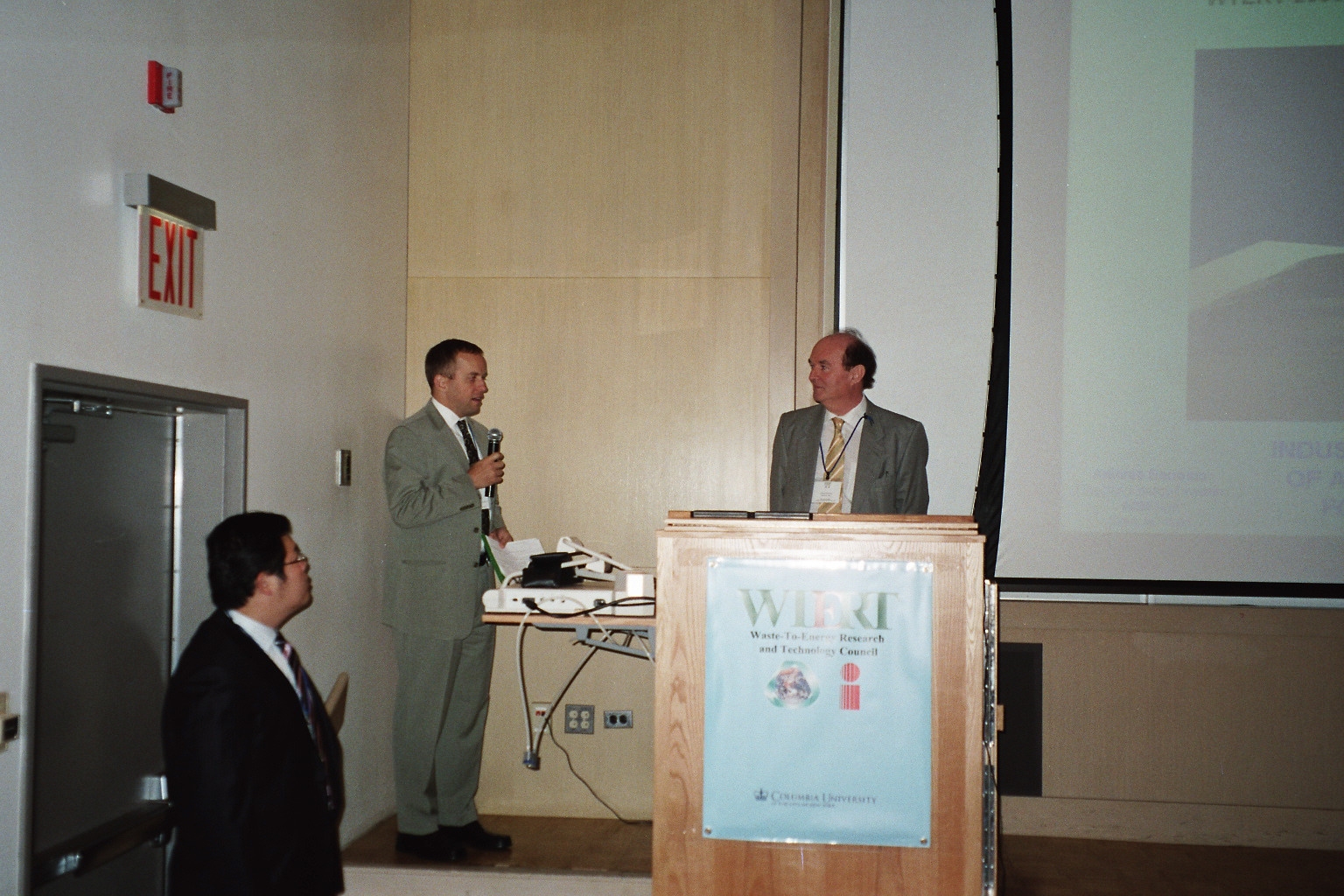
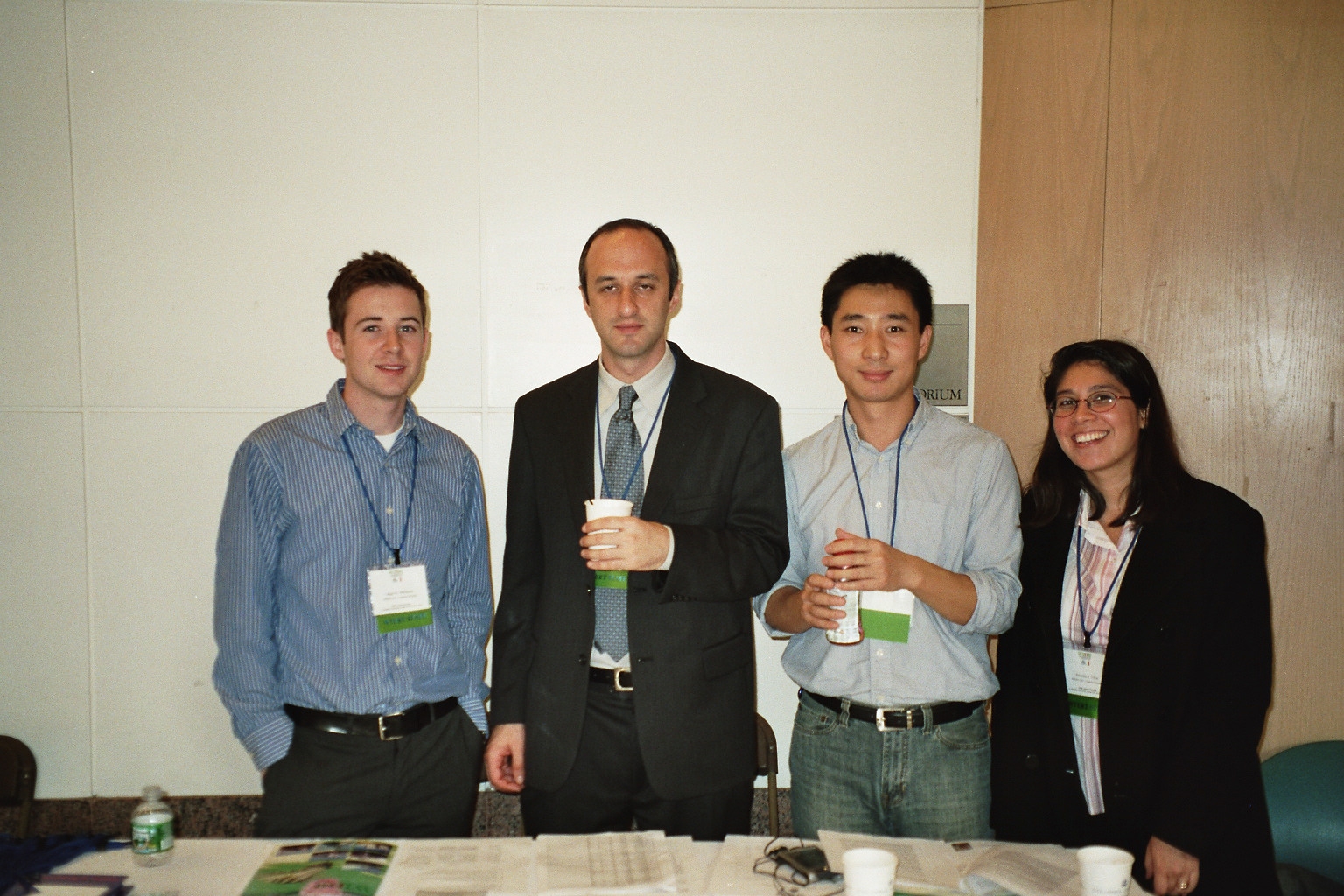
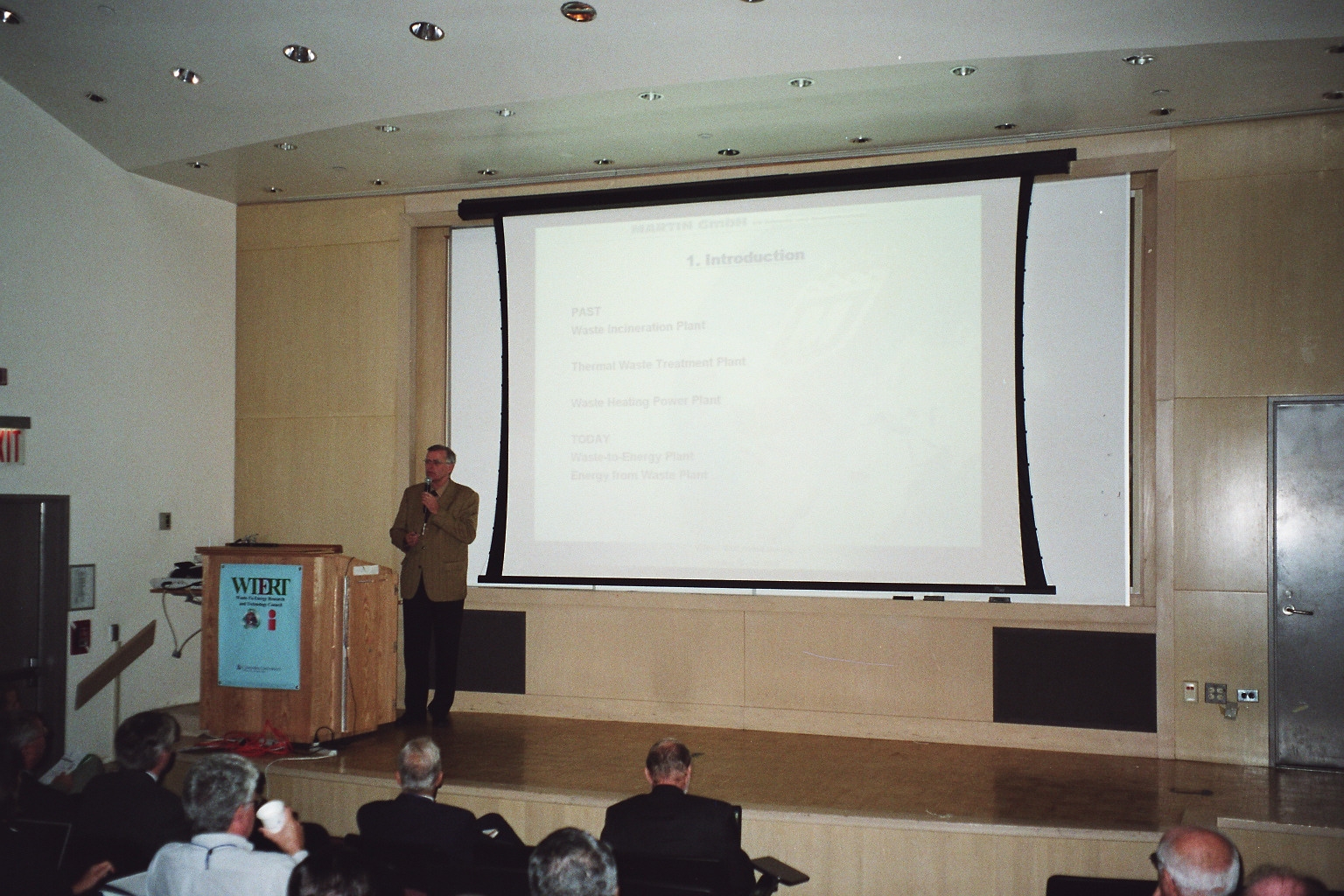
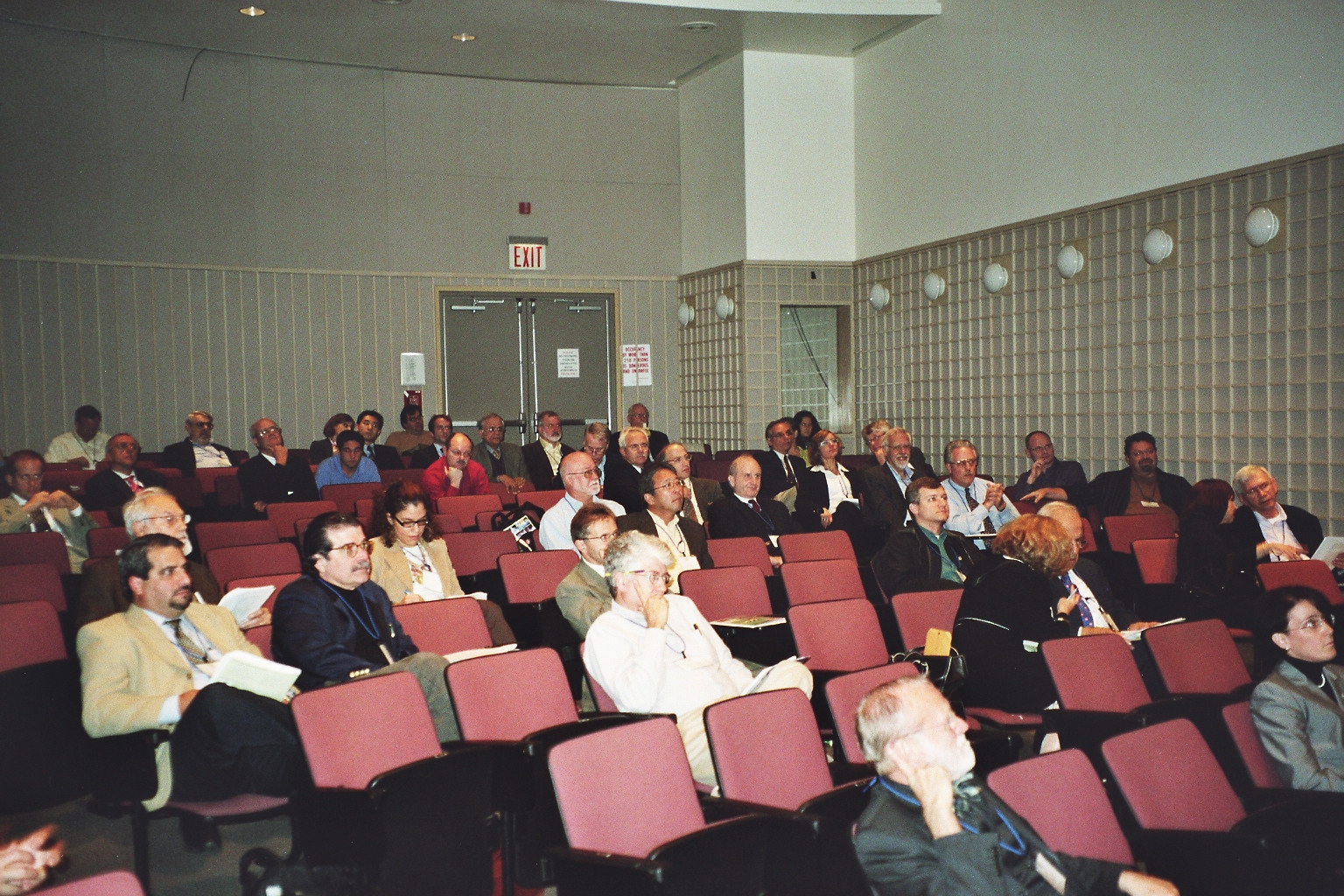
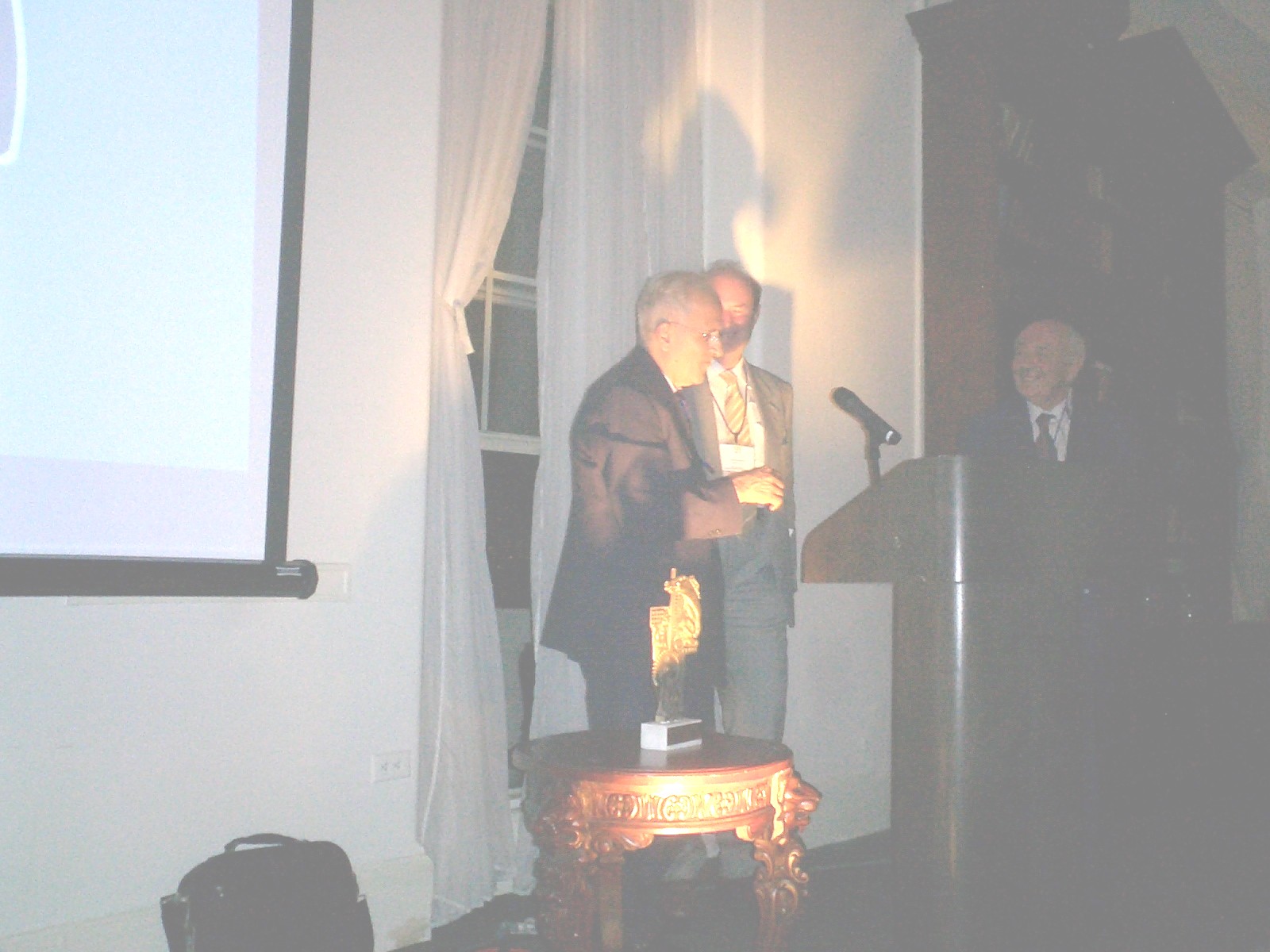
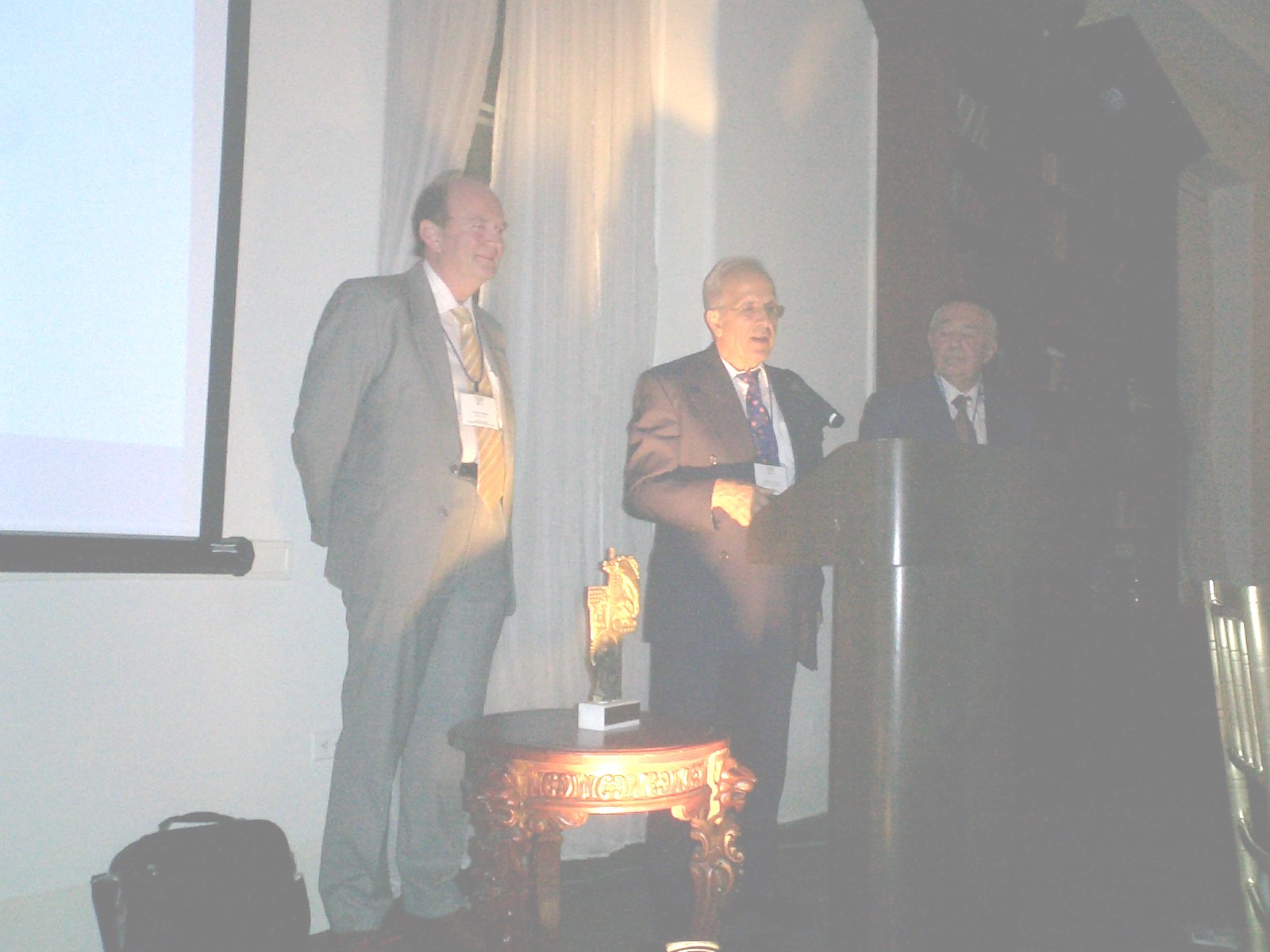
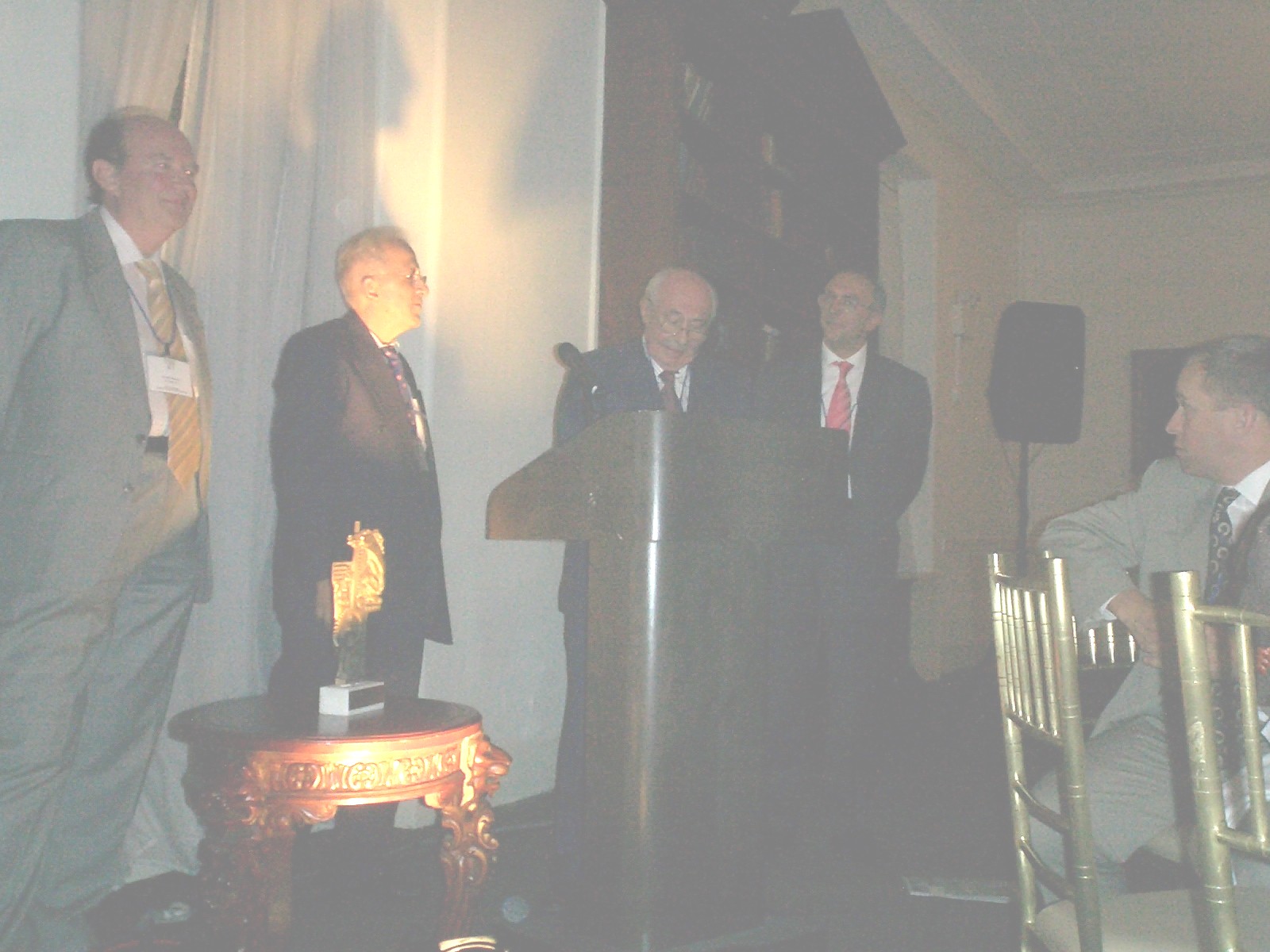
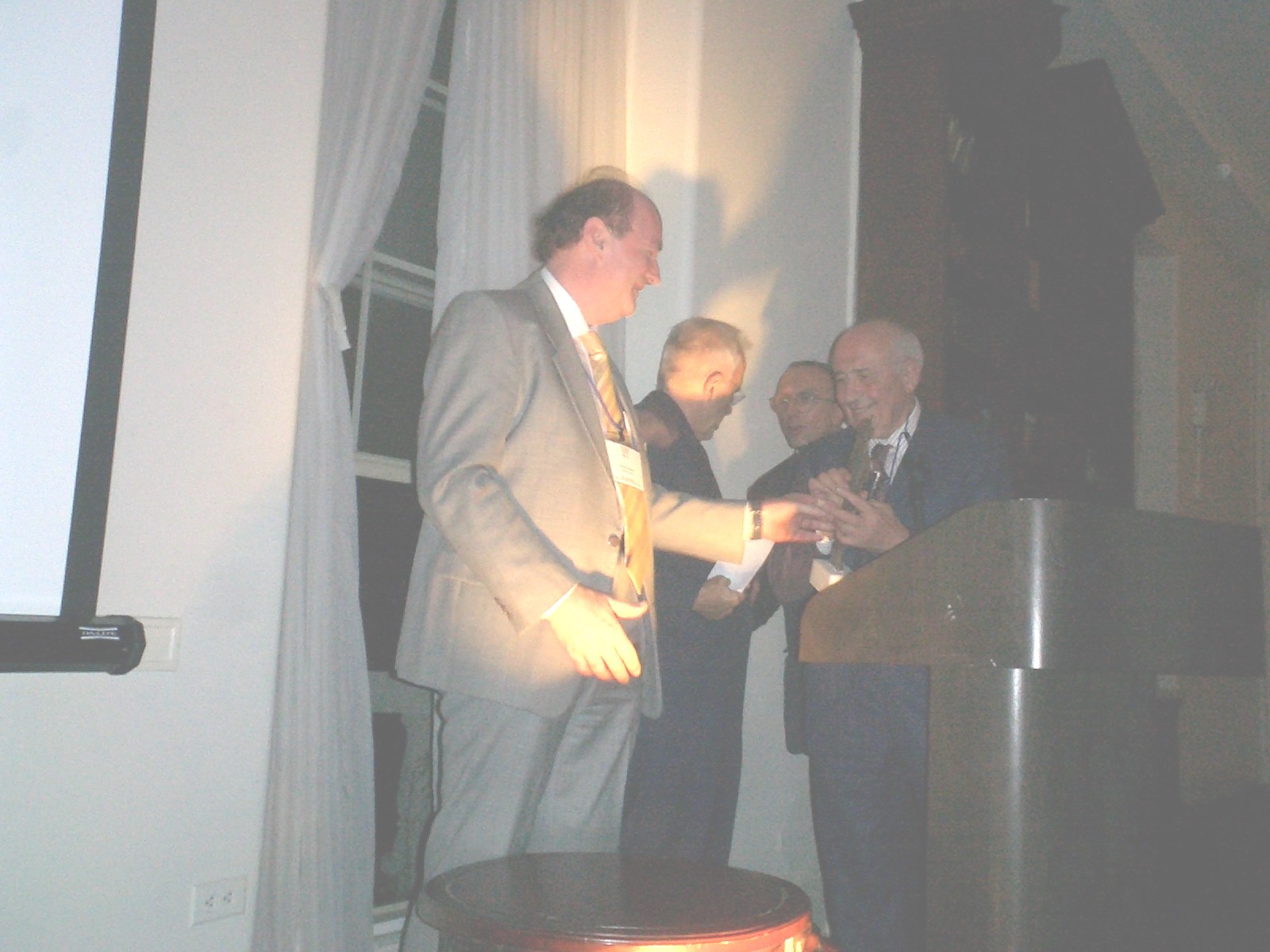
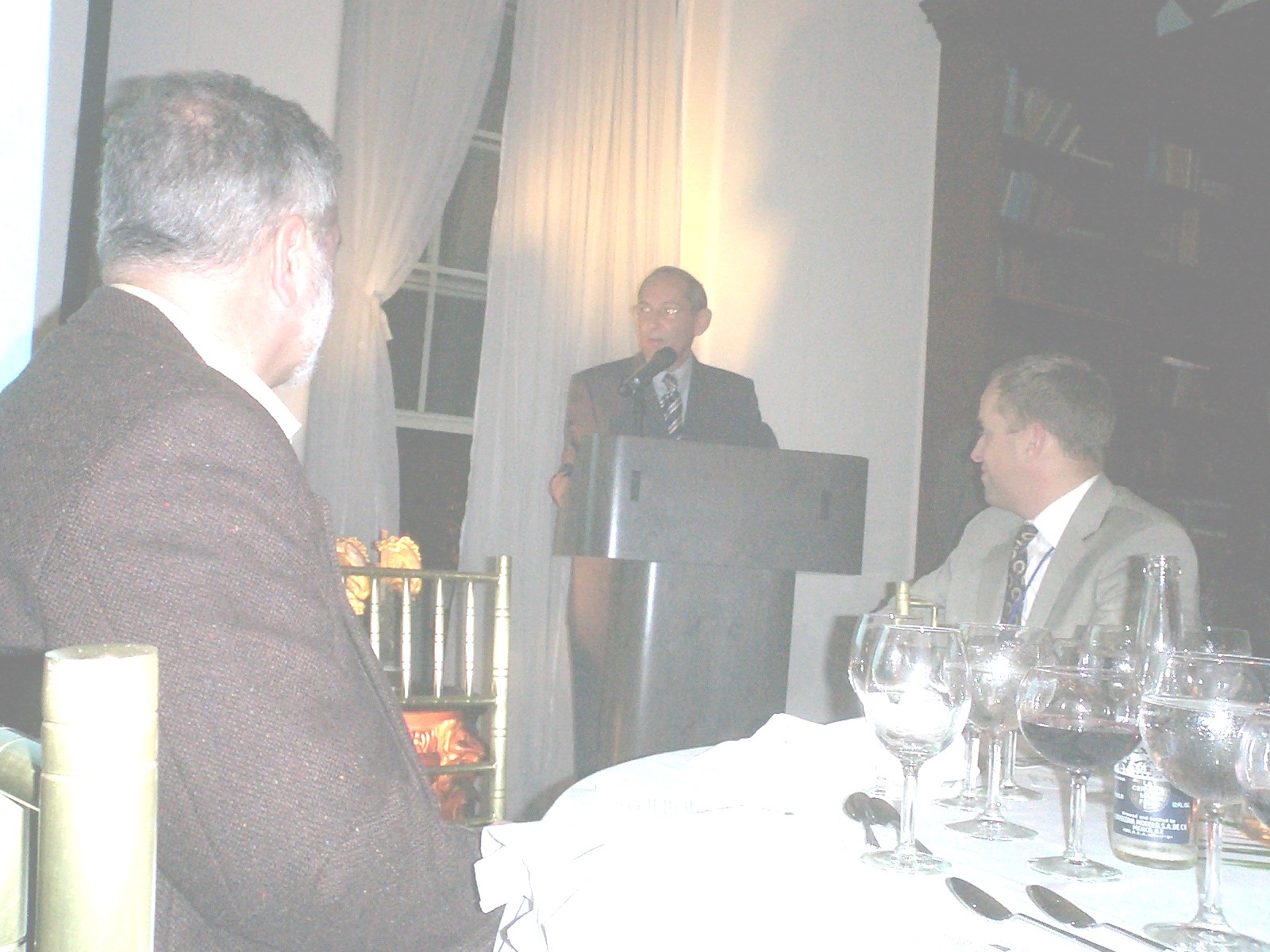
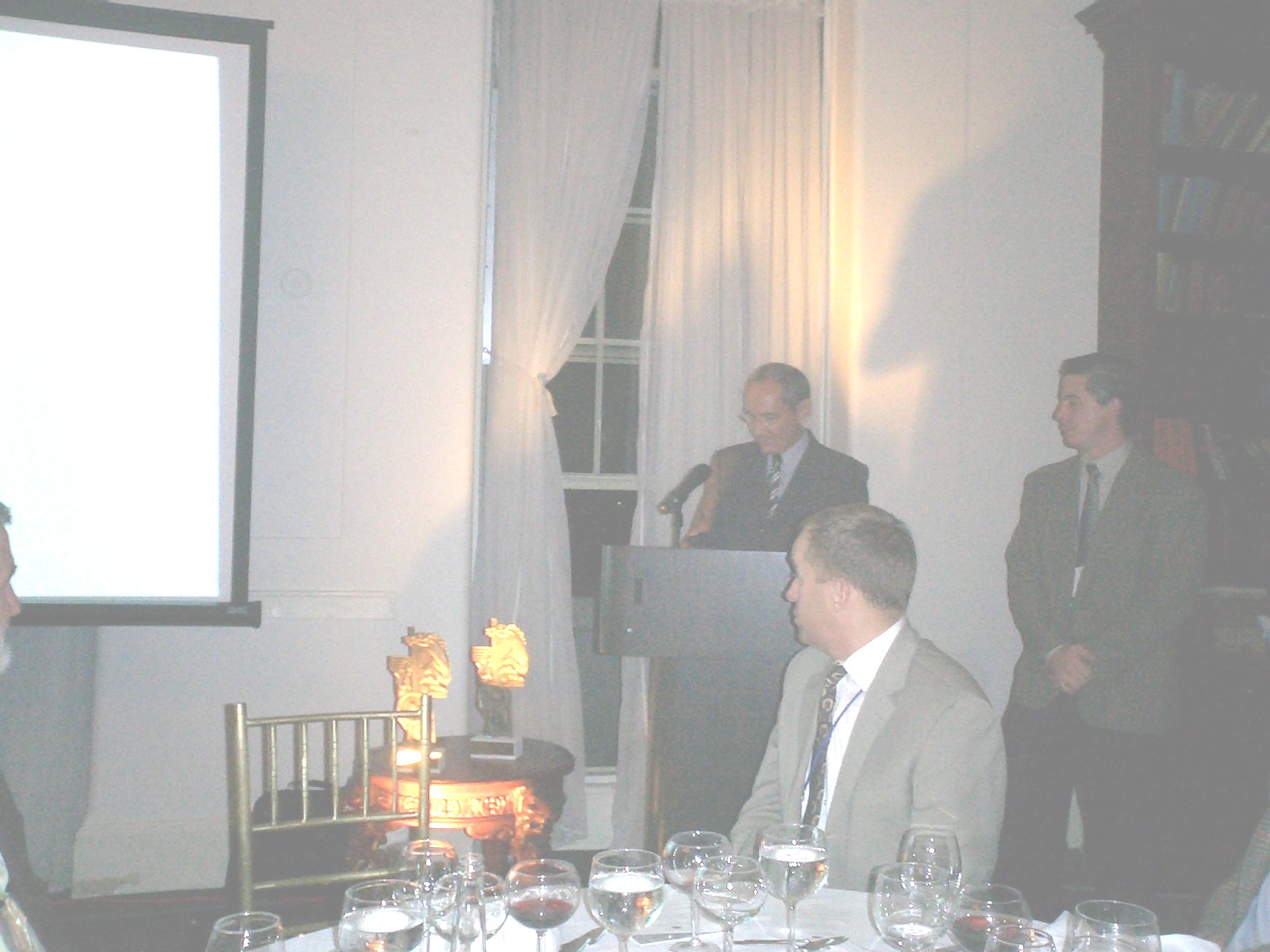
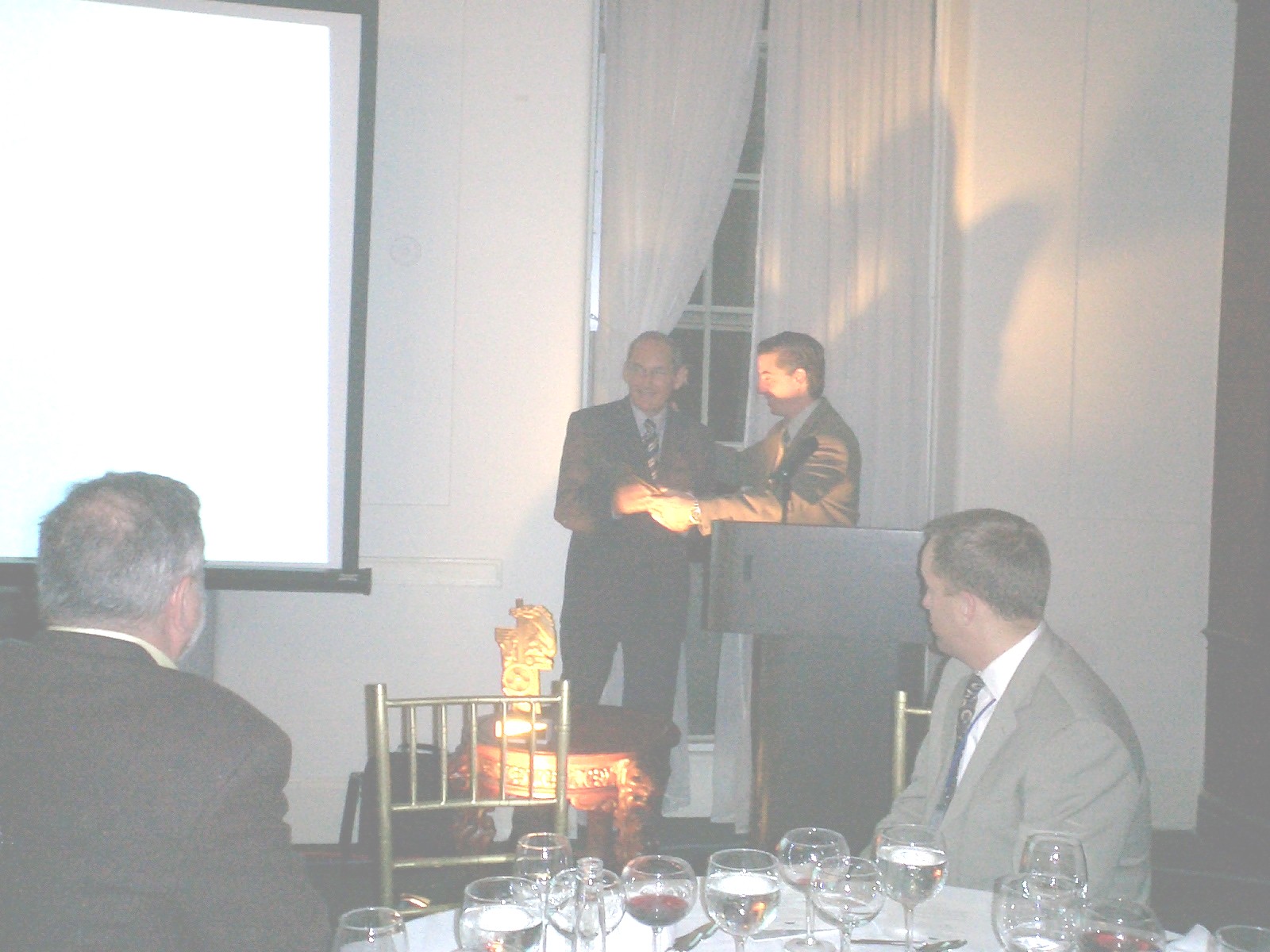
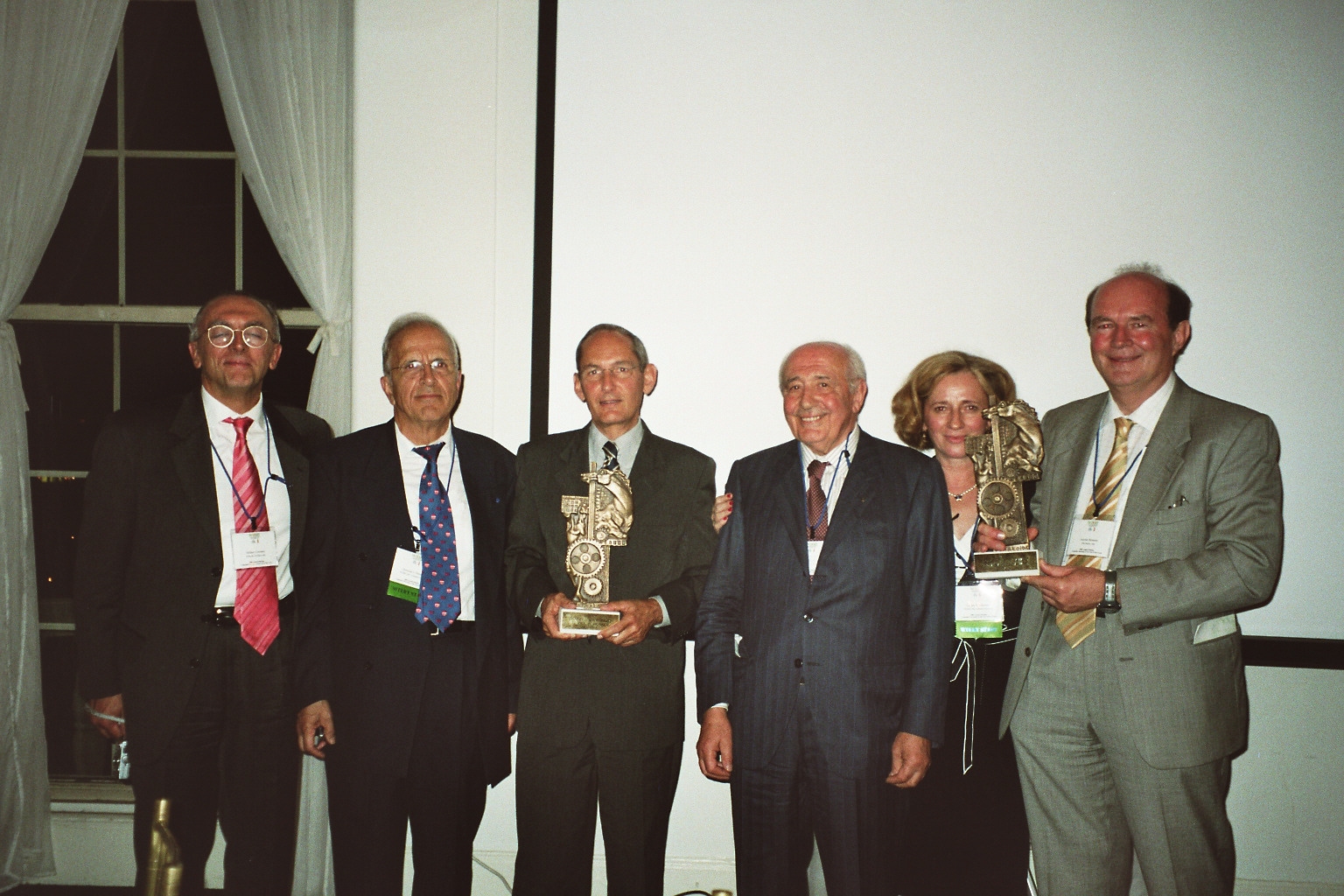
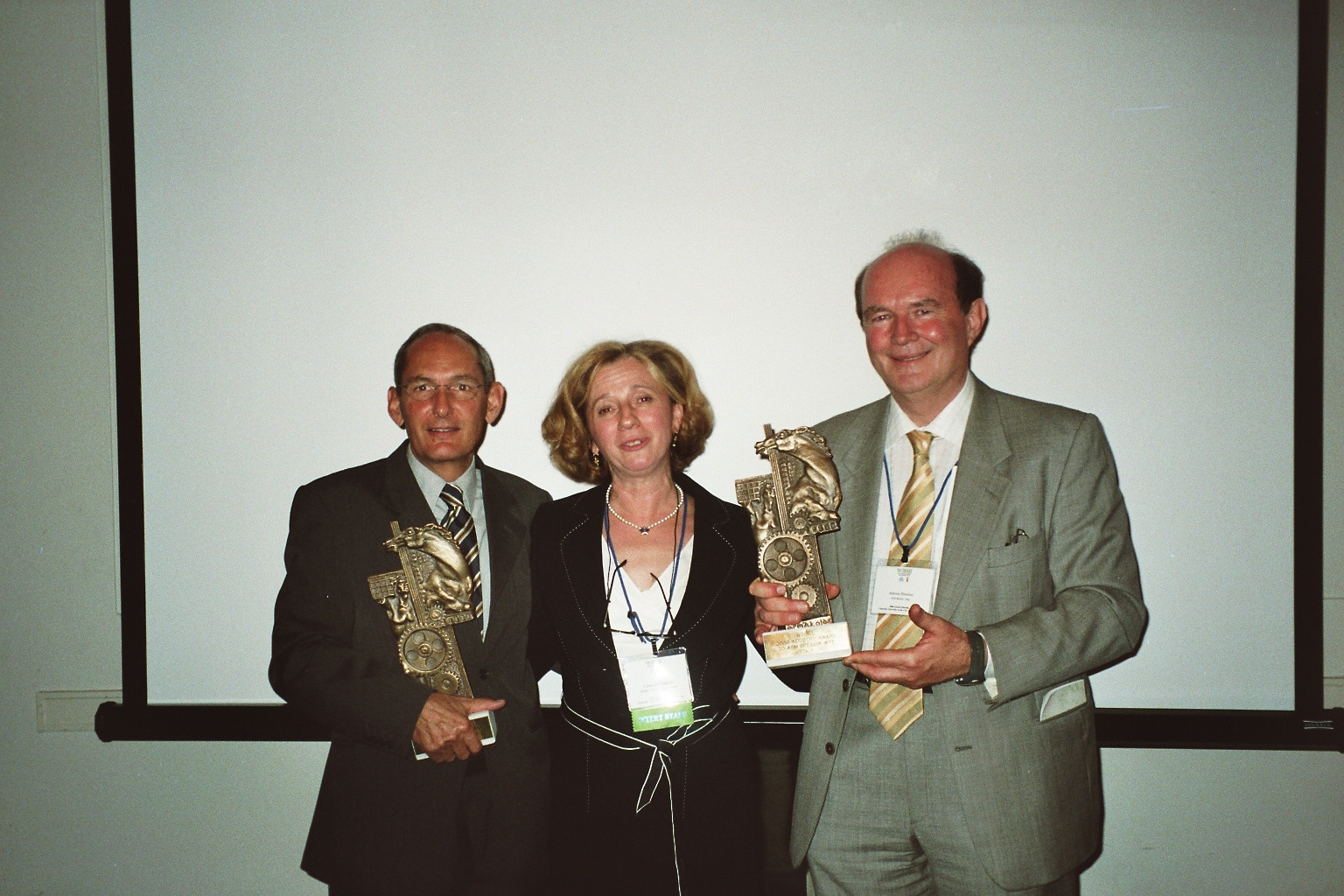
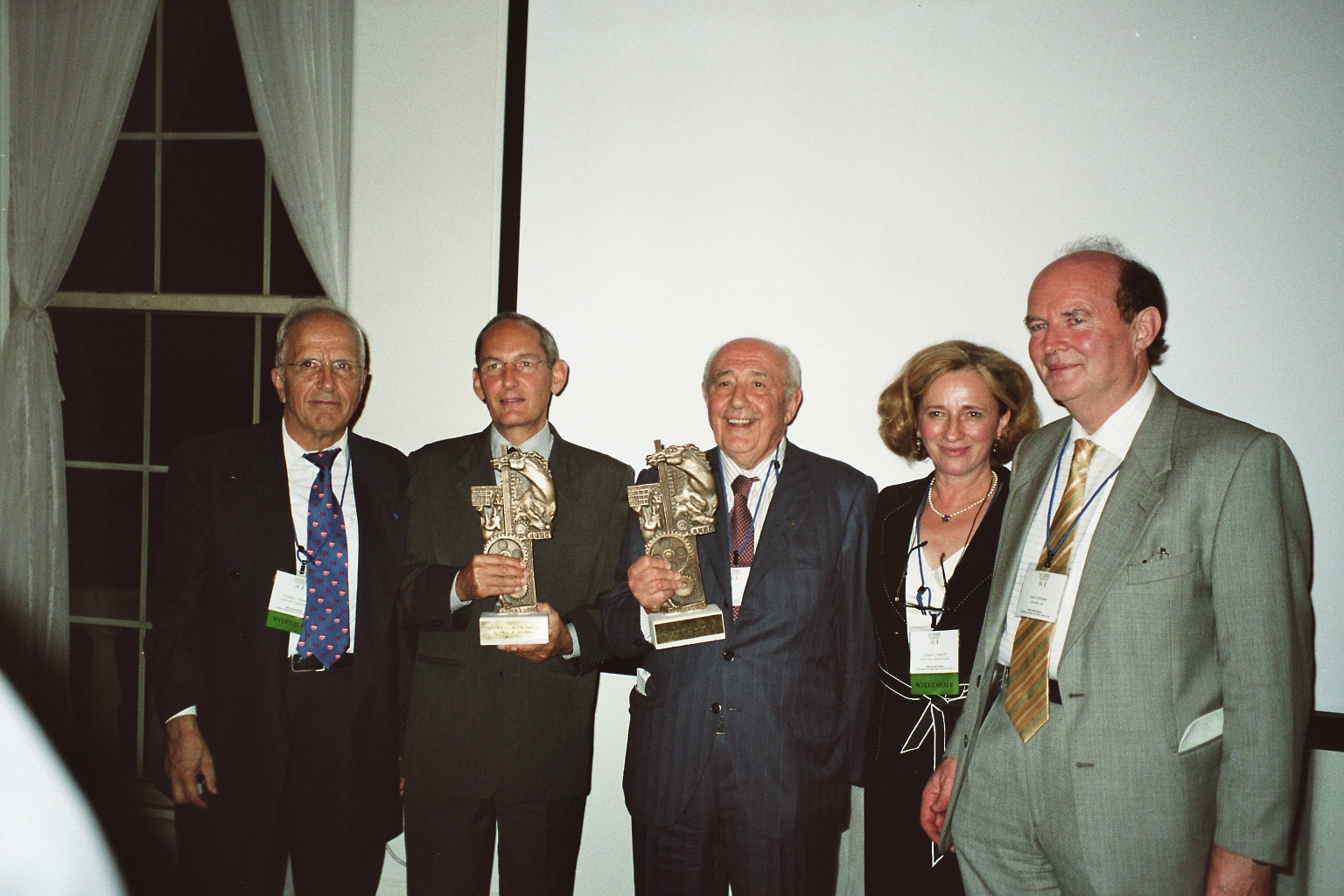
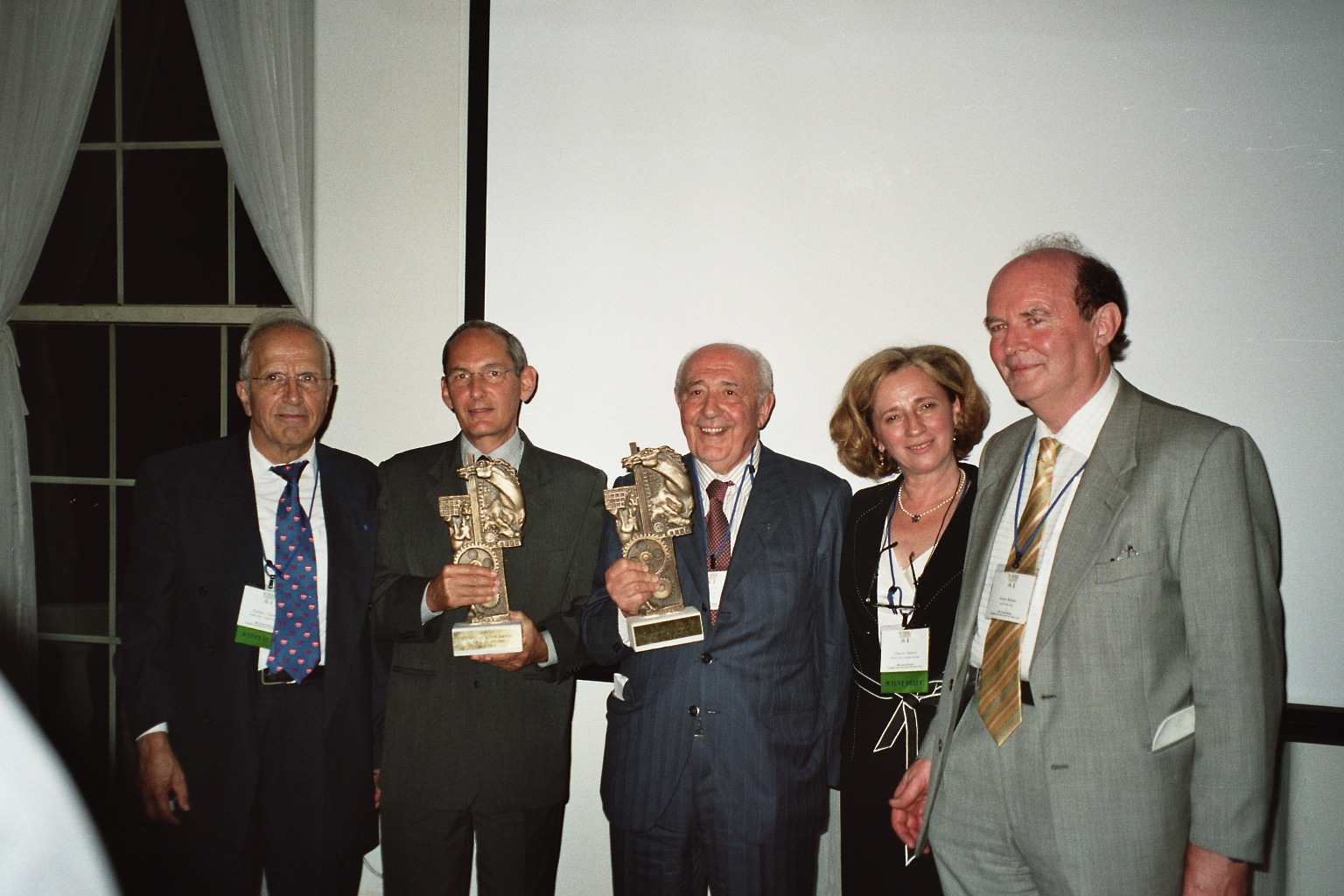
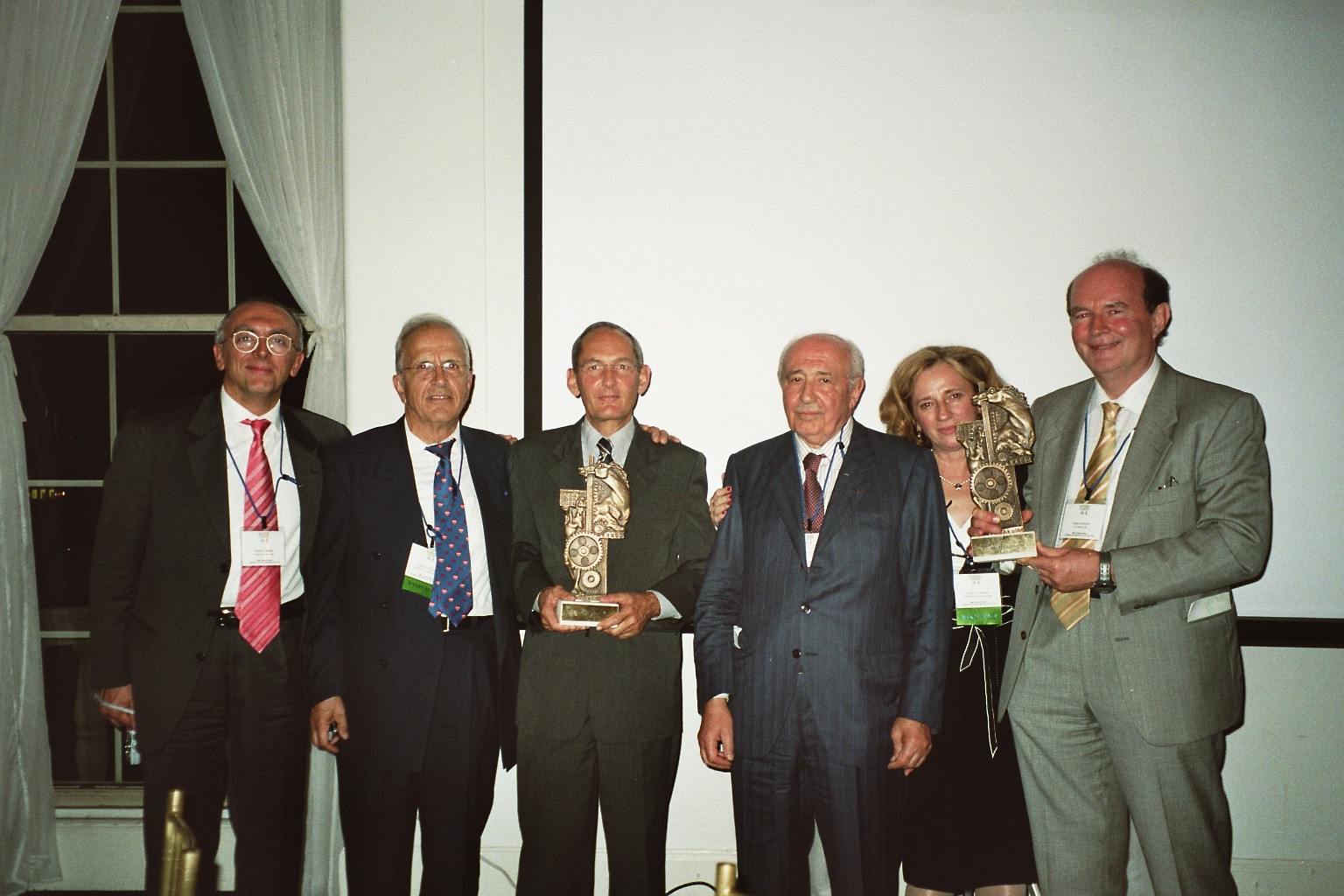
WtERT 2006 Education & Industry Awards
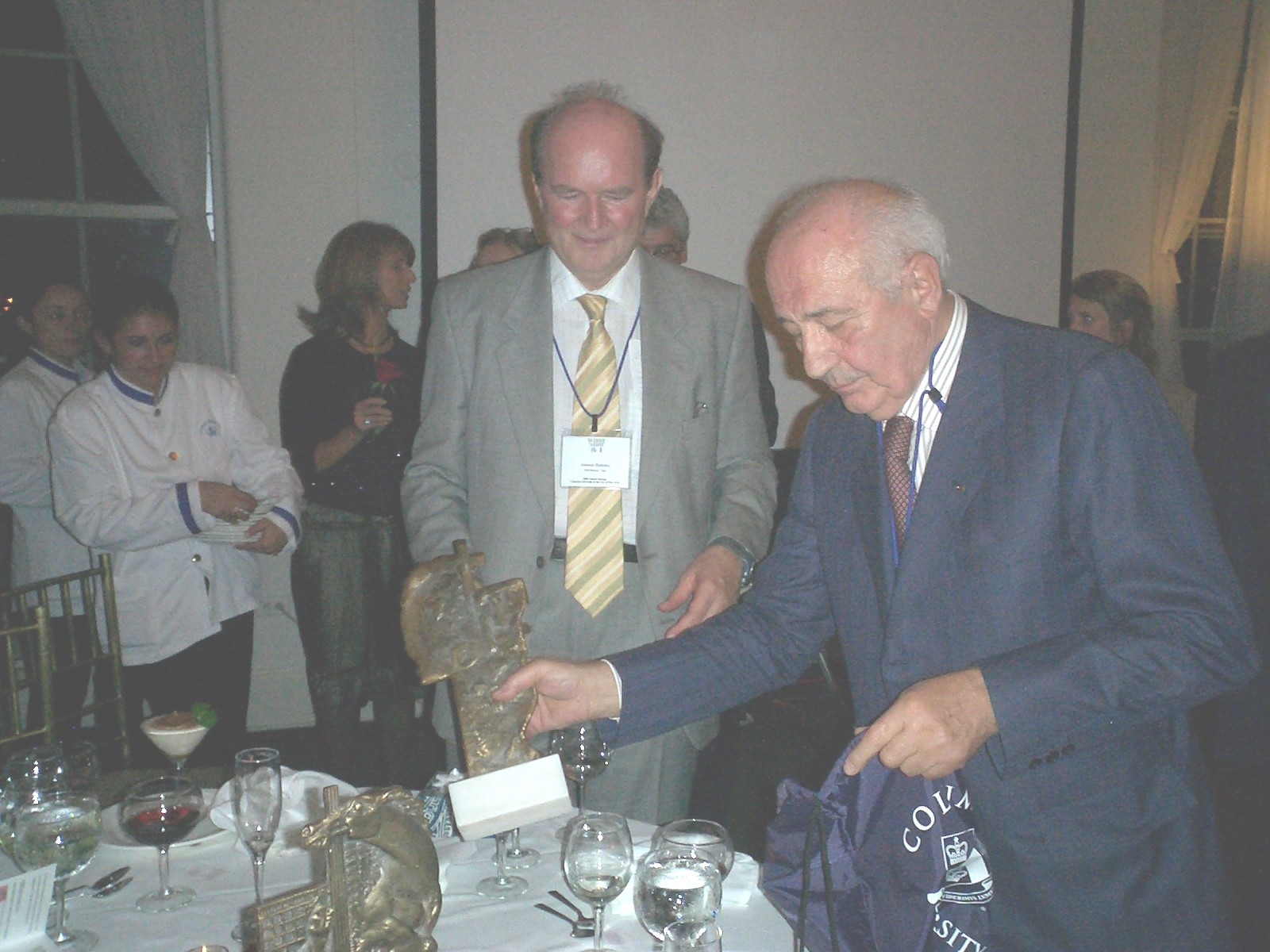
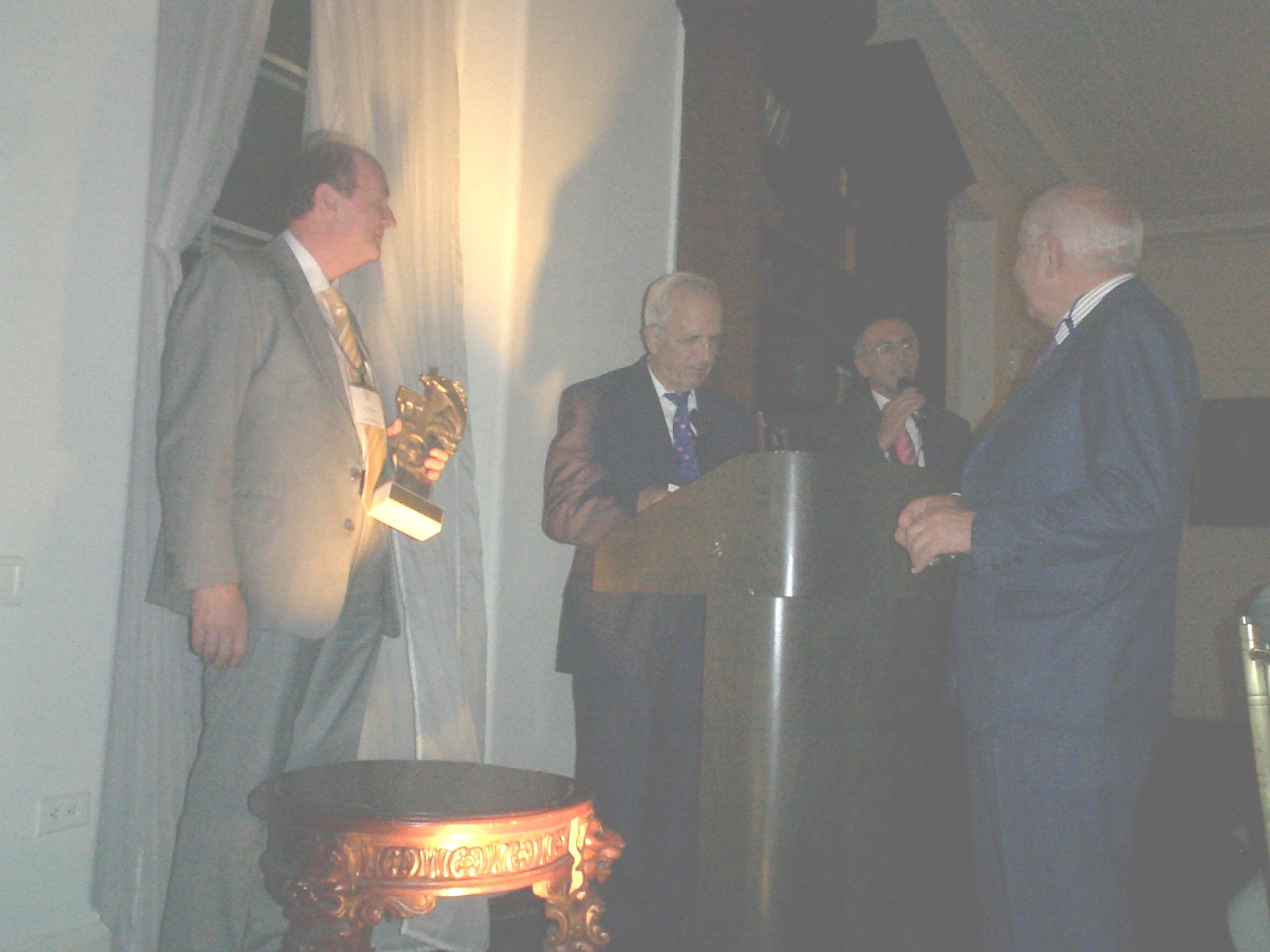
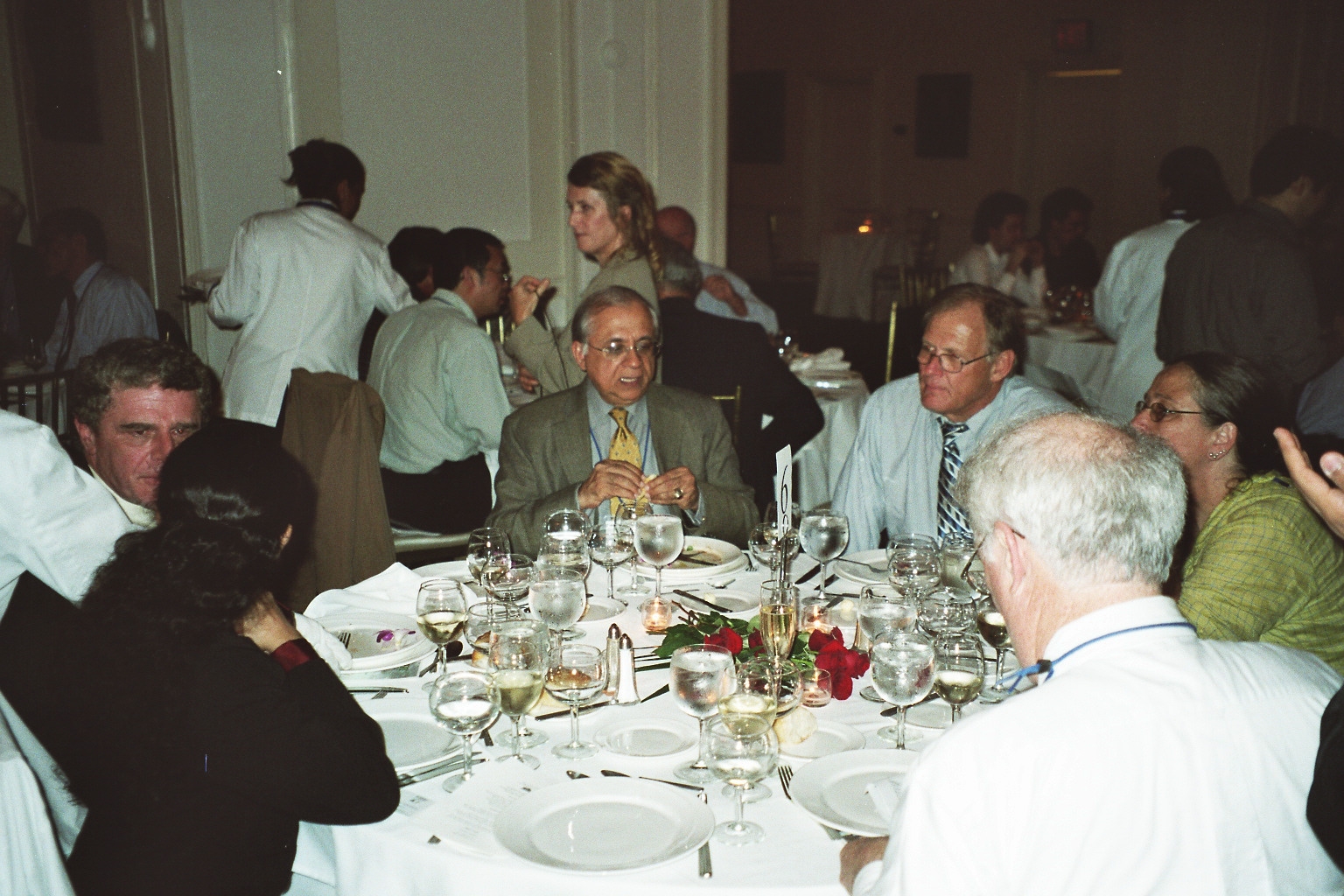
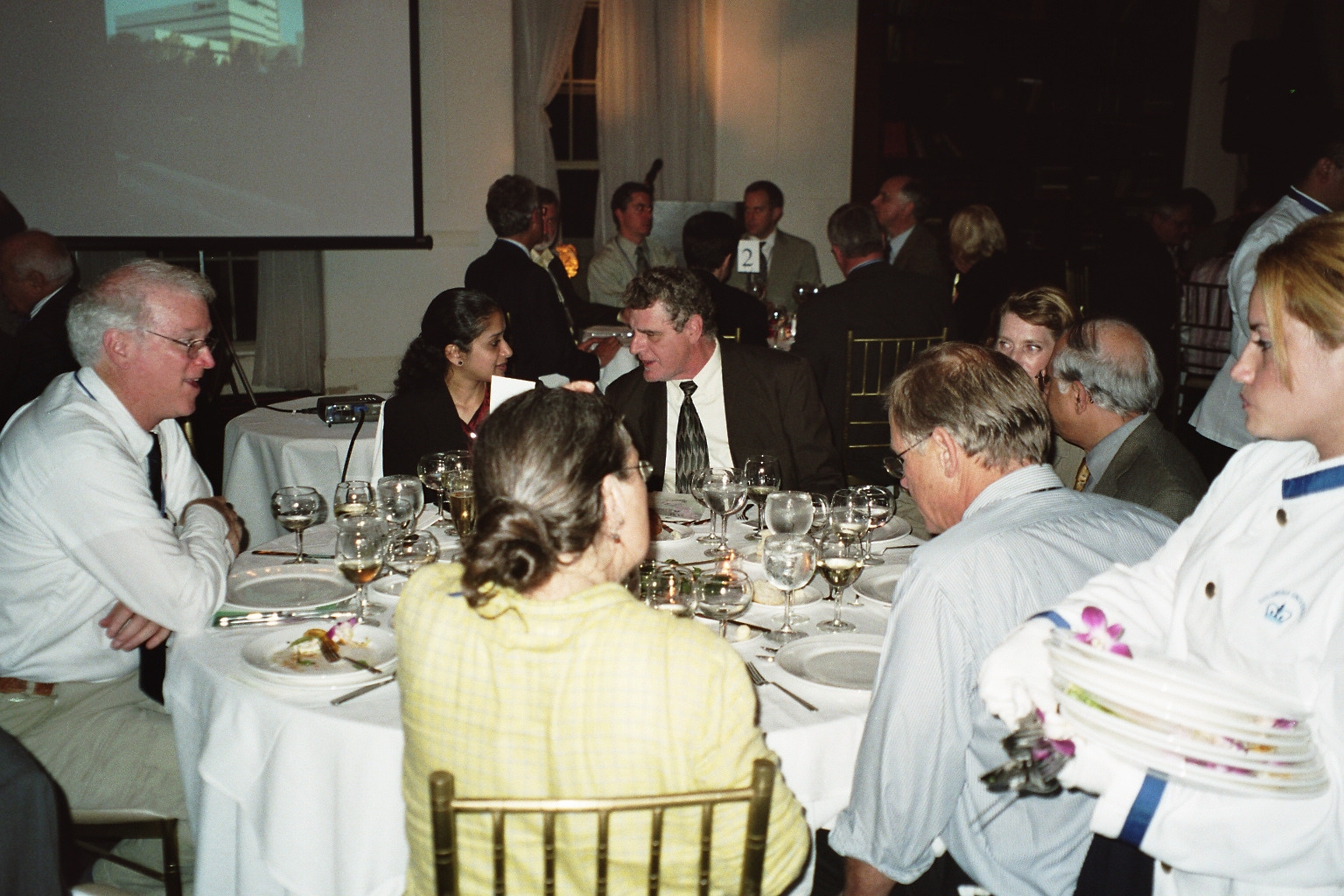
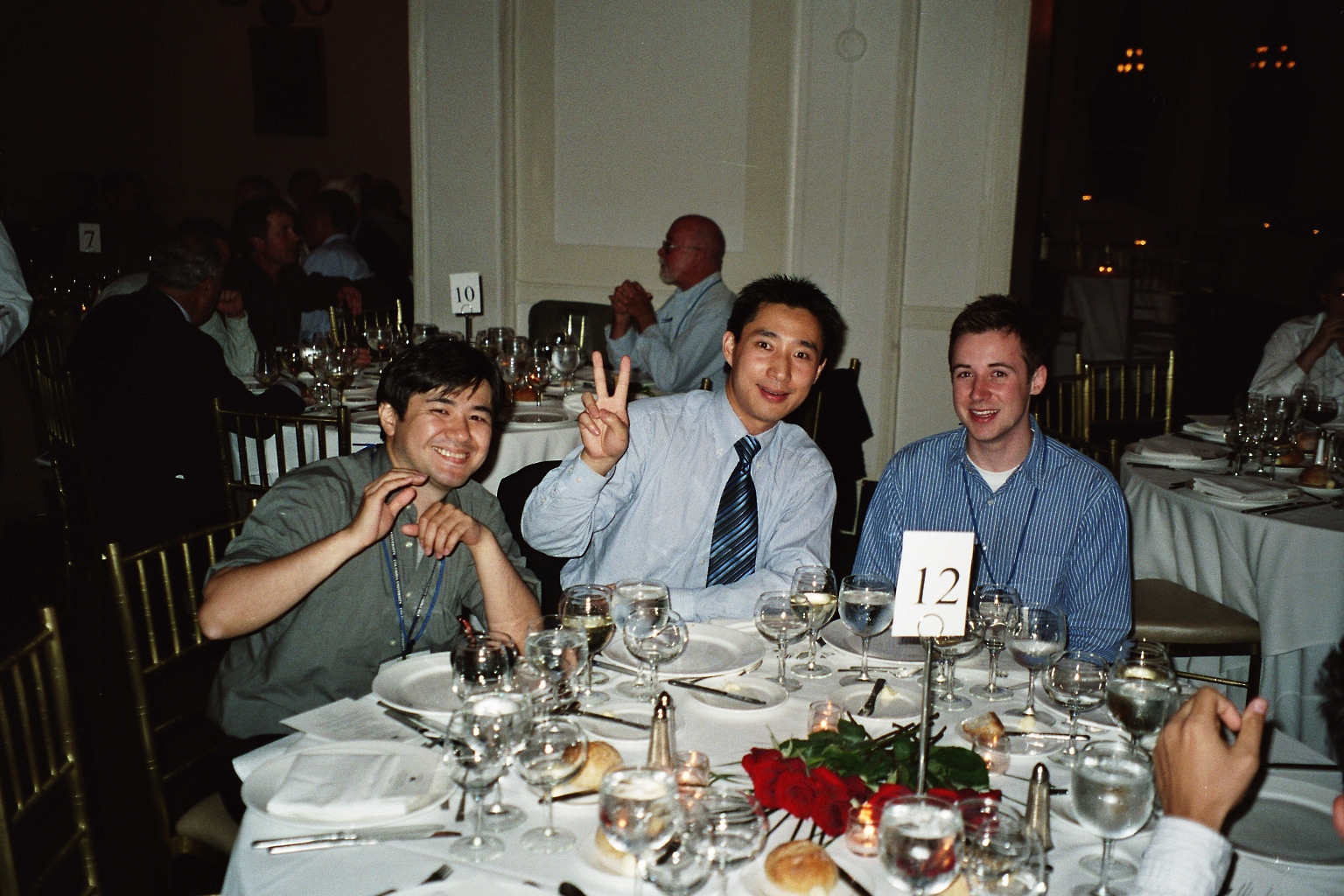
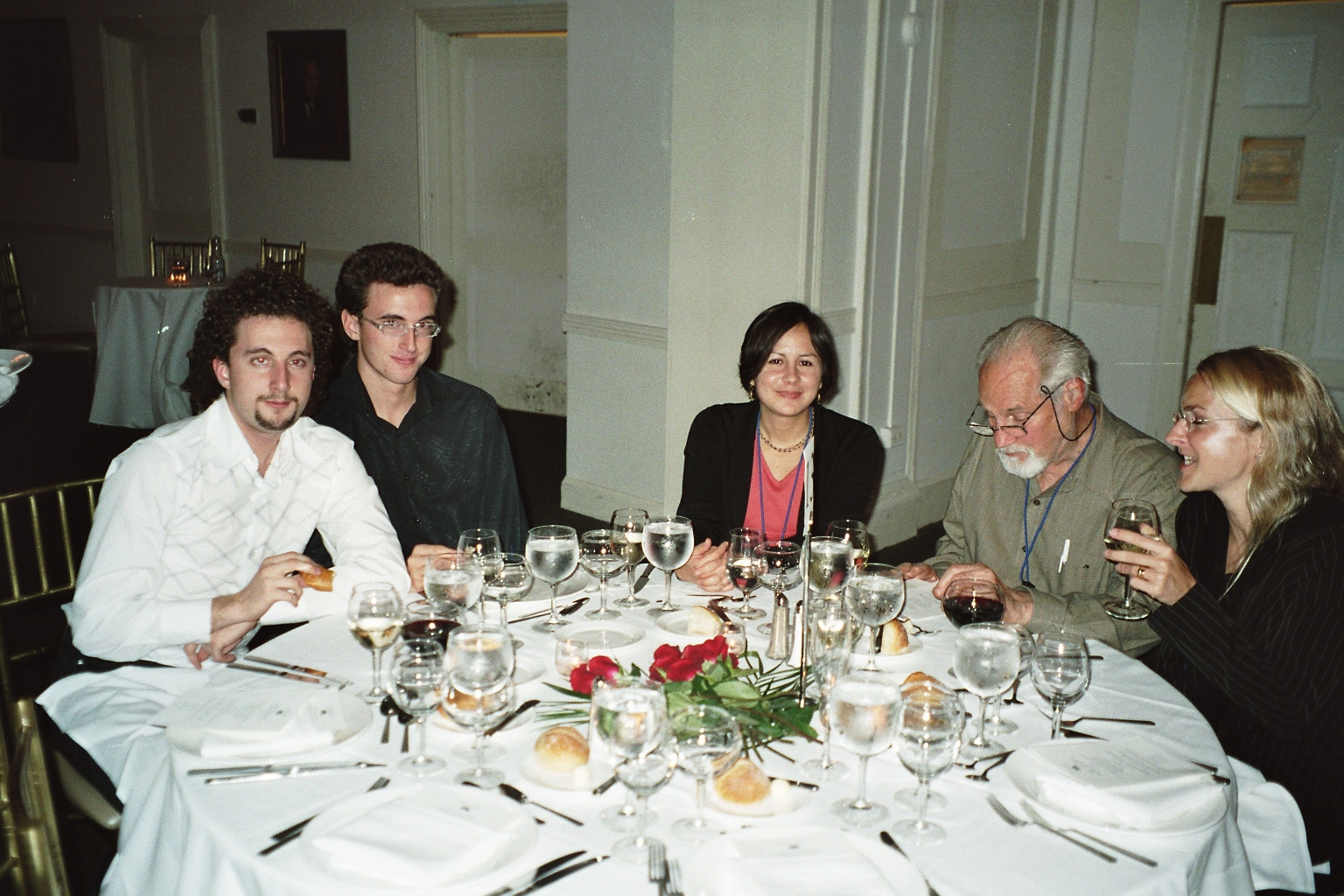
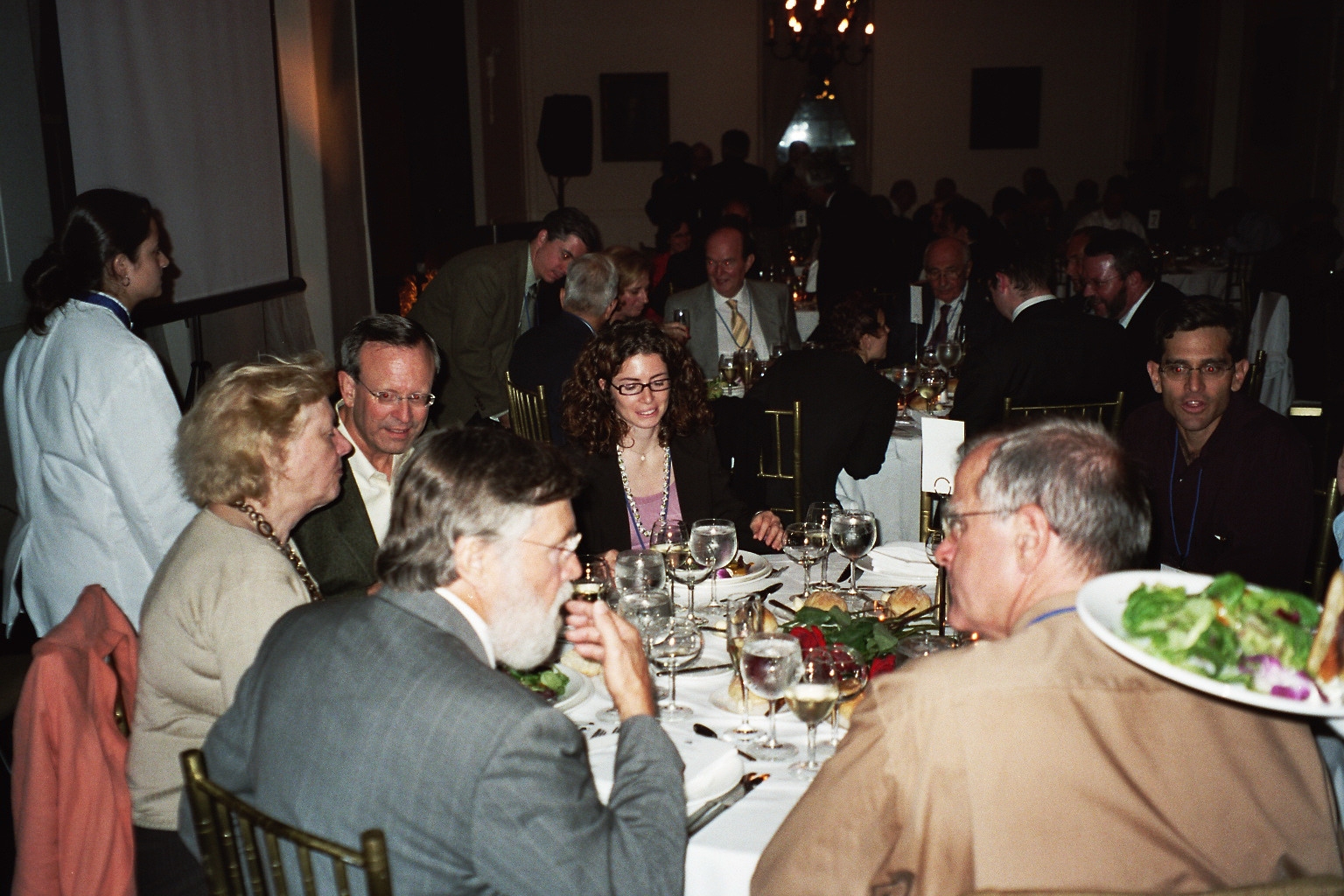
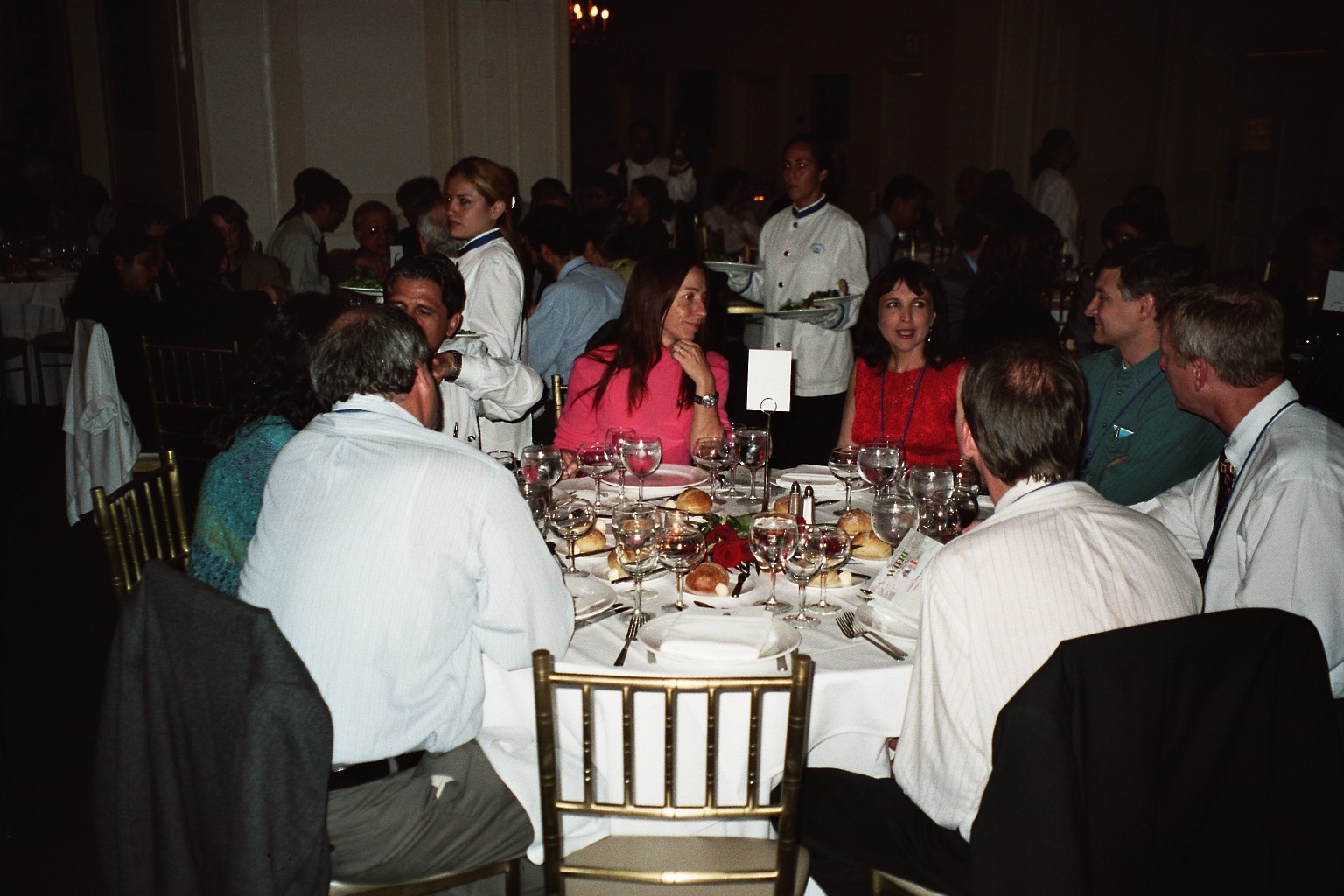
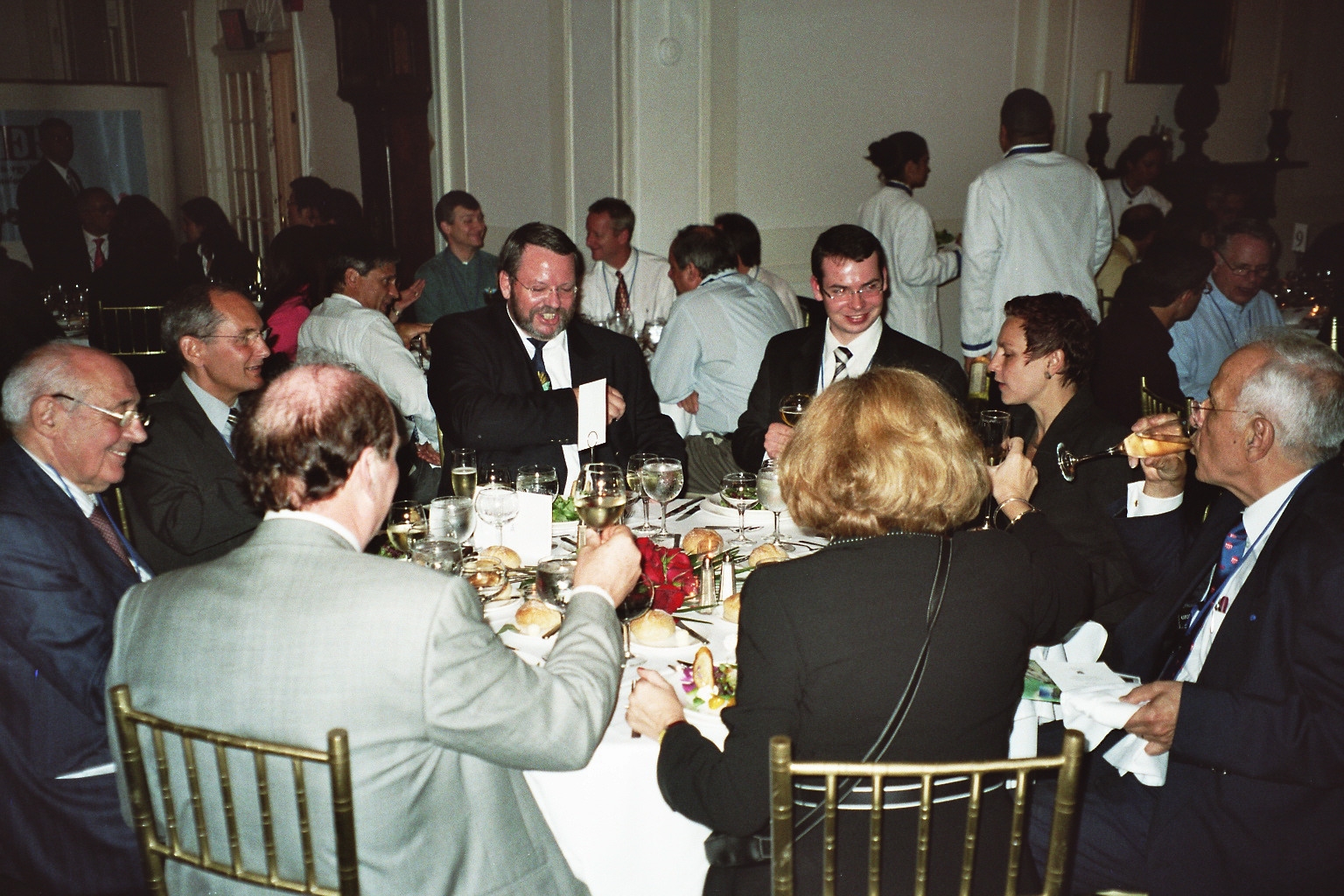
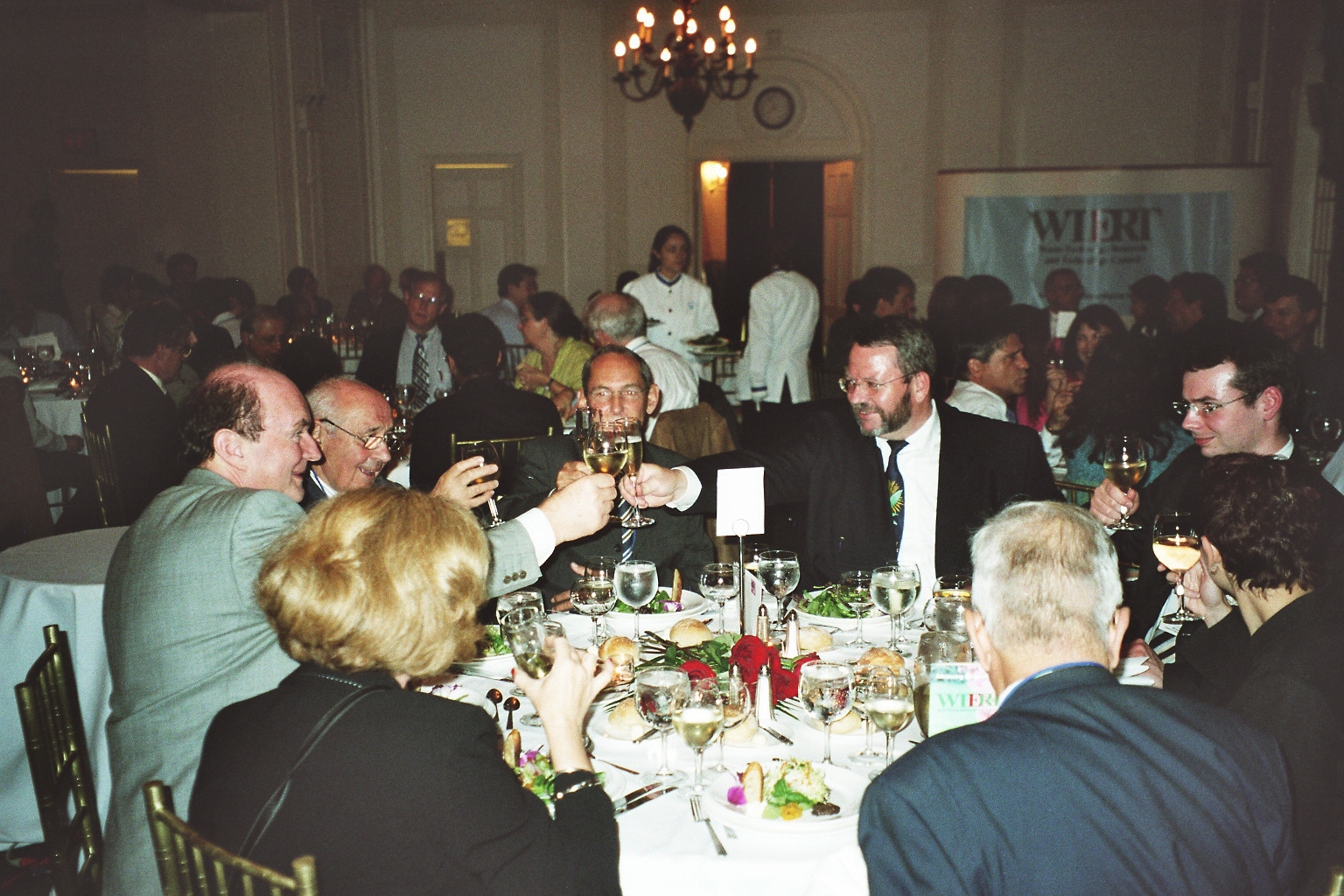
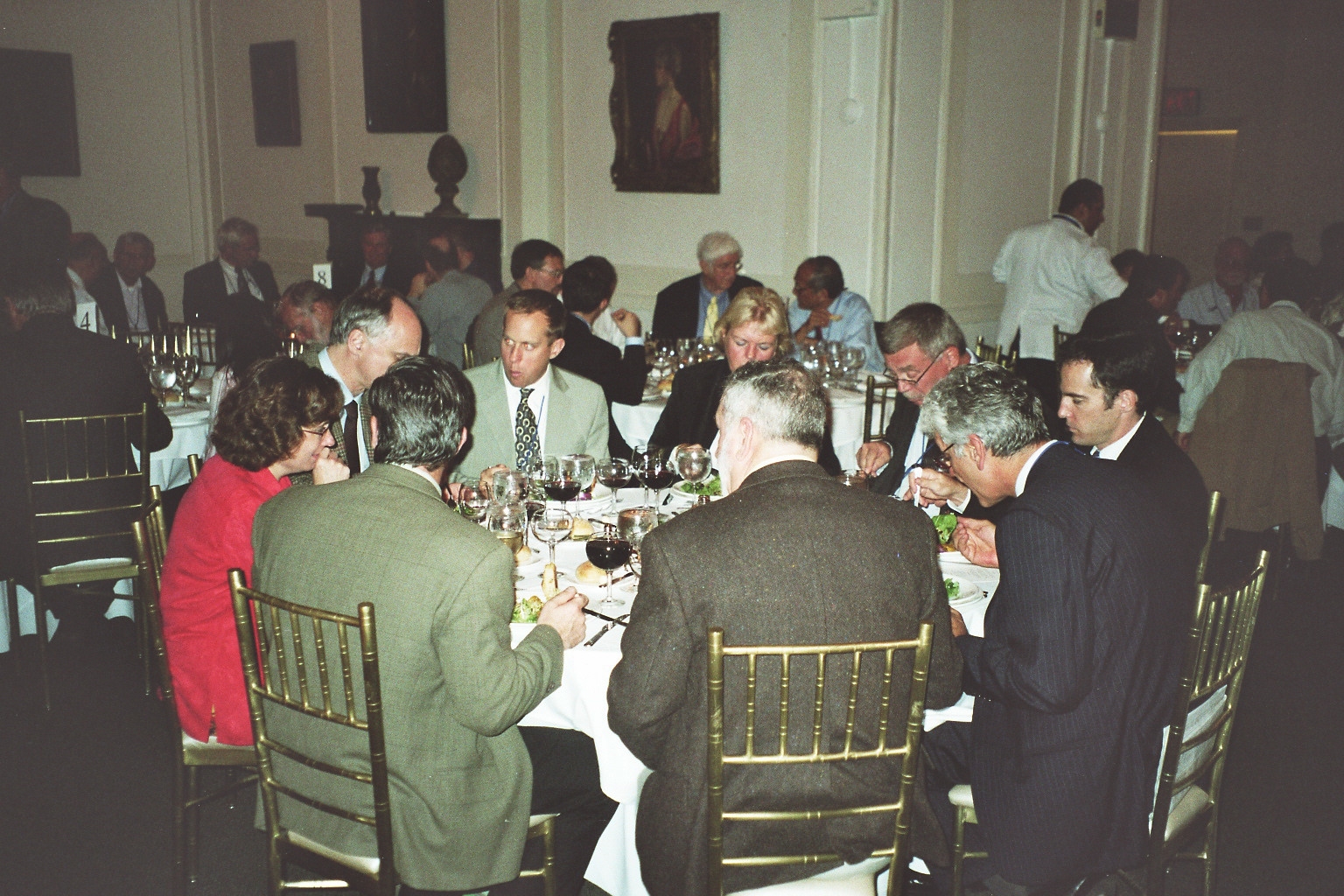
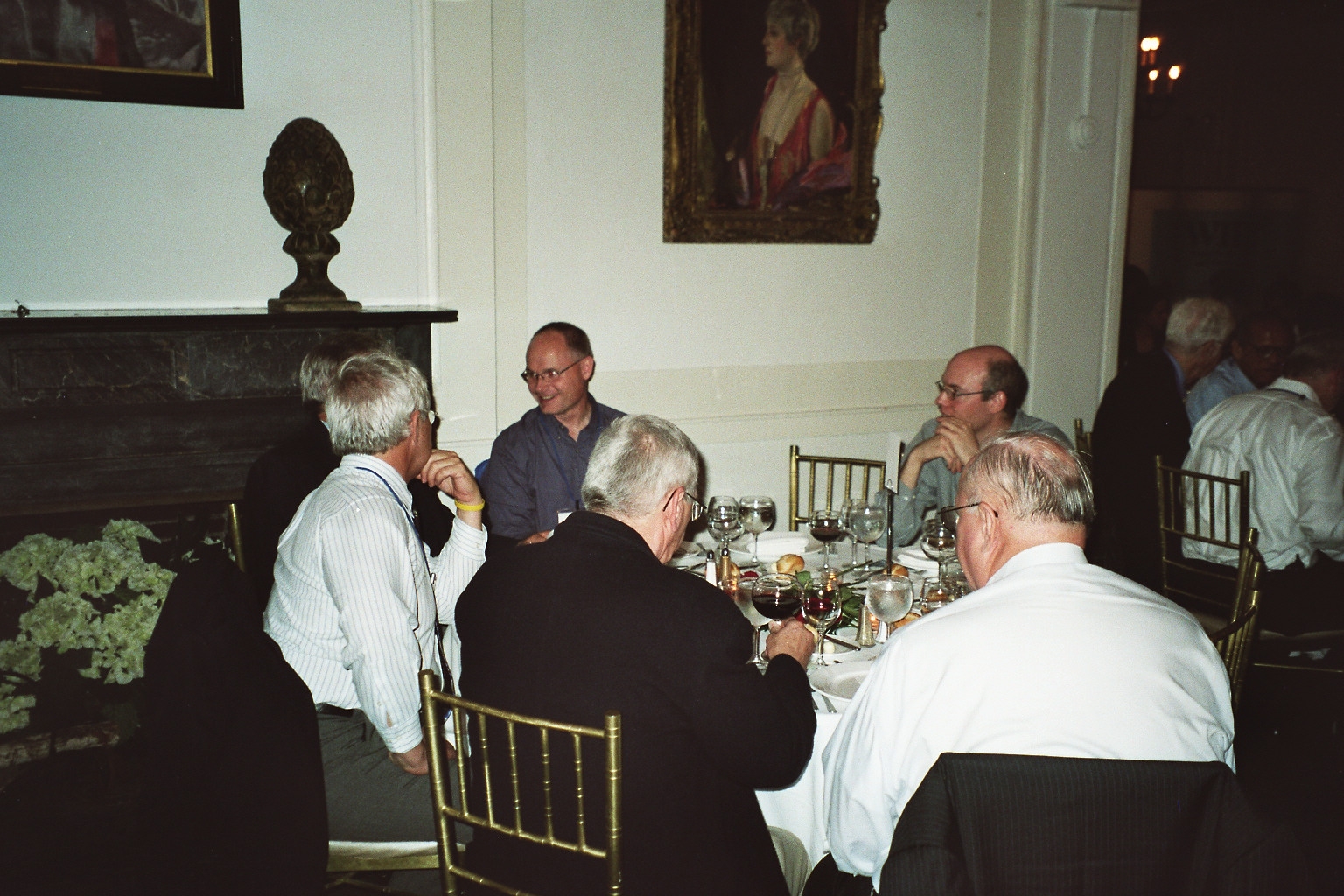
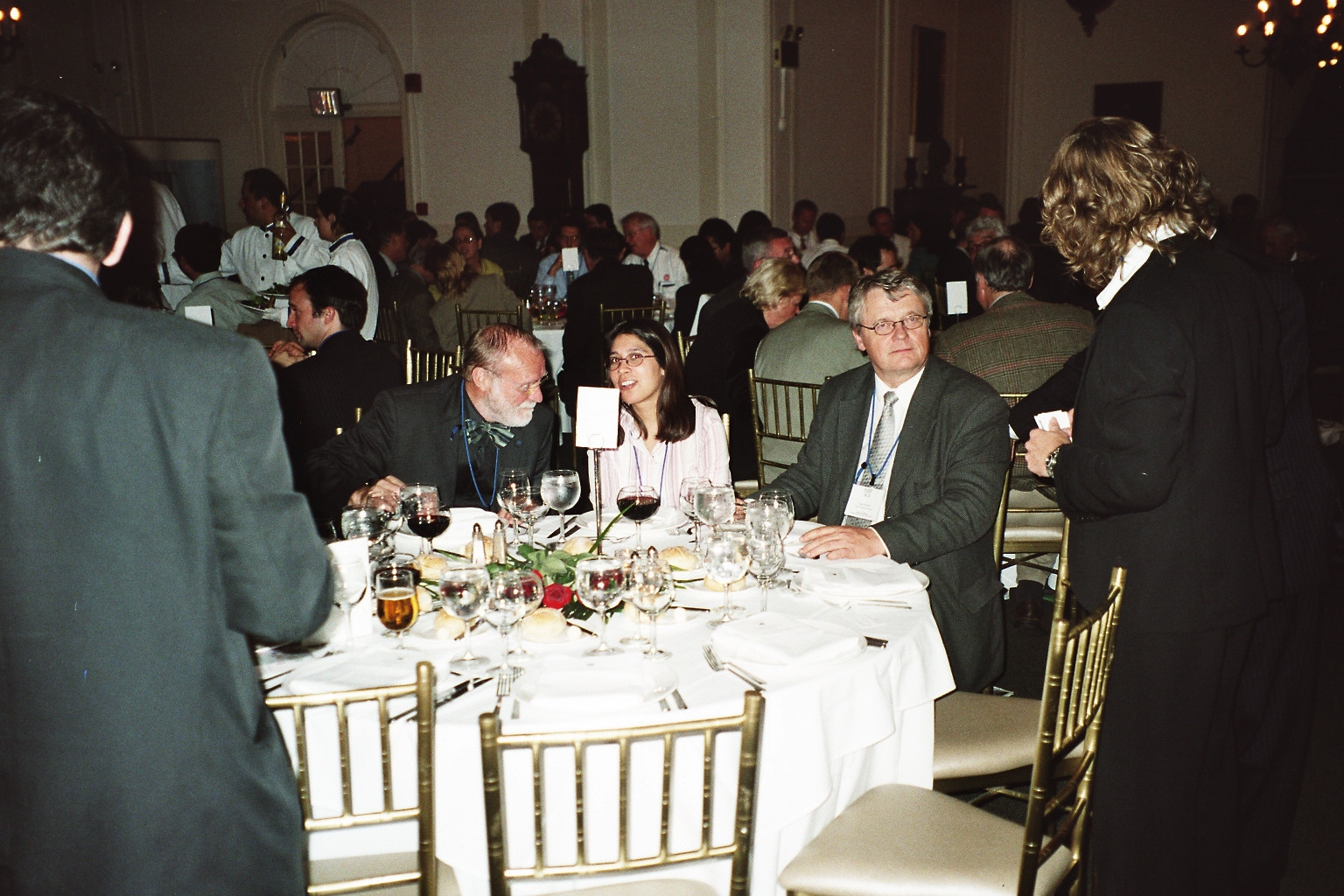
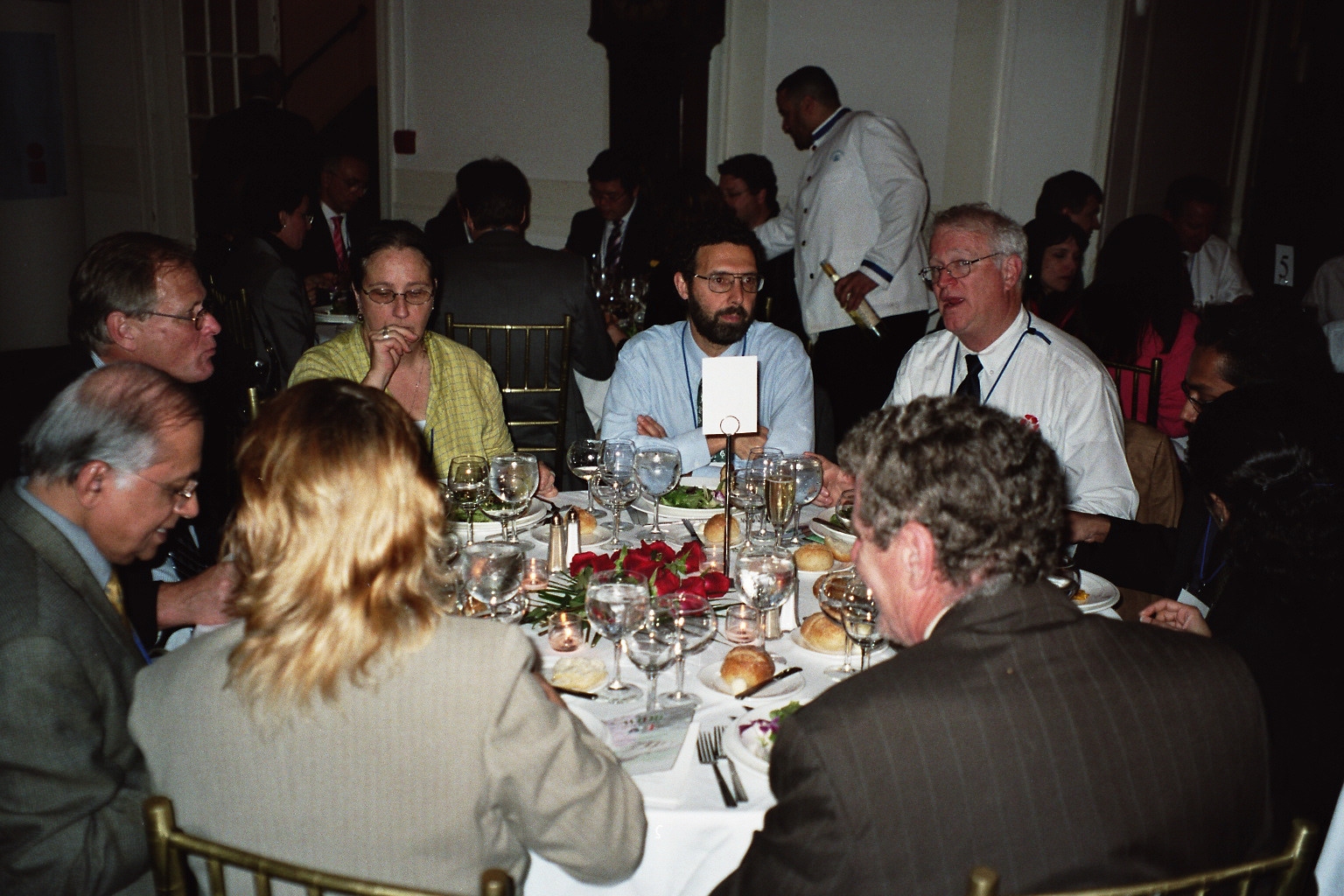
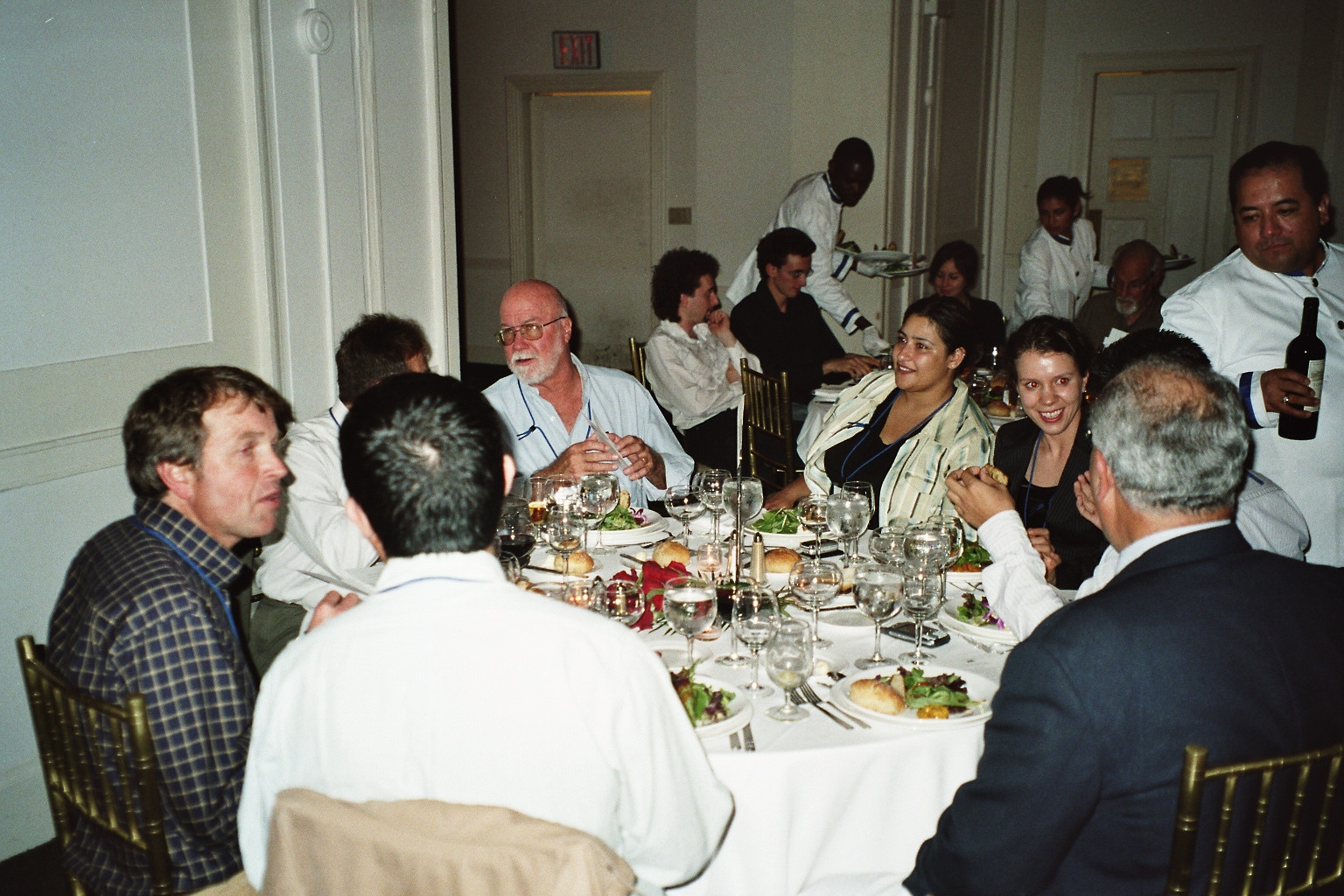
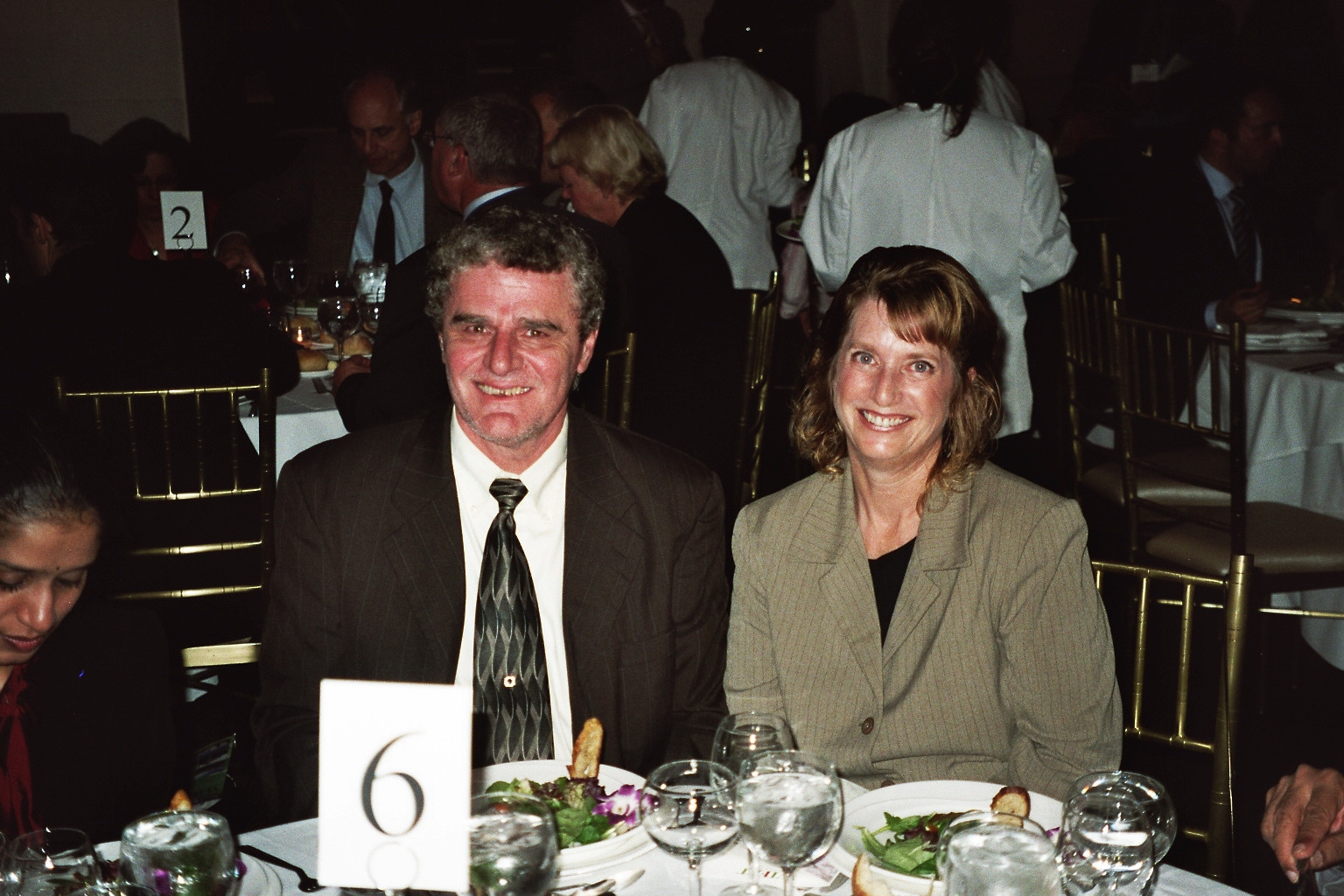
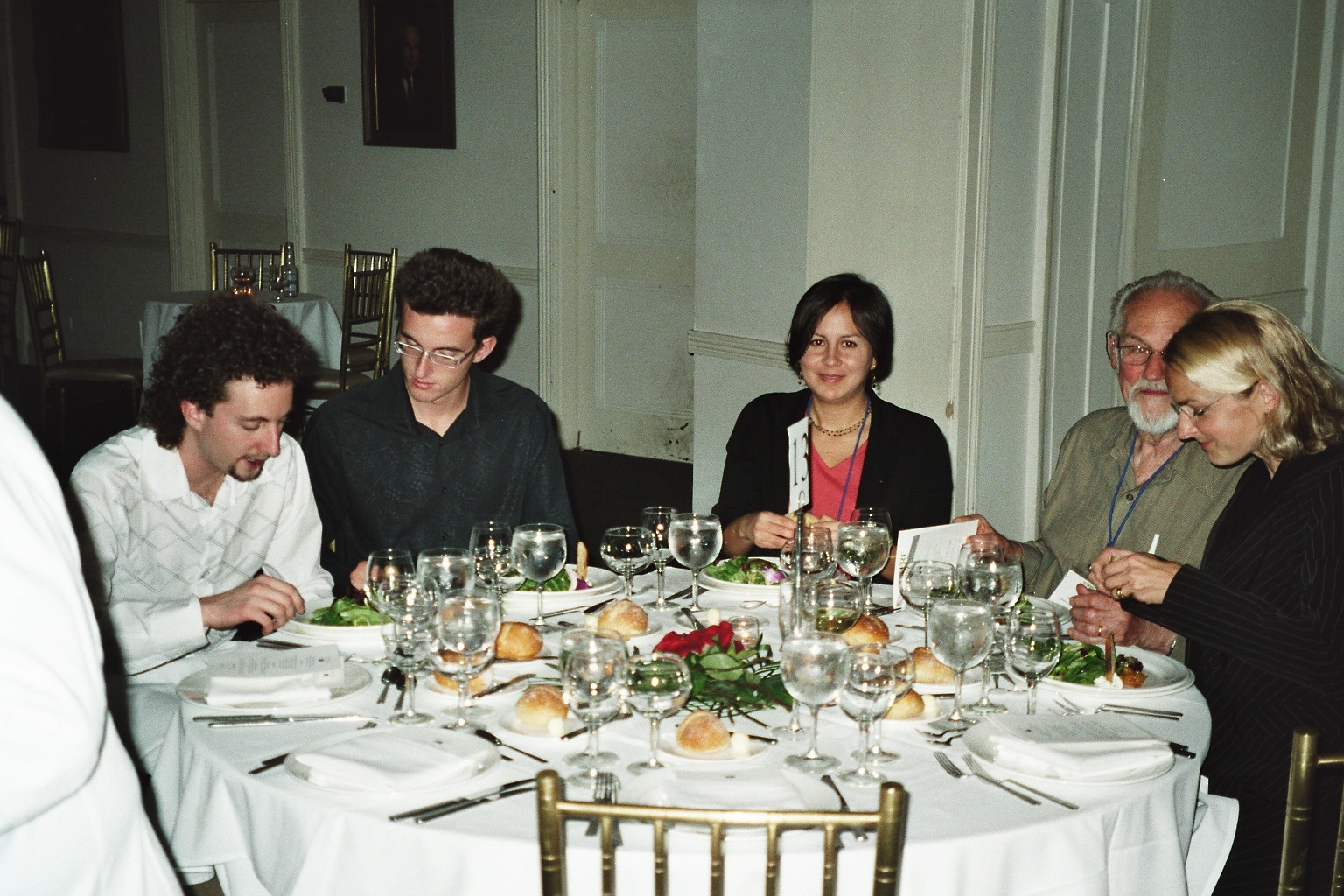
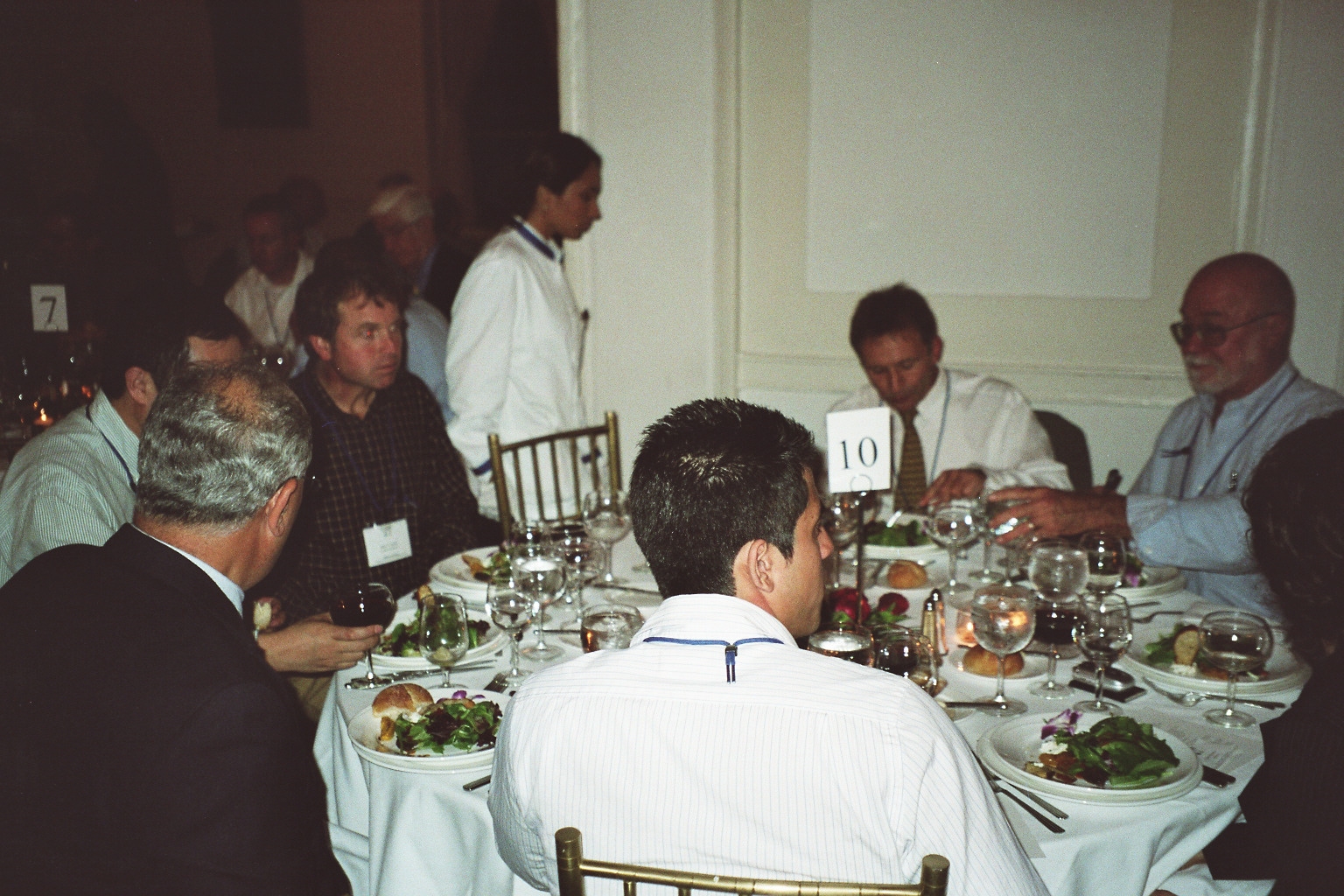
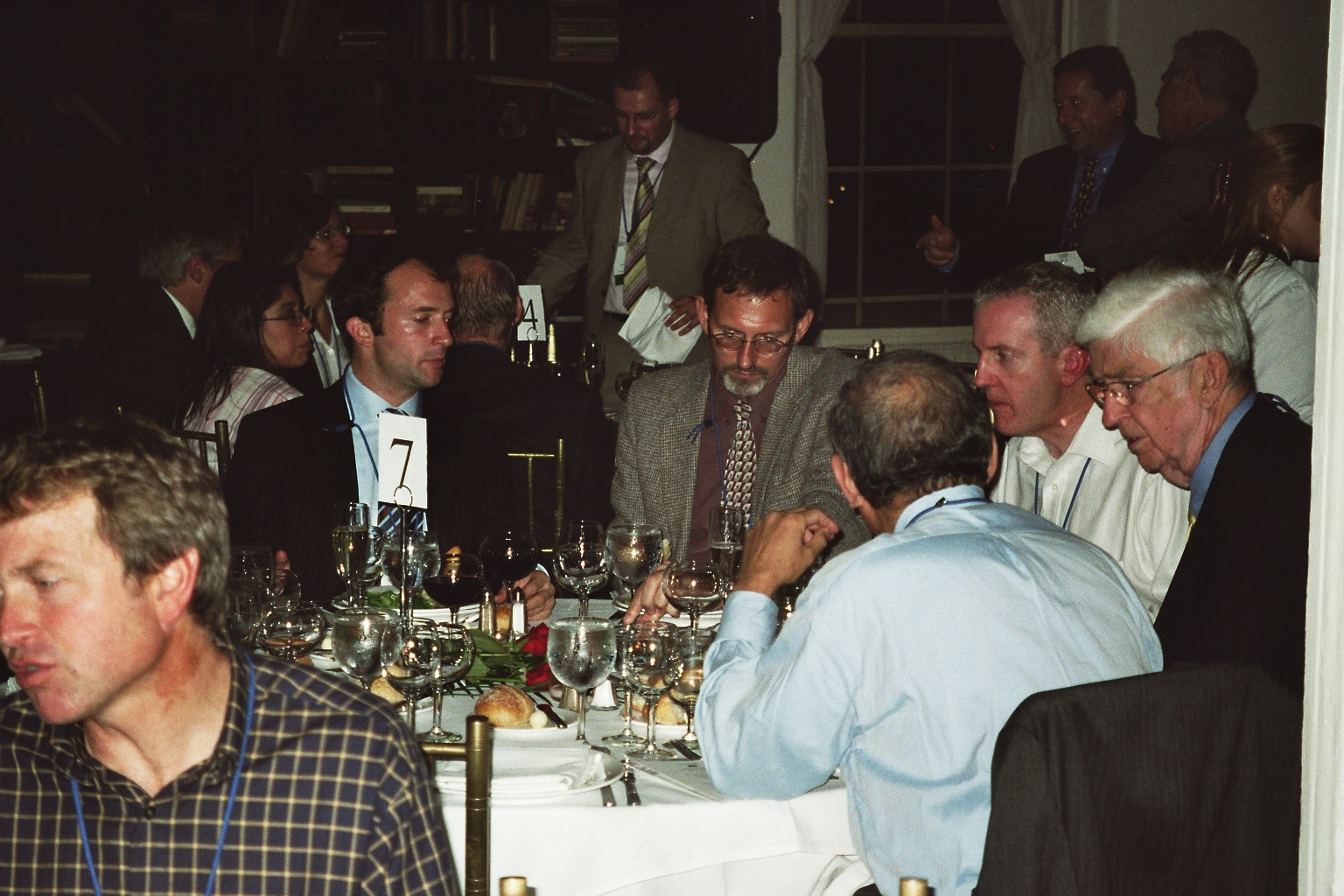
Awards Dinner & Sponsorship
The WtERT 2006 Awards Dinner was generously sponsored by the Solid Waste Processing Division of ASME International.
WtERT gratefully acknowledges this support, which made possible the recognition of outstanding contributions to the advancement of sustainable waste management worldwide.
About the Awards
The Waste-to-Energy Research and Technology Council (WtERT) is proud to present its 2006 Education and Industry Awards, honoring excellence in both academic research and industrial implementation in the field of waste-to-energy.
These awards highlight leadership, innovation, and measurable impact in advancing sustainable waste management practices globally.
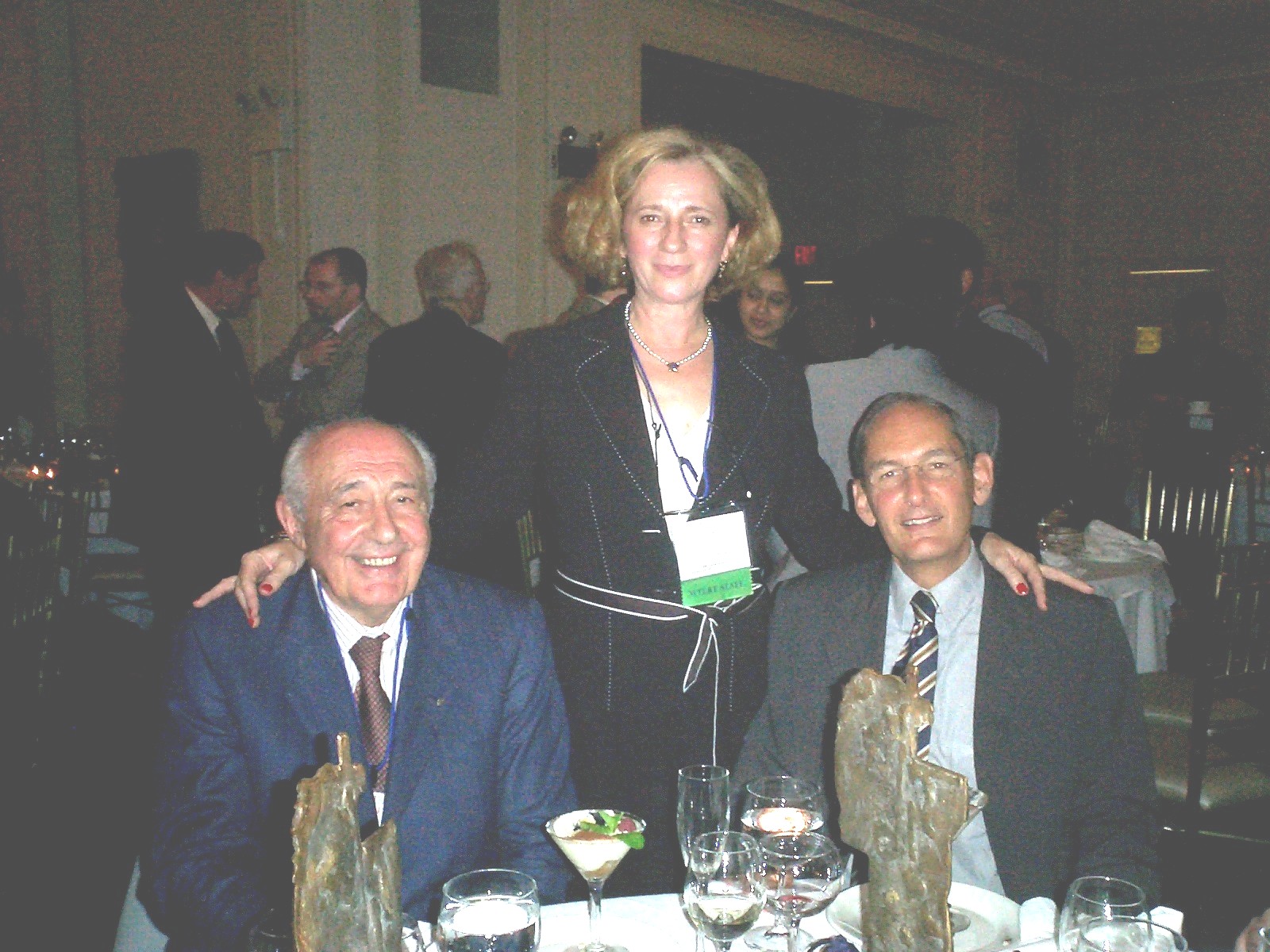
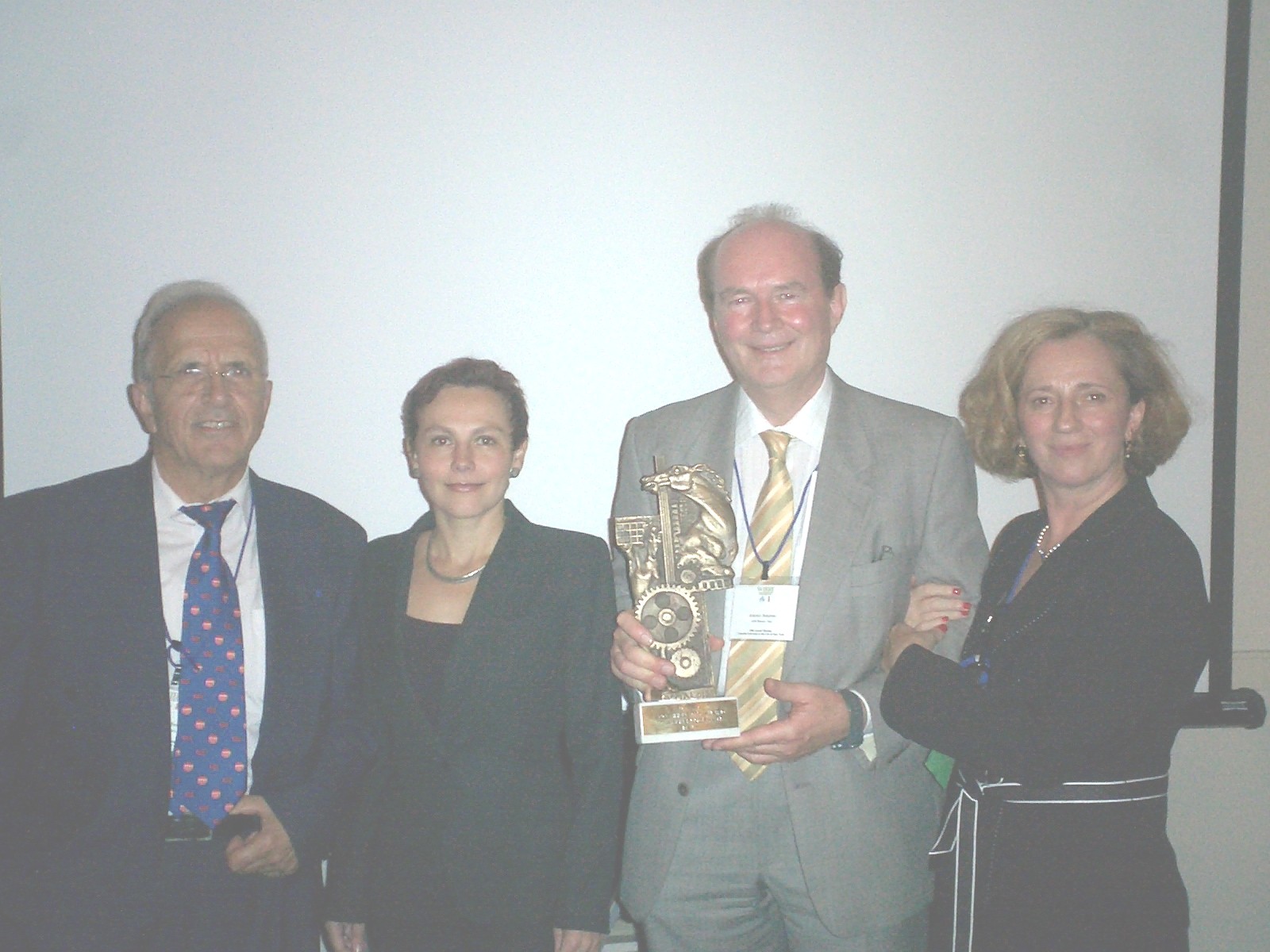
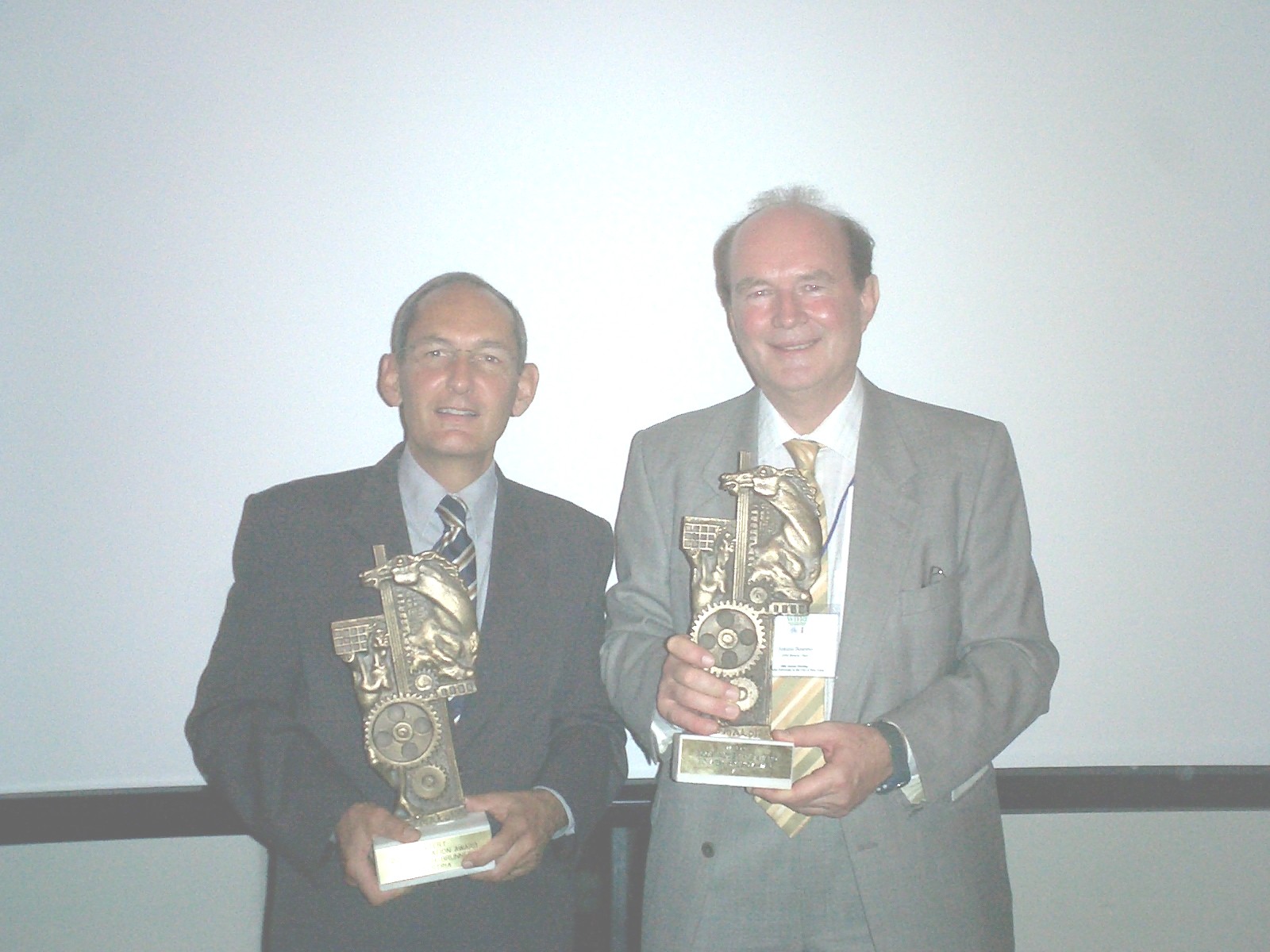
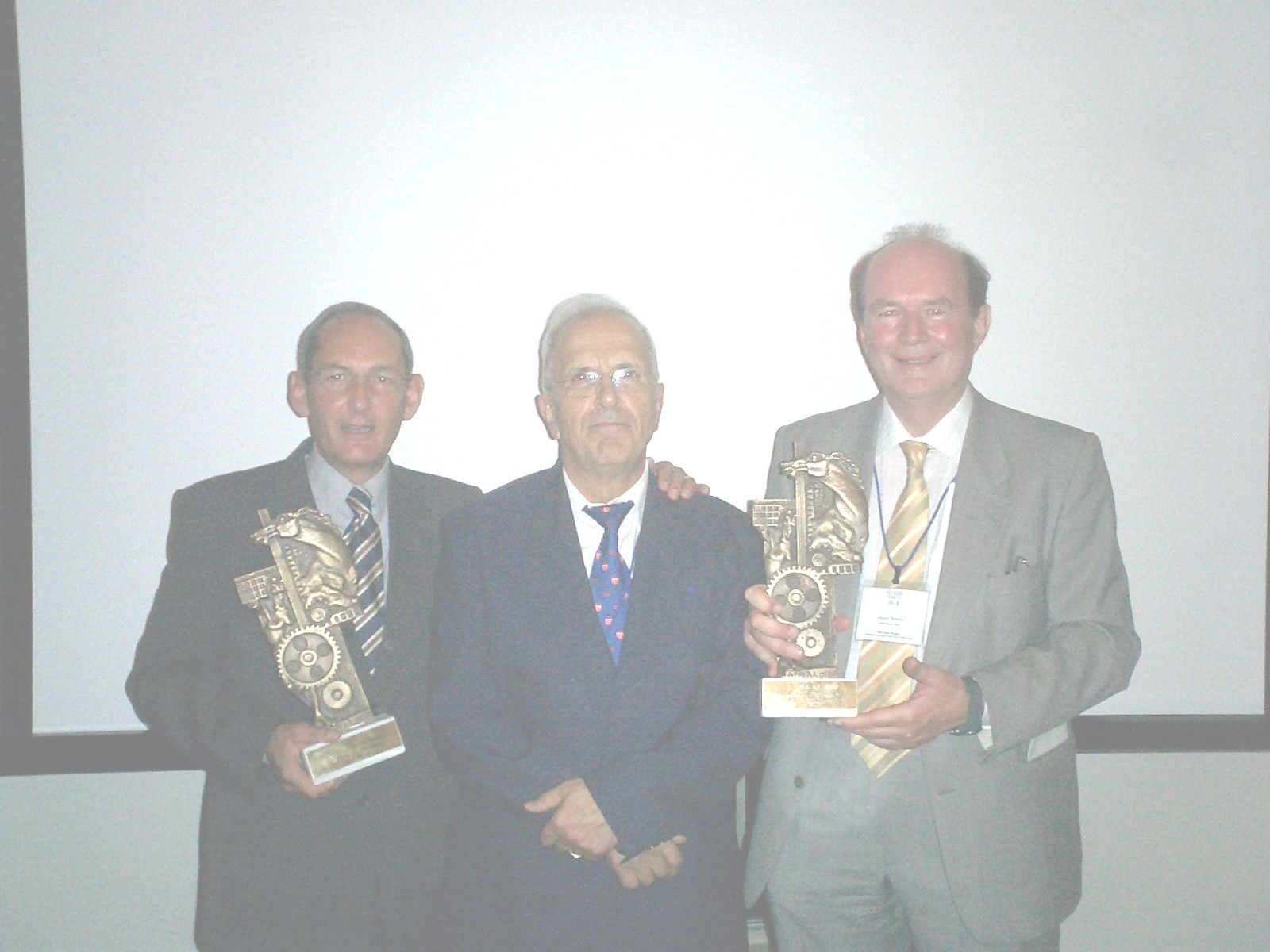
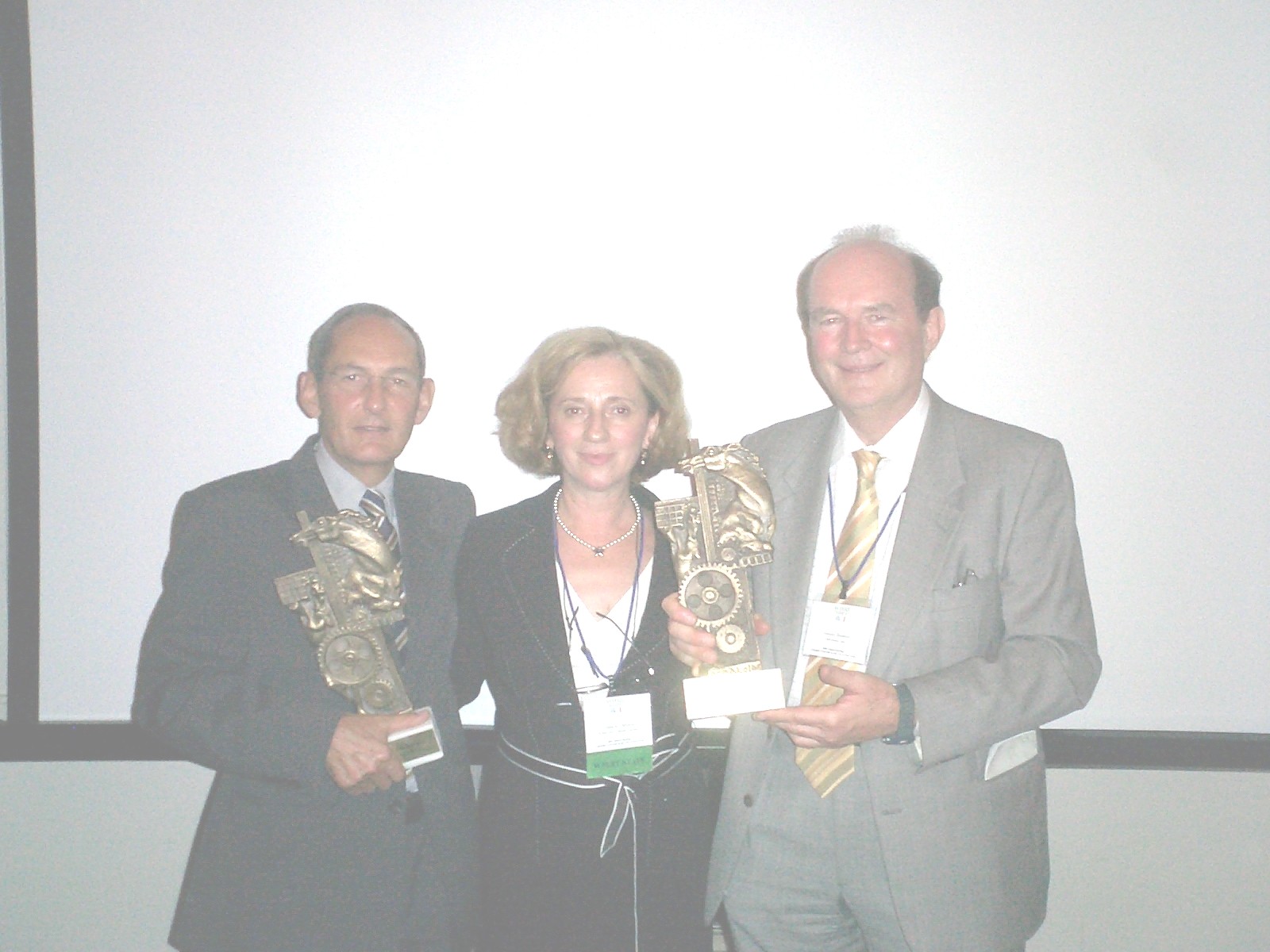
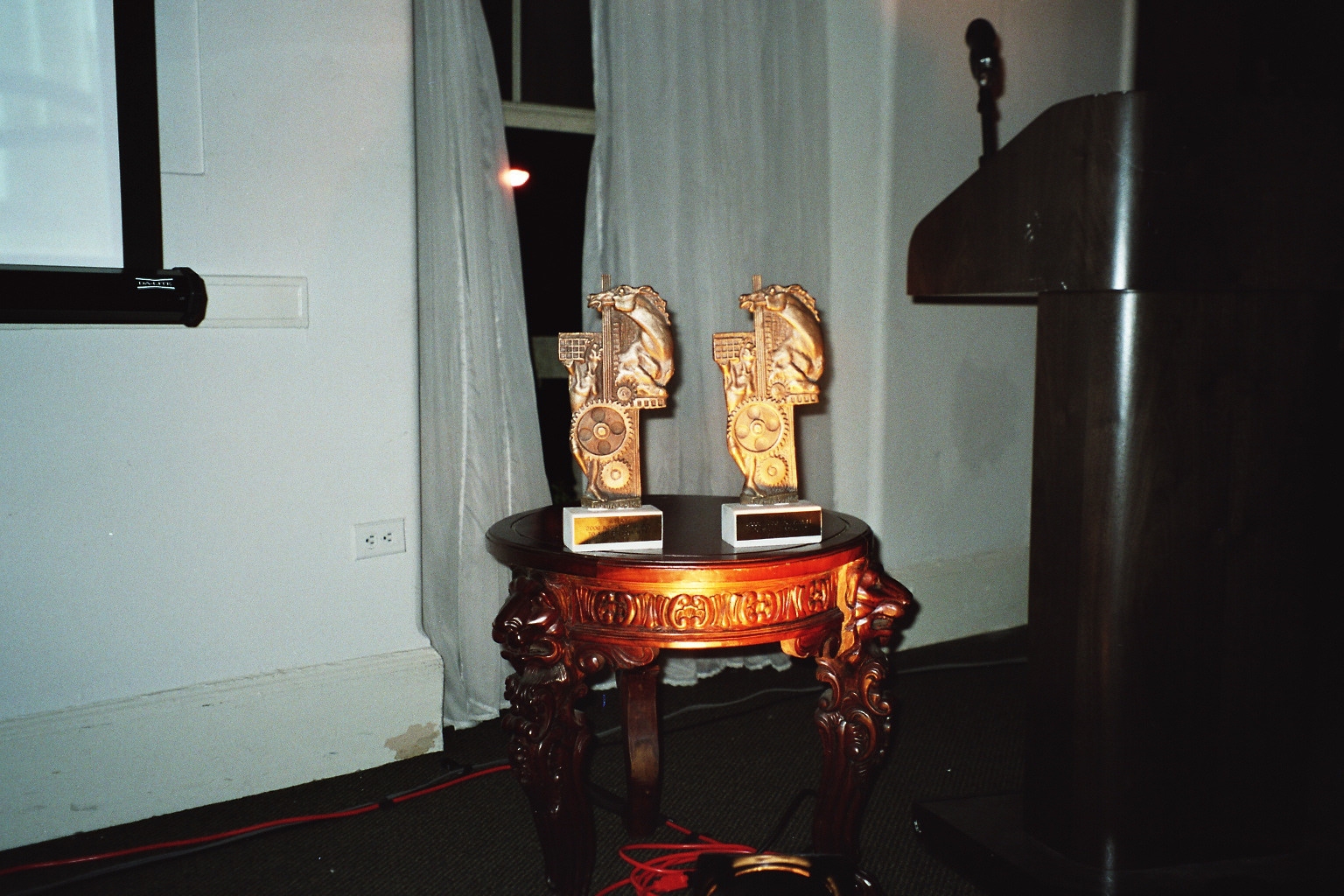
The WtERT 2006 Awards are bronze sculptures by famous Greek sculptor Dimitris Armakolas. They are evocative of the harnessing of power by humans and are titled by the artist “Souvenir.”
WtERT 2006 Education Award
Recipient: Prof. Paul H. Brunner, Vienna University of Technology
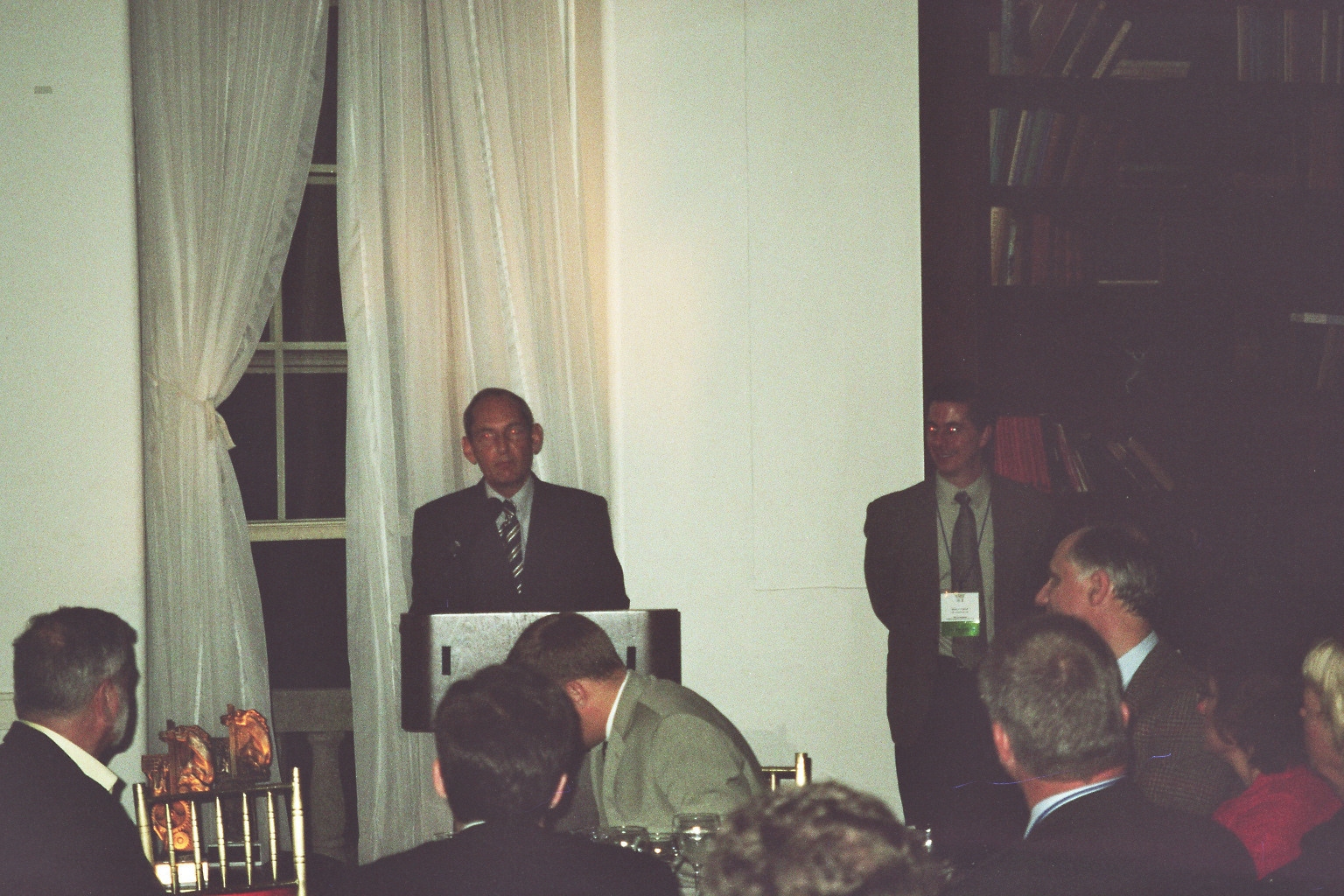
Presented by: Prof. Marco J. Castaldi
Citation
Prof. Brunner is internationally recognized for his pioneering contributions to sustainable waste and resource management.
He has authored several books and more than 150 scientific publications, including the widely acclaimed Practical Handbook of Material Flow Analysis, a foundational reference in the field.
As a key contributor to the development of Austria’s advanced waste management system, Prof. Brunner has played a central role in shaping one of the most effective and sustainable national frameworks in the world.
His work continues to influence both academic research and real-world policy implementation, making him a highly deserving recipient of the WtERT Education Award.
🎥 [Click here to view the awards film]
WtERT 2006 Industry Award
Recipient: ASM Brescia Waste-to-Energy Plant, Brescia, Italy
Presented by: Prof. Nickolas J. Themelis
Citation
The ASM Brescia WTE facility was selected from among the leading waste-to-energy plants worldwide for its outstanding performance and innovation.
🎥 [Click here to view the awards film]
Award letter from WtERT to Professor Paolo Corsini.
Key achievements include:
- Architectural excellence, integrating industrial infrastructure within an urban environment
- Efficient generation of electricity and district heating
- Emissions consistently below EU and U.S. regulatory standards
- Advanced systems for metal recovery and ash management
The facility stands as a benchmark for modern WtE plants, demonstrating how environmental protection, energy recovery, and urban integration can be successfully combined.
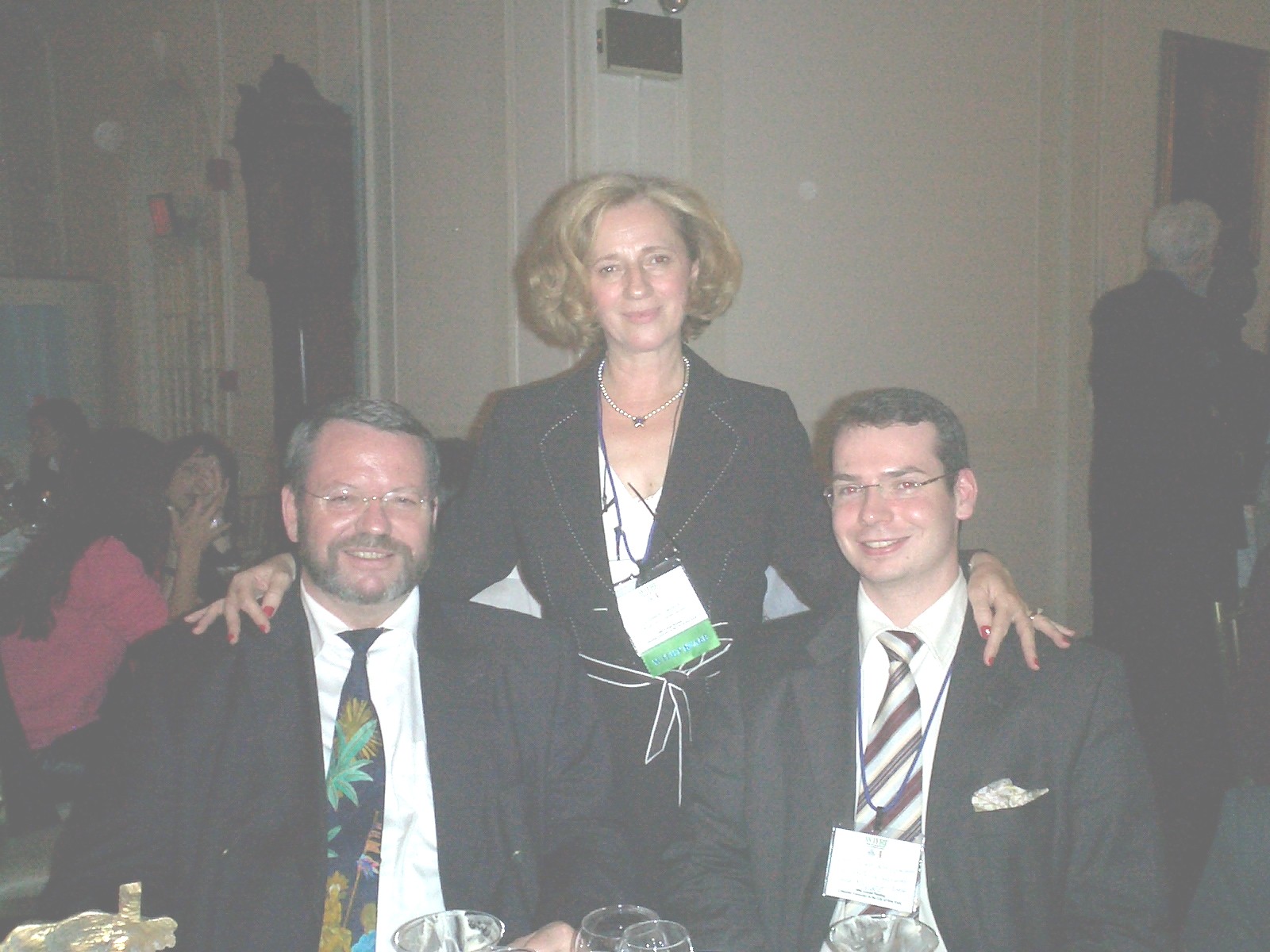
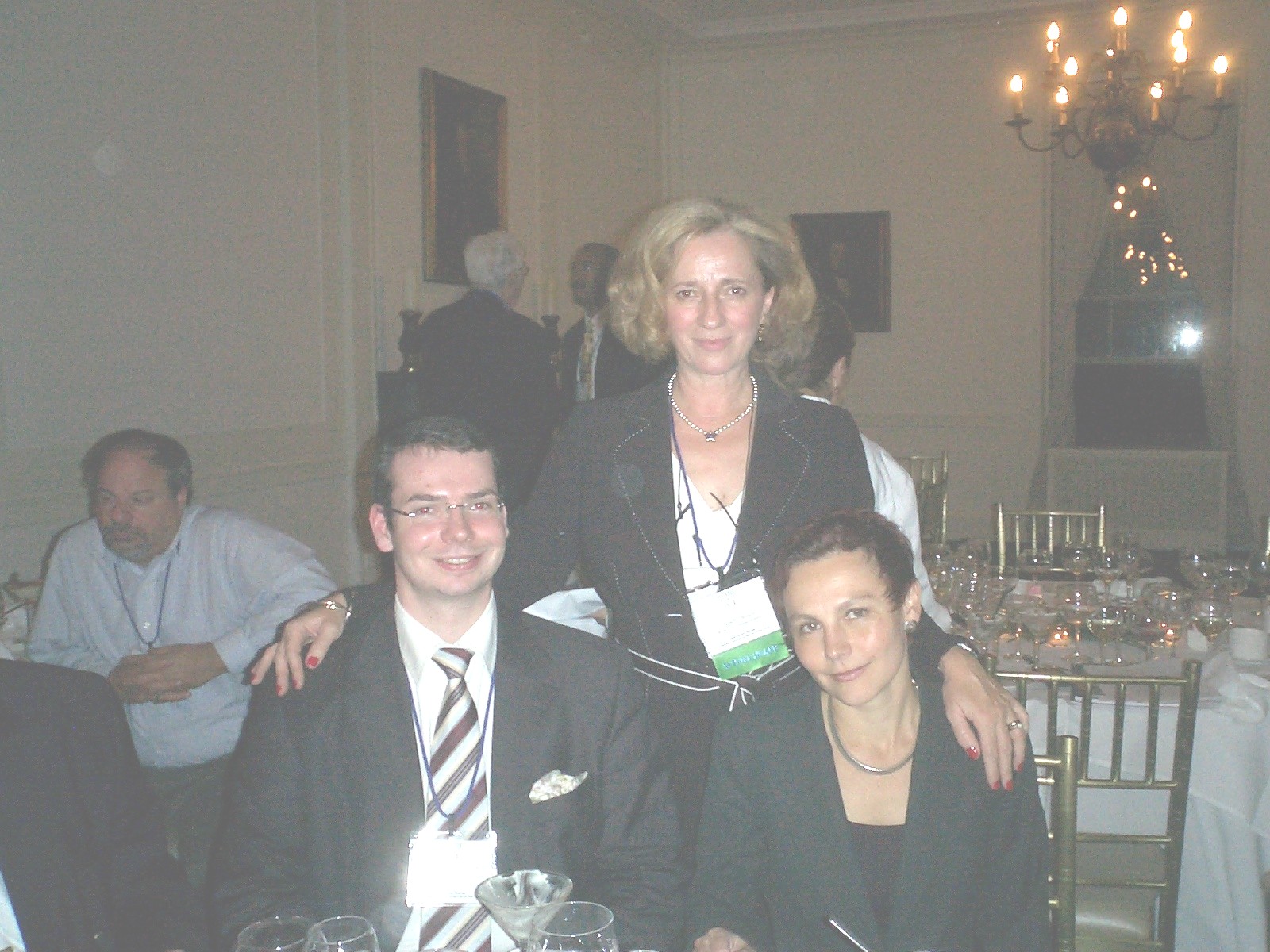
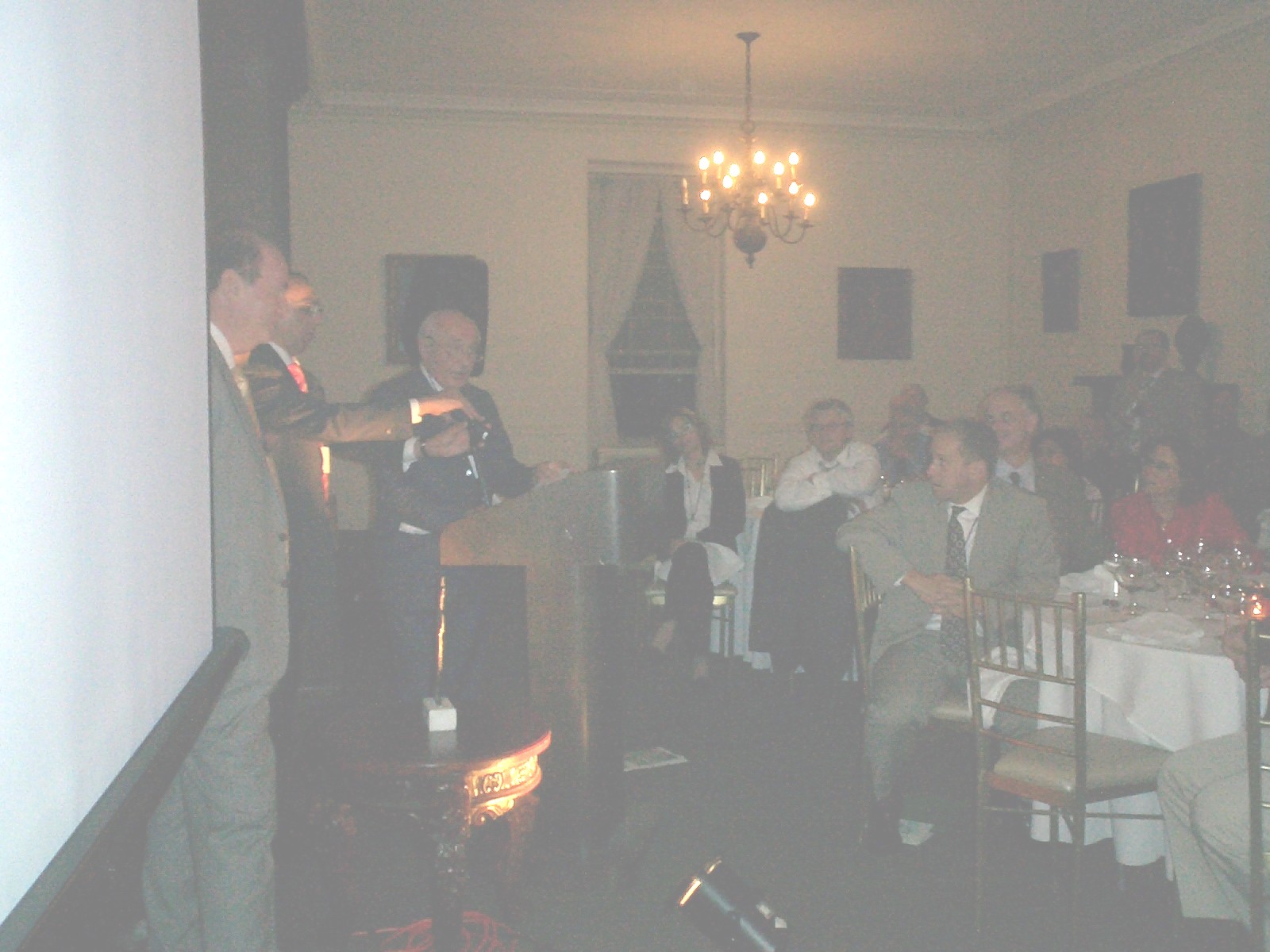
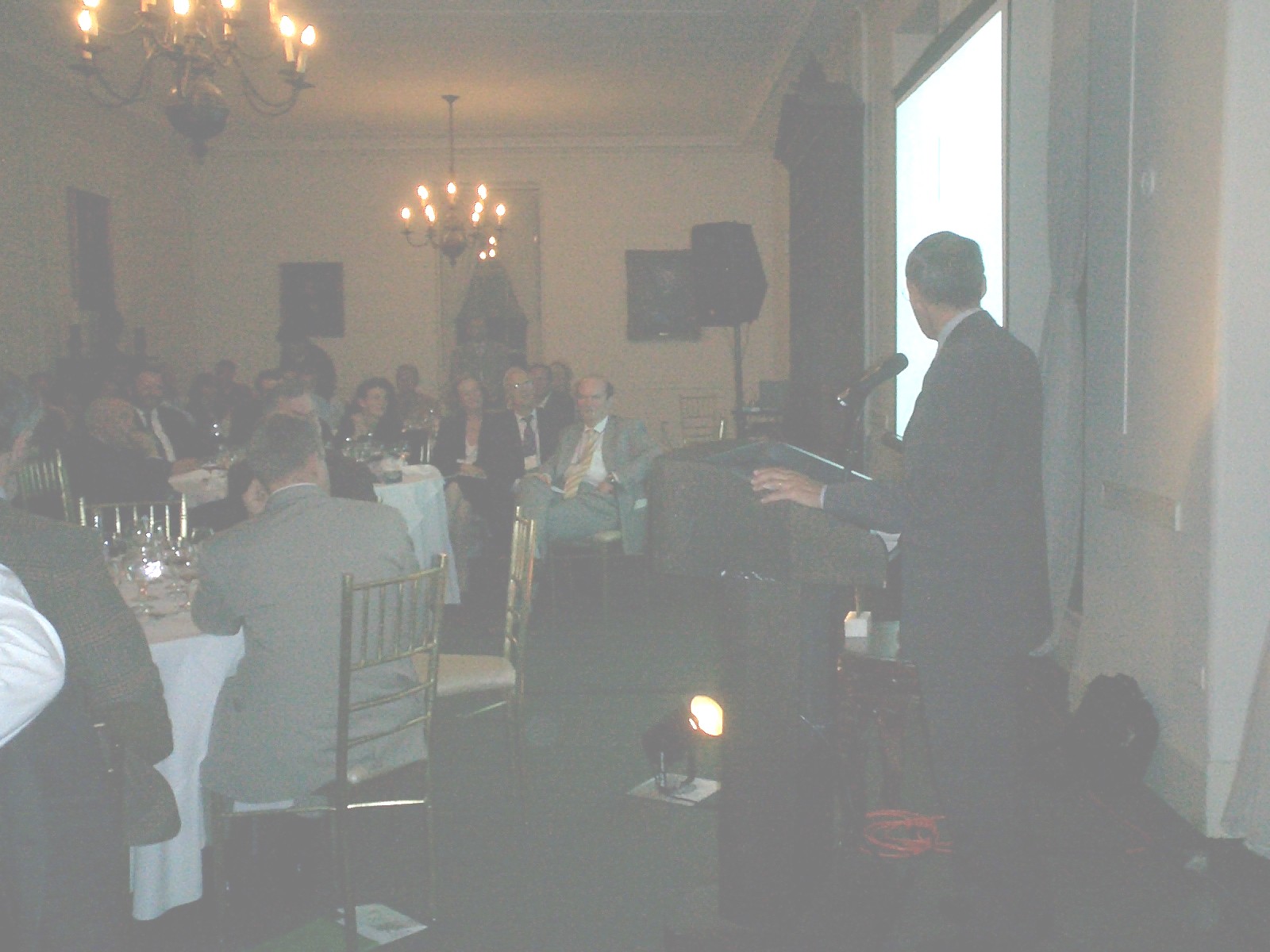
WtERT Award Gala Dinner