Use of non-recycled plastics and paper as alternative fuel in cement production
Authors: A.C. (Thanos) Bourtsalas a, Jiao Zhang a, M.J. Castaldi b, N.J. Themelis a, Alexandros N. Karaiskakis c
Affiliations:
a Earth Engineering Center, Columbia University, New York, NY, 10027, USA
b Earth Engineering Center, City College of New York, New York, NY, USA
c Department of Chemical Engineering, The City College of New York, CUNY, New York, NY, 10031 USA
Journal: Journal of Cleaner Production (Elsevier, 2018)
DOI: 10.1016/j.jclepro.2018.01.214
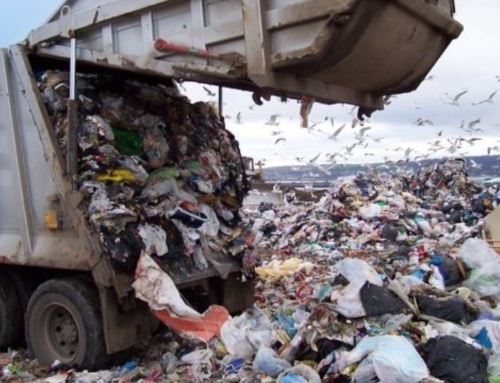
As global cement production surpasses 4 billion tonnes annually, the industry continues to face pressure to reduce its carbon footprint. This pioneering study led by researchers at Columbia University and CUNY investigates the use of engineered fuel (EF)—a blend of non-recycled plastics and paper (NRPP)—as a sustainable alternative to coal in cement kilns.
Key Insights:
-
EF contains ~80% biogenic material, primarily paper, and achieves a heating value of 17.5 MJ/kg.
-
In the Balcones cement plant (San Antonio, TX), EF successfully substituted coal without increasing emissions or harming cement quality.
-
Greenhouse gas emissions were reduced by up to 3 tonnes of CO₂ per tonne of EF used, especially when factoring in avoided methane emissions from landfilling.
-
The use of EF resulted in no significant increase in dioxins or heavy metal emissions, confirming its environmental safety.
-
If scaled nationwide, 17.7 million tonnes of NRPP could be diverted from landfills annually, representing a 64.5% increase in U.S. WTE capacity.
Climate and Economic Benefits:
Replacing fossil fuels with NRPP in cement kilns conserves landfill space, reduces CO₂ emissions, and avoids billions in new WtE infrastructure costs. It exemplifies a high-impact, low-barrier strategy for advancing circular economy and climate goals.